Analytical Chemist Career Guide 2025: Master Essential Skills, Resume Keywords, and Land Your Dream Job
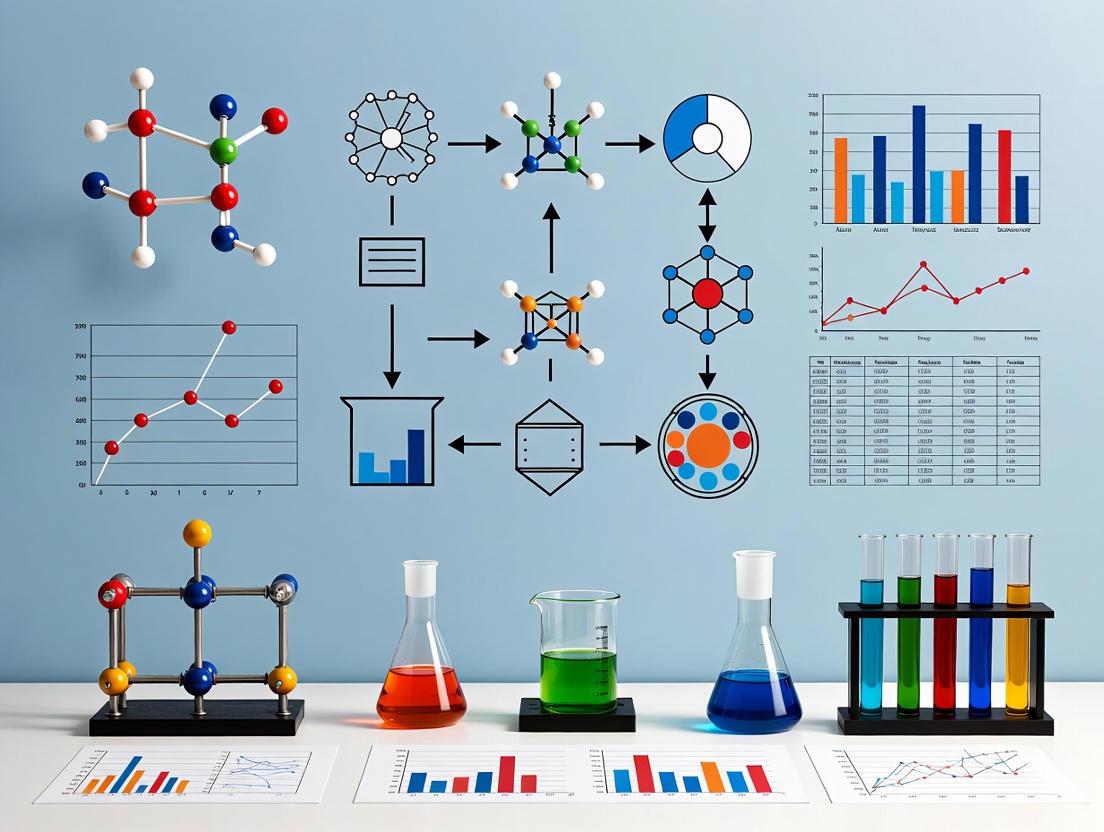
This comprehensive guide provides researchers, scientists, and drug development professionals with a strategic roadmap for career advancement in analytical chemistry.
Analytical Chemist Career Guide 2025: Master Essential Skills, Resume Keywords, and Land Your Dream Job
Abstract
This comprehensive guide provides researchers, scientists, and drug development professionals with a strategic roadmap for career advancement in analytical chemistry. It covers foundational technical skills, advanced methodological applications, resume optimization strategies for Applicant Tracking Systems (ATS), and validation techniques for standing out in the competitive pharmaceutical and biomedical sectors. Learn to effectively showcase your expertise, from HPLC and GC-MS to GMP and regulatory compliance, and position yourself for success in 2025 and beyond.
Building Your Core Foundation: Essential Hard and Soft Skills for the Modern Analytical Chemist
In the rapidly evolving field of analytical chemistry, mastering core laboratory techniques is not merely an academic exercise—it is a critical career differentiator. Techniques such as chromatography and spectroscopy form the bedrock of analytical science, enabling researchers in drug development and related disciplines to separate, identify, and quantify complex substances with precision. The landscape in 2025 is increasingly shaped by trends like automation, artificial intelligence (AI), and a push for sustainable practices [1] [2] [3]. For the modern scientist, proficiency in these areas, coupled with the ability to articulate these skills effectively on a resume, is indispensable for navigating and excelling in the competitive life sciences industry. This guide provides an in-depth technical exploration of these core techniques, framed within the context of essential career skills and resume keywords for today's analytical chemist.
Core Chromatography Techniques
Chromatography encompasses a suite of laboratory techniques used to separate the components of a complex mixture for analysis. The fundamental principle involves passing a mixture in a "mobile phase" through a "stationary phase," causing the components to separate based on their differential partitioning between the two phases [4].
Key Chromatography Methods and Applications
The selection of a chromatography method depends on the nature of the sample and the required analytical outcome. The most common types are detailed in the table below.
Table 1: Key Chromatography Types, Characteristics, and Applications
| Method | Principle | Best For | Common Applications |
|---|---|---|---|
| Gas Chromatography (GC) [4] | Separation of volatile compounds in a gaseous mobile phase. | Volatile and thermally stable compounds. | Environmental monitoring, food aroma analysis, pharmaceutical purity testing [4] [5]. |
| Liquid Chromatography (LC) [4] | Separation of non-volatile or thermally labile compounds in a liquid mobile phase. | Non-volatile compounds, biomolecules, pharmaceuticals. | Pharmaceutical development, biotechnology, biomedical research [4]. |
| High-Performance Liquid Chromatography (HPLC) [4] | A type of LC that uses high pressure to enhance separation efficiency and speed. | Complex mixtures requiring high resolution and sensitivity. | Pharmaceutical quality control, complex biological mixtures, detailed quantitative analysis [4] [5]. |
Current Trends and Methodologies
Chromatography is not a static field. Several key trends are transforming laboratory practices in 2025:
- AI and Automation: AI is being used to automate calibration, optimize system performance, and enable real-time process optimization with minimal manual oversight. This increases uptime, cost efficiency, and data reproducibility [1] [6].
- Miniaturization and Sustainability: Instrumentation is trending toward smaller, more compact designs that reduce power consumption, solvent usage (in LC), and operational costs, aligning with broader laboratory sustainability goals [6] [3].
- Complex Separations: There is a growing demand for specialized techniques to handle challenging analytes such as PFAS (per- and polyfluoroalkyl substances), mRNA, and nucleotide therapeutics, which require systems designed to minimize analyte interactions [6].
- Cloud Integration: Cloud-based solutions are enhancing flexibility by allowing for remote monitoring, seamless data sharing across global sites, and consistent workflow management [6].
The following diagram illustrates a generalized workflow for a chromatographic analysis, from sample preparation to data interpretation.
Essential Research Reagent Solutions
Table 2: Key Reagents and Materials in Chromatography
| Item | Function |
|---|---|
| Stationary Phases (e.g., C18, silica, polymer-based materials) [4] | The solid support that interacts with analytes to achieve separation. |
| Mobile Phase Solvents (e.g., methanol, acetonitrile, water with buffers) [4] | The liquid that carries the sample through the system. |
| Derivatization Reagents | Chemicals that modify analytes to make them more volatile or detectable (common in GC). |
| Calibration Standards | Solutions of known concentration used to quantify the analytes in the sample. |
Core Spectroscopy Techniques
Spectroscopy involves the study of the interaction between matter and electromagnetic radiation. It is used to determine the structure, composition, and physical properties of substances by measuring how they absorb, emit, or scatter light at different wavelengths [4].
Key Spectroscopy Methods and Applications
Various spectroscopic techniques probe different molecular properties and are applicable to a wide range of analytical problems.
Table 3: Key Spectroscopy Types, Principles, and Applications
| Method | Principle | Measured Information | Common Applications |
|---|---|---|---|
| UV-Vis Spectroscopy [4] | Measures absorption of ultraviolet and visible light. | Concentration of analytes, reaction monitoring. | Pharmaceutical analysis, biomolecule quantification, environmental sample testing [4] [5]. |
| Infrared (IR) Spectroscopy [4] | Measures absorption of infrared light, causing molecular vibrations. | Functional groups, molecular structure, identification. | Molecular structure elucidation, compound identification, polymer analysis [4]. |
| Nuclear Magnetic Resonance (NMR) [4] | Measures the magnetic properties of atomic nuclei in a strong magnetic field. | Detailed molecular structure, dynamics, and purity. | Determining organic compound structure, studying molecular dynamics [4]. |
| Mass Spectrometry (MS) [7] | Measures the mass-to-charge ratio of ionized molecules. | Molecular weight, structural fragments, and exact composition. | Identifying unknown compounds, quantifying known compounds, proteomics, metabolomics [6] [3]. |
Experimental Protocol: UV-Vis Spectroscopy for Concentration Analysis
A common application of UV-Vis spectroscopy is the quantitative determination of a compound's concentration in solution.
- Instrument Calibration: Turn on the UV-Vis spectrophotometer and allow it to warm up. Select the appropriate wavelength based on the analyte's absorption maximum.
- Blank Preparation: Prepare a blank solution containing the solvent only, ensuring it is identical to the solvent used for the sample and standards.
- Standard Solution Preparation: Prepare a series of standard solutions with known concentrations of the analyte. The concentration range should bracket the expected concentration of the unknown sample.
- Measure Absorbance: Using a clean cuvette, measure the absorbance of the blank and set the instrument to zero. Then, measure the absorbance of each standard solution in sequence.
- Create a Calibration Curve: Plot the absorbance values of the standard solutions against their known concentrations. Use linear regression to establish a best-fit line (Beer-Lambert law).
- Analyze Unknown Sample: Measure the absorbance of the prepared unknown sample.
- Data Interpretation: Use the equation from the calibration curve to calculate the concentration of the unknown sample based on its measured absorbance.
The workflow below outlines the logical sequence of a spectroscopic analysis, from sample preparation to final interpretation.
The Modern Analytical Chemist's Career Toolkit
Technical mastery must be paired with professional acumen to advance in an analytical chemistry career. This involves understanding industry trends, recognizing in-demand skills, and effectively communicating your qualifications.
2025 Laboratory Trends and Career Implications
- Automation and Robotics: Automation is handling manual tasks like aliquoting and sample sorting, reducing human error, and improving throughput [1] [3]. This shifts the scientist's role toward system design, maintenance, data interpretation, and troubleshooting [2].
- AI and Machine Learning: AI is revolutionizing data analysis, suggesting reflex testing, and even assisting in drug discovery by identifying candidate molecules from large databases [1] [8]. Familiarity with data science concepts and AI tools is becoming a valuable asset.
- Sustainable Laboratories: There is a strong push for green labs, focusing on reducing energy consumption, waste, and solvent use [8] [3]. Experience with energy-efficient equipment and waste-reduction protocols is increasingly relevant.
- Mass Spectrometry Growth: The mass spectrometry market is expanding significantly, with applications deepening in clinical diagnostics and personalized medicine [3]. MS proficiency is a highly sought-after skill.
Essential Resume Keywords and Skills
To pass through Applicant Tracking Systems (ATS) and appeal to hiring managers, an analytical chemist's resume must contain relevant keywords. These skills are categorized below [9] [10] [7].
Table 4: Essential Resume Skills for Analytical Chemists
| Technical (Hard) Skills | Software & Instrumentation | Compliance & Soft Skills |
|---|---|---|
| HPLC, GC, GC-MS, LC-MS [9] | LabSolutions, ChemStation, Empower [9] | Good Laboratory Practice (GLP) [9] |
| UV/Vis, FTIR, NMR, Mass Spectrometry [9] | Electronic Lab Notebooks (ELN), LIMS [9] [2] | Good Manufacturing Practice (GMP) [9] |
| Method Development & Validation [9] | Statistical Analysis Software (e.g., JMP, Minitab) [9] | Standard Operating Procedures (SOPs) [7] |
| Titration, Wet Chemistry, Sample Preparation [9] [7] | Programming (e.g., Python, R, MATLAB) [9] | Problem-Solving & Attention to Detail [7] |
| Data Interpretation & Statistical Analysis [7] | Microsoft Office Suite [9] | Technical Report Writing [7] |
| Acridine, 3,8-diamino- | Acridine, 3,8-diamino-, CAS:40504-84-5, MF:C13H11N3, MW:209.25 g/mol | Chemical Reagent |
| Stilbostemin D | Stilbostemin D | High-purity Stilbostemin D for research applications. This product is For Research Use Only. Not for use in diagnostic or therapeutic procedures. |
Demonstrating Impact on Your Resume
Instead of simply listing duties, showcase achievements with quantifiable results. Use strong action verbs and metrics to demonstrate your value [10] [7].
- Weak: "Responsible for HPLC analysis."
- Strong: "Developed and validated a novel HPLC method for drug formulation testing, increasing analytical accuracy by 20% and reducing sample analysis time by 30%." [10]
- Weak: "Used GC-MS in the lab."
- Strong: "Optimized a GC-MS protocol for pesticide residue analysis, improving detection limits by 40% and ensuring compliance with EPA regulations." [10]
Chromatography and spectroscopy remain the indispensable pillars of analytical chemistry, but their practice is being dynamically transformed by AI, automation, and sustainability initiatives. For researchers and drug development professionals, a deep technical understanding of these techniques is the foundation of success. However, in the context of a modern career, this knowledge must be complemented by an awareness of industry trends and the ability to strategically articulate one's skills. By mastering the techniques, leveraging the keywords, and demonstrating measurable impact, analytical chemists can position themselves as invaluable assets in the innovative and evolving landscape of 2025 and beyond.
In the competitive fields of analytical chemistry, pharmaceutical development, and materials science, proficiency with core instrumentation is not just a technical requirement—it is a fundamental career skill. Techniques such as High-Performance Liquid Chromatography (HPLC), Gas Chromatography (GC), Mass Spectrometry (MS), Nuclear Magnetic Resonance (NMR), and Fourier Transform Infrared (FTIR) Spectroscopy form the backbone of modern analytical research and development. For scientists, the ability to operate these instruments, interpret complex data, and develop robust methods is highly sought after by employers. These hard skills frequently appear as critical keywords on resumes and in job descriptions for roles ranging from Analytical Chemist to Research Scientist [11] [9] [12]. This guide provides an in-depth technical overview of these five essential techniques, framing them within the context of practical application and career development for research and drug development professionals.
The Techniques: Principles, Applications, and Career Relevance
High-Performance Liquid Chromatography (HPLC)
- Principle: HPLC separates components of a mixture dissolved in a liquid solvent. The sample is carried by a mobile phase through a column packed with a stationary phase. Compounds interact differently with the packing material, leading to separation as they elute from the column at distinct retention times.
- Applications: HPLC is a workhorse in pharmaceutical labs for drug quantification, purity testing, and stability studies. It is equally vital in environmental analysis (e.g., pollutant detection) and food safety (e.g., vitamin and additive analysis) [13] [14].
- Career Context: HPLC is one of the most frequently listed skills on chemistry job postings [9] [15]. Expertise includes method development, validation, and troubleshooting, which are highly valued for ensuring data integrity and regulatory compliance.
Gas Chromatography (GC)
- Principle: GC separates volatile and thermally stable compounds. The sample is vaporized and carried by an inert gas (mobile phase) through a column coated with a liquid or solid stationary phase. Separation is based on the boiling points and polarity of the analytes.
- Applications: GC is extensively used for analyzing fuels, essential oils, fragrances, and environmental samples for pollutants like pesticides and PCBs [11] [16]. It is also crucial for residual solvent analysis in pharmaceuticals.
- Career Context: GC proficiency often goes hand-in-hand with HPLC. Experience with GC demonstrates a chemist's ability to handle a different separation domain, broadening their analytical versatility [11] [9].
Mass Spectrometry (MS)
- Principle: MS measures the mass-to-charge ratio (m/z) of ionized molecules. A mass spectrometer consists of an ion source, a mass analyzer, and a detector. It provides molecular weight and structural information by generating fragmentation patterns.
- Applications: MS is the gold standard for identifying unknown compounds, quantifying trace-level analytes, and determining complex molecular structures. It is indispensable in proteomics, metabolomics, and pharmacokinetic studies [17] [18].
- Career Context: MS is a high-value skill, particularly when coupled with separation techniques like GC or LC. Knowledge of different ionization sources (e.g., ESI, EI) and mass analyzers makes a candidate stand out in mass spectrometry-intensive roles [12] [15].
Nuclear Magnetic Resonance (NMR) Spectroscopy
- Principle: NMR exploits the magnetic properties of certain atomic nuclei (e.g., ^1H, ^13C). When placed in a strong magnetic field, these nuclei absorb and re-emit electromagnetic radiation. The resulting NMR spectrum provides detailed information on molecular structure, dynamics, and purity.
- Applications: NMR is the premier technique for unambiguous structural elucidation and stereochemistry determination of organic compounds and biomolecules. It is also used quantitatively and to study molecular interactions [19] [14].
- Career Context: While more common in research-oriented roles, NMR literacy is a powerful differentiator. It demonstrates deep analytical prowess and the ability to solve complex structural problems [11] [15].
Fourier Transform Infrared (FTIR) Spectroscopy
- Principle: FTIR identifies molecular functional groups by measuring the absorption of infrared light. A molecule will absorb specific IR frequencies that match the energy of its chemical bonds' vibrational modes, producing a unique molecular "fingerprint."
- Applications: FTIR is used for rapid material identification, contamination analysis, and monitoring chemical reactions. It is applied across industries, from polymer characterization to pharmaceutical formulation [16] [14].
- Career Context: FTIR skills are essential for quality control and materials science roles. The ability to quickly identify functional groups and contaminants is a practical and highly transferable skill [11].
Table 1: Comparative Overview of Core Analytical Techniques
| Technique | Primary Information | Sample Requirements | Key Strengths | Common Hyphenated Forms |
|---|---|---|---|---|
| HPLC | Separation, Quantification | Soluble in liquid phase | High resolution for non-volatile compounds | LC-MS [18] |
| GC | Separation, Quantification | Volatile, thermally stable | High sensitivity, excellent resolution for volatiles | GC-MS, GC-IR [18] |
| MS | Molecular Weight, Structure | Can be solid, liquid, gas | High sensitivity, provides structural data | LC-MS, GC-MS [18] |
| NMR | Molecular Structure, Purity | Soluble in deuterated solvent | Non-destructive, definitive structural info | LC-NMR [18] |
| FTIR | Functional Groups, Identity | Solid, liquid, gas | Fast, great for material ID and functional groups | GC-IR [18] |
Table 2: Prevalence of Technique Keywords in Chemist Roles (Based on Resume Analysis)
| Technique | Relevance to Chemist Roles |
|---|---|
| HPLC | Listed as a key skill for Analytical Chemists and Quality Control Chemists [9] [13] |
| GC | Appears frequently in resumes for environmental and quality control testing roles [11] |
| MS | A critical skill for mass spectrometry and analytical scientist roles [12] |
| NMR | Top skill for Organic Chemists, appearing on 7.9% of resumes [11] |
| FTIR | Commonly listed under instrumental analysis and spectroscopy skills [11] [15] |
Hyphenated Techniques: Enhanced Power Through Integration
The combination of two or more analytical techniques, known as hyphenated techniques, leverages the strengths of each individual method to solve complex analytical challenges.
- GC-MS and LC-MS: These are the most prevalent hybrid systems. The chromatograph (GC or LC) separates the components of a mixture, and the mass spectrometer detects and identifies each component based on its mass spectrum. This is invaluable for analyzing complex mixtures like drug metabolites, environmental pollutants, and natural product extracts [17] [18]. For a scientist, experience with GC-MS or LC-MS is a significant career asset, reflecting the ability to handle sophisticated instrumentation and complex data interpretation.
- LC-NMR and GC-IR: These combinations are powerful for specialized applications. LC-NMR provides definitive structural information on compounds directly from a chromatographic stream, which is crucial in drug impurity identification and natural product discovery [17] [18]. GC-IR uses the functional group specificity of IR to identify eluting compounds, useful in petrochemical and fragrance analysis [18].
Diagram 1: Workflow of Common Hyphenated Techniques
Experimental Protocols: Practical Methodology for Analysis
Protocol: Analysis of Thermally Degraded Oils by Synchronized FTIR and GC-MS
This protocol, adapted from a published study on edible oils, demonstrates the practical integration of multiple techniques for a comprehensive analysis [16].
1. Sample Preparation:
- Obtain seven types of edible oils (e.g., palm, corn, canola, soybean).
- Subject each oil to three treatments: unheated, heated at 100°C for 15 minutes, and heated at 150°C for 15 minutes using a digital heating block.
- Allow all samples to cool to room temperature.
- For GC-MS analysis, dissolve 100 µL of each oil sample in 2 mL of dichloromethane (DCM).
2. FTIR Analysis:
- Instrument: ATR-FTIR spectrometer.
- Method:
- Clean the ATR crystal with absolute ethanol and collect a background spectrum.
- Apply a thin film of the oil sample (neat, without dilution) onto the ATR crystal.
- Collect spectra at a resolution of 4 cmâ»Â¹ over a range of 4000–650 cmâ»Â¹.
- Perform each sample in triplicate to ensure statistical significance.
- Data Interpretation: Monitor characteristic bands for oil degradation, such as:
- 3001 cmâ»Â¹ (C-H stretching of cis-double bond)
- 1650 cmâ»Â¹ (C=C stretching of cis-olefins)
- 1417 cmâ»Â¹ (rocking vibrations of CH bonds of cis-disubstituted) [16].
3. GC-MS Analysis:
- Instrument: GC-MS system with a medium polarity capillary column (e.g., BPX-5).
- GC Method:
- Injection Volume: 1 µL, splitless.
- Injector Temperature: 300°C.
- Oven Program: Hold at 50°C for 2 min, ramp at 10°C/min to 300°C, then hold for 10 min (total run time ~37 min).
- Carrier Gas: Helium.
- MS Method:
- Ionization Mode: Electron Ionization (EI) at 70 eV.
- Mass Scan Range: 40–500 m/z.
- Ion Source Temperature: 200°C.
- Transfer Line Temperature: 300°C.
- Data Interpretation: Identify compounds by comparing their mass spectra and retention times to libraries (e.g., NIST). Key compounds may include various fatty acids and degradation products like aldehydes.
4. Synchronized Data Processing:
- Export FTIR spectra and GC-MS total ion chromatograms (TIC) in a universal format (e.g., CSV).
- Use a synchronized algorithm (e.g., in Matlab) for baseline correction, smoothing, and peak detection.
- Create peak tables for both FTIR and GC-MS data.
- Perform multivariate statistical analysis (e.g., Principal Component Analysis - PCA) on the combined peak tables to identify patterns and classify samples based on their thermal degradation profiles [16].
Protocol: Identification of a Drug Degradation Product using LC/MS and GC/MS
This protocol outlines a strategic approach to identifying unknown impurities or degradation products in pharmaceuticals, a common challenge in drug development [17].
1. Sample and HPLC Fraction Collection:
- Analyze the drug product formulation by reverse-phase HPLC to separate the active ingredient from the unknown degradation product.
- Use an HPLC fraction collector to isolate the unknown compound from the sample matrix. Multiple injections may be required to obtain sufficient quantity.
- Enrich the isolated fraction further using Solid Phase Extraction (SPE).
2. LC/MS Analysis:
- Analyze the original sample and the isolated fraction using LC/MS with both Electrospray Ionization (ESI) and Atmospheric Pressure Chemical Ionization (APCI) in positive and negative modes.
- Objective: Determine if the unknown is ionizable and obtain a preliminary molecular weight. If the compound is "not ionizable," as in the cited study, it will not be detected, guiding the need for alternative techniques [17].
3. GC/MS Analysis:
- Analyze the isolated and enriched fraction using GC/MS.
- Chemical Ionization (CI): Use CI to obtain a molecular ion with less fragmentation, providing a clearer indication of the molecular weight.
- CI-MS/MS: If using an ion trap mass spectrometer, perform MS/MS on the molecular ion to obtain a fragmentation pattern for structural insight.
4. LC/SPE/NMR Analysis:
- For definitive structural elucidation, introduce the isolated fraction to an LC/NMR system, preferably with an SPE interface for concentration and solvent exchange.
- Acquire ^1H NMR spectra. The combined data from MS (molecular weight, fragments) and NMR (hydrogen environment, connectivity) allows for unambiguous structure elucidation of the degradation product [17].
The Scientist's Toolkit: Essential Research Reagents and Materials
Table 3: Key Reagents and Materials for Instrumental Analysis
| Item | Function and Application |
|---|---|
| Deuterated Solvents (e.g., CDCl₃, D₂O) | Essential for NMR spectroscopy to provide a lock signal and avoid overwhelming solvent proton signals [19]. |
| HPLC-Grade Solvents | High-purity solvents for mobile phase preparation to minimize baseline noise and UV absorption, ensuring accurate HPLC/LC-MS results. |
| SPE Cartridges | Used for sample clean-up, concentration, and fraction enrichment prior to analysis by LC-MS or LC-NMR [17] [18]. |
| Derivatization Reagents | Chemicals that react with non-volatile or poorly detectable compounds to make them volatile for GC analysis or enhance their detection in MS. |
| Stable Isotope-Labeled Internal Standards | Used in quantitative MS for accurate calibration by compensating for matrix effects and instrument variability. |
| 2,3-Dihydrooxazol-4-amine | 2,3-Dihydrooxazol-4-amine|High-Quality Research Chemical |
| Diethyl hexacosanedioate | Diethyl Hexacosanedioate |
Complementary Roles in Problem-Solving: A Practical Workflow
Different techniques offer complementary information. A pure sample by NMR might show impurities in MS due to MS's higher sensitivity for certain compounds, while NMR provides a universal detector for all hydrogen-containing species [19]. The following workflow visualizes a strategic approach to solving an unknown identification problem.
Diagram 2: A Strategic Workflow for Unknown Identification
In the demanding fields of analytical chemistry, pharmaceutical research, and drug development, technical expertise in operating sophisticated instrumentation is a given. The true differentiator between a competent scientist and an exceptional one lies in the cultivation of a deeper cognitive framework: the analyst's mindset. This mindset is a fusion of problem-solving prowess, meticulous detail-orientation, and rigorous logical thinking. It transforms a technical operator into a scientific investigator capable of navigating the inevitable complexities and anomalies of laboratory research. Within the context of career development, these are not just abstract virtues; they are tangible, highly sought-after competencies that define the keywords on a successful resume and the core skills for advancement in science-driven industries [20] [21]. This guide delves into the core components of this mindset, providing a structured framework and practical methodologies to hone these critical abilities.
The Problem-Solver's Framework: A Systematic Approach to Laboratory Challenges
Effective problem-solving in the laboratory is rarely a stroke of genius but is most often the result of a systematic and disciplined approach. The following framework, adapted for scientific inquiry, provides a reliable pathway from problem identification to resolution.
A Cyclical Problem-Solving Framework
The diagram below outlines the core iterative cycle for tackling analytical problems.
Detailed Methodologies for Each Phase
Phase 1: Identify and State the Problem. The first step is to move from a vague sense that something is "wrong" to a clear, written statement. For example, instead of "the chromatogram looks bad," a defined problem would be: "Resolution between peaks 3 and 4 decreases progressively after approximately injection number 10." Documenting the problem creates a "contractual relationship" with the issue, deepening commitment to its resolution [22]. This step requires foundational experience but is sharpened by specific application knowledge.
Phase 2: Confirm Problem Existence. Before investing significant resources, always repeat the experiment. This confirms the problem is real and not an anomaly. The outcome of the repetition itself provides critical data: a persistent problem confirms its existence, while a disappearing problem suggests a random, one-off event, allowing you to focus on preventative controls [22].
Phase 3: Critically Evaluate and Define. Here, you dissect the problem using your knowledge of theory and instrumentation. For the lost resolution example, this phase involves determining if the loss is due to changes in selectivity, decreases in efficiency, or degradation of peak shape. This is where statistical analysis can be applied to evaluate the significance of changes in data like precision (RSD) [22]. The goal is to move from a symptom to a more precise, technical description of the fault.
Phase 4: Check the Obvious and Ancillary. It is human nature to assume a complex problem has a complex cause, yet often the root is simple and overlooked. Create a systematic checklist of ancillary factors [22]:
- Is the correct column being used, and is it within its lifetime?
- Are all system parameters in the method (injection volume, temperature, wavelength) correct?
- Is the mobile phase at the correct pH and composition? (Verify with a different pH meter.)
- Have all connections been checked for leaks?
- Have the data been integrated consistently? A thorough check here can save hours of unnecessary investigation.
Phase 5: Design and Execute Investigative Experiments. Using your evaluated hypotheses, design controlled experiments to test predictions. In our example, this could involve:
- Swapping the analytical column for a new one to test for stationary phase degradation.
- Implementing a guard column or more robust sample cleanup to test for matrix component accumulation.
- Using a statistical design of experiments (DoE) to rigorously assess the impact of multiple variables (e.g., temperature, gradient slope) on resolution. For less experienced scientists, this phase may involve more trials; leveraging help from colleagues, manufacturers, and literature is a key skill in itself [22].
Phase 6 & 7: Evaluate Data, Apply Fix, and Validate. Analyze the data from your investigative experiments to reach a conclusion. It is best practice to step away from the bench and write out your findings, or discuss them with a colleague, to ensure logical soundness [22]. Once a fix is identified (e.g., "incorporating a guard column preserves resolution"), it must be validated on the original system. This requires demonstrating long-term effectiveness, potentially through multiple injections, across multiple columns, or even a partial method re-validation [22].
Phase 8: Present and Share Findings. Formalize the process by writing up the problem, investigation, and solution. This completes the "contract" from Phase 1, solidifies your own understanding, and contributes to the collective knowledge of your team or organization [22].
The Scientist's Toolkit: Essential Skills and Resumé Keywords
For the analytical scientist, the mindset must be complemented by a concrete set of technical skills. The following table categorizes the core competencies and techniques that are critical for a successful career in research and development, particularly for analytical chemists.
Table 1: Essential Technical Skills for Analytical Chemists
| Skill Category | Specific Techniques & Keywords | Application & Function |
|---|---|---|
| Separation Science | Chromatography (HPLC, GC), Electrophoresis, Field Flow Fractionation [23] | Separates complex mixtures into individual components for identification and quantification. |
| Spectroscopic Analysis | Spectroscopy (NMR, UV-Vis, FTIR, ICP-MS) [7] [21] | Identifies compounds and elucidates molecular structure by analyzing interaction with electromagnetic radiation. |
| Mass Analysis | Mass Spectrometry (MS, LC-MS, GC-MS) [7] [21] | Determines the molecular weight and structural fingerprint of compounds via mass-to-charge ratio analysis. |
| Classical Analysis | Titration, Gravimetric Analysis, Coulometric Techniques [23] | Provides precise quantitative data using classical, often non-instrumental, methods. |
| Data Analysis & Management | Statistical Analysis, Data Interpretation, Chemometrics [7] [21] | Extracts meaningful information from experimental data, ensures accuracy, and supports conclusions. |
| Quality & Compliance | Quality Control (QC), Quality Assurance (QA), Good Laboratory Practice (GLP), Regulatory Compliance (FDA, EPA) [7] [21] | Ensures data integrity, product quality, and adherence to stringent regulatory standards. |
| 2-Iminoethane-1-thiol | 2-Iminoethane-1-thiol, MF:C2H5NS, MW:75.14 g/mol | Chemical Reagent |
| 1-Phenyl-1,2-butanediol | 1-Phenyl-1,2-butanediol, CAS:22607-13-2, MF:C10H14O2, MW:166.22 g/mol | Chemical Reagent |
Beyond technical prowess, the analyst's mindset is built upon foundational cognitive skills. Analytical thinking is the systematic process of breaking down complex information into manageable components to understand it and reach a logical conclusion [24]. This is closely linked to critical reasoning, which involves obtaining, interpreting, and using knowledge and data while evaluating ideas and evidence to solve problems and make decisions [25]. Cultivating a habit of critical reading is essential; instead of just absorbing information, question the material: What are the conclusions? What evidence is provided? Are there any ambiguities or fallacies in the reasoning? [25]
Experimental Protocols: Methodologies for Cultivating and Demonstrating the Mindset
Protocol: Investigating a Chromatographic Performance Failure
This protocol provides a detailed methodology for applying the problem-solving framework to a common laboratory issue.
- 1. Problem Statement: The precision (RSD) of peak areas for the active pharmaceutical ingredient (API) in a validated HPLC-UV method has deteriorated from a historical norm of <1.0% to a current observation of >2.5%.
- 2. Problem Confirmation: Repeat the analysis of a homogeneous standard solution six times from the same vial. Calculate the RSD. Confirm that the RSD remains >2.5%.
- 3. Critical Evaluation & Hypothesis Generation:
- Hypothesis A: The autosampler's injection volume is imprecise.
- Hypothesis B: There is a contamination issue or adsorption in the flow path.
- Hypothesis C: The detector lamp is unstable.
- 4. Checklist of Obvious Factors:
- Verify the method file is correct and unchanged.
- Check for air bubbles in the solvent lines, pump, or detector.
- Confirm the vial septa are not excessively pierced and the needle is not obstructed.
- Check system suitability test logs for the specific HPLC instrument.
- 5. Investigative Experiments:
- For Hypothesis A: Perform six injections from the same vial, but weigh each vial before and after injection on a micro-balance to precisely determine the delivered volume. A high RSD in the delivered volume points to an autosampler issue.
- For Hypothesis B: Perform a series of injections of a pure solvent blank and monitor the baseline. Peaks or drift in the blank indicate carryover or contamination. Flushing the system and re-testing can confirm.
- For Hypothesis C: Monitor the detector's lamp energy history and lamp hours. If available, perform a step-test to evaluate the lamp's energy profile. A high-energy or aged lamp can cause signal instability.
- 6. Data Evaluation and Solution Implementation:
- The data from the vial weight experiment shows a low RSD (<0.5%), ruling out the autosampler.
- The blank injection shows no significant peaks, ruling out gross contamination.
- The lamp energy log shows high noise and the lamp has exceeded its typical lifetime. The solution is to replace the UV lamp.
- 7. Validation: After replacing the lamp, repeat the original six-injection precision test. The RSD should return to <1.0%. To fully validate, analyze a full sequence including standards and quality control samples to ensure overall system performance is restored.
Workflow: The Analytical Method Development and Validation Process
The following diagram visualizes the logical workflow for developing and validating an analytical method, a core task that embodies the analyst's mindset.
The analyst's mindset—a synthesis of structured problem-solving, unwavering attention to detail, and disciplined logical thinking—is the bedrock of excellence in scientific research and development. It is what allows a researcher to move from simply generating data to generating understanding and innovation. For the ambitious professional, these are not just laboratory skills; they are highly transferable career assets [25]. By consciously cultivating this mindset and demonstrating it through the application of technical skills, you position yourself not merely as a technician, but as a critical thinker and problem-solver. This is the ultimate differentiator on a resume and the key to driving meaningful contributions in the challenging and rewarding landscape of drug development and analytical science.
For researchers, scientists, and drug development professionals, navigating the regulatory landscape is not merely a compliance exercise but a fundamental aspect of ensuring public health and advancing therapeutic innovations. The frameworks of Good Laboratory Practices (GLP) and Good Manufacturing Practices (GMP), enforced by the U.S. Food and Drug Administration (FDA), form the cornerstone of drug quality, safety, and efficacy from initial discovery through commercial production. For analytical chemists, understanding these regulations is a critical career skill that enhances employability and ensures the integrity of scientific work. These guidelines ensure that the data supporting regulatory submissions is reliable and that marketed products consistently possess the required identity, strength, quality, and purity [26].
The importance of these regulations has been recently highlighted in the FDA's ongoing management of drug shortages for glucagon-like peptide-1 (GLP-1) medications. As the supply of these drugs stabilizes, the FDA has issued precise timelines for compounders to transition to full compliance, underscoring the dynamic interplay between regulatory policy and real-world drug availability [27]. This guide provides an in-depth technical overview of GLP, GMP, and FDA guidelines, framed within the context of essential career skills for analytical chemists and drug development professionals.
Understanding the Regulatory Frameworks
What is GLP (Good Laboratory Practice)?
Good Laboratory Practice (GLP) is a quality system covering the organizational process and conditions under which non-clinical laboratory studies are planned, performed, monitored, recorded, reported, and archived. Established by the OECD in 1981 and adopted by regulators like the FDA, GLP governs non-clinical studies—such as toxicology, pharmacology, and biocompatibility testing—that are used to support applications for research or marketing permits for products regulated by the FDA [26] [28]. The primary goal of GLP is to promote the quality, integrity, and reliability of safety test data, ensuring that studies are reproducible and verifiable. This is crucial for making accurate risk and safety assessments [29] [26].
GLP regulations are formally outlined in the FDA's 21 CFR Part 58 [28]. These regulations apply to non-clinical laboratory studies that support or are intended to support applications for research or marketing permits for products such as human and animal drugs, medical devices for human use, and biological products [28]. A key distinction is that GLP applies to studies using test systems like live organisms (including plants and microorganisms), but not to clinical studies involving human subjects [26].
What is GMP (Good Manufacturing Practice)?
Good Manufacturing Practice (GMP), also referred to as Current Good Manufacturing Practice (cGMP), is a system that ensures products are consistently produced and controlled according to quality standards appropriate for their intended use. GMP covers all aspects of the production process, from the starting materials, premises, and equipment to the training and personal hygiene of staff [29] [30]. The core principle is that quality must be built into every step of the manufacturing process, rather than just testing the final product.
The CGMP regulations for drugs are codified in 21 CFR Parts 210 and 211 [31] [30]. Part 210 outlines the minimum current good manufacturing practice for methods to be used in the manufacture, processing, packing, or holding of a drug, while Part 211 provides the specific, detailed requirements for finished pharmaceuticals [28] [30]. These regulations are designed to assure that drugs meet the requirements of safety, identity, strength, quality, and purity that they purport or are represented to possess [30].
Key Differences Between GLP and GMP
While both GLP and GMP are quality systems critical to the pharmaceutical industry, they apply to different phases of the product lifecycle and have distinct focuses. The table below provides a structured comparison of their scope, purpose, and regulatory focus.
Table 1: Core Differences Between GLP and GMP
| Aspect | Good Laboratory Practice (GLP) | Good Manufacturing Practice (GMP) |
|---|---|---|
| Primary Purpose | Ensuring quality and integrity of non-clinical safety test data [26] | Ensuring consistent production of drugs that are safe, effective, and high-quality [29] |
| Governing Regulations | FDA 21 CFR Part 58 [28] | FDA 21 CFR Parts 210 & 211 [31] [30] |
| Phase of Application | Preclinical research and development (R&D) [26] | Commercial manufacturing and quality control (QC) [29] [26] |
| Key Personnel | Study Director (single point of control) [26] | Quality Control Unit (shared responsibility) [31] |
| Quality Unit | Independent Quality Assurance Unit (QAU) that audits studies [26] | Quality Control (QC) Unit with authority to approve/reject [31] |
| Final Output | Reliable, auditable study report for regulatory submission [26] | A drug product that can be released to the market [29] |
Beyond the scope and purpose, the operational requirements and focus of GLP and GMP also differ significantly in the laboratory environment.
Table 2: Operational Differences in the Laboratory
| Aspect | Good Laboratory Practice (GLP) | Good Manufacturing Practice (GMP) |
|---|---|---|
| Laboratory Focus | Non-clinical research studies (e.g., toxicology) for marketing applications [26] | Lot release, stability, and conformance testing for market products [26] |
| Data Emphasis | Integrity, traceability, and reproducibility of research data for a single study [26] | Accuracy and reliability of data for every batch produced, ensuring product quality [29] |
| Study vs. Process | Study-based approach; each study has a unique protocol [26] | Process-based approach; relies on standardized, validated methods and SOPs [29] |
| Key Documentation | Study plans, raw data, final reports, and archiving (up to 10-15 years) [26] | Standard Operating Procedures (SOPs), Batch Records, and Investigation Reports [31] |
Core Regulatory Requirements & Experimental Protocols
Essential Elements of GLP Compliance
Adherence to GLP requires a systematic approach to study management. The following are the core requirements for a GLP-compliant laboratory:
- Study Director: A single point of control must be designated for each study. The Study Director is appointed by management and bears full responsibility for the overall conduct of the study and its final report [26].
- Quality Assurance Unit (QAU): An independent QAU must monitor each study to assure management that the facilities, equipment, personnel, methods, practices, records, and controls are in conformance with GLP regulations. The QAU conducts audits and reports findings directly to management and the Study Director [26].
- Study Plan and Protocols: A detailed, written study plan must be in place before the study initiation. This document outlines the study's objectives, methods, and all experimental protocols, ensuring the work is pre-defined and systematic [26].
- Data Integrity and Recordkeeping: All raw data, derived data, and documentation generated during the study must be accurately recorded, dated, and verified. This includes the use of validated computerized systems that track changes via audit trails, as per 21 CFR Part 11 [28]. Records must be retained for specified periods, often 10-15 years [26].
- Final Report: A comprehensive final report must be prepared for each study, accurately presenting the methods, results, and conclusions. The Study Director must sign and date this report, confirming compliance with GLP principles [26].
Essential Elements of GMP Compliance
The GMP regulations for finished pharmaceuticals, as detailed in 21 CFR Part 211, are comprehensive. Key requirements include:
- Quality Control Unit: A QC unit must be established with the responsibility and authority to approve or reject all components, drug product containers, closures, in-process materials, packaging materials, labeling, and drug products. It must also review production records and approve or reject all procedures or specifications impacting the identity, strength, quality, and purity of the drug product [31].
- Personnel Qualifications and Responsibilities: Personnel must have the education, training, and experience to perform their assigned functions. They must wear clean clothing and follow good sanitation and health practices to prevent contamination [31].
- Facilities and Equipment: Buildings must be of suitable size and construction to facilitate cleaning, maintenance, and proper operations. Equipment must be calibrated, cleaned, and maintained according to written procedures to prevent contamination and mix-ups [31].
- Production and Process Controls: To ensure batch-to-batch consistency, all manufacturing steps must be controlled and documented. This includes weighing and measuring components, calculating yields, and following written procedures for sampling, testing, and release [31].
- Laboratory Controls: Laboratory testing is a cornerstone of GMP. This includes establishing scientifically sound specifications and test procedures, testing samples for conformity, and conducting stability testing to determine appropriate storage conditions and expiration dates [31].
- Recordkeeping and Reporting: Comprehensive batch production and control records must be maintained for each batch of drug product, documenting that all steps were performed and the product meets its specifications. Records must be readily available for review by the quality unit and FDA investigators [31].
The Role of ICH Guidelines
The International Council for Harmonisation (ICH) provides harmonized guidelines that are adopted by regulatory authorities worldwide, including the FDA. For analytical chemists, several ICH guidelines are integral to daily work. Key guidelines include:
- Q2(R1): Validation of Analytical Procedures defines the methodology for validating methods like accuracy, precision, and specificity [32].
- Q3: Impurities provides guidance on the analysis and reporting of impurities in drug substances and products [32].
- Q9: Quality Risk Management offers a systematic approach to risk assessment, which is fundamental to both GLP and GMP environments [32].
- Q14: Analytical Procedure Development provides guidance on the development of analytical procedures [32].
The Scientist's Toolkit: Essential Materials and Reagents
For an analytical chemist operating in a GLP or GMP environment, familiarity with key instruments, software, and compliance tools is a critical career skill. The following table details essential items and their functions in regulated laboratory work.
Table 3: Key Research Reagent Solutions and Essential Materials for the Regulated Laboratory
| Item/Instrument | Primary Function in Regulated Labs |
|---|---|
| High-Performance Liquid Chromatography (HPLC) | Separates, identifies, and quantifies components in a mixture; a cornerstone for assay and impurity testing [9]. |
| Gas Chromatography-Mass Spectrometry (GC-MS) | Separates volatile compounds (GC) and identifies them based on mass-to-charge ratio (MS); essential for residual solvent analysis [9]. |
| Laboratory Information Management System (LIMS) | Tracks samples, manages workflow, and stores analytical data, ensuring data integrity and traceability [33]. |
| SoftMax Pro GxP Software | Data acquisition and analysis software with built-in audit trails and electronic signature capabilities for 21 CFR Part 11 compliance [28]. |
| Spectrophotometry (UV/Vis, FTIR) | Measures the absorption of light by a sample; used for concentration determination (UV/Vis) and structural elucidation (FTIR) [9]. |
| Validation Plates (e.g., SpectraTest) | Used for Performance Qualification (PQ) of microplate readers to ensure instrument accuracy and repeatability [28]. |
| Bicyclo[1.1.1]pentan-2-one | Bicyclo[1.1.1]pentan-2-one |
| 2-Ethyl-4-fluoropyridine | 2-Ethyl-4-fluoropyridine, MF:C7H8FN, MW:125.14 g/mol |
Career Skills and Resume Keywords for Analytical Chemists
For professionals in drug development, demonstrating regulatory knowledge on a resume is crucial. Recruiters and hiring managers often use Applicant Tracking Systems (ATS) that scan for specific keywords related to GLP, GMP, and technical methodologies [9].
Essential Resume Keywords
To effectively pass through ATS and appeal to recruiters, analytical chemists should incorporate the following hard skills and keywords, which are frequently sought after in recent job postings [9] [33]:
- Core Technical Skills:
High-Performance Liquid Chromatography (HPLC),Gas Chromatography (GC),Method Development,Analytical Method Validation,UV/Vis Spectroscopy,GC-MS,LC-MS,FTIR[9]. - Regulatory & Quality Skills:
Good Manufacturing Practice (GMP),Good Laboratory Practice (GLP),FDA Regulations,ICH Guidelines,SOP,Quality Control,Quality Assurance[9] [33]. - Software & Systems:
LIMS(Laboratory Information Management System),Empower,ChemStation,Electronic Lab Notebook (ELN),Microsoft Office Suite,JMP,Minitab[9] [33].
Demonstrating Impact in Your Resume
Beyond listing skills, top resumes quantify achievements and show impact. Here are examples of how to frame experiences using regulatory and technical keywords:
- "Pioneered a robust statistical process control program under GMP standards, leading to a 20% reduction in batch-to-batch variability."
- "Executed and optimized standard operating procedures (SOPs), improving lab efficiency by 25% while ensuring full GLP compliance."
- "Led validation studies for new analytical methods in accordance with ICH Q2(R1), achieving a 99.8% accuracy rate in drug quality assessments." [13].
The following diagram illustrates the typical career progression and skill development pathway for an analytical chemist in a regulated industry, from foundational technical skills to advanced leadership and regulatory expertise.
Mastering the principles of GLP, GMP, and FDA guidelines is an indispensable component of a successful career in drug development and analytical chemistry. These frameworks are not static but evolve in response to new technologies and challenges, as seen in the FDA's recent actions regarding compounded GLP-1 drugs and the integration of digital tools for data integrity [27] [28]. For the modern scientist, regulatory knowledge is a powerful skill that bridges the gap between groundbreaking research and the delivery of safe, effective medicines to patients. By integrating these keywords and concepts into their professional toolkit, analytical chemists can significantly enhance their value, ensure compliance, and contribute meaningfully to the advancement of public health.
In the field of analytical chemistry, statistical analysis transforms raw experimental data into meaningful, reliable conclusions that drive innovation in drug development, environmental monitoring, and materials science. The global analytical instrumentation market, valued at $55.29 billion in 2025, relies on robust statistical interpretation to ensure precision and accountability in scientific findings [34]. For researchers and scientists, proficiency in these techniques is not merely an academic exercise but a critical career skill that enhances employability and credibility in competitive fields like pharmaceutical development. Modern analytical chemistry increasingly integrates artificial intelligence (AI) and machine learning to process complex datasets from techniques like spectroscopy and chromatography, identifying patterns that human analysts might miss [34]. This technical guide provides a comprehensive framework for implementing statistical analysis within analytical chemistry workflows, with a focus on practical methodologies that underpin high-impact research.
Foundational Statistical Concepts
Before applying advanced techniques, analytical chemists must master fundamental statistical concepts that form the basis of data interpretation. These concepts allow for the initial exploration and description of experimental data, providing a foundation for subsequent inferential analysis.
Measures of Central Tendency and Variability
Measures of central tendency provide a snapshot of the data's central position, helping to summarize complex datasets with single, representative values. The mean (average) is calculated as the sum of all values divided by the number of observations: [ \bar{x} = \frac{1}{n} \sum{i=1}^{n} xi ] [35]. The median represents the middle value when data is arranged in order, offering robustness against outliers, while the mode identifies the most frequently occurring value in a dataset [35].
Measures of variability complement central tendency by quantifying data dispersion, which is crucial for assessing measurement precision in analytical chemistry. The variance ((s^2)) is calculated as: [ s^2 = \frac{1}{n-1} \sum{i=1}^{n} (xi - \bar{x})^2 ] [35]. The standard deviation ((s)), being the square root of variance: [ s = \sqrt{s^2} = \sqrt{\frac{1}{n-1} \sum{i=1}^{n} (xi - \bar{x})^2} ] provides a measure of spread in the same units as the original data, facilitating interpretation [35].
Probability Distributions and Statistical Significance
Probability distributions describe the likelihood of different values for a random variable, forming the theoretical foundation for many statistical tests. The normal distribution (Gaussian distribution) is particularly important in analytical chemistry for modeling random errors and many natural phenomena [35]. Its probability density function is given by: [ f(x) = \frac{1}{\sigma \sqrt{2\pi}} e^{-\frac{1}{2} \left( \frac{x-\mu}{\sigma} \right)^2} ] where (\mu) is the mean and (\sigma) is the standard deviation [35]. Other distributions like the t-distribution and chi-squared distribution also play critical roles in specific statistical tests and confidence interval calculations [35].
Statistical significance determines whether observed effects reflect true underlying phenomena rather than random chance [35]. The p-value quantifies the probability of obtaining results at least as extreme as the observed results, assuming the null hypothesis is true. A common threshold for statistical significance is p < 0.05, indicating less than a 5% probability that the observed effect is due to chance alone [35]. However, context and research questions must guide p-value interpretation, as arbitrary thresholds can be misleading without methodological rigor.
Statistical Techniques for Data Analysis
Descriptive Statistics and Data Visualization
Descriptive statistics provide the first step in data analysis, summarizing and organizing data to reveal patterns, trends, and potential outliers. Histograms visualize data distribution across continuous or discrete intervals, while box plots effectively display data spread, median, and outliers, enabling quick comparison between multiple datasets [35]. Scatter plots illustrate relationships between two continuous variables, serving as preliminary tools for identifying correlations before formal statistical testing [35].
Table 1: Common Descriptive Statistics in Analytical Chemistry
| Statistic | Formula | Application in Analytical Chemistry |
|---|---|---|
| Mean | (\bar{x} = \frac{1}{n} \sum{i=1}^{n} xi) | Average concentration measurement |
| Median | Middle value in ordered data | Robust measure of central tendency when outliers are present |
| Standard Deviation | (s = \sqrt{\frac{1}{n-1} \sum{i=1}^{n} (xi - \bar{x})^2}) | Measurement precision assessment |
| Variance | (s^2 = \frac{1}{n-1} \sum{i=1}^{n} (xi - \bar{x})^2) | Quantitative measure of data dispersion |
| Range | (x{\text{max}} - x{\text{min}}) | Quick assessment of data spread |
Inferential Statistics and Hypothesis Testing
Inferential statistics enable analytical chemists to draw conclusions about populations based on sample data, forming the backbone of method validation and comparative studies. Hypothesis testing follows a systematic approach: (1) formulating null and alternative hypotheses, (2) selecting a significance level (α, typically 0.05), (3) calculating the test statistic and corresponding p-value, and (4) interpreting results in the context of the research question [35].
Common hypothesis tests in analytical chemistry include:
- t-test: Compares means between two groups or conditions
- ANOVA (Analysis of Variance): Determines significant differences between three or more group means
- Non-parametric tests: Used when data distribution assumptions are violated
The Pearson correlation coefficient ((r)) quantifies the strength and direction of linear relationships between two continuous variables: [ r = \frac{\sum{i=1}^{n} (xi - \bar{x})(yi - \bar{y})}{\sqrt{\sum{i=1}^{n} (xi - \bar{x})^2} \sqrt{\sum{i=1}^{n} (y_i - \bar{y})^2}} ] [35]. Values range from -1 (perfect negative correlation) to +1 (perfect positive correlation), with 0 indicating no linear relationship.
Advanced Statistical Modeling Techniques
Advanced modeling techniques handle complex multivariate data common in modern analytical instrumentation. Multiple regression models the relationship between a dependent variable and multiple independent variables: [ y = \beta0 + \beta1 x1 + \beta2 x2 + \ldots + \betan x_n + \epsilon ] where (\beta) represents coefficients and (\epsilon) denotes error terms [35]. This approach is particularly valuable in method optimization and response surface methodology, where multiple factors simultaneously influence analytical outcomes [35].
Multivariate analysis techniques like Principal Component Analysis (PCA) reduce data dimensionality while preserving variance, identifying underlying patterns in complex datasets from techniques like spectroscopy and chromatography [35]. Factor analysis similarly identifies latent variables explaining observed correlations in data, useful for method development and understanding chemical behaviors [35].
Experimental Design and Data Acquisition Protocols
Strategic Experimental Design
Proper experimental design ensures efficient resource use and generates data suitable for statistical analysis. Response Surface Methodology (RSM) is a statistical technique for modeling and optimizing processes where multiple variables influence responses, particularly valuable in analytical method development and optimization [35]. RSM involves designing experiments to collect data, fitting mathematical models to that data, and using these models to predict responses at different variable levels [35].
Key principles of effective experimental design in analytical chemistry include:
- Randomization: Minimizing confounding effects from uncontrolled variables
- Replication: Estimating experimental error and improving reliability
- Blocking: Accounting for known sources of variability
- Factorial designs: Efficiently studying multiple factors simultaneously
Analytical Techniques and Instrumentation
Modern analytical chemistry employs sophisticated techniques that generate complex data requiring specialized statistical interpretation. The pharmaceutical analytical testing market, valued at $9.74 billion in 2025, relies heavily on these methodologies [34].
Table 2: Essential Analytical Techniques and Applications
| Technique | Principle | Common Applications | Data Type Generated |
|---|---|---|---|
| Chromatography (HPLC, GC) | Separation based on differential partitioning between mobile and stationary phases | Pharmaceutical analysis, environmental monitoring, food safety | Retention times, peak areas, resolution factors |
| Mass Spectrometry | Separation and identification based on mass-to-charge ratio | Metabolomics, proteomics, drug discovery | Mass spectra, fragmentation patterns, intensity values |
| Spectroscopy (NMR, UV-Vis, Atomic Absorption) | Interaction between matter and electromagnetic radiation | Structure elucidation, concentration determination, element analysis | Absorption/emission spectra, chemical shifts, signal intensities |
| Electroanalytical Techniques | Electrical field interactions with chemical matter | Ion concentration measurement, redox behavior studies | Current-voltage relationships, potential measurements |
| Titration | Reaction between analyte and titrant of known concentration | Quantification of acids, bases, and specific ions | Volume measurements, equivalence point determination |
Hyphenated techniques, which combine separation methods like chromatography with detection methods like mass spectrometry, generate particularly complex multidimensional data requiring advanced statistical tools for interpretation [36]. These approaches are increasingly important in multi-omics studies that integrate proteomics, metabolomics, and genomics to understand complex biological systems [34].
Data Visualization and Accessible Communication
Principles of Effective Data Visualization
Data visualization transforms statistical findings into interpretable graphics that facilitate scientific communication. Effective visualizations should prioritize clarity and accessibility while accurately representing underlying data [37]. Choosing familiar chart types (bar charts, line graphs, scatter plots) over novel but complex visualizations typically enhances comprehension across diverse audiences [37].
Color selection requires careful consideration for accessibility. Approximately 4% of the global population experiences color vision deficiency, making color-blind-friendly palettes essential for inclusive scientific communication [38]. Effective strategies include:
- Using blue and orange combinations, generally distinguishable across color vision deficiencies [39]
- Ensuring sufficient contrast (minimum 3:1 for graphical elements) [37]
- Avoiding problematic combinations like red-green, green-brown, and blue-purple [39]
- Supplementing color with patterns, textures, or symbols to convey meaning [37] [39]
Color-Blind-Friendly Palettes for Scientific Visualization
Color-blind-friendly palettes ensure data visualizations remain interpretable regardless of color perception abilities. The IBM Color Blind Safe Palette includes seven colors designed for accessibility: #648FFF, #785EF0, #DC267F, #FE6100, #FFB000, #000000, and #FFFFFF [40]. Paul Tol's guidelines recommend palettes where colors are distinguishable for all users, distinct on screen and paper, and balanced for effective data representation [38].
Recommended accessible palettes for scientific visualization include:
- Sunset: Divergent hues from dark blue to dark red for multiple categories
- Medium Earthy: Qualitative visualization palette for bar graphs and pie charts
- Viridis: Color-blind-friendly option with good contrast
- Magma: High contrast palette progressing from light yellow to near-black
- Monochromatic Teal: Sequential progression with strong contrast ratios [38]
Implementation Workflow: From Data to Decisions
The statistical analysis process in analytical chemistry follows a systematic workflow that transforms raw data into actionable scientific conclusions. The following diagram illustrates this comprehensive process:
Data Analysis Workflow: From Collection to Decision
Quality Control and Validation Protocols
Robust quality control ensures statistical conclusions reflect true chemical phenomena rather than methodological artifacts. Method validation protocols in analytical chemistry establish key parameters including:
- Accuracy: closeness to true values
- Precision: reproducibility (repeatability and reproducibility)
- Linearity: ability to obtain proportional results to analyte concentration
- Range: interval where method demonstrates acceptable linearity, accuracy, and precision
- Limit of Detection (LOD) and Limit of Quantification (LOQ): lowest detectable and quantifiable amounts
- Robustness: resistance to deliberate variations in method parameters
- Specificity: ability to measure analyte accurately in presence of interferences
Statistical process control (SPC) tools like control charts monitor analytical method performance over time, distinguishing between common-cause variation (inherent to the process) and special-cause variation (indicating process changes requiring investigation).
Statistical Software and Computational Tools
Modern analytical chemists require proficiency with statistical software packages that handle complex datasets from analytical instruments. While specific software preferences vary by organization, common platforms include:
- R and Python: Open-source programming languages with extensive statistical and visualization packages
- SAS: Commercial statistical software widely used in pharmaceutical industries
- MATLAB: Numerical computing environment for algorithm development and data analysis
- Excel: Ubiquitous spreadsheet software with basic statistical functions for preliminary analysis
- Specialized instrument software: Built-in statistical modules in chromatography data systems (CDS) and spectroscopy software
The integration of artificial intelligence and machine learning represents the frontier of analytical data interpretation, with algorithms increasingly used to optimize chromatographic conditions and identify subtle patterns in complex datasets [34].
Career Skills and Professional Development
Proficiency in statistical analysis and data interpretation represents a critical career differentiator for analytical chemists. The expanding $77.04 billion analytical instrumentation market (projected by 2030) demands professionals who can extract meaningful insights from complex data [34]. Key resume keywords and competencies include:
- Statistical analysis and data interpretation
- Method validation and verification
- Quality by Design (QbD) and Design of Experiments (DOE)
- Data visualization and technical communication
- Regulatory compliance (GMP, GLP, ICH guidelines)
- Chemometrics and multivariate analysis
- Process analytical technology (PAT)
- Big data analytics in chemical contexts
Emerging trends like portable and miniaturized devices for on-site testing create new opportunities for analytical chemists with statistical expertise in real-time data analysis [34]. The Asia-Pacific region's growing analytical instrumentation market further expands global opportunities for skilled practitioners [34].
Statistical analysis bridges the gap between raw analytical data and meaningful scientific conclusions, transforming instrument outputs into evidence supporting drug development, environmental monitoring, and materials characterization. As analytical technologies evolve toward greater automation, miniaturization, and complexity, the chemist's role increasingly centers on interpreting multidimensional data rather than merely operating instruments [34]. Mastery of both fundamental statistical concepts and advanced modeling techniques positions analytical chemists as invaluable contributors to scientific advancement and innovation. By implementing the rigorous methodologies outlined in this guide—from proper experimental design through accessible data visualization—researchers ensure their conclusions withstand scientific scrutiny while communicating findings effectively across diverse audiences.
From Lab to Resume: A Methodical Approach to Showcasing Your Technical Expertise
This whitepaper provides a structured methodology for analytical chemists and research professionals to optimize resume content for applicant tracking systems (ATS) and human recruiters. By implementing the data-driven frameworks and keyword-specific protocols detailed herein, candidates can demonstrate measurable impact and technical proficiency, increasing interview conversion rates in the competitive drug development and research sectors.
The professional summary serves as a critical opening statement, designed to capture recruiter attention within seconds. Its structure and content must be tailored to reflect the candidate's career stage and expertise level [41].
| Career Stage | Summary Example | Key Components |
|---|---|---|
| Entry-Level | "Recent graduate with a Bachelor of Science in chemistry, specializing in analytical chemistry. Hands-on experience with chromatography, spectroscopy, and titration from academic labs and internships. Certified in laboratory safety and adept at maintaining detailed lab records. Eager to contribute fresh perspectives and foundational skills." [41] | Centers on academic foundation, highlights key technical skills from lab work, expresses readiness to contribute. |
| Mid-Career | "Analytical chemist with over five years of experience in pharmaceutical and environmental testing laboratories. Proficient in method development, validation, and instrumentation maintenance including HPLC and GC-MS. Known for delivering accurate results under tight deadlines and collaborating effectively with cross-functional teams." [41] | Specifies industry experience, mentions advanced technical skills (method development, HPLC), highlights soft skills (collaboration). |
| Experienced | "Senior analytical chemist with 15+ years of expertise in advanced analytical techniques and laboratory management. Specialized in mass spectrometry and molecular analysis, leading projects that significantly improved product quality and compliance standards. Proven track record of mentoring junior chemists and optimizing lab workflows." [41] | Emphasizes leadership, senior-level expertise (project leadership, mentoring), and high-impact contributions (improving quality, compliance). |
The Skills Section: A Keyword-Optimized Repository
The skills section functions as a primary keyword repository for ATS and a quick-scan area for hiring managers. Strategic organization into subcategories enhances readability and demonstrates a well-rounded technical aptitude [9].
Categorized Skills Inventory for Analytical Chemists
| Category | Essential Skills & Keywords | Examples from Current Job Postings [9] |
|---|---|---|
| Core Laboratory Techniques | Chromatography, Spectroscopy, Wet Chemistry, Titration | High-Performance Liquid Chromatography (HPLC), Gas Chromatography (GC), GC-MS, LC-MS, FTIR, UV/Vis Spectroscopy, NMR |
| Compliance & Safety | Regulatory Standards, Quality Protocols, Laboratory Safety | Good Manufacturing Practice (GMP), Good Laboratory Practice (GLP), FDA Regulations, ISO 17025, OSHA, HAZWOPER, SOP |
| Software & Data Analysis | Instrument Control, Statistical Analysis, Programming | Empower Software, ChemStation, LabSolutions, Minitab, JMP, Microsoft Office Suite, Python, R, MATLAB, LIMS |
| Fundamental Chemistry | Analytical Methodologies, Quantitative Analysis | Analytical Chemistry, Method Development, Analytical Method Validation, Quality Control, Data Interpretation, Sample Preparation |
The Experience Section: Quantifying Impact
The work experience section must transition from listing job duties to documenting measurable achievements. This demonstrates tangible value to prospective employers and provides context for technical skills [41].
Methodology for Converting Duties into Quantified Accomplishments
Protocol 1: The Achievement Formulation Workflow
- Identify a Core Responsibility: Start with a fundamental task (e.g., "conducted chemical analyses using HPLC").
- Apply an Action Verb: Use a dynamic verb that implies initiative and skill (e.g., "Improved," "Developed," "Led," "Optimized").
- Incorporate a Metric: Integrate a specific, quantifiable result that provides scale and proof of efficacy (e.g., "by 15%," "of over 150 samples monthly," "reducing costs by 10%").
- Define the Impact: Briefly state the positive business outcome (e.g., "improving lab efficiency," "increasing data reliability," "supporting regulatory submissions").
Exemplary Quantitative Bullet Points
| Action Verb | Quantified Achievement | Demonstrated Skill & Impact |
|---|---|---|
| Improved | "Improved assay accuracy by 15% through optimized HPLC methods, enhancing product quality control." [41] | Method optimization, attention to detail, impact on quality. |
| Analyzed | "Analyzed over 150 samples monthly with a 25% improvement in throughput accuracy." [41] | High-volume testing capability, process efficiency, data integrity. |
| Reduced | "Reduced analysis costs by 10% by implementing a new sample preparation technique." [41] | Cost-consciousness, innovation in lab techniques, fiscal responsibility. |
| Developed | "Developed 5 new testing protocols, enhancing laboratory's capability for novel compound analysis." [41] | Research and development, protocol design, innovation. |
| Led | "Led a team in the validation of new testing protocols, reducing turnaround time by 20%." [41] | Leadership, project management, impact on operational efficiency. |
Essential Resume Components: Credentials and Presentation
The Research Reagent Solutions: Key Resume Components
| Component | Function | Best Practice Application |
|---|---|---|
| Certifications | Validates specialized knowledge and compliance with industry standards. | Create a dedicated section. List certification name, issuing body (e.g., ACS, OSHA), and date/expiration [41]. |
| Education | Establishes foundational knowledge and scientific rigor. | List highest degree first. For experienced professionals, place after experience; for new grads, place near the top [42]. |
| Technical Keywords | Ensures ATS parsing and demonstrates industry fluency. | Weave keywords naturally throughout summary, skills, and experience sections based on the target job description [9]. |
| Quantified Metrics | Provides objective evidence of performance and impact. | Use numbers for scale (e.g., samples tested), improvement (e.g., accuracy %), efficiency (e.g., time/cost savings) [41]. |
Recommended Professional Certifications
| Certification | Issuing Organization | Relevance to Analytical Chemistry |
|---|---|---|
| Certified Chemist | American Chemical Society (ACS) | Demonstrates core competency and professional recognition [41]. |
| HAZWOPER Training | Occupational Safety and Health Administration (OSHA) | Essential for roles involving hazardous materials and environmental testing [9]. |
| Advanced Analytical Techniques | Institute of Chemistry | Shows dedication to continuing education in specialized methodologies [41]. |
| Good Laboratory Practice (GLP) Certificate | World Health Organization (WHO) | Critical for work in regulated environments like pharmaceuticals [41]. |
In the competitive field of analytical chemistry, a resume must function as a precise scientific instrument, calibrated to demonstrate clear value to employers. This technical guide establishes a methodology for transforming routine task lists into compelling, evidence-based achievements. By applying a systematic framework of powerful action verbs and quantifiable metrics, research scientists and drug development professionals can effectively communicate their impact, optimize for applicant tracking systems (ATS), and advance their careers. The protocols outlined herein provide a replicable formula for crafting bullet points that resonate with hiring managers in academia, pharmaceuticals, and biotechnology.
For analytical chemists, a resume is a critical piece of scientific communication. It must convey complex technical work with clarity and impact. Traditional resumes that simply list job duties—"operated HPLC," "responsible for testing"—fail to communicate the actual value and results of the work [43]. This document posits that impactful resume bullet points are constructed through a conscious methodology, mirroring the precision required in the laboratory. This involves the strategic selection of action verbs to signal competence and the integration of quantifiable achievements to provide objective evidence of performance [44] [45]. Within a broader thesis on career skills, mastering this formula is as essential as technical proficiency, enabling professionals to articulate their contributions in the language of business outcomes and scientific advancement.
Experimental Protocol: Formula for Crafting Impactful Bullet Points
The transformation of a basic task into a compelling achievement follows a replicable, three-step experimental protocol. This methodology ensures consistency, impact, and clarity.
Methodology
- Step 1: Identify a Core Responsibility. Begin with a fundamental task from your role (e.g., "routine instrument calibration").
- Step 2: Apply a Powerful Action Verb. Select a verb that precisely describes your activity (e.g., "Spearheaded," "Developed," "Optimized") from the lexicon in Section 3.1.
- Step 3: Quantify the Impact and Result. Integrate metrics to define the scope, scale, and outcome of your action (e.g., "...reducing instrument downtime by 15%"). This step is crucial for transitioning from an activity to a demonstrable achievement [44].
Workflow Visualization
The following diagram illustrates the logical relationship and workflow for developing a high-impact bullet point.
Reagents and Materials: The Lexicon and Metrics Toolkit
Just as a laboratory relies on high-purity reagents and calibrated instruments, constructing impactful bullet points requires a curated toolkit of verbs and metrics.
Lexicon of Action Verbs for Analytical Chemists
The following table details essential action verbs, categorized by function, to replace generic terms like "did" or "responsible for." These verbs serve as the catalytic agents in your resume sentences [43] [44].
Table 1: Catalog of Action Verbs for Analytical Chemistry Resumes
| Category | Action Verb | Specific Use Case |
|---|---|---|
| Research & Analysis | Analyzed, Investigated, Interpreted, Researched | Examining data, exploring phenomena, deducing meaning [43]. |
| Technical Execution | Conducted, Performed, Operated, Utilized | Carrying out experiments, running instruments, applying techniques [43] [46]. |
| Innovation & Development | Designed, Developed, Formulated, Validated, Optimized | Creating new methods, compounds, or processes; improving existing ones [45]. |
| Leadership & Management | Led, Managed, Supervised, Coordinated, Mentored | Guiding teams, overseeing projects, directing resources [45]. |
| Problem-Solving | Identified, Solved, Resolved, Troubleshot, Reduced | Diagnosing issues, implementing fixes, mitigating errors [47] [44]. |
| 3-Fluoro-5-iodobenzamide | 3-Fluoro-5-iodobenzamide, MF:C7H5FINO, MW:265.02 g/mol | Chemical Reagent |
| 4-Hydroxyphenethyl acrylate | 4-Hydroxyphenethyl acrylate|High-Quality Research Chemical | 4-Hydroxyphenethyl acrylate is a versatile monomer for advanced polymer and biomaterial research. For Research Use Only. Not for human consumption. |
Solution Set of Quantifiable Metrics
Metrics are the quantitative data that validate your contributions. They fall into several key classes, as outlined in the table below [44] [45].
Table 2: Taxonomy of Quantifiable Metrics for Scientific Resumes
| Metric Category | Representative Examples | Impact Demonstrated |
|---|---|---|
| Efficiency & Productivity | "Reduced analysis time by 20%"; "Increased sample throughput by 35 samples/day"; "Improved production capacity by 15%" [45]. | Operational excellence, cost-saving, resource optimization. |
| Quality & Accuracy | "Decreased product defects by 18%"; "Enhanced documentation accuracy by 44%"; "Reduced deviations by 28%" [44]. | Commitment to quality, adherence to regulatory standards (GMP/GLP) [46]. |
| Financial & Project Scale | "Managed a $2M product line development"; "Oversaw drug discovery projects valued at up to $30M" [45]. | Fiscal responsibility, experience with large-scale projects. |
| Process & Workflow | "Reduced instrument downtime by 12 hours/week"; "Managed 1,500+ quality records"; "Led 50+ root cause analyses" [44]. | Project management, procedural improvement, analytical rigor. |
Results and Analysis: Application in Scientific Disciplines
When the formula is applied, the results are transformative. The contrast between standard task listings and quantified achievements is clear in the following data.
Comparative Analysis of Bullet Point Efficacy
The table below presents a side-by-side comparison of weak versus strong bullet points, demonstrating the application of the protocol.
Table 3: Comparative Analysis of Bullet Point Formulations
| Role | Weak Formulation (Task) | Impactful Formulation (Achievement) |
|---|---|---|
| Quality Control Chemist | "Did quality control testing." | "Implemented a new HPLC testing protocol, reducing analysis time by 20% and decreasing product defect rates by 18%." [44] |
| R&D Chemist | "Worked on new ink formulations." | "Led the characterization of polymers for a new ink product line valued at $2M and partnered with manufacturing to improve production capacity by 15%." [45] |
| Analytical Chemist | "Ran lab equipment." | "Validated a novel LC-MS method for impurity profiling, increasing detection sensitivity by 50% and ensuring compliance with ICH guidelines." [46] [47] |
| Senior Chemist | "In charge of drug discovery projects." | "Oversaw 15+ large-scale drug discovery projects valued at $30M; led cross-functional teams of 100+ scientists to advance new oncology products." [45] |
Visualization of Impact Construction
The following diagram deconstructs the anatomy of a high-impact bullet point to illustrate how the individual components combine to create a compelling narrative.
Discussion: Optimization for Career Trajectory
The strategic use of action verbs and quantifiable data must be tailored to one's career stage and target role. This section discusses advanced application and optimization techniques.
Career-Stage Specific Modifications
- Entry-Level Scientists: Can leverage academic projects, internships, and technical skills. Use verbs like "Assisted," "Supported," "Conducted," and "Analyzed." Quantify through project scope ("Analyzed 50+ samples"), academic achievements ("Maintained a 3.8 GPA in core chemistry courses"), or efficiency gains in academic labs [43] [44].
- Mid-Career to Senior Scientists: Must emphasize leadership, innovation, and business impact. Shift verbs to "Led," "Managed," "Spearheaded," "Developed," and "Optimized." Metrics should focus on project budget and scope, leadership (team size), revenue impact, and significant efficiency gains across systems [45].
Advanced Techniques: The C-A-R Methodology
For highly complex achievements, the Challenge-Action-Result (C-A-R) model provides a robust framework:
- Challenge: A persistent issue with method accuracy.
- Action: "Designed and validated a novel LC-MS method for impurity profiling."
- Result: "Increased detection sensitivity by 50%, ensuring compliance with ICH guidelines and supporting the successful filing of an IND application." This structure creates a powerful narrative of problem-solving ability.
The construction of impactful resume bullet points is a teachable, repeatable scientific process. By systematically replacing passive task descriptions with dynamic action verbs and supporting them with concrete, quantifiable data, analytical chemists can precisely communicate their professional value. This guide provides the essential formulas, protocols, and toolkits required to transform a resume from a simple chronology into a compelling report of scientific achievement and professional impact. As the field of drug development and analytical research grows more competitive, mastering this specific form of communication is not merely advantageous—it is fundamental to career advancement.
This technical guide provides a comprehensive framework for analytical chemists to master four critical technical competencies—sample preparation, method validation, quality control, and data analysis—while simultaneously optimizing their professional credentials for career advancement. By integrating detailed experimental protocols with resume enhancement strategies, this whitepaper equips scientists in drug development and related fields to demonstrate both technical expertise and career readiness in a competitive job market. The structured approach bridges laboratory proficiency with the keyword optimization required to navigate modern applicant tracking systems (ATS), addressing a critical need in the analytical chemistry profession.
For researchers, scientists, and drug development professionals, maintaining technical excellence while advancing one's career presents a significant challenge. More than 90% of employers use Applicant Tracking Systems (ATS) to filter candidates, making keyword optimization essential for resume visibility [48]. Technical skills must be precisely communicated using industry-standard terminology to pass both technical review by hiring managers and automated screening by ATS algorithms.
This whitepaper addresses four foundational areas—sample preparation, method validation, quality control, and data analysis—that consistently appear as critical keywords in analytical chemist job postings [49] [9]. These competencies represent the core workflow in analytical chemistry, from sample receipt to final reporting, and are highly prioritized in pharmaceutical and research settings. By mastering these techniques and effectively documenting them in professional profiles, scientists can enhance both their laboratory capabilities and career prospects.
Technical Deep Dive: Core Competencies and Protocols
Sample Preparation: Foundation of Analytical Quality
Sample preparation is the critical first step in the analytical workflow, directly impacting the accuracy, precision, and reliability of all subsequent analyses. Proper technique ensures representative sampling, minimizes interference, and maintains sample integrity throughout the analytical process.
Experimental Protocol: Solid-Phase Extraction (SPE) for Biological Matrices
- Step 1: Sample Pre-treatment: Dilute 1 mL of biological fluid (plasma, urine) with 4 mL of phosphate buffer (pH 7.4). Centrifuge at 10,000 × g for 10 minutes at 4°C to precipitate proteins [10].
- Step 2: Column Conditioning: Condition the C18 SPE cartridge with 5 mL methanol followed by 5 mL deionized water at a flow rate of 1-2 mL/min. Do not allow the column to dry completely [9].
- Step 3: Sample Loading: Apply the supernatant from Step 1 to the conditioned SPE cartridge under gentle vacuum (approximately 5 inches Hg). Collect the effluent for analysis if studying unretained compounds [50].
- Step 4: Column Washing: Wash with 5 mL of 5% methanol in water to remove polar interferents. Discard the wash fraction unless analyzing for polar metabolites [51].
- Step 5: Analyte Elution: Elute the target analytes with 3 × 2 mL aliquots of methanol:acetonitrile (80:20 v/v) into a clean 15 mL conical tube. Evaporate to dryness under a gentle nitrogen stream at 40°C [9].
- Step 6: Reconstitution: Reconstitute the dried extract in 200 µL of mobile phase compatible with subsequent analysis (e.g., 0.1% formic acid in water:acetonitrile, 90:10). Vortex for 30 seconds and transfer to an autosampler vial for analysis [10].
Resume Integration of Sample Preparation Expertise Incorporate sample preparation competencies strategically throughout your resume:
- Professional Summary: "Analytical Chemist with 5+ years specializing in complex sample preparation for pharmaceutical analysis, including SPE, liquid-liquid extraction, and protein precipitation techniques."
- Experience Section: "Implemented improved SPE methodology that increased extraction efficiency by 25% while reducing solvent consumption by 30%." [50]
- Skills Section: List specific techniques: "Solid-Phase Extraction (SPE), Liquid-Liquid Extraction, Protein Precipitation, QuEChERS, Derivatization, Microwave Digestion" [49] [9].
Figure 1: Comprehensive sample preparation workflow with quality control checkpoints.
Method Validation: Establishing Analytical Credibility
Method validation provides documented evidence that an analytical procedure is suitable for its intended purpose. Regulatory compliance requires rigorous validation following established guidelines such as ICH Q2(R1) and FDA requirements [9].
Experimental Protocol: HPLC-UV Method Validation for Pharmaceutical Compounds
- Linearity and Range: Prepare a minimum of five concentrations spanning 50-150% of the target concentration (e.g., 50, 75, 100, 125, 150 μg/mL). Inject each concentration in triplicate. Calculate the correlation coefficient (r² > 0.995), y-intercept, and slope of the regression line [9] [50].
- Accuracy (Recovery): Prepare quality control samples at three concentration levels (low, medium, high) in replicates of six (n=6). Compare measured concentration to theoretical concentration. Percent recovery should be 98-102% with RSD ≤ 2% [50].
- Precision:
- Repeatability: Inject six independent preparations of 100% concentration test sample. Calculate %RSD of peak areas (acceptance criteria: %RSD ≤ 1% for retention time, ≤ 2% for peak area) [10].
- Intermediate Precision: Repeat the procedure on a different day with a different analyst and instrument. The overall %RSD for both sets should be ≤ 2% [51].
- Specificity: Analyze blank solution, placebo, standard, and sample to demonstrate separation from potentially interfering compounds. Resolution between the analyte peak and the closest eluting potential interferent should be ≥ 2.0 [50].
- Limit of Detection (LOD) and Quantitation (LOQ):
- LOD: 3.3 × σ/S, where σ is the standard deviation of the response and S is the slope of the calibration curve.
- LOQ: 10 × σ/S, verified by analysis of samples at LOQ concentration with precision ≤ 5% RSD and accuracy of 95-105% [9].
Resume Integration of Method Validation Expertise
- Experience Section: "Developed and validated 10+ HPLC methods for pharmaceutical compounds per ICH guidelines, achieving 98% success rate in regulatory audits." [52]
- Project Descriptions: "Led method validation project reducing analysis time by 30% while maintaining compliance with FDA cGMP regulations." [50]
- Skills Section: Include specific validation parameters: "Method Validation (ICH Q2), Linearity Studies, Accuracy/Precision Testing, LOD/LOQ Determination, Specificity, Robustness Testing" [9].
Table 1: Method Validation Parameters and Acceptance Criteria for Small Molecule Pharmaceuticals
| Validation Parameter | Experimental Design | Acceptance Criteria | Regulatory Reference |
|---|---|---|---|
| Accuracy | 9 determinations at 3 concentration levels | Recovery: 98-102% RSD ≤ 2% | ICH Q2(R1) [9] |
| Precision | 6 replicate preparations | RSD ≤ 2% | ICH Q2(R1) [9] |
| Specificity | Analysis of blank, placebo, standard | Resolution ≥ 2.0 from nearest peak | FDA Guidelines [49] |
| Linearity | 5 concentrations, 50-150% of target | r² > 0.995 | ICH Q2(R1) [9] |
| Range | From LOQ to 150% of target | Linearity, accuracy, precision within spec | ICH Q2(R1) [9] |
| LOD | Signal-to-noise approach | S/N ≥ 3:1 | ICH Q2(R1) [9] |
| LOQ | Signal-to-noise approach | S/N ≥ 10:1 Accuracy: 95-105% | ICH Q2(R1) [9] |
| Robustness | Deliberate variations in parameters | Retention time RSD ≤ 1% | ICH Q2(R1) [9] |
Quality Control: Ensuring Data Integrity and Regulatory Compliance
Quality control encompasses the operational techniques and activities that maintain the desired quality of analytical results. In regulated environments, QC procedures are mandatory for compliance with Good Manufacturing Practice (GMP) and Good Laboratory Practice (GLP) standards [49].
Experimental Protocol: System Suitability Testing for Chromatographic Methods
- Frequency: Perform before each analytical run or sequence, and after a specified number of injections (typically every 6-12 samples) [49].
- Reference Standard Preparation: Prepare system suitability solution containing the target analyte at 100% of test concentration and known impurities at specified levels (typically 0.1-0.5%) [50].
- Parameters and Acceptance Criteria:
- Documentation: Record all system suitability parameters in the laboratory notebook or chromatographic data system. Clearly indicate pass/fail status before proceeding with sample analysis [51].
Experimental Protocol: Quality Control Sample Analysis
- Frequency: Include at least one QC sample per 20 test samples, with concentrations spanning the calibration range (low, medium, high) [49].
- Preparation: Prepare QC samples independently from calibration standards, preferably from different stock solutions or weighings.
- Acceptance Criteria: At least 67% of QC samples (and 50% at each concentration) should be within 85-115% of their theoretical concentration [50].
- Corrective Action: Document any QC failures and perform root cause analysis using structured approaches such as 5 Whys or fishbone diagrams. Implement appropriate corrective and preventive actions (CAPA) [49].
Resume Integration of Quality Control Expertise
- Professional Summary: "Quality-focused Analytical Chemist with expertise implementing GMP/GLP compliant quality systems, reducing compliance issues by 80% through robust SOP development." [9]
- Achievement Statements: "Established comprehensive quality management system resulting in ISO 17025 accreditation for the laboratory." [10]
- Skills Section: Include relevant standards: "GMP, GLP, ISO 9001, ISO 17025, FDA Regulations, System Suitability Testing, Root Cause Analysis, CAPA, Audit Preparedness" [49] [9].
Figure 2: Quality control workflow in a regulated laboratory environment.
Data Analysis: Extracting Scientific Insight
Modern analytical chemistry generates vast datasets that require sophisticated statistical analysis and interpretation. Proper data analysis transforms raw instrument output into meaningful scientific information and regulatory submissions.
Experimental Protocol: Statistical Analysis of Validation Data
- Descriptive Statistics: Calculate mean, standard deviation, %RSD, and confidence intervals for all replicate measurements. Use minimum n=3 for screening studies and n=6 for validation studies [10].
- Outlier Testing: Apply Grubbs' test or Dixon's Q-test to identify potential outliers at 95% confidence level. Justify exclusion of any outliers with scientific rationale [50].
- Comparison of Means: Use Student's t-test for comparing two sets of data or ANOVA for multiple groups. Set significance level at α = 0.05 [10].
- Regression Analysis: Perform ordinary least squares regression for calibration curves. Calculate confidence intervals for the slope and intercept [51].
- Software Utilization: Employ specialized software such as Minitab, JMP, or Excel with statistical add-ins for comprehensive data analysis. Document all statistical methods and parameters [49] [9].
Experimental Protocol: Forced Degradation Studies Data Interpretation
- Peak Purity Assessment: Use photodiode array detection to demonstrate peak homogeneity by comparing spectra across the peak (apex, upslope, downslope) [50].
- Mass Balance Calculation: Sum the areas of all degradation products and remaining parent compound. Acceptable mass balance: 98-102% [51].
- Degradation Kinetics: For quantitative degradation studies, determine reaction order and calculate rate constants using appropriate kinetic models [10].
Resume Integration of Data Analysis Expertise
- Experience Section: "Implemented statistical process control methods that improved precision and accuracy of analytical results by 20%." [10]
- Technical Skills: Create a dedicated subsection for data analysis tools: "Minitab, JMP, Excel, LabSolutions, Empower, ChemStation, Python (pandas, numpy), R, MATLAB" [49] [9].
- Quantifiable Achievements: "Reduced data analysis and reporting time by 30% through implementation of automated data processing scripts in Python." [52]
Table 2: Essential Research Reagent Solutions for Analytical Chemistry
| Reagent Category | Specific Examples | Primary Function | Application Notes |
|---|---|---|---|
| Mobile Phase Additives | Trifluoroacetic Acid (TFA), Formic Acid, Ammonium Acetate | Modifies pH and ionic strength to improve separation and ionization | TFA (0.1%) for reversed-phase HPLC; Volatile buffers for LC-MS [9] |
| Derivatization Reagents | Dansyl Chloride, FMOC-Cl, BSTFA + TMCS | Enhances detection of poorly detectable compounds | FMOC for primary amines; Silylation for GC analysis of polar compounds [50] |
| Extraction Solvents | Ethyl Acetate, Methyl tert-Butyl Ether (MTBE), Hexane | Selective extraction of analytes from complex matrices | MTBE for lipid extraction; Hexane for non-polar compounds [10] |
| Buffer Systems | Phosphate Buffer (pH 2-8), Ammonium Bicarbonate, Tris-HCl | Maintains constant pH for stability and separation | Phosphate for UV transparency; Volatile buffers for MS compatibility [51] |
| Internal Standards | Deuterated Analogs, Stable Isotope Labeled Compounds | Corrects for variability in sample preparation and analysis | Use structurally similar compounds with different mass for LC-MS [9] |
| Quality Control Materials | Certified Reference Materials, In-house Quality Controls | Verifies method performance and instrument calibration | Use independently prepared stocks for calibration and QC [49] |
Integrated Workflow: Connecting Technical Processes
The four core competencies function as an integrated system rather than isolated activities. Understanding their interconnectedness is essential for both technical success and effective communication of expertise.
Holistic Experimental Protocol: Complete Drug Substance Analysis
- Sample Preparation Phase: Weigh approximately 50 mg of drug substance into a 50 mL volumetric flask. Dissolve and dilute to volume with appropriate solvent (typically mobile phase). Prepare in triplicate [50].
- Method Validation Application: Apply pre-validated HPLC method with defined system suitability criteria. Ensure all validation parameters remain within established ranges [9].
- Quality Control Integration: Analyze QC samples at beginning, middle, and end of sequence. Include check standard after every 10 samples to monitor system performance [49].
- Data Analysis Execution: Process raw chromatographic data, apply statistical analysis, and generate formal report with interpretation against acceptance criteria [10].
Figure 3: Integrated relationship between core analytical competencies.
Career Integration: Translating Technical Skills into Professional Advancement
Mastering these technical competencies provides limited career benefit without the ability to effectively communicate them to potential employers. Strategic resume construction that incorporates industry-standard keywords is essential for passing both ATS screening and technical manager review.
Resume Optimization Strategy
- Keyword Integration: Prominently feature the four core competencies throughout your resume. In one analysis, resumes containing targeted job titles and skills received 10.6 times more interviews [53].
- Quantifiable Achievements: Document specific, measurable impacts such as "Improved laboratory efficiency by 20% through implementation of LIMS" or "Reduced analysis time by 30% through method optimization" [49] [10].
- Industry Terminology: Use precise technical language that reflects current industry practice, including specific instrumentation (HPLC, GC-MS, LC-MS), techniques (SPE, chromatography), and regulatory frameworks (GMP, GLP, ICH) [9].
- Certification Highlighting: Include relevant certifications such as American Chemical Society Certified Chemist, ISO 17025 training, or Six Sigma certification to demonstrate professional development [51].
Table 3: ATS Resume Keywords for Analytical Chemists by Category
| Sample Preparation | Method Validation | Quality Control | Data Analysis |
|---|---|---|---|
| Solid-Phase Extraction (SPE) | ICH Guidelines | Good Manufacturing Practice (GMP) | Statistical Analysis |
| Liquid-Liquid Extraction | Method Development | Good Laboratory Practice (GLP) | Data Interpretation |
| Protein Precipitation | Analytical Method Validation | Quality Assurance | Minitab |
| QuEChERS | Linearity | ISO 9001 | JMP |
| Derivatization | Accuracy/Precision | System Suitability Testing | Python |
| Microwave Digestion | Specificity | Corrective and Preventive Actions (CAPA) | R |
| Sample Cleanup | LOD/LOQ | FDA Regulations | MATLAB |
| Extraction Efficiency | Robustness | Audit Preparedness | ChemStation |
| [49] [9] | [9] [50] | [49] [9] | [49] [9] |
The integration of technical expertise in sample preparation, method validation, quality control, and data analysis with strategic career development represents a comprehensive approach to success in analytical chemistry. By mastering these interconnected competencies and effectively communicating them through keyword-optimized professional documents, scientists can significantly enhance their visibility to employers and their value to research organizations. This dual-focused approach ensures that technical professionals remain competitive in both scientific excellence and career advancement within the rapidly evolving field of analytical chemistry and drug development.
The protocols and strategies outlined in this whitepaper provide a actionable framework for immediate implementation in both laboratory practice and career development activities. Through consistent application of these principles, analytical chemists can position themselves as both technical experts and strategic assets to their organizations.
For researchers, scientists, and drug development professionals, a one-size-fits-all resume is a missed opportunity. In a skills-based hiring landscape, tailoring your resume to your target industry is not just an advantage—it's a necessity. This guide provides a strategic framework to adapt your analytical chemistry expertise for the distinct demands of pharmaceutical, biotechnology, environmental, and forensic roles.
Core Analytical Chemistry Skills: Your Foundational Toolkit
Before specializing, it is crucial to establish a strong foundation in core analytical techniques. These skills are the currency of your profession and must be prominently displayed on your resume. The following table categorizes the essential hard and soft skills sought across all chemistry-intensive fields.
Table 1: Core Resume Skills for Analytical Chemists
| Category | Specific Skills & Techniques |
|---|---|
| Analytical Techniques | High-Performance Liquid Chromatography (HPLC), Gas Chromatography (GC), Mass Spectrometry (MS), Liquid Chromatography-Mass Spectrometry (LC-MS), GC-MS, UV/Vis Spectroscopy, Nuclear Magnetic Resonance (NMR), Fourier-Transform Infrared Spectroscopy (FTIR), Titration, Method Development & Validation [9] [10] [7]. |
| Laboratory & Compliance | Good Laboratory Practice (GLP), Good Manufacturing Practice (GMP), Standard Operating Procedures (SOPs), Quality Control (QC) & Quality Assurance (QA), Laboratory Safety, Calibration, Regulatory Compliance (FDA, ICH guidelines) [9] [54] [7]. |
| Software & Data Analysis | Chromatography Data Systems (e.g., ChemStation, Empower, LabSolutions), LIMS (Laboratory Information Management System), Microsoft Office Suite, Statistical Software (JMP, Minitab), Programming (Python, R, MATLAB) [55] [9] [12]. |
| Essential Soft Skills | Attention to Detail, Problem-Solving, Critical Thinking, Communication (for reports and presentations), Teamwork, Time Management, Project Management, Adaptability [10] [54]. |
| 3,4-Diaminoanisole sulfate | 3,4-Diaminoanisole sulfate, CAS:1084893-44-6, MF:C7H12N2O5S, MW:236.25 g/mol |
| 2-methyl-1H-indol-3-ol | 2-methyl-1H-indol-3-ol |
The Scientist's Toolkit: Key Research Reagent Solutions
Familiarity with the purpose and application of core laboratory materials is a fundamental competency. Showcasing this knowledge on your resume demonstrates practical expertise.
Table 2: Essential Research Reagent Solutions and Materials
| Item | Function in Research & Analysis |
|---|---|
| Chromatography Columns | Essential for HPLC and GC systems to separate complex chemical mixtures based on differential partitioning between a mobile and stationary phase. |
| Reference Standards | Highly purified compounds of known identity and concentration used to calibrate instruments, validate methods, and ensure quantitative accuracy. |
| Mobile Phase Solvents | The solvent system that carries the sample through the chromatography column; its composition is critical for achieving separation. |
| Derivatization Reagents | Chemicals used to transform a compound into a derivative with more desirable properties for detection, often in GC or MS analysis. |
| Enzymes & Biomolecules | Crucial in biotech and pharma for assays, enzymatic reactions, and studying biological mechanisms (e.g., PCR enzymes, antibodies). |
| Buffers & pH Solutions | Maintain a stable and precise pH environment for chemical reactions and biological assays, ensuring reproducibility and reliability. |
| 4-Amino-1H-imidazol-1-ol | 4-Amino-1H-imidazol-1-ol|For Research Use |
Industry-Specific Tailoring: A Strategic Resume Framework
Each industry prioritizes a unique combination of technical skills, regulatory knowledge, and applied experience. The diagram below maps the logical relationship between core skills and their industry-specific applications.
Pharmaceutical Industry
The pharmaceutical sector demands rigor, precision, and an unwavering commitment to quality and regulatory compliance. Hiring managers prioritize skills that ensure patient safety and align with FDA standards [54].
Key Resume Tailoring Strategies:
- Emphasize Compliance & Quality Systems: Prominently feature experience with Good Manufacturing Practice (GMP), Good Laboratory Practice (GLP), and ICH guidelines [54] [41]. Detail your role in audits or maintaining inspection readiness.
- Showcase Method Development & Validation: This is a critical skill. Quantify your achievements: "Developed and validated a novel HPLC method for API assay, improving accuracy by 15% and reducing analysis time by 30%" [12] [41].
- Highlight Technical Mastery: Prioritize instrumentation key to drug development: HPLC/UPLC, GC-MS, LC-MS, and dissolution testing [54] [7].
- Incorporate Key Phrases: Use terms like "quality control," "regulatory compliance," "CAPA," "data integrity," and "process validation" to get past ATS filters and resonate with hiring managers [9] [54].
Biotechnology Industry
Biotech resumes must bridge the gap between traditional analytical chemistry and biological systems. They should highlight innovation, collaboration, and experience with cutting-edge techniques [55].
Key Resume Tailoring Strategies:
- Feature Bioinformatics & Omics Skills: For roles in genomics or personalized medicine, highlight next-generation sequencing, single-cell RNA-seq, CRISPR-Cas9, and proficiency in Python or R for data analysis [55] [12].
- Demonstrate Cross-Functional Impact: Use bullet points that show collaboration with R&D, process development, and clinical teams. Example: "Collaborated with cross-functional teams to translate research findings into potential therapeutic candidates" [55].
- Showcase a Track Record of Innovation: Include publications, patents, and successful grant applications. Quantify leadership and project management: "Spearheaded the implementation of a CRISPR-Cas9 platform, increasing experimental efficiency by 40%" [55].
- Use a Hybrid Skills Format: Combine technical biology skills (e.g., cell culture, PCR, ELISA) with analytical instrumentation skills to present a versatile profile [55] [56].
Environmental Science
Environmental roles require applying analytical techniques to complex, real-world samples with a focus on regulatory monitoring and public safety [10] [7].
Key Resume Tailoring Strategies:
- Highlight Relevant Regulations & Methods: Mention specific protocols like EPA methods and experience with ISO 17025 accreditation [9] [10].
- Focus on Trace-Level Analysis: Emphasize skills in detecting and quantifying pollutants. Example: "Developed and optimized extraction protocols for trace-level contaminants, achieving detection limits below regulatory requirements" [10].
- Specify Relevant Instrumentation: Prioritize experience with GC-MS, LC-MS, ICP-MS, and Atomic Absorption Spectroscopy for analyzing heavy metals and organic pollutants [9] [7].
- Detail Field & Sample Experience: Mention hands-on experience with air, water, and soil sampling to demonstrate a full understanding of the environmental testing workflow.
Forensic Science
Forensic chemistry resumes must project precision, integrity, and an ability to withstand legal scrutiny. The focus is on unambiguous results and meticulous documentation [10].
Key Resume Tailoring Strategies:
- Lead with Evidence Handling: Explicitly state experience with chain of custody procedures, evidence handling, and maintaining sample integrity [10].
- Mention Courtroom Testimony: For experienced professionals, including "Provided expert witness testimony in court proceedings" is a powerful differentiator [10].
- Tailor Technical Skills to Forensics: Highlight techniques like GC-MS for drug analysis, FTIR for polymer identification, and LC-MS for toxicology [10] [7].
- Emphasize Unwavering Attention to Detail: Use your experience section to showcase meticulous work. Example: "Conducted forensic analysis of drug samples to support law enforcement agencies in criminal investigations" [10].
Table 3: Industry-Specific Keywords & Certifications
| Industry | Priority Technical Keywords | Recommended Certifications |
|---|---|---|
| Pharmaceutical | GMP, GLP, Method Validation, HPLC/UPLC, ICH Guidelines, CAPA, Data Integrity, Process Validation, Quality Control, FDA Regulations [54] [41]. | Certified Quality Auditor (CQA), Certified Pharmaceutical GMP Professional (CPGP), Regulatory Affairs Certification (RAC) [54]. |
| Biotechnology | CRISPR, Cell Culture, PCR, ELISA, Next-Generation Sequencing, Bioinformatics, Python/R, LC-MS, Gene Therapy, Proteomics [55] [12]. | Certified Biotechnology Professional (CBTP), Project Management Professional (PMP) for leadership roles [55] [56]. |
| Environmental | EPA Methods, Trace Analysis, GC-MS, ICP-MS, Water/Soil/Air Analysis, ISO 17025, Hazardous Waste Management (HAZWOPER) [9] [10] [7]. | HAZWOPER, Certified Environmental Scientist (CES), Registered Environmental Laboratory Technologist (RELT) [41]. |
| Forensic | Chain of Custody, Evidence Handling, GC-MS, FTIR, Toxicology, Expert Testimony, Controlled Substances, Trace Evidence [10] [7]. | Certified Forensic Chemist (CFC) - American Board of Criminalistics, Diplomate (DFC) [10]. |
Experimental Protocol: A Methodology for Resume Tailoring
Treat your resume preparation with the same rigor as a laboratory experiment. This structured protocol ensures a systematic and effective approach.
1. Sample Preparation (Gather Intelligence)
- Collect Job Descriptions: Assemble 5-10 recent job postings from your target industry.
- Extract Keywords: Identify and list frequently mentioned hard skills, techniques, soft skills, and certifications [9] [54].
- Research the Company: Understand the company's products, pipelines, and technological focus to tailor your summary and cover letter.
2. Method Development (Structure Your Resume)
- Select a Format: Use a hybrid (combination) format to highlight both your skills and chronological work history equally [56].
- Craft a Targeted Professional Summary: Write a 3-4 sentence summary framing your experience in the context of your target industry. For example, a biotech summary might start: "Dedicated Biotechnologist with 8+ years of experience in genomics and personalized medicine..." [55] [56].
- Design the Skills Section: Create a scannable, categorized skills section that mirrors the keywords identified in your research [56] [54].
3. Sample Analysis (Tailor Your Experience)
- Repurpose Bullet Points: Rewrite your experience bullet points to incorporate industry-specific keywords and quantify achievements.
- Apply the STAR Method: For each role, describe the Situation, Task, Action, and Result. Focus on the result, using metrics like "increased efficiency by 25%," "reduced errors by 20%," or "secured $2M in grant funding" [55] [41].
- Incorporate Keywords Naturally: Weave the keywords throughout your experience section, not just in the skills list, to demonstrate application.
4. Quality Control (Validation & Refinement)
- ATS Scan: Use free online tools to scan your resume for keyword density and ATS compatibility [9] [12].
- Peer Review: Have a colleague in the same field review your resume for technical accuracy and clarity.
- Final Proofread: Eliminate all typos and grammatical errors to ensure your resume reflects the attention to detail required in the field.
By deploying this targeted strategy, you transform your resume from a generic list of duties into a compelling evidence-based argument for your candidacy, significantly increasing your impact on hiring managers in your chosen field.
Highlighting Project Leadership and Cross-Functional Collaboration in R&D Settings
For the analytical chemist, excellence in technical execution is merely the price of entry. True career advancement in modern drug development and R&D hinges on the ability to lead projects and collaborate effectively across functional boundaries. This guide details how analytical chemists can document and develop these critical non-technical skills, transforming them into compelling resume keywords and narrative achievements that resonate with hiring managers. By mastering the frameworks of cross-functional collaboration, scientists can significantly amplify their impact, accelerate innovative drug discovery, and position themselves as indispensable leaders in the scientific enterprise.
The Indispensable Role of Collaboration in Modern R&D
The landscape of drug discovery and development has evolved into a profoundly collaborative endeavor. A comprehensive network analysis of scientific publications demonstrates that contemporary drug development reflects the work of teams from academic centers, the pharmaceutical industry, the regulatory science community, and healthcare providers [57]. This shift is not merely operational but is directly linked to outcomes. For instance, the analysis of four cardiovascular drug classes revealed that a small number of institutions accounted for the majority of collaborative weight in successful research networks, and failed drug candidates often exhibited more narrowly defined, insular collaboration patterns [57].
Quantitative data further underscores this point. An analysis of the development trajectory of PCSK9 inhibitors showed that:
- The research involved 9,286 scientists across 4,203 institutions worldwide.
- Approximately 60% of collaborations were inter-institutional, while 40% were intra-institutional.
- Critically, 20% of all inter-institutional collaborations involved pharmaceutical companies, highlighting the critical, non-exclusive role of industry in target discovery [57].
Table: Collaboration Network Analysis for PCSK9 Inhibitors
| Drug / Target | Number of Investigators | Number of Institutions | Industrial Participation in Collaborations | Key Outcome |
|---|---|---|---|---|
| PCSK9 (Target) | 9,286 | 4,203 | 20% | Successful target identification |
| Alirocumab (Drug) | 1,407 | 908 | >40% | FDA Approved (2015) |
| Evolocumab (Drug) | 1,185 | 680 | >40% | FDA Approved (2015) |
| Bococizumab (Drug) | 346 | 173 | >40% | Failed (Lack of efficacy) |
For the analytical chemist, this translates into a clear career imperative: technical mastery of chromatography and spectroscopy must be coupled with the ability to navigate, contribute to, and lead these complex, cross-institutional teams. The ability to document this collaborative competence on a resume is therefore not just beneficial—it is essential.
Core Principles and Best Practices for Effective Collaboration
Implementing effective cross-team collaboration requires a deliberate approach grounded in established best practices. The following principles, synthesized from the experience of R&D managers, provide a actionable framework [58].
Establish Strategic Alignment and a Unifying Purpose
The foundational step for any cross-functional R&D project is to align all teams to a single, compelling vision. As Greg Rozdeba of Dundas Life notes, your research goals must be aligned with overarching business objectives so that "every employee works on the project with the same goals in mind" [58]. Michelle Delker further emphasizes that a shared vision inspires unity and fosters a culture of collaboration, compelling team members to work cohesively towards shared objectives beyond their individual silos [58].
Foster a Culture of Open Communication and Mutual Respect
A collaborative environment is predicated on psychological safety and respect. Max Shak of nerDigital identifies a culture of open communication and mutual respect as the bedrock of successful collaboration [58]. This encourages the free exchange of ideas, expertise, and insights, which is essential for innovative problem-solving. This culture must be actively designed and promoted by leadership, as Mike Falahee notes, to make collaboration "easy and less taxing" [58].
Implement Practical Coordination Mechanisms
Theoretical alignment must be supported by practical tools and processes.
- Common Standards for Reporting: Timothy Ryan of Atomic8 advises agreeing on a "common language" for reporting (e.g., Red/Yellow/Green status) and ritualizing update schedules to avoid confusion from disparate departmental lingo [58].
- Shared Digital Platforms: Fawaz Naser of Softlist advocates for integrating a shared digital platform for task and project management to create a centralized workspace, cut through organizational barriers, and foster a dynamic flow of ideas [58].
- Regular Interdisciplinary Sessions: Olivia Lin of Tabrick highlights the effectiveness of regular interdisciplinary brainstorming sessions in bringing together experts from different departments to exchange innovative ideas and perspectives [58].
Table: Cross-Functional Collaboration Best Practices for R&D
| Practice Category | Specific Technique | Primary Benefit | Key Proponent (Source) |
|---|---|---|---|
| Strategic Alignment | Align business goals with team goals | Ensures all efforts are focused on the same outcome | Greg Rozdeba, Dundas Life [58] |
| Strategic Alignment | Identify a unifying purpose across all teams | Inspires unity and cohesive action | Michelle Delker, The William Stanley CFO Group [58] |
| Team Culture | Create a culture of collaboration | Makes collaborative work less taxing and more natural | Mike Falahee, Marygrove Awnings [58] |
| Team Culture | Establish open communication and mutual respect | Promotes innovative problem-solving and knowledge sharing | Max Shak, nerDigital [58] |
| Operational Process | Agree on a common standard for reporting | Prevents misunderstandings and streamlines communication | Timothy Ryan, Atomic8 [58] |
| Operational Process | Hold regular interdisciplinary brainstorming | Encourages exchange of innovative ideas and perspectives | Olivia Lin, Tabrick [58] |
| Technology & Tools | Use a shared digital project management platform | Centralizes information and facilitates collaboration | Fawaz Naser, Softlist; Perry Zheng, Pallas [58] |
A Framework for Cross-Functional Leadership in R&D
For the analytical chemist stepping into a leadership role, the focus shifts from mere participation to actively orchestrating team dynamics. The cross-functional leadership model distributes responsibilities across a group from different departments, focusing on the behaviors of the collective rather than a single designated leader [59].
Key Elements of the Model
Successful application of this model relies on several key components [59]:
- Prioritized Needs: Satisfying the needs of the group, the project, and each individual simultaneously.
- Action-Focused: Every team member maintains responsibility for their tasks, promoting ownership and accountability.
- Communication: Conveying ideas, strategies, and progress clearly to both internal teams and external stakeholders.
- Team Motivation and Support: Keeping the team aligned and motivated through open communication, a positive culture, and feedback opportunities.
- Goal-Driven: Prioritizing the project's outcome above all else.
Informal Coordination Practices in Drug Discovery
Formal team structures are necessary, but our research shows that informal coordination practices are the true engine of progress in multidisciplinary drug discovery teams [60]. A longitudinal field study identified three critical informal practices [60]:
- Cross-Disciplinary Anticipation: Specialists must constantly be aware of the implications of their work for other domains. This may require compromising domain-specific standards of excellence for the common good (e.g., a computational chemist designing a compound that is also practical for a medicinal chemist to synthesize).
- Synchronization of Workflows: Disciplines have idiosyncratic paces and priorities. Teams must openly discuss and plan for temporal interdependencies (e.g., ensuring a compound is ready before an in-vivo model matures to avoid experimental delays).
- Triangulation of Assumptions and Findings: Scientists must establish the reliability of knowledge across domains by aligning experimental conditions and scrutinizing their own findings against those from other disciplines (e.g., reconciling in-vivo data from immunology with in-vitro data from biochemistry).
Diagram: Integrating Informal Coordination Practices into the Drug Discovery Workflow. These practices (red) are critical at stage-transitions to overcome knowledge boundaries and high uncertainty.
The Scientist's Toolkit: Essential Skills and Materials
For the analytical chemist, demonstrating leadership and collaboration requires a dual-purpose toolkit: one for the lab bench, and one for the project room.
Key Research Reagent Solutions in Analytical Chemistry
Technical credibility is the foundation upon which collaborative influence is built. Mastery of the following reagents and instruments is non-negotiable.
Table: Essential Research Reagent Solutions for the Analytical Chemist
| Reagent / Instrument Category | Specific Example(s) | Primary Function in R&D |
|---|---|---|
| Chromatography Systems | High-Performance Liquid Chromatography (HPLC), Gas Chromatography (GC), Liquid Chromatography-Mass Spectrometry (LC-MS) | Separation, identification, and quantification of compound mixtures in complex matrices. |
| Spectroscopy Instruments | Mass Spectrometry (MS), Fourier Transform Infrared Spectroscopy (FTIR), Nuclear Magnetic Resonance (NMR), UV/Vis Spectroscopy | Determining molecular structure, functional groups, and composition. |
| Specialized Cell Culture Media | Gibco Efficient-Pro Medium (+) Insulin | Increasing titers and maximizing productivity in biologics manufacturing using CHO cell lines. |
| qPCR Kits | SteriSEQ Rapid Sterility Testing Kit | Delivering rapid, reliable sterility testing for cell therapies using qPCR technology. |
| Data Analysis Software | LabSolutions, ChemStation, Empower, SIMCA, JMP | Instrument control, data acquisition, and advanced statistical analysis of experimental results. |
Translating Collaboration into Resume Keywords and Achievements
The ultimate career skill is the ability to articulate these collaborative and leadership experiences in a way that is compelling to employers. This means moving beyond a simple list of responsibilities to a showcase of quantifiable impact.
Powerful Action Verbs and Phrases:
- Led a cross-functional sub-team of [Number] scientists to...
- Orchestrated the method transfer and validation between R&D and QC...
- Championed the adoption of [Software/Technique], resulting in [Quantifiable Benefit]...
- Facilitated interdisciplinary brainstorming sessions that led to a novel approach for...
- Synchronized analytical workflows with medicinal chemistry to accelerate lead optimization by [X]%.
Quantifying Collaborative Impact: Instead of: "Worked with other departments." Write: "Led a project to optimize sample preparation techniques, resulting in a 30% reduction in analysis time for the downstream pharmacology team" [10].
Instead of: "Used HPLC." Write: "Developed and validated a stability-indicating HPLC method for a new drug formulation, which was successfully transferred to manufacturing and supported regulatory submission" [52].
Diagram: From Technical Expertise to Career Advancement. The pathway from foundational skills to a compelling professional narrative is built on demonstrable collaborative behaviors and leadership.
In the intricate ecosystem of modern drug development, the most sought-after analytical chemists are not just technical experts but are synthesizers of people, data, and processes. By intentionally developing and applying the principles of cross-functional collaboration and leadership outlined in this guide, scientists can transcend their traditional roles. They become architects of efficient workflows, drivers of innovative solutions, and key contributors who can navigate the complexities of interdisciplinary R&D. Documenting these experiences with powerful, impact-focused language on a resume or in an interview is the final, critical step in showcasing one's true value and accelerating a meaningful career in science.
Career Optimization: Troubleshooting Common Resume Gaps and Competing for Top Roles
This technical guide provides a structured methodology for researchers and scientists in drug development and related fields to effectively bridge career experience gaps. By leveraging academic projects, internships, and transferable skills, professionals can demonstrate continued competency and technical proficiency. We present specific frameworks for documenting project work, quantifying achievements, and mapping capabilities to industry requirements through standardized visualization and classification systems.
The field of analytical chemistry requires a specific set of technical competencies that hiring managers identify through keyword scanning and accomplishment validation. Modern analytical laboratories prioritize candidates who demonstrate expertise in chromatography, spectroscopy, method development, and regulatory compliance, regardless of whether these skills were acquired through traditional employment or alternative pathways [9]. Research indicates that 60% of hiring managers specifically look for resumes customized to the open position, making targeted skill presentation crucial for applicants with non-traditional career paths [61].
For professionals with experience gaps, the strategic reframing of academic work, internship experiences, and transferable technical abilities becomes critical for demonstrating continued relevance in fast-paced research environments. This guide establishes standardized protocols for documenting and presenting these qualifications through quantitative metrics and industry-recognized frameworks.
Methodologies for Leveraging Academic Projects
Project Identification and Classification Framework
Academic projects represent verifiable experimental experience that can compensate for traditional work history gaps. The classification system below categorizes academic work by primary technique and application area:
Table 1: Academic Project Classification System
| Project Type | Primary Techniques | Application Area | Documentation Standards |
|---|---|---|---|
| Method Development | HPLC, GC-MS, LC-MS method development and validation | Pharmaceutical analysis, environmental testing | Protocol documents, validation reports, SOPs |
| Synthesis & Characterization | NMR, FTIR, UV-Vis spectroscopy, purification techniques | Novel compound synthesis, material science | Spectral data, reaction schemes, purity analysis |
| Quality Control/Assurance | Statistical analysis, instrumentation calibration, compliance protocols | Manufacturing support, regulatory submissions | Calibration records, control charts, audit reports |
| Applied Research | Custom experimental design, multiple analytical techniques | Interdisciplinary studies, publication preparation | Research papers, conference presentations, lab notebooks |
Experimental Protocol for Project Documentation
To maximize the impact of academic projects, follow this standardized documentation protocol:
- Project Scope Definition: Clearly articulate the research objectives, experimental hypotheses, and technical constraints. Example: "Develop and validate an HPLC method for the quantification of active pharmaceutical ingredients in complex matrices within 6 weeks."
- Methodology Documentation: Specify instruments (make/model), software packages, reagents, and procedural modifications to established methods. Example: "Agilent 1260 Infinity II HPLC system with ChemStation software; mobile phase: 65:35 methanol:water with 0.1% formic acid; flow rate: 1.0 mL/min" [9] [50].
- Data Analysis Protocol: Apply statistical treatment to experimental results, calculating precision, accuracy, detection limits, and other relevant figures of merit.
- Result Interpretation: Contextualize findings within broader applications and identify potential methodological improvements.
The following workflow diagram illustrates the strategic process for translating academic experience into resume-ready content:
Project Presentation Standards
Implement these content structures when documenting academic projects:
Table 2: Project Presentation Framework
| Element | Technical Requirements | Quantification Metrics |
|---|---|---|
| Project Title | Reflect primary technique and application | Include completion timeframe |
| Technical Scope | List instruments, methods, and software used | Specify sample volume, precision, accuracy |
| Methodological Contributions | Describe protocol modifications or novel approaches | Quantify efficiency improvements (time reduction, cost savings) |
| Analytical Outcomes | Present data interpretation and conclusions | Report statistical significance, detection limits, confidence intervals |
Example implementation: "Green Synthesis of Nanoparticles (Jan-Mar 2023) - Investigated eco-friendly methods for synthesizing metal nanoparticles using plant extracts. Characterized nanoparticles using UV-Vis spectroscopy, TEM, and XRD techniques. Achieved 15% reduction in hazardous waste generation while maintaining 99% purity standards" [62].
Experimental Framework: Internship Integration Strategy
Internship Experience Documentation Protocol
Internships provide critical industry exposure that can effectively bridge experience gaps. Implement this documentation framework:
- Technical Responsibilities Inventory: Catalog all laboratory tasks, instrumentation operation, and data analysis activities performed. Example: "Operated and maintained Agilent instrumental systems; performed solid and liquid phase extraction techniques for soil, feed, and biological matrices; quantified radioisotopes through liquid scintillation counting" [50].
- Project Contribution Analysis: Define specific contributions to team objectives with measurable outcomes. Example: "Assisted in developing optimized GC-MS protocol, improving product quality by 20%" [63].
- Compliance & Safety Protocol Adherence: Document experience with regulatory standards. Example: "Adhered to cGMP and FDA regulatory standards throughout all laboratory processes; investigated Out-of-Specification results, performing comprehensive analytical testing and reporting findings" [50].
- Methodology Transfer: Extract specific technical procedures that demonstrate industry-relevant capabilities.
Internship-to-Professional Transition Metrics
The following table provides standardized measurement approaches for internship accomplishments:
Table 3: Internship Contribution Quantification
| Performance Area | Measurement Approach | Industry Alignment |
|---|---|---|
| Process Efficiency | Sample throughput increase, analysis time reduction, cost savings | Lean manufacturing, operational excellence |
| Quality Improvement | Error rate reduction, accuracy/ precision enhancement, compliance audit results | Quality by Design (QbD), Six Sigma |
| Methodological Innovation | New protocols developed, existing methods optimized, instrumentation applications expanded | R&D innovation metrics, IP generation |
| Cross-functional Impact | Support provided to other projects, technical documentation contributions, training activities completed | Collaborative competency, knowledge transfer |
Technical Framework: Transferable Skills Integration
Skills Mapping Methodology
Transferable skills demonstrate adaptability and learning capacity, particularly valuable for professionals with career gaps. Implement this skills mapping protocol:
- Source Skill Identification: Catalog competencies from academic, volunteer, and other non-traditional experiences.
- Industry Requirement Analysis: Extract required and preferred skills from target job descriptions.
- Crosswalk Development: Create direct mappings between source skills and industry requirements.
- Evidence-Based Validation: Support each mapped skill with specific examples and quantifiable outcomes.
Transferable Skills Classification System
The following table presents a standardized classification of transferable skills relevant to analytical chemistry:
Table 4: Transferable Skills Taxonomy
| Skill Category | Technical Manifestations | Documentation Evidence |
|---|---|---|
| Analytical Problem-Solving | Experimental design, data interpretation, troubleshooting instrumental issues | Research publications, method development case studies, technical reports |
| Technical Communication | Research presentations, SOP documentation, experimental report writing | Conference presentations, technical papers, standard operating procedures |
| Project Management | Experimental timeline management, resource allocation, multidisciplinary coordination | Project plans, timeline adherence metrics, budget management outcomes |
| Quality Assurance | Protocol adherence, documentation accuracy, regulatory compliance | Audit results, quality control records, compliance documentation |
| Laboratory Safety | Chemical handling, waste management, safety protocol implementation | Safety certifications, incident prevention records, safety audit results |
As illustrated in the following diagram, effective skills integration creates a compelling narrative that connects diverse experiences to current career objectives:
Experimental Protocols: Resume Integration Framework
Strategic Resume Development Methodology
Implement this experimental protocol for integrating academic projects, internships, and transferable skills into a cohesive professional narrative:
- Professional Summary Formulation: Create an opening statement that encapsulates technical identity, key capabilities, and career objectives. Example: "Dedicated analytical chemist with 4 years experience. Proven track in spectroscopy, chromatography and chemical analysis. Enhanced lab efficiency and assay accuracy significantly, adept in data interpretation and quality control" [41].
- Dedicated Projects Section Development: Showcase 2-4 relevant technical projects with comprehensive documentation of methodologies and outcomes [64] [61].
- Skills Inventory Presentation: Create a categorized technical skills section that highlights instrumentation, software, methodological, and regulatory competencies. Example classification: "Analytical Techniques: HPLC, GC-MS, UV-Vis Spectroscopy; Software Proficiency: ChemStation, Minitab, Microsoft Office Suite; Regulations & Standards: FDA Regulations, GLP, GMP, ICH Guidelines" [9].
- Quantified Achievement Integration: Implement metrics throughout all resume sections to demonstrate impact and performance.
Research Reagent Solutions: Essential Resume Components
The following table details the critical components for constructing an effective technical resume:
Table 5: Resume Composition Framework
| Component | Technical Specifications | Functional Purpose |
|---|---|---|
| Professional Summary | 3-4 sentences highlighting technical expertise, key achievements, and career focus | Establish professional identity and value proposition |
| Technical Skills Inventory | Categorized listing of instrumentation, methodologies, software, and regulatory knowledge | Facilitate keyword matching and technical competency assessment |
| Project Portfolio | Detailed descriptions of relevant projects with methodology, tools, and outcomes | Demonstrate practical application of technical skills |
| Quantified Achievements | Metrics-driven accomplishments with specific performance indicators | Provide objective evidence of performance and impact |
| Certifications & Training | Relevant professional certifications, safety training, technical workshops | Validate competency and commitment to professional development |
This technical guide establishes standardized protocols for overcoming experience gaps through strategic presentation of academic projects, internships, and transferable skills. By implementing the documented methodologies for project classification, skills mapping, and quantitative achievement documentation, professionals in analytical chemistry and drug development can effectively demonstrate their technical capabilities regardless of traditional employment history. The experimental frameworks and visualization tools provided enable systematic gap bridging while maintaining scientific rigor in career documentation practices.
In the modern job market, particularly for technical roles like analytical chemistry, an Applicant Tracking System (ATS) is the first and most critical gatekeeper a resume must pass. Over 98% of Fortune 500 companies and an increasing number of small to mid-sized businesses use ATS software to manage recruitment [65] [66]. For research scientists and drug development professionals, a deep understanding of ATS functionality is not merely an administrative task but a fundamental career skill. These systems scan, filter, and rank resumes based on keywords, formatting, and job requirements before a human reviewer ever sees them [65]. The technical nature of scientific roles, with its specific instrumentation, methodologies, and compliance knowledge, makes keyword optimization and precise language mirroring particularly crucial. Failure to align a resume with the ATS's parsing algorithms can automatically disqualify even the most qualified candidates, with estimates suggesting that up to 85% of applications are filtered out by the initial ATS search [67]. This guide provides an in-depth, technical exploration of how to optimize a resume for an ATS within the context of a competitive field like analytical chemistry, focusing on the core strategies of mirroring job description language and avoiding catastrophic formatting pitfalls.
Quantitative Analysis of the ATS Screening Environment
A data-driven approach is essential to understanding the stakes of ATS optimization. The following tables summarize key metrics regarding ATS usage and the job outlook for analytical chemists, providing context for the necessity of these strategies.
Table 1: ATS Adoption and Filtering Rates (2025 Data)
| Metric | Value | Source / Context |
|---|---|---|
| Fortune 500 ATS Adoption | Over 98% | [65] |
| Overall Recruiter ATS Usage | 93% of recruitment professionals | 2025 Recruit CRM Survey [68] |
| Estimated ATS Filter-Out Rate | Up to 85% of applications | Initial search filters [67] |
| ATS Market Growth Rate | 8.3% annually | Indicating increasing reliance [68] |
Table 2: Analytical Chemist Career Outlook and Compensation
| Metric | Value | Notes |
|---|---|---|
| Projected Job Growth (2019-2029) | 5% | Faster than average [69] |
| Current Average Salary (2025) | $61,573 | [70] |
| Total Employed in the US | 80,570 | [70] |
| Active Job Openings | 14,661 | [70] |
Experimental Protocol I: Mirroring Job Description Language with Precision
Methodology for Language Alignment
The process of mirroring job description language is a systematic exercise in textual analysis and strategic integration. Modern ATS platforms utilize Natural Language Processing (NLP) to match resumes to job descriptions, moving beyond simple keyword matching to understand context [65]. The following protocol ensures optimal alignment:
Deconstruction of Job Description: Analyze the target job description with a highlighter or digital tool. Identify and categorize:
- Hard Skills: Specific technical skills, instruments (e.g., HPLC, GC-MS, FTIR), and software (e.g., ChemStation, Empower) [9] [71].
- Methodologies & Techniques: Terms like "Method Development," "Analytical Method Validation," "Formulation" [9] [71].
- Compliance & Regulatory Knowledge: "GMP," "GLP," "FDA Regulations," "SOP" [9] [71].
- Action Verbs & Responsibilities: "Manage," "Develop," "Analyze," "Troubleshoot."
- Repeated Phrases: Terms mentioned multiple times are high-priority for the ATS algorithm [72].
Strategic Keyword Integration: Embed the identified keywords throughout your resume, prioritizing exact phrase matches over synonyms, as ATS may not equate similar terms [72].
- Professional Summary: This is a high-visibility section for the ATS. Craft a summary dense with relevant keywords. For example: "Results-driven Analytical Chemist with 7+ years of experience in method development and validation using HPLC and LC-MS. Proficient in ensuring GMP/GLP compliance and utilizing Empower Software for data analysis."
- Experience Section: Weave keywords naturally into your bullet points, focusing on achievements.
- Dedicated Skills Section: Create a clearly labeled section to list technical skills, instrumentation, and software, making it easily parsable for the ATS [65].
Contextualization Over Stuffing: Avoid the outdated practice of "keyword stuffing." Modern ATS evaluates how keywords are used within the context of your accomplishments [65] [73]. Instead of listing "HPLC," demonstrate its application: "Implemented a new HPLC technique, reducing sample analysis time by 30%" [9].
Essential Keyword Reagent Solutions for Analytical Chemists
For scientific professionals, the "reagents" for resume optimization are the industry-specific keywords. The table below catalogs critical skills and terms, derived from an analysis of current job postings, that must be considered for inclusion.
Table 3: Research Reagent Solutions: Essential ATS Keywords for Chemists
| Category | Essential Keywords (Reagents) | Primary Function in ATS Optimization |
|---|---|---|
| Core Technical Skills | Analytical Chemistry, Method Development, Quality Control, Formulation, Product Development [9] [71] | Establishes foundational expertise and matches high-level job requirements. |
| Instrumentation & Techniques | High-Performance Liquid Chromatography (HPLC), Gas Chromatography (GC), Mass Spectrometry, UV/Vis Spectroscopy, FTIR, Titration [9] [71] | Demonstrates hands-on technical proficiency with specific lab equipment. |
| Compliance & Regulations | Good Manufacturing Practice (GMP), Good Laboratory Practice (GLP), FDA Regulations, SOP, ISO 17025 [9] [71] | Signals understanding of mandatory quality, safety, and regulatory standards. |
| Software & Data Analysis | ChemStation, Empower, LIMS (Laboratory Information Management System), ChemDraw, Microsoft Office Suite, JMP, Minitab [9] [71] | Shows competency with data analysis, reporting, and specialized scientific software. |
Figure 1: ATS Language Alignment Workflow. This diagram outlines the systematic protocol for mirroring job description language, from initial deconstruction to final testing and iteration.
Experimental Protocol II: Avoiding Formatting Pitfalls
Methodology for ATS-Compatible Formatting
An ATS is fundamentally a parsing engine, and complex formatting can cause it to misread or completely miss critical information. The goal is to ensure seamless parsing through a clean, linear structure [72] [73].
Formatting Selection and File Type Protocol:
- Format Choice: Use a clean, single-column, chronological or combination/hybrid format [73]. These are the most reliably parsed by ATS.
- File Type: Save your resume as a Word document (.docx) or a plain PDF. These are industry standards. While PDFs are generally safe, some older ATS may parse .docx more effectively, so check the employer's instructions if provided [65] [73].
- Layout: Maintain uniform margins and use consistent line spacing [73].
Elimination of Disruptive Elements: The following elements are known to cause parsing failures and must be avoided:
- Tables, Text Boxes, and Graphics: These elements can scramble the reading order of the ATS, causing it to import text out of sequence [65] [73].
- Images and Personal Photos: Most ATS cannot read images, and they take up valuable space [73].
- Headers and Footers: Do not place contact information or other critical details in the header or footer. The ATS may fail to parse this information, leading to an automatic rejection [73].
- Unusual Fonts: Use standard, professional fonts like Arial, Calibri, or Georgia. Fancy fonts may not be recognized [73] [67].
Standardized Section Headings Protocol: ATS are programmed to recognize standard section titles. Avoid creative titles that might confuse the parser [73].
- Use: "Work Experience," "Skills," "Education."
- Avoid: "My Professional Journey," "What I Offer."
Figure 2: ATS Formatting Compatibility. This diagram contrasts ATS-friendly formatting elements against common pitfalls that lead to parsing failures and automatic rejection.
Validation & Testing: Ensuring ATS Compatibility
Experimental Protocols for Resume Testing
Before submitting any application, the optimized resume must be validated. The following are standard testing methodologies to ensure ATS compatibility.
- ATS Simulator Tools: Use online tools like Jobscan, HireFlow's ATS resume checker, or Resume Worded's AI Scan [68] [66]. These tools simulate an ATS scan, providing a match score between your resume and the job description, identifying missing keywords, and flagging formatting issues.
- The Plain Text Test: A foundational test for parsing integrity.
- Procedure: Save your resume as a plain text file (.txt).
- Observation: Open the .txt file and review the contents. If the information is jumbled, out of order, or contains garbled characters, the formatting will likely confuse an ATS and needs simplification [73].
- Manual Comparison: Conduct a final, manual line-by-line comparison of your resume against the job description to ensure all critical requirements have been addressed in a contextually appropriate manner [73].
For analytical chemists and research scientists, creating an ATS-optimized resume is a non-negotiable step in the job application process. It requires a meticulous, two-pronged approach: the precise mirroring of job description language using industry-specific keywords and the strict adherence to a clean, parsable format. By treating this process with the same rigor as a laboratory experiment—following defined protocols, using the correct "reagents" (keywords), and validating results through testing—professionals can significantly increase their chances of bypassing digital gatekeepers and securing human review. In the competitive field of chemical research, where 5% job growth is projected [69], mastering this skill is as crucial as any technical competency, ensuring that your qualifications are seen, considered, and acted upon.
In the competitive field of analytical chemistry, early and mid-career professionals often face the challenge of competing with candidates possessing more extensive experience. This whitepaper provides a strategic framework for leveling the playing field by effectively showcasing niche technical expertise and professional agility. We present data-driven market analysis, detailed experimental protocols for high-demand niches, and visualization of key workflows. By integrating targeted resume keywords with demonstrable competencies in emerging areas such as AI-enhanced spectroscopy and green analytical chemistry, professionals can differentiate their value proposition and capture opportunities in pharmaceuticals, biotechnology, and environmental sectors.
The global market for analytical chemistry services and instrumentation is experiencing significant transformation and growth, driven by technological innovation and stringent regulatory requirements. The United States Chemical Analytical & Consulting Services Market is projected to grow substantially from 2026 to 2033, primarily fueled by increasing regulatory demands in pharmaceuticals, chemicals, and environmental sectors [74]. The analytical instrumentation market itself is estimated at $55.29 billion in 2025 and is projected to reach $77.04 billion by 2030, representing a compound annual growth rate (CAGR) of 6.86% [34]. Concurrently, the pharmaceutical analytical testing market is expected to grow from $9.74 billion in 2025 to $14.58 billion by 2030 (CAGR of 8.41%) [34]. This expansion creates abundant opportunities for specialists who can demonstrate expertise in high-growth niches, even with less overall experience.
Table 1: Key Growth Areas in Analytical Chemistry (2025-2030)
| Market Segment | 2025 Market Size (USD Billion) | Projected 2030 Market Size (USD Billion) | CAGR | Primary Growth Drivers |
|---|---|---|---|---|
| Analytical Instrumentation | 55.29 | 77.04 | 6.86% | Technological advancements, regulatory requirements, pharmaceutical R&D |
| Pharmaceutical Analytical Testing | 9.74 | 14.58 | 8.41% | Drug discovery, quality control, clinical trials |
| Sample Preparation | 5.78 | 9.72 | 6.1% | Automation, high-throughput screening, quality control demands |
Strategic Framework: Agility as a Competitive Advantage
Professional agility—the ability to rapidly adapt to changing requirements, learn new technologies, and apply expertise across domains—represents a critical differentiator when competing with more experienced candidates. In resume construction, agility transcends mere keyword inclusion; it requires demonstrating adaptable competencies through specific achievements and specialized knowledge.
The Agile Mindset in Scientific Practice
An agile scientific professional embodies flexibility, collaboration, customer focus, and continuous improvement [75]. In analytical chemistry contexts, this translates to:
- Adaptive Method Development: Rapidly designing and validating new analytical approaches in response to novel sample matrices or regulatory changes.
- Cross-Functional Collaboration: Effectively communicating technical findings to non-specialists in quality, regulatory, and manufacturing teams.
- Technical Versatility: Mastering multiple analytical techniques and platforms to provide integrated solutions rather than isolated data points.
Quantifying Agility in Professional Narratives
Beyond listing "adaptability" as a soft skill, demonstrate agility through specific, quantifiable achievements using the STAR (Situation, Task, Action, Result) method [75]. For example:
- "Developed and validated a UHPLC-MS/MS method for degradation products in 6 weeks (50% faster than typical timelines) to meet accelerated regulatory submission deadlines."
- "Pioneered the implementation of AI-assisted spectral analysis, reducing data interpretation time by 40% while maintaining >99% accuracy compared to manual methods."
Mastering High-Value Niche Domains
Strategic specialization in emerging technical domains enables candidates with less overall experience to compete effectively. The following niches represent particularly high-growth areas where demonstrated expertise commands significant market value.
AI and Chemometrics in Spectroscopy
The integration of artificial intelligence (AI) and chemometrics is transforming spectroscopy from an empirical technique into an intelligent analytical system [76]. This niche represents one of the most significant growth opportunities for analytical chemists.
Table 2: AI Applications in Analytical Chemistry
| Application Area | AI Technique | Analytical Benefit | Implementation Example |
|---|---|---|---|
| Food Authentication | Random Forests, Support Vector Machines | High-accuracy classification of edible oils using FT-IR spectroscopy | Differentiation between refined, blended, and pure oil samples with >95% accuracy [76] |
| Biomedical Diagnostics | Convolutional Neural Networks (CNNs) | Disease biomarker detection from subtle spectral signatures | AI-guided Raman spectroscopy for identifying pathological tissue conditions [76] |
| Environmental Monitoring | Explainable AI (XAI) with SHAP/LIME | Transparent classification of e-waste alloys using LIBS | Identification and recycling of valuable elements (Cu, Al) in complex waste matrices [76] |
| Pharmaceutical Analysis | Generative AI (GANs) | Synthetic spectrum creation for calibration robustness | Data augmentation to mitigate small or biased datasets in method development [76] |
Experimental Protocol: AI-Enhanced Oil Authentication Using FT-IR
- Sample Preparation: Obtain representative samples of pure and potentially adulterated edible oils. For quantitative adulteration studies, prepare calibration standards with known concentrations of adulterants.
- Instrumentation Parameters:
- Technique: Fourier Transform Infrared (FT-IR) Spectroscopy
- Spectral Range: 4000-400 cmâ»Â¹
- Resolution: 4 cmâ»Â¹
- Scans: 32 per spectrum
- Sample Presentation: Attenuated Total Reflectance (ATR) cell with diamond crystal
- Data Acquisition:
- Collect triplicate spectra for each sample
- Include background scans before each sample set
- Maintain consistent laboratory temperature (20±2°C) during analysis
- Chemometric Analysis:
- Preprocessing: Apply standard normal variate (SNV) normalization and Savitzky-Golay first derivative (11-point window, second-order polynomial)
- Feature Selection: Identify informative spectral regions (e.g., 3050-3000 cmâ»Â¹ for =C-H stretch, 1800-1600 cmâ»Â¹ for C=O stretch)
- Model Training: Implement Random Forest classifier with 500 trees using scikit-learn
- Validation: Employ stratified k-fold cross-validation (k=5) to assess model performance
- Interpretation and Reporting:
- Apply SHAP (SHapley Additive exPlanations) to identify wavelength importance
- Generate classification reports with precision, recall, and F1-score metrics
- Document model performance on blinded test samples
AI-Enhanced Oil Authentication Workflow: This protocol enables high-accuracy classification of edible oils using FT-IR spectroscopy and chemometric analysis.
Green Analytical Chemistry
Sustainability has become a critical trend in analytical chemistry, with growing demand for environmentally friendly procedures, miniaturized processes, and energy-efficient instruments [34]. Expertise in green method development represents a valuable niche specialization.
Key Implementation Strategies:
- Solvent Reduction: Replace traditional solvent-intensive methods with techniques such as supercritical fluid chromatography (SFC) and microextraction methods [34].
- Alternative Solvents: Implement ionic liquids and deep eutectic solvents with reduced environmental impact and toxicity profiles.
- Miniaturization: Develop and validate methods using portable or miniaturized devices for on-site testing, reducing transportation and energy requirements.
Experimental Protocol: Microextraction for Environmental Contaminants
- Objective: Develop a miniaturized, solvent-reduced extraction method for pesticide residues in water samples.
- Materials:
- Samples: Environmental water samples (100 mL)
- Extraction: 1 mL octanol for liquid-phase microextraction
- Apparatus: 125 mL separatory funnel with magnetic stirring
- Procedure:
- Adjust sample pH to 7.0 using phosphate buffer
- Add internal standard (deuterated analog)
- Implement vortex-assisted extraction (2 minutes at 2500 rpm)
- Separate phases by centrifugation (5 minutes at 4000 rpm)
- Collect organic phase for GC-MS analysis
- Green Metrics Assessment:
- Calculate Analytical Eco-Scale score
- Quantify solvent reduction compared to traditional liquid-liquid extraction
- Evaluate energy consumption of the streamlined protocol
Advanced Sample Preparation Technologies
The global analytical chemistry sample preparation market was valued at $5.78 billion in 2024 and is projected to reach $9.72 billion by 2033, reflecting a CAGR of 6.1% [77]. Specialization in automated and high-throughput sample preparation creates significant competitive advantage.
Table 3: Essential Research Reagent Solutions for Sample Preparation
| Reagent/Material | Function | Application Examples |
|---|---|---|
| Solid Phase Extraction (SPE) Cartridges | Selective analyte enrichment and matrix cleanup | Drug metabolite isolation from biological fluids, contaminant concentration from environmental samples |
| Molecularly Imprinted Polymers (MIPs) | Synthetic receptors with tailored selectivity | Selective extraction of target analytes from complex matrices (e.g., mycotoxins in food) |
| Enzymatic Digestion Kits | Protein precipitation and tissue digestion | Sample preparation for proteomic analysis, elemental analysis in biological tissues |
| Derivatization Reagents | Chemical modification to enhance detectability | GC analysis of non-volatile compounds, enhancing MS sensitivity for challenging analytes |
| Magnetic Nanoparticles | Efficient separation using external magnetic fields | Rapid isolation of biomarkers, nucleic acids, or proteins from complex samples |
Resume Optimization Strategy
Effective resume construction for analytical chemists requires strategic integration of technical keywords, quantifiable achievements, and demonstrated agility. This approach ensures visibility through applicant tracking systems (ATS) while compelling human reviewers to recognize specialized value.
Strategic Keyword Integration
Approximately 75% of recruiters use ATS to process and sort resumes, making relevant keywords essential for visibility [78]. Effective keyword strategy requires balancing technical specificity with broader industry terminology.
Table 4: Resume Keyword Taxonomy for Analytical Chemists
| Keyword Category | Representative Terms | Strategic Implementation |
|---|---|---|
| Technical Techniques | HPLC-MS/MS, GC×GC, ICP-OES, Raman spectroscopy, NMR, UHPLC | List in dedicated skills section and integrate into achievement statements |
| Regulatory & Quality | GMP, GLP, ICH guidelines, method validation, quality control, FDA compliance | Include in context of specific projects or responsibilities |
| Data Science & AI | Chemometrics, machine learning, Python, R, predictive modeling, data visualization | Pair with specific applications and outcomes |
| Green Chemistry | Solvent reduction, waste minimization, green metrics, sustainable analysis | Highlight environmental and economic benefits |
| Project Leadership | Method development, technology transfer, cross-functional collaboration, process optimization | Demonstrate scope of influence beyond technical execution |
Quantifying Impact and Achievements
Beyond listing techniques and responsibilities, successful resumes document specific contributions and quantifiable outcomes that demonstrate professional impact.
Effective Examples:
- "Implemented an automated sample preparation system, increasing throughput by 60% and reducing manual error by 75%."
- "Developed a green chemistry-based extraction method that reduced hazardous solvent use by 90% while maintaining 99% recovery efficiency."
- "Led the analytical technology transfer for a new pharmaceutical product, completing 25% ahead of schedule and achieving regulatory approval without observations."
Demonstrating Continuous Learning
Employers seek candidates who show steady career progression and ongoing skill development [79]. Documenting continuing education in emerging areas signals both agility and long-term potential.
Strategic Approaches:
- Pursue certifications in high-demand areas such as AI applications, quality systems, or specialized analytical techniques.
- Document presentations, publications, or technical reports that establish thought leadership in niche domains.
- Highlight cross-training experiences that demonstrate versatility across analytical techniques or application areas.
Competing effectively with more experienced candidates requires strategic positioning at the intersection of emerging technical domains and demonstrated professional agility. By developing deep expertise in high-growth niches such as AI-enhanced spectroscopy, green analytical chemistry, and advanced sample preparation, analytical chemists can create compelling value propositions that transcend years of experience. The implementation frameworks, experimental protocols, and resume strategies presented in this whitepaper provide a roadmap for building a differentiated professional identity capable of capturing opportunities in the evolving analytical chemistry landscape. Success belongs to specialists who can not only master sophisticated techniques but also articulate their strategic value through quantifiable achievements and adaptive competencies.
In the competitive and highly regulated fields of analytical chemistry, pharmaceutical development, and chemical research, professional certifications serve as critical markers of expertise and commitment to quality. For scientists and drug development professionals, these credentials validate specialized knowledge, enhance professional credibility, and significantly advance career trajectories. Within the context of career skills and resume keyword optimization for analytical chemists, certifications function as powerful differentiators that capture the attention of both automated applicant tracking systems and hiring managers. This technical guide provides an in-depth examination of three valuable credentials—Certified Quality Auditor (CQA), Certified Chemical Technician (CCT), and Hazardous Waste Operations and Emergency Response (HAZWOPER)—detailing their specific requirements, processes, and strategic career applications for research professionals.
Certified Quality Auditor (CQA)
The Certified Quality Auditor (CQA) credential, offered by the American Society for Quality (ASQ), signifies expertise in auditing principles and practices beyond the scope of basic quality control [80]. CQA professionals understand the standards and principles of auditing and the techniques for examining, questioning, evaluating, and reporting to determine a quality system's adequacy and deficiencies [81]. They analyze all elements of a quality system and judge its degree of adherence to criteria of industrial management and quality evaluation and control systems. For analytical chemists working in regulated environments such as pharmaceutical manufacturing or diagnostic development, this certification demonstrates a comprehensive understanding of quality systems that govern analytical method validation, equipment qualification, and data integrity—directly impacting product quality and regulatory compliance.
Certified Chemical Technician (CCT)
The Certified Chemical Technician (CCT) certification, granted by the American Institute of Chemists, validates foundational competency in chemical laboratory operations [80] [82]. This credential demonstrates practical proficiency in the safe handling of chemicals, precise measurement techniques, routine instrument operation, and fundamental analytical procedures. For research scientists and technicians, the CCT certification provides formal recognition of essential laboratory skills and technical knowledge required for method development, sample analysis, and supporting research activities. It signifies a commitment to professional standards and ethical practice in chemical testing and analysis across various industrial and research settings.
Hazardous Waste Operations and Emergency Response (HAZWOPER)
HAZWOPER standards, established by the Occupational Safety and Health Administration (OSHA), regulate hazardous waste operations and emergency response activities [83]. HAZWOPER certification is not a single credential but rather a training program with multiple levels tailored to specific job functions and exposure risks. It applies to employees engaged in clean-up operations at uncontrolled hazardous waste sites, corrective actions at RCRA-regulated sites, and emergency response operations for hazardous substance releases [83]. For analytical chemists working with hazardous materials, environmental samples, or in pharmaceutical manufacturing with potential chemical exposure, this training provides critical knowledge for safe chemical handling, personal protective equipment use, and emergency response protocols, directly impacting workplace safety and regulatory compliance.
Table: Certification Overview and Key Metrics
| Certification | Administering Organization | Primary Focus | Experience Requirements | Exam Format |
|---|---|---|---|---|
| Certified Quality Auditor (CQA) | American Society for Quality (ASQ) [81] | Quality system auditing, compliance verification | 8 years (waivers for degrees) [81] | 165 multiple-choice questions, 5-hour duration [81] |
| Certified Chemical Technician (CCT) | American Institute of Chemists [80] [82] | Laboratory techniques, chemical safety | No minimum requirement [80] | Written examination [80] |
| HAZWOPER | OSHA-trained providers [83] [84] | Hazardous material safety, emergency response | None for initial training | Varies by level (24-hour, 40-hour); includes hands-on [84] |
Table: Maintenance Requirements and Cost Analysis
| Certification | Renewal Cycle | Continuing Education/Cost | Exam/Cost |
|---|---|---|---|
| CQA | Every 3 years [80] | Professional development activities | $533 (members); retake $333 [81] |
| CCT | Every 3 years [80] [82] | Not specified in sources | Cost not specified in sources |
| HAZWOPER | Annual refresher required [83] [84] | 8-hour refresher course ($79-$89) [84] | Included in training cost ($249 for 24-hour) [84] |
Certification Pathways and Strategic Implementation
Certification Pathway Diagram
Strategic Certification Implementation
The certification pathway diagram illustrates a strategic framework for implementing these credentials throughout an analytical chemist's career progression. For early-career professionals and technicians, the CCT and 24-hour HAZWOPER certifications provide foundational credentials that validate technical competence and safety awareness [80] [84]. These certifications establish credibility and demonstrate commitment to professional standards when research experience may be limited. The mid-career phase aligns with specialized roles where the 40-hour HAZWOPER training becomes essential for laboratory personnel with regular hazardous material exposure, while the CQA credential becomes strategically valuable for scientists transitioning into quality systems, auditing, or regulatory affairs positions [81]. For advanced professionals in leadership roles, HAZWOPER supervisor training and advanced CQA application demonstrate comprehensive expertise in both safety leadership and quality management systems.
Strategic certification selection should align with specific career objectives within analytical chemistry and drug development. The CCT credential strengthens technical laboratory competencies, while HAZWOPER addresses critical safety protocols for chemical handling. The CQA certification facilitates transitions into quality assurance, regulatory compliance, and auditing roles with demonstrated impacts on career progression and salary advancement [80]. Implementation requires evaluating current position requirements, anticipated career transitions, and specific industry demands within pharmaceutical, biotechnology, and chemical research sectors where these credentials are most valued.
Experimental Protocols and Methodologies
Quality System Audit Protocol (CQA)
The quality audit process represents a systematic methodology for evaluating compliance with established standards and regulations. The following protocol outlines the key experimental methodology for conducting a comprehensive quality system audit in regulated laboratory environments:
Phase 1: Pre-Audit Preparation
- Document Review: Examine quality manuals, standard operating procedures (SOPs), organizational charts, previous audit reports, and regulatory submissions to understand the quality system framework [81].
- Audit Plan Development: Define audit scope, objectives, criteria, and methods. Prepare checklists tailored to specific laboratory operations such as analytical method validation, equipment calibration, and data integrity protocols.
- Team Formation: Assign roles and responsibilities for audit team members based on technical expertise in pharmaceutical quality systems, laboratory operations, and regulatory requirements.
Phase 2: On-Site Execution
- Opening Meeting: Conduct formal introduction with laboratory management to communicate audit purpose, scope, and schedule.
- Evidence Collection: Execute the following data collection methodologies through interviews, observation, and documentation review:
- Personnel Interviews: Question laboratory analysts, quality control staff, and management about procedures, training, and problem resolution.
- Process Observation: Witness analytical testing procedures, sample handling, and data recording practices in real-time.
- Record Examination: Review instrument calibration records, analytical test results, training files, and corrective action reports for compliance with established procedures.
- Sampling Technique: Employ statistical sampling methods to select representative documents and records for evaluation rather than comprehensive review.
Phase 3: Analysis and Reporting
- Nonconformity Identification: Classify findings based on significance and evidence strength, distinguishing between major systemic issues and minor isolated incidents.
- Report Preparation: Document findings using objective evidence statements, reference to specific requirement clauses, and clear problem descriptions.
- Closing Meeting: Present audit findings to laboratory management, allowing for clarification and additional information before final report issuance.
This methodological approach ensures comprehensive assessment of quality systems governing analytical laboratory operations with strict adherence to evidential standards and procedural requirements.
HAZWOPER Site Safety Protocol
The HAZWOPER standard mandates specific safety protocols for hazardous waste site operations. The following experimental methodology outlines the safety approval process for site entry and chemical handling in laboratory environments with hazardous material exposure risks:
Phase 1: Site Characterization and Safety Planning
- Hazard Identification: Conduct preliminary site assessment to identify potential chemical hazards through records review, visual inspection, and initial air monitoring.
- Air Monitoring Implementation: Deploy direct-reading instruments for combustible gases, oxygen deficiency, toxic substances, and ionizing radiation as appropriate for the site hazards.
- Site Control Plan Development: Establish work zones using the following designation system:
- Exclusion Zone (Hot Zone): Area where contamination exists or potential exposure exceeds permissible exposure limits (PELs).
- Contamination Reduction Zone (Warm Zone): Transition area between exclusion and support zones for decontamination operations.
- Support Zone (Cold Zone): Area free from contamination used for planning, support functions, and incident command.
Phase 2: Personal Protective Equipment Selection
- Respiratory Protection Determination: Select appropriate respiratory protection based on air monitoring results and hazard assessment, ranging from air-purifying respirators to supplied-air systems for Immediately Dangerous to Life or Health (IDLH) atmospheres.
- Chemical Protective Clothing Selection: Choose chemical-resistant materials compatible with identified hazards using chemical permeability data and exposure potential assessment.
- Ensemble Testing: Conduct fit testing for respiratory protection and functional testing for fully-encapsulating suits to ensure proper operation before site entry.
Phase 3: Operational Safety Implementation
- Buddy System Establishment: Implement mandatory two-person teams for all exclusion zone entries with continuous visual or voice communication maintained [83].
- Decontamination Procedure Setup: Establish multi-stage decontamination lines with specific procedures for equipment, personnel, and sample containers exiting the exclusion zone.
- Emergency Response Preparation: Position emergency equipment including deluge showers, eye wash stations, and first aid supplies at strategic locations with trained personnel on standby.
This methodological framework ensures systematic hazard assessment and control implementation for laboratory operations involving hazardous chemicals, aligning with regulatory requirements and best practices for personnel protection.
Research Reagent Solutions: Essential Materials for Certification Domains
Table: Essential Research Materials and Their Functions
| Material/Reagent | Primary Function | Certification Domain |
|---|---|---|
| HPLC Reference Standards | Method validation and system suitability testing | CQA, CCT |
| Certified Reference Materials | Quality control and analytical method verification | CQA, CCT |
| Chemical Compatibility Charts | PPE selection and chemical resistance assessment | HAZWOPER |
| Direct-Reading Air Monitors | Real-time atmospheric hazard detection | HAZWOPER |
| Audit Checklist Templates | Standardized compliance assessment tools | CQA |
| Decontamination Solutions | Hazardous material removal from equipment and PPE | HAZWOPER |
| Quality System Documentation | SOPs, validation protocols, and quality manuals | CQA |
Integration and Career Optimization
Certification Integration Framework
Strategic integration of multiple certifications creates a powerful professional portfolio that addresses complementary domains of laboratory competence, quality systems, and safety protocols. The relationship between these credential domains functions synergistically to enhance professional capability and career advancement potential. The CCT provides foundational technical expertise in analytical methods and instrument operation, while HAZWOPER ensures safe implementation of these techniques with hazardous materials. The CQA credential then builds upon this technical and safety foundation with systematic quality assessment capabilities that span regulatory compliance, process improvement, and quality management systems.
This integration creates a comprehensive professional profile highly valued in regulated research environments such as pharmaceutical development, where technical excellence must be balanced with rigorous safety protocols and quality system adherence. The credentials collectively address the fundamental requirements of analytical laboratory operations in Good Manufacturing Practice (GMP) and Good Laboratory Practice (GLP) environments, where documentation, protocol adherence, and safety systems are integral to operational success [9]. Professionals possessing this credential combination demonstrate both the technical competence to perform analytical work and the systematic understanding to ensure it meets regulatory and quality standards.
Resume Optimization and Career Progression
Strategic presentation of these certifications on professional resumes and LinkedIn profiles significantly enhances visibility to both automated tracking systems and hiring managers. Implementation should include:
- Keyword Optimization: Incorporate exact certification nomenclature (e.g., "Certified Quality Auditor (CQA)", "HAZWOPER 40-Hour") in multiple resume sections including certifications, summary, and skills to ensure algorithm recognition [9].
- Achievement Quantification: Pair certifications with measurable outcomes such as "Implemented quality audit program resulting in 30% reduction in compliance findings" or "Developed hazardous material handling procedures that decreased safety incidents by 25%" [85].
- Strategic Positioning: Place relevant certifications in the professional summary and prominently in the certification section to facilitate immediate recognition during resume screening.
The career advancement impact of these certifications is demonstrated through both positional progression and compensation improvement. The CQA certification specifically enables transitions from technical laboratory roles into quality assurance, regulatory affairs, and auditing positions with documented salary increases [80]. HAZWOPER certification facilitates advancement into safety officer, laboratory management, and environmental health and safety roles with expanded responsibility. The CCT credential establishes technical credibility for advancement within laboratory operations and technical specialist roles. Collectively, these certifications create multiple pathways for career diversification and advancement within the analytical chemistry profession while demonstrating commitment to continuous professional development and regulatory excellence.
The strategic pursuit of CQA, CCT, and HAZWOPER certifications provides analytical chemists and drug development professionals with validated credentials that significantly enhance career prospects and professional capabilities. These certifications represent complementary domains of expertise that collectively address the technical competence, safety protocols, and quality systems fundamental to success in regulated research environments. Implementation requires careful consideration of current career stage, professional objectives, and specific industry requirements, with strategic integration into professional development plans. For research scientists pursuing career advancement in analytical chemistry and pharmaceutical development, these credentials offer a structured pathway to enhanced professional recognition, expanded responsibility, and documented career progression within competitive scientific fields.
For researchers, scientists, and drug development professionals, continuous skill development is not merely a career enhancement—it is a fundamental necessity. The analytical chemistry landscape is undergoing a rapid transformation, driven by technological disruption, particularly in artificial intelligence (AI) and machine learning (ML). The World Economic Forum estimates that 44% of core skills will change by 2027, necessitating widespread upskilling and reskilling [86]. In the pharmaceutical industry, a staggering 79% of CEOs globally are concerned that skills shortages will hinder their company's growth, underscoring the critical link between individual skill development and organizational success [86]. This technical guide provides a strategic framework for professionals to stay current with emerging techniques, ensuring both individual career relevance and contributions to innovative drug development.
Emerging Techniques and Industry Trends: The Content of Learning
Dominant Technological Trends
The field of analytical chemistry is being reshaped by several converging technological forces. Understanding these trends provides the roadmap for targeted skill development.
- AI and Machine Learning Integration: AI is revolutionizing chromatography and mass spectrometry by enabling more efficient method development, real-time instrument control, and deeper data interpretation [87] [34]. Rather than replacing scientists, AI serves as an augmentation tool, enhancing human decision-making while requiring a new understanding of its principles and applications [87]. In biopharmaceutical characterization, AI and ML are transformative for managing complex datasets, automating spectral deconvolution, impurity detection, and method optimization [88].
- Advanced Separation Science: Multidimensional chromatography is expanding due to its increased sensitivity and chemical selectivity, providing more separation power compared to mono-dimensional techniques [34]. Furthermore, there is a growing demand for green analytical chemistry practices, promoting techniques like supercritical fluid chromatography (SFC) and microextraction methods that reduce solvent consumption [34].
- Portable and Miniaturized Devices: The need for on-site testing in environmental monitoring, food safety, and forensic science is accelerating the development of portable devices, such as portable gas chromatographs for real-time air quality monitoring [34].
- Multi-Omics and Complex Analysis: The integration of analytical chemistry into multi-omics approaches (proteomics, metabolomics) provides holistic insights into complex biological systems [34]. This is supported by advancements in high-resolution mass spectrometry (HRMS) and the coupling of separation techniques with spectroscopic detectors like NMR [87] [88].
Market Drivers and Quantitative Forecasts
Staying current requires an understanding of the market forces driving investment and innovation. The following table summarizes key quantitative data that defines the commercial landscape for analytical skills.
Table 1: Analytical Chemistry and Pharma Market Insights and Forecasts
| Market Segment | 2025 Market Size (Est.) | Projected CAGR & 2030 Forecast | Key Growth Drivers |
|---|---|---|---|
| Analytical Instrumentation | $55.29 Billion [34] | 6.86% CAGR, reaching $77.04 Billion [34] | R&D in pharma/biotech; regulatory requirements in environmental and food safety [34] |
| Pharmaceutical Analytical Testing | $9.74 Billion [34] | 8.41% CAGR, reaching $14.58 Billion [34] | High concentration of CROs and clinical trials in North America; demand for quality control [34] |
| AI in Drug Discovery | - | 30% of new drug discoveries to be AI-driven [89] | Need to parse large datasets, predict molecular behavior, and reduce costs/timelines [89] |
A Framework for Continuous Learning: The Process of Skill Acquisition
Acquiring and developing new skills in a demanding professional environment is challenging. A process-oriented methodology, termed learning agility, is more effective than content-focused approaches alone [86]. This framework is built on four key elements.
Element 1: Link Purpose to Learning
Without motivation, there is no battery power for learning. Regression analyses show that having a sense of purpose for learning predicts the successful development of skills and capabilities [86]. Professionals should connect their learning objectives to clear career and project goals, such as leading an AI-assisted method development initiative or contributing to a green chemistry program.
Element 2: Create a Learning-Rich Work Environment
Cultivating an environment that fosters learning is critical. This involves both individual habits and organizational culture.
- Micro-Learning: Consume content in various formats. Surveys show that 65% of professionals prefer to learn new skills by watching videos, while 55% favor lectures and presentations, and 47% enjoy reading short articles [90].
- Leverage Online Platforms: Over 70% of employees are either unaware of their employer's online education platforms or believe none exist [90]. Proactively seek out or advocate for access to platforms like Coursera, Udemy, or Udacity.
- Engage with the Scientific Community: Attend international conferences focused on emerging trends, such as those on clinical chemistry and analytical techniques, to gain firsthand knowledge of cutting-edge research [91].
Element 3: Ask Meta-Learning Questions
Move beyond passive consumption of information by actively interrogating new knowledge. This involves critical thinking about the "how" and "why" behind new techniques. For instance, when studying an AI application in chromatography, ask: What type of ML model was used (supervised, unsupervised, reinforcement)? How was the training data curated and standardized? What are the model's limitations and potential biases? This deepens understanding and enables practical application.
Element 4: Nurture a Learning Team
Continuous learning thrives in a collaborative setting. Organizations should formalize this through mentorship programs, which remain underutilized—about one in three Fortune 500 companies lacks a formal program [90]. Furthermore, 51% of workers actively seek advice from colleagues to improve performance [90]. Creating cross-functional project teams and journal clubs can institutionalize this knowledge-sharing.
The following diagram visualizes the interaction of these four elements within a continuous feedback loop.
Experimental Protocol: A Case Study in AI-Assisted Method Development
To translate theoretical knowledge into practical competence, this section provides a detailed methodology for implementing an AI-assisted chromatographic method development project, a key emerging application [87] [88].
Detailed Methodology
Objective: To develop an optimized reversed-phase liquid chromatography (RPLC) method for a complex mixture of active pharmaceutical ingredients (APIs) and their potential degradants using a machine learning-guided approach.
Step 1: Data Harmonization and Contextualization
- Rationale: The adage "garbage-in, garbage-out" is paramount. AI models require standardized, high-quality data to yield reliable insights [87].
- Procedure:
- Collect historical chromatographic data from various instruments (e.g., UHPLC systems from Waters, Agilent, Thermo Fisher).
- Convert all data to a standardized, human-readable format like the Allotrope Simple Model (ASM) to facilitate data exchange and aggregation [87].
- Attach critical metadata (sample information, column details, mobile phase composition, pH, temperature, gradient profile, and detector settings) to each dataset.
- Perform data cleaning to identify and remove obvious outliers that could skew the ML model.
Step 2: Feature Selection and Model Training
- Rationale: This is a supervised learning problem where the goal is to predict a known output (optimal separation) from a set of inputs (chromatographic parameters) [87].
- Procedure:
- Define Input Features (X): Select key method parameters as features, including: %Organic Modifier (e.g., Acetonitrile), pH, Buffer Concentration, Column Temperature, and Gradient Time.
- Define Output Target (Y): Define a quantitative resolution metric, such as the resolution of the least-resolved peak pair (Rs > 2.0 is typically desired).
- Algorithm Selection: Choose a suitable ML algorithm. For this multi-dimensional optimization, a Random Forest algorithm is recommended due to its ability to handle non-linear relationships and provide feature importance metrics [88].
- Train-Test Split: Split the harmonized historical dataset into a training set (e.g., 80%) to train the model and a testing set (e.g., 20%) to validate its predictive performance.
Step 3: Model Validation and Experimental Verification
- Rationale: To ensure the model's predictions are accurate and robust in a real-world laboratory setting.
- Procedure:
- Use the trained model to predict optimal separation conditions for a new, unseen sample mixture.
- Perform the chromatographic experiment using the ML-predicted conditions.
- Compare the experimental results with the model's predictions. Calculate key performance metrics like Root Mean Square Error (RMSE) for retention time predictions.
- If the model's performance is unsatisfactory (e.g., high RMSE), refine the model by adding more training data or tuning its hyperparameters.
The workflow for this protocol is systematically outlined below.
The Scientist's Toolkit: Essential Research Reagents and Solutions
Success in this and similar advanced analytical projects depends on a foundational set of tools and knowledge.
Table 2: Essential Research Reagent Solutions for AI-Assisted Method Development
| Item / Solution | Function / Rationale |
|---|---|
| Allotrope Simple Model (ASM) | A standardized data format for harmonizing chromatographic data from different instruments and software, crucial for building reliable AI/ML models [87]. |
| Historical Chromatographic Datasets | The foundational training data for the supervised learning model; quality and breadth of data directly determine model performance [87] [88]. |
| Python/R with ML Libraries (e.g., scikit-learn) | Programming environments containing pre-built algorithms (e.g., Random Forest) for developing and deploying predictive models without building from scratch [87]. |
| UHPLC System with PDA/MS Detector | High-performance instrumentation capable of generating the high-fidelity, information-rich data (e.g., spectral peaks) required for robust model training and validation. |
| Chemometrics Software | Provides statistically sound, interpretable models that can be used alongside or integrated with ML approaches for data analysis [88]. |
Translating Skills into Career Advancement: The Resume and Keywords
In a competitive job market, demonstrating new skills effectively is as important as acquiring them. With 99.7% of recruiters using filters in their Applicant Tracking Systems (ATS), tailoring application materials with the right keywords is essential [53].
Strategic Keyword Integration
Identify relevant keywords directly from job descriptions, paying attention to hard skills, tools, and technical qualifications that appear multiple times [53]. Integrate these keywords naturally into your resume:
- Professional Summary: Include the job title and top keywords near the top.
- Skills Section: Focus on hard skills, tools, and certifications using exact wording from the job description (e.g., "AI-assisted method development," "multidimensional chromatography," "Process Analytical Technology (PAT)") [53] [92].
- Experience Bullets: Weave keywords into achievement statements that show impact. Never begin a bullet with "responsible for"; instead, use action verbs like "developed," "optimized," "implemented," or "automated" [53].
High-Value Keywords for Analytical Chemists
The table below consolidates high-priority keywords from industry trends and ATS data relevant for researchers and drug development professionals.
Table 3: High-Priority Resume Keywords for Analytical Chemists in Drug Development
| Category | Keywords |
|---|---|
| Core Analytical Techniques | Mass Spectrometry (HRMS, LC-MS, MS/MS), Chromatography (HPLC, UHPLC, GC, SFC, Multidimensional Chromatography), Capillary Electrophoresis (CE), NMR Spectroscopy [91] [34] [88]. |
| Data Science & AI | Artificial Intelligence (AI), Machine Learning (ML), Deep Learning, Data Analysis, Pattern Recognition, Predictive Modeling, Supervised/Unsupervised Learning, Python, Random Forest, Data Harmonization [87] [34] [88]. |
| Pharmaceutical Development & QA/QC | Biopharmaceutical Characterization, Process Analytical Technology (PAT), Critical Quality Attributes (CQAs), Quality by Design (QbD), Method Development & Validation, Regulatory Compliance, ICH Guidelines, Biosimilars, Real-Time Release Testing (RTRT) [88] [93]. |
| Operational Excellence | Green Analytical Chemistry, Sustainability, Process Improvement, Automation, Lean Principles, Project Management, Cross-Functional Collaboration [34] [90]. |
For the analytical chemist in drug development, continuous learning is the catalyst that transforms emerging trends like AI and green chemistry from disruptive challenges into professional opportunities. By adopting a structured framework of learning agility—linking purpose, cultivating a rich environment, asking meta-questions, and fostering teamwork—professionals can systematically stay ahead of the curve. This proactive approach to skill development ensures not only the creation of an ATS-optimized resume but also the cultivation of a deeply relevant and impactful career at the forefront of scientific innovation.
Validation and Benchmarking: Measuring Your Skills and Resume Against Industry Standards
In the highly competitive and regulated field of analytical chemistry, professional certifications serve as a critical validation of expertise and a significant catalyst for career advancement. For researchers, scientists, and drug development professionals, two credentials stand out for their demonstrated return on investment (ROI): the Certified Quality Auditor (CQA) and the Certified Chemical Technician (CCT). This whitepaper provides a quantitative and qualitative analysis of these certifications, evaluating their impact on salary, career trajectory, and technical skill validation. Framed within the broader context of career skills and resume keywords for analytical chemists, the data indicates that the CQA credential offers substantial weight for roles focused on quality systems and regulatory compliance, whereas the CCT provides a solid foundation for laboratory technical prowess, with both contributing to enhanced earning potential and professional credibility.
In the meticulous world of drug development and analytical research, credentials act as a standardized, third-party endorsement of an individual's knowledge and competency. Beyond personal enrichment, they are strategic career investments. This paper analyzes the ROI of two distinct certifications:
- CQA (Certified Quality Auditor): A professional credential focused on auditing principles and the evaluation of quality systems against established standards [94] [81].
- CCT (Certified Chemical Technician): A credential that validates foundational skills and technical competencies in laboratory procedures and chemical processes [95] [96].
The ROI is measured through direct financial gains, career growth opportunities, and the alignment of certified skills with in-demand resume keywords sought by employers in the pharmaceutical and biotechnology industries.
Quantitative ROI Analysis: Salary and Cost Data
The financial return on certification is a primary consideration. The following tables summarize the cost of certification and the associated salary data based on 2025 market insights.
Table 1: Certification Cost and Requirement Analysis
| Certification | Avg. Certification Cost | Experience Requirements | Education Waivers | Exam Format |
|---|---|---|---|---|
| CQA | $533 (Exam Fee) [81] | 8 years of on-the-job experience in the Body of Knowledge [81] | Diploma: 1 yr waivedAssociate's: 2 yrs waivedBachelor's: 4 yrs waivedMaster's/Doctorate: 5 yrs waived [81] | 165 multiple-choice questions, 5-hour duration, open book [81] |
| CCT | Information Not Provided | Information Not Provided | Information Not Provided | Information Not Provided |
Table 2: Salary and Earning Potential Comparison
| Certification | Average Certified Salary | Salary Increase Potential | Influence on Career Trajectory |
|---|---|---|---|
| CQA | ~$106,000 (Avg. Base Salary) [97] | Significant, with late-career professionals seeing the highest premiums [97] | Qualifies for senior auditor, quality manager, and compliance roles [94] [98] |
| CCT | Baseline: $55,000 (Avg. for Chemical Technicians) [96] | +$5,000 from certification [96] | Enhances qualifications for lab technician, QC analyst, and process chemistry roles [95] [96] |
Note on CCT Data: Specific details on exam cost, requirements, and format were not available in the search results. The salary impact is an estimate provided by one source [96].
Certification Pathways and Methodologies
Certified Quality Auditor (CQA) Pathway
The path to CQA certification involves a rigorous process managed by the American Society for Quality (ASQ). The methodology for obtaining the credential is structured and requires demonstrable professional experience.
CQA Experimental Protocol:
- Experience Validation: Accumulate a minimum of eight years of on-the-job experience in one or more areas of the CQA Body of Knowledge. This must include at least three years in a decision-making position [81].
- Application Submission: Submit a formal application to ASQ, declaring experience and education. Education from an accredited institution can waive a portion of the experience requirement [81].
- Examination Preparation: Utilize ASQ's provided resources, including the CQA Question Bank, the CQA Handbook (permitted as an open-book reference during the exam), and formal certification preparation courses [81].
- Examination Completion: Pass a computer-based exam consisting of 165 multiple-choice questions within a 5-hour and 18-minute appointment. The exam includes case studies to evaluate critical thinking in realistic audit scenarios [81].
Certified Chemical Technician (CCT) Pathway
While specific details for the CCT are less available, the general methodology for a chemical technician to enhance their certification-based ROI involves skill development and credentialing.
CCT Experimental Protocol:
- Foundational Education: Complete at least an associate degree in chemical technology or a related applied science [95].
- Skill Acquisition: Master core laboratory competencies, including precise measurement, titration, spectrophotometry, and the safe handling of chemicals [99] [100].
- Certification Pursuit: Obtain the CCT credential, which is noted to increase earning potential [96]. Supplement with other valuable certifications such as OSHA Safety or GMP training [95] [96].
- Practical Application: Apply technical skills in an industrial setting, such as pharmaceuticals or petrochemicals, where mastery of analytical techniques directly impacts product quality and process efficiency [100].
The Scientist's Toolkit: Essential Skills and Keywords
For analytical chemists, certifications are a formal way to validate key skills that are heavily weighted by employer Applicant Tracking Systems (ATS) and hiring managers. The following table maps these certifications to in-demand technical skills and keywords.
Table 3: ATS-Optimized Skills and Keywords Validated by Certification
| Skill Category | CQA-Validated Keywords | CCT-Validated Keywords |
|---|---|---|
| Quality Systems | Quality Auditing, Quality Management Systems (QMS), ISO Standards, Internal Auditing, Compliance [94] [98] [81] | Good Laboratory Practice (GLP), Good Manufacturing Practice (GMP), Quality Control, SOPs [9] [100] |
| Technical & Laboratory | Process Improvement, Corrective and Preventive Action (CAPA) [94] | Wet Chemistry, Titration, Chromatography (HPLC, GC), Spectroscopy (IR, UV, MS) [9] |
| Regulatory & Safety | FDA Regulations, ISO 9001:2015, Audit Standards [98] [81] | Laboratory Safety, Chemical Safety, OSHA, HAZWOPER [9] |
| Methodologies | Audit Planning, Reporting, Sampling Techniques, Data Analysis [81] | Method Development, Analytical Method Validation, Data Collection, Calibration [9] [12] |
Career Signaling and Professional Trajectory
The decision to pursue CQA versus CCT is fundamentally a decision about career path specialization. The logical relationship between career goals and certification choice can be visualized as follows:
CQA for Strategic Quality Roles: The CQA credential signals expertise in high-level quality systems and is a recognized prerequisite for leadership in quality assurance. It prepares professionals for roles that define, execute, and control projects with authority over the outcome, aligning with the "decision-making" requirement of the certification [81]. This path leads to positions like Senior Quality Auditor, Quality Manager, and Organizational Excellence Leader [94] [98].
CCT for Technical Laboratory Excellence: The CCT credential validates hands-on technical proficiency. It signals to employers a confirmed ability to perform essential laboratory functions, making candidates more competitive for technical and operational roles. This certification supports career growth within laboratory settings, leading to positions such as Analytical Lab Technician, Quality Control Technician, and Research Technician [100].
For the analytical chemist in drug development, professional certifications are not merely accolades but strategic investments with a measurable ROI. The Certified Quality Auditor (CQA) credential offers a path to leadership in quality systems, with a significant salary premium that rewards experienced professionals. The Certified Chemical Technician (CCT) certification strengthens foundational technical skills, providing a solid return by enhancing employability and adding a quantifiable boost to earning potential. The choice between them is not a matter of superiority, but of career direction: the CQA is the catalyst for a career auditing and leading quality systems, while the CCT validates and rewards excellence in hands-on laboratory practice. In a field driven by precision and compliance, both certifications provide the third-party validation necessary to advance, specialize, and achieve a greater return on one's professional investment.
In the competitive fields of research and drug development, professionals are often evaluated not just on their scientific acumen but also on their ability to demonstrate tangible impact. This guide provides a rigorous framework for analytical chemists and scientists to quantitatively benchmark achievements in laboratory efficiency, analytical quality, and financial savings. By adopting these structured metrics and experimental protocols, professionals can translate complex technical work into compelling, data-driven evidence of their performance, thereby enhancing their career development and value within scientific organizations.
For researchers, scientists, and drug development professionals, technical expertise is a given; the differentiator lies in the ability to articulate one's contribution to organizational goals. Relying on qualitative descriptions or intuition is insufficient for career advancement [101]. Benchmarking—the process of comparing performance metrics against internal or external standards—provides an objective method to demonstrate impact [102]. This practice allows you to move from stating responsibilities ("I operated an HPLC") to showcasing achievements ("I developed an HPLC method that reduced sample analysis time by 30%, surpassing the Horwitz precision benchmark"). This guide details the key performance indicators (KPIs), methodologies, and data presentation techniques essential for this quantitative demonstration.
Benchmarking Laboratory Efficiency and Productivity
Laboratory efficiency directly correlates with project throughput, resource utilization, and a organization's capacity for innovation. Tracking the following metrics provides a clear picture of operational performance.
Key Performance Indicators and Metrics
The following table summarizes the core metrics for evaluating laboratory productivity.
Table 1: Key Performance Indicators for Laboratory Efficiency
| Metric | Definition and Calculation | Benchmarking Purpose |
|---|---|---|
| Turnaround Time (TAT) | Total time from sample receipt to result reporting. | Primary indicator of laboratory throughput and responsiveness; directly influences customer satisfaction [103]. |
| Technician Throughput | Number of tests or analyses completed per FTE (Full-Time Equivalent) per unit time (e.g., week, month). | Identifies top performers and process inefficiencies; helps balance quality and quantity [103]. |
| Revenue per Employee | Total Revenue / Total Employees [104]. | Measures the financial contribution and overall productivity of the workforce. |
| Equipment Utilization | (Actual Operational Hours / Total Available Hours) x 100%. | Highlights under-utilized assets and informs capital equipment planning. |
Experimental Protocol: Measuring and Improving Turnaround Time
Objective: To quantify the current average analytical turnaround time and implement a process change to reduce it by 15% within one quarter.
Materials:
- Laboratory Information Management System (LIMS) or sample logbook.
- Project management tool (e.g., Microsoft Project, Asana, or a simple spreadsheet).
Methodology:
- Data Collection: For a representative period (e.g., 4 weeks), record the following timestamps for at least 30 samples: Sample ID, Date/Time of Receipt, Date/Time Analysis Began, Date/Time of Final Result Approval.
- Baseline Calculation: Calculate the individual TAT for each sample and then the mean and standard deviation for the dataset. This is your baseline metric.
- Process Mapping: Create a detailed process map of the entire sample workflow, from log-in to reporting. Identify and time each step (e.g., sample preparation, instrument analysis, data processing, review).
- Bottleneck Identification: Analyze the process map to identify steps with the longest wait times or highest variability. Common bottlenecks include sample preparation bottlenecks or instrument availability.
- Intervention: Implement a targeted intervention. Examples include:
- Parallel Processing: Modifying a sample preparation sequence to allow multiple samples to be processed simultaneously.
- Workflow Automation: Introducing an automated liquid handler for sample dilution.
- Scheduling Optimization: Staggering sample submissions to balance instrument use.
- Post-Intervention Measurement: Repeat Step 1 and Step 2 for another 4-week period following the intervention.
- Data Analysis: Perform a statistical comparison (e.g., a two-sample t-test) between the pre- and post-intervention TAT means to confirm the significance of the improvement.
Figure 1: Sample Turnaround Time Workflow. TAT is the total elapsed time from sample receipt (T0) to final result reporting (T4).
Benchmarking Analytical Quality and Data Integrity
The quality of analytical data is paramount. Benchmarks in this area demonstrate your commitment to scientific rigor and reliability.
Key Performance Indicators and Metrics
Table 2: Key Performance Indicators for Analytical Quality
| Metric | Definition and Calculation | Benchmarking Purpose |
|---|---|---|
| Horwitz Ratio (HORRAT) | HORRAT = Experimental Reproducibility (RSDR) / Predicted Horwitz Reproducibility (σH) [105]. | Benchmarks method precision against a universal standard; a HORRAT of 0.5-2.0 is generally acceptable [105]. |
| Measurement Uncertainty | A quantified parameter characterizing the dispersion of values attributed to a measurand [105]. | Demonstrates confidence in results; lower uncertainty signifies higher measurement quality [103]. |
| Rate of Nonconformities | (Number of Nonconforming Events / Total Number of Tests) x 100%. | Tracks errors, deviations, or out-of-specification results; vital for continuous improvement of lab processes [103]. |
| Customer Satisfaction Score | Average score from post-service customer feedback surveys. | Provides an external validation of the quality and service of the laboratory [103]. |
Experimental Protocol: Benchmarking Method Precision Using the Horwitz Curve
Objective: To validate the precision of a newly developed analytical method and benchmark it against the expected Horwitz precision.
Materials:
- Certified reference material (CRM) or homogeneous test sample.
- Relevant analytical instrumentation (e.g., HPLC, GC-MS, ICP-MS).
- Statistical analysis software (e.g., Minitab, JMP, or Excel).
Methodology:
- Experimental Design: Perform the analysis on the test sample at the required concentration (C) across multiple reproducibility conditions. This should involve at least 6 independent test runs performed by two different analysts, on two different days, using the same instrument or different instruments of the same model.
- Data Collection: Record the measured value for the analyte for each of the independent runs.
- Calculate Experimental Reproducibility (RSDR):
- Calculate the standard deviation (sR) of the results from all runs.
- Calculate the overall mean of the results.
- RSDR = (sR / Overall Mean) x 100%.
- Calculate Predicted Horwitz Reproducibility (σ_H):
- Express the analyte concentration (C) as a mass fraction (e.g., for 1 μg/g, C = 0.000001).
- Apply the Horwitz equation: σH (%) = 2^(1 - 0.5log10(C)) [105]. *Example: For C = 1 mg/g (0.001), σH = 2^(1 - 0.5log10(0.001)) = 2^(1 - (-1.5)) = 2^2.5 ≈ 5.7%.
- Compute the HORRAT: HORRAT = RSDR / σH.
- Benchmarking Interpretation:
- HORRAT ~1: The method's precision is exactly as expected for its concentration level.
- HORRAT <1: The method's precision is better than expected.
- HORRAT >2: The method's precision is worse than expected and may require further development and investigation [105].
Benchmarking Cost Savings and Financial Impact
Demonstrating financial impact is a powerful way to show alignment with business objectives. Cost efficiency is not about indiscriminate cutting, but about sustainable changes that lower expenses without compromising quality [104].
Key Performance Indicators and Metrics
Table 3: Key Performance Indicators for Financial Impact
| Metric | Definition and Calculation | Benchmarking Purpose |
|---|---|---|
| Personnel Cost % of Revenue | (Total Personnel Costs / Total Revenue) x 100% [104]. | Indicates the cost-efficiency of the workforce relative to income; high values signal a need for optimization. |
| Operating Expense per Employee | Total Operating Expenses / Total Employees [104]. | Reveals average overhead costs; helps identify opportunities to streamline processes and reduce expenses. |
| Average Cost per Hire | Total Recruitment Costs / Number of New Hires [104]. | Measures the efficiency of the recruitment process; important for justifying investments in internal mobility or recruiter training. |
| Equipment Failure Rate & Maintenance Cost | (Number of Failures / Total Operational Hours) x 100%. Total cost of repairs and preventive maintenance. | Informs strategic decisions about equipment replacement and service contracts; prevents costly nonconformities [103]. |
Experimental Protocol: Analyzing and Reducing Reagent Costs
Objective: To identify high-cost reagents and reduce annual spending in this category by 10% through supplier negotiation and alternative sourcing.
Materials:
- Procurement records and invoices for the past 12-24 months.
- Spend analysis software or spreadsheet tool.
Methodology:
- Data Aggregation: Compile all reagent purchase data for the target period, including item description, supplier, quantity purchased, and unit cost.
- Spend Analysis: Categorize reagents and calculate the total annual spend per category (e.g., solvents, standards, enzymes). Use a Pareto analysis to identify the 20% of reagent categories that account for 80% of the total spend.
- Supplier Benchmarking: For the high-spend categories, research alternative suppliers. Obtain quotes for equivalent quality materials, considering bulk purchase discounts and volume-tiered pricing.
- Cost-Benefit Analysis: For the top saving opportunities, evaluate non-cost factors such as quality documentation, delivery lead time, and supplier reliability.
- Implementation and Negotiation: Consolidate orders to leverage purchasing power. Negotiate with current and alternative suppliers based on the benchmark data. Switch suppliers or renegotiate contracts where a clear benefit is identified.
- Savings Calculation: Track purchases post-implementation. The percentage savings is calculated as: [(Previous Annual Spend - New Annual Spend) / Previous Annual Spend] x 100%.
Figure 2: Cost-Saving Initiative Workflow. A systematic approach for identifying and realizing savings in reagent costs.
The Scientist's Toolkit: Essential Reagents and Software for Benchmarking
Successful benchmarking relies on both chemical reagents and data analysis tools.
Table 4: Essential Research Reagent Solutions and Software Tools
| Item | Function in Benchmarking |
|---|---|
| Certified Reference Materials (CRMs) | Provides a ground-truth standard with certified analyte concentrations and uncertainty, essential for validating method accuracy and precision (HORRAT calculations). |
| Internal Standards (IS) | Used in chromatographic and mass spectrometric analyses to correct for sample-to-sample variation in sample preparation and instrument response, improving data precision. |
| Stable Isotope-Labeled Analogs | Serves as ideal internal standards for MS-based assays, compensating for matrix effects and ionization efficiency, thereby reducing measurement uncertainty. |
| High-Purity Solvents & Reagents | Minimizes background noise and interference in analytical signals, which is critical for achieving low detection limits and high-quality data. |
| LabSolutions/Empower CDS | Chromatography Data System software used to control instruments, acquire data, and perform primary data processing and integration—the source of raw performance data [9]. |
| Statistical Software (JMP, Minitab, R) | Enables advanced statistical analysis of benchmarking data, including hypothesis testing, regression analysis, and statistical process control charting [9]. |
| Laboratory Information Management System (LIMS) | Tracks samples, associated metadata, and results; is often the primary source for calculating metrics like turnaround time and technician throughput [9]. |
| Microsoft Excel | A ubiquitous tool for preliminary data organization, basic statistical calculation, and visualization of benchmarking results. |
For the modern analytical scientist, technical skill must be coupled with the ability to demonstrate impact. By systematically implementing the benchmarking strategies outlined in this guide—measuring efficiency through turnaround time, validating quality against the Horwitz curve, and quantifying financial savings from cost initiatives—you can build an irrefutable case for your professional value. This data-driven approach transforms subjective accomplishments into objective, resume-ready achievements, positioning you for success and leadership in the dynamic field of research and drug development.
This technical guide provides a structured framework for analytical chemistry professionals navigating career progression from Quality Control (QC) Chemist to Senior Scientist and Laboratory Manager roles. Within the broader thesis of career skills and resume keyword development for analytical chemists, this document delineates the distinct responsibilities, essential skill sets, and strategic development pathways required at each career stage. Designed for researchers, scientists, and drug development professionals, the analysis incorporates quantitative data summaries, detailed methodological protocols for skill acquisition, and visualizations of career trajectories to facilitate targeted professional growth.
The pharmaceutical and biotechnology industries depend on a rigorous quality and innovation framework upheld by analytical chemistry professionals. The career pathway from a hands-on QC Chemist to a strategic Lab Manager represents a journey of expanding technical depth, leadership responsibility, and operational oversight. A QC Chemist is primarily responsible for product-oriented testing and regulatory compliance, ensuring that every batch of product meets defined standards through analytical testing [106]. A Senior Scientist focuses on research and development, driving innovation through method development, troubleshooting complex analytical challenges, and contributing to strategic research goals [12]. A Laboratory Manager operates at the intersection of science and business, overseeing laboratory operations, budgets, personnel, and ensuring the overall efficiency and compliance of the technical environment [107]. Understanding the requirements and transitions between these roles is critical for systematic career advancement.
Core Role Definitions and Quantitative Comparison
The following table summarizes the core responsibilities, typical output metrics, and primary focus of each role, providing a baseline for comparative analysis.
Table 1: Quantitative Comparison of Core Roles
| Aspect | QC Chemist | Senior Scientist | Lab Manager |
|---|---|---|---|
| Primary Focus | Routine/ non-routine testing of raw materials, intermediates, and finished products [106] | Method development, validation, and complex problem-solving [9] [12] | Laboratory operations, budget management, and team leadership [107] |
| Key Metrics | Sample throughput, compliance rate, Out-of-Specification (OOS) rate [106] [108] | Number of new methods developed, project completion rate, research impact [41] | Lab efficiency, budget adherence, staff turnover, audit results [107] |
| Typical Output | Certificates of Analysis, OOS investigation reports [108] | Validated methods, patents, scientific publications, technical reports [41] [12] | Operational budgets, SOPs, performance reviews, audit responses [107] |
| Regulatory Scope | Adherence to GMP/GLP, FDA/EMA data integrity standards [106] [109] | Application of ICH guidelines, GMP/GLP for R&D, patent law [9] [12] | Overall lab compliance with OSHA, FDA, ISO standards [110] [107] |
Essential Skill Sets and Their Evolution
The required competencies evolve significantly across the career pathway. The following diagram maps the progression of primary skill domains from entry-level to management positions.
Technical and "Hard" Skills
Technical skills form the foundational bedrock of an analytical chemist's career and must broaden in scope with each promotion.
Table 2: Evolution of Technical Skill Requirements
| Skill Category | QC Chemist | Senior Scientist | Lab Manager |
|---|---|---|---|
| Analytical Techniques | Proficiency in routine operation of HPLC, GC, UV-Vis [106] [110] | Advanced expertise in LC-MS/MS, GC-MS, ICP-MS; method development and validation [12] [107] | Oversight of entire instrument portfolio; capital procurement decisions [107] |
| Data Management | Accurate data recording in LIMS and Electronic Lab Notebooks (ELN) [106] | Deep statistical analysis (t-tests, ANOVA), data mining, and interpretation [107] | Oversight of lab-wide data integrity systems and data governance policies [107] |
| Software & Tools | Empower, Chromeleon, Microsoft Excel [9] [107] | ChemStation, MassHunter, Minitab, JMP, and potentially Python/R for data science [9] [111] [107] | Mastery of QMS Software (TrackWise), resource planning, and project management tools [12] [107] |
| Regulatory Knowledge | Strict adherence to GMP/GLP, FDA guidelines, and standard SOPs [106] [109] | Application of ICH guidelines, design of validation protocols, contributing to regulatory submissions [9] [12] | Comprehensive knowledge for hosting agency inspections, setting quality culture, and managing CAPA [108] [107] |
Soft Skills and Leadership Competencies
As careers progress, soft skills become increasingly critical for success, often serving as the key differentiator for promotion into leadership roles.
- Communication: A QC Chemist must document procedures and results accurately [106]. A Senior Scientist must present complex data to cross-functional teams and author technical reports and manuscripts [41] [107]. A Lab Manager must communicate effectively with senior management, vendors, regulatory auditors, and mentor their team [107].
- Problem-Solving: This skill evolves from conducting root cause analysis for Out-of-Specification (OOS) results as a QC Chemist [106], to troubleshooting complex analytical instrumentation and designing novel experimental approaches as a Senior Scientist [107], and ultimately to solving strategic and operational challenges such as resource allocation and process bottlenecks as a Lab Manager [107].
- Project Management: While a QC Chemist manages their daily testing queue, a Senior Scientist often leads technical projects with defined timelines and deliverables [107]. A Lab Manager is responsible for the portfolio of all laboratory projects, budget management, and resource planning to ensure on-time completion [111] [107].
Experimental Protocols for Career Development
Strategic skill acquisition is a deliberate process. The following protocols provide methodologies for developing critical competencies.
Protocol for Mastering Analytical Method Validation
This protocol outlines the transition from executing pre-defined methods to developing and validating new ones, a core skill for a Senior Scientist [12] [107].
- Objective: To develop and validate a new HPLC-UV method for the quantification of a novel Active Pharmaceutical Ingredient (API) in a finished tablet formulation, in accordance with ICH Q2(R1) guidelines.
- Materials and Reagents:
- API Reference Standard: High-purity material for method calibration.
- Placebo Formulation: The tablet excipient blend without API to assess interference.
- Finished Product Samples: Pilot-scale batches of the formulated tablet.
- HPLC Grade Solvents: Acetonitrile, methanol, and water for mobile phase and sample preparation.
- Experimental Workflow:
- Method Development: Optimize chromatographic parameters (column type, mobile phase composition and pH, gradient profile, temperature, flow rate) to achieve baseline separation of the API from any known impurities and placebo components.
- Specificity: Inject placebo, API standard, and sample to demonstrate that the analyte response is free from interference.
- Linearity: Prepare and analyze a minimum of 5 concentrations of API standard across a defined range (e.g., 50-150% of target concentration). The correlation coefficient (r) should be >0.999.
- Accuracy (Recovery): Spike the placebo with known quantities of API at three levels (e.g., 50%, 100%, 150%) and analyze. Mean recovery should be 98-102%.
- Precision:
- Repeatability: Analyze six independent sample preparations at 100% concentration. %RSD should be ≤1.0%.
- Intermediate Precision: Repeat the precision study on a different day, with a different analyst and instrument. The combined %RSD should meet pre-set criteria.
- Robustness: Deliberately introduce small, intentional variations in critical method parameters (e.g., flow rate ±0.1 mL/min, temperature ±2°C) to demonstrate the method's reliability.
- Data Analysis and Reporting: Compile all data into a formal Method Validation Report. The report must justify the acceptance criteria, present all raw and calculated data, and provide a definitive conclusion on the method's suitability for its intended purpose.
Protocol for Leading a Laboratory Process Improvement Project
This protocol is designed to develop the project management and leadership skills required for a Lab Manager role.
- Objective: To reduce sample analysis turnaround time in the QC lab by 20% within six months without compromising data quality or regulatory compliance.
- Materials and Tools:
- Project Charter: A document defining scope, goals, stakeholders, and timeline.
- Data Analysis Software: (e.g., Minitab, JMP) for statistical analysis of current-state metrics.
- Process Mapping Tools: (e.g., Microsoft Visio).
- Project Management Platform: (e.g., Asana, Trello) for task tracking [111].
- Experimental Workflow:
- Define & Measure:
- Form a cross-functional team with representatives from QC, QA, and IT.
- Map the current sample lifecycle from receipt to data approval.
- Collect baseline data on turnaround times for different sample types, identifying key bottlenecks (e.g., sample login, data review, OOS investigations).
- Analyze:
- Use root cause analysis (e.g., 5 Whys) on the identified bottlenecks.
- Analyze instrument utilization logs to identify scheduling inefficiencies.
- Assess the LIMS workflow for unnecessary approval steps.
- Improve:
- Implement strategic changes such as:
- LIMS workflow optimization: Automating data transfer and reducing manual review steps for routine passes.
- Lean laboratory techniques: Reorganizing the lab for smoother sample flow.
- Cross-training analysts: To create a more flexible workforce.
- Implement strategic changes such as:
- Control:
- Monitor turnaround time metrics post-implementation.
- Create a Control Plan and update relevant SOPs to institutionalize the new process.
- Communicate results to senior management and recognize the team's success.
- Define & Measure:
- Data Analysis and Reporting: The final output is a comprehensive project report detailing the baseline state, analysis, implemented changes, verified results (including cost/effort savings), and the control plan to sustain the gains.
The Scientist's Toolkit: Essential Research Reagent Solutions
Beyond instrumentation, a successful career is built on a foundation of key conceptual and professional "reagents."
Table 3: Essential Career Development "Reagents"
| Item | Function | Application Example |
|---|---|---|
| Professional Certifications (e.g., ACS Certified Chemist, Six Sigma Belt) [106] [41] | Validates expertise and commitment to professional standards, enhancing resume credibility. | A Six Sigma Green Belt certification provides a structured methodology for leading a process improvement project in the lab. |
| Laboratory Information Management System (LIMS) [106] [110] [107] | Manages sample lifecycle, data integrity, and workflow, ensuring traceability and compliance. | A QC Chemist uses LIMS to track a sample's status from receipt to final approval, while a Lab Manager uses its data for operational metrics. |
| Electronic Lab Notebook (ELN) [106] [111] | Provides a secure, searchable platform for documenting experiments, protecting intellectual property. | A Senior Scientist uses an ELN to meticulously record method development parameters and results for patent protection. |
| Statistical Analysis Software (e.g., JMP, Minitab) [9] [107] | Enables advanced data analysis, trend identification, and support for quality-by-design principles. | A Senior Scientist uses JMP to perform a design of experiments (DoE) to understand the interactive effects of method parameters. |
| Regulatory Guidance Documents (e.g., ICH, FDA, USP) [9] [108] [12] | Provides the official standards and requirements for method validation, product quality, and safety. | A Lab Manager consults ICH Q7 guidelines to ensure laboratory practices are aligned with current Good Manufacturing Practices. |
Visualization of Career Progression Pathways
The following diagram illustrates the common pathways and key transition points for advancing from a QC Chemist to leadership positions, highlighting the experience and skills required at each stage.
The career pathway from QC Chemist to Senior Scientist and Lab Manager is a deliberate progression from technical execution to strategic innovation and leadership. Successful navigation requires a proactive approach to skill development, focusing on both deepening technical expertise and cultivating essential soft skills. For researchers and drug development professionals, understanding this roadmap enables strategic career planning, targeted resume development with relevant keywords, and ultimately, a greater impact on scientific advancement and public health. The future of this field will increasingly value professionals who can combine deep analytical knowledge with data science proficiency, sustainable practices, and agile leadership [111].
The role of the analytical chemist is critical across numerous industries, including pharmaceuticals, biotechnology, environmental science, and materials science. As of 2025, these professionals face a complex job market: record high employment levels in the life sciences sector coexist with intense competition for open roles, a consequence of recent economic headwinds and reduced funding for biotech startups [112]. For researchers, scientists, and drug development professionals, understanding the precise landscape of compensation is not merely about negotiating power; it is a strategic tool for career planning. This guide provides a detailed, data-driven benchmark for analytical chemist salaries in 2025, directly connecting compensation to the experience, specialized skills, and resume keywords that define career progression in this technical field. Framed within a broader thesis on career skills, this analysis demonstrates that a deliberate focus on in-demand competencies is the most reliable method for advancing from entry-level to senior roles and achieving corresponding financial growth.
Salaries for analytical chemists show variation based on the reporting source, but the consensus points to a strong earning potential for these technical professionals. The following data, synthesized from multiple industry sources, provides a clear picture of the expected compensation in 2025.
Table 1: Average Base Salary for Analytical Chemists in 2025
| Source | Average Base Salary (USD/Year) | Key Salary Range |
|---|---|---|
| Career.com [113] | $72,573 | $54,548 - $88,210 |
| PayScale [114] | $67,670 | $48,000 - $99,000 |
| SalarySolver [115] | Not Specified | $55,000 - $145,000+ |
A more granular look at the salary percentiles reveals the distribution of earnings across the profession. This data allows individuals to situate themselves within the broader market.
Table 2: Salary Distribution by Percentile (2025)
| Percentile | Annual Salary [114] [113] |
|---|---|
| 10th Percentile | $48,000 - $54,548 |
| 25th Percentile | ~$62,560 |
| Median (50th Percentile) | $67,670 - $72,573 |
| 75th Percentile | ~$80,180 |
| 90th Percentile | $84,000 - $99,000 |
Compensation by Experience Level
Experience is one of the most significant factors influencing an analytical chemist's salary. The progression from entry-level to a senior or lead role can potentially double one's compensation.
Table 3: Salary Benchmarks by Professional Experience
| Experience Level | Typical Salary Range (USD/Year) [115] | Average Total Compensation (Includes Bonus & Overtime) [114] |
|---|---|---|
| Entry-Level (0-2 years) | $55,000 - $70,000 | $53,396 (less than 1 year experience) |
| Early Career (1-4 years) | N/A | $63,349 |
| Mid-Career (3-7 years) | $70,000 - $90,000 | N/A |
| Senior-Level (8-15+ years) | $90,000 - $120,000 | N/A |
| Lead/Specialist Roles | $120,000 - $145,000+ | N/A |
Key Factors Influencing Compensation
Geographic Location
Where an analytical chemist works has a profound impact on salary, primarily due to the concentration of high-paying industries and the local cost of living. States with robust biotechnology and pharmaceutical sectors, such as California, Massachusetts, and New Jersey, consistently offer higher wages [112] [113] [116].
Table 4: Top-Paying States and Metropolitan Areas for Analytical Chemists
| State | Average Annual Salary [113] | Top-Paying City | Average Annual Salary [113] |
|---|---|---|---|
| District of Columbia | $79,430 | San Jose, CA | $89,560 |
| California | $78,710 | San Francisco, CA | $89,200 |
| New Jersey | $78,210 | Oakland, CA | $87,060 |
| Massachusetts | $77,640 | New York, NY | $83,350 |
| Alaska | $77,710 | Stamford, CT | $81,920 |
Industry and Sector
The industry of employment is another critical determinant of salary. Chemical manufacturing and corporate research and development offer significantly higher compensation compared to the public sector or testing services [113].
Table 5: Salary Variations by Industry Sector
| Industry | Premium vs. Average Salary [113] |
|---|---|
| Chemical Manufacturing | +29% |
| R&D in Physical, Engineering, and Life Sciences | +19% |
| Testing Laboratories and Services | +9% |
| Federal Government (excluding postal service) | +6% |
The Skills and Keywords Premium
In a competitive job market, specific technical skills and compliance knowledge directly translate into higher pay. Showcasing these skills on a resume is not just about qualifying for an interview—it's about commanding a higher salary. Data indicates that expertise in research design and organic chemistry can boost salaries by over 11% [113]. Proficiency with Good Laboratory Practice (GLP) and quality control also carries a measurable premium [113].
Furthermore, the industry is increasingly valuing hybrid skills at the intersection of biology and technology. Professionals with expertise in applying artificial intelligence (AI) and machine learning to drug discovery or who can manage complex data are in high demand and can often negotiate more competitive compensation packages [112].
The Career Progression Pathway: From Analysis to Leadership
The career trajectory for an analytical chemist is a journey from technical execution to strategic leadership, with compensation increasing accordingly. The following diagram visualizes this pathway, highlighting the evolving focus of responsibilities and the key skills required at each stage.
Figure 1: Career Progression Pathway for Analytical Chemists, illustrating the transition from foundational technical roles to strategic leadership positions.
The Scientist's Toolkit: Essential Skills for Career Advancement
A successful career in analytical chemistry is built on a foundation of diverse technical and professional skills. The following table details the critical competencies, which also serve as essential keywords for resumes and job applications.
Table 6: The Analytical Chemist's Skills Toolkit [9]
| Skill Category | Specific Skills & Keywords | Function & Relevance |
|---|---|---|
| Laboratory Techniques | HPLC, GC-MS, LC-MS, FTIR, UV/Vis Spectroscopy, NMR, Titrations | Core technical skills for precise chemical separation, identification, and quantification of substances. |
| Compliance & Safety | Good Laboratory Practice (GLP), Good Manufacturing Practice (GMP), FDA Regulations, OSHA, ICH Guidelines | Ensures data integrity, product quality, and safety, which are critical in regulated industries like pharma. |
| Software & Data Analysis | Empower, ChemStation, LabSolutions, LIMS, Minitab, Python, R, Microsoft Office Suite | Used for instrument control, data management, statistical analysis, and automating data interpretation. |
| Method Development & Validation | Analytical Method Validation, Method Development, Quality Control, SOP | Focuses on creating, optimizing, and formally establishing reliable testing procedures. |
Strategic Methodology for Career and Salary Advancement
Protocol for Resume and Professional Profile Optimization
To navigate the competitive 2025 market, a strategic approach to self-presentation is required. The following protocol is designed to maximize visibility and demonstrate value to potential employers.
- Quantify Accomplishments: Transform routine job duties into measurable achievements. Instead of "performed sample analysis," state "analyzed 100+ samples weekly, improving assay accuracy by 15%" [41]. This provides tangible proof of your impact and efficiency.
- Integrate Critical Keywords: Systematically incorporate relevant hard skills from Table 6 into your resume's "Skills" section and work experience bullet points. This is essential for passing through Applicant Tracking Systems (ATS) and being found by recruiters [9].
- Showcase Leadership and Initiative: Even before a formal management role, highlight experiences such as "led a team in the validation of new testing protocols, reducing turnaround time by 20%" or "mentored junior chemists and co-op students" [41]. This demonstrates potential for growth into senior roles.
- Highlight Advanced Credentials: List relevant certifications such as those from the American Chemical Society (ACS), OSHA (e.g., HAZWOPER), or Good Laboratory Practice (GLP) in a dedicated section [41] [115]. These credentials validate your expertise and commitment to professional standards.
Navigating the Current Job Market
The life sciences job market in 2025 is characterized by selectivity. While overall employment is high, hiring has slowed, and competition for open roles is fierce [112]. In this environment, professionals must be strategic:
- Target Resilient Niches: Roles in regulatory affairs, quality assurance, and CMC (Chemistry, Manufacturing, and Controls) have remained more stable during industry downturns, as they are essential for getting products approved and to market [112].
- Develop Hybrid Skills: As the industry becomes more data-driven, chemists with skills in data science, programming (Python/R), or bioinformatics are exceptionally well-positioned [112].
- Demonstrate Business Impact: Connect your technical work to business outcomes like cost reduction, efficiency gains, or revenue generation. This aligns your profile with the strategic goals of potential employers.
Salary benchmarking for analytical chemists in 2025 reveals a clear and actionable path for career development. Compensation is directly tied to a combination of experience, geographic location, industry, and, most critically, a well-defined set of technical skills and keywords. From an entry-level salary averaging approximately $60,000, an analytical chemist can progress to a senior or lead role commanding $120,000 or more by strategically focusing on skill acquisition, quantifying their accomplishments, and understanding market dynamics. In a competitive landscape, a deep understanding of both compensation data and the skills that drive it is the definitive formula for career and financial advancement.
The Role of Professional Networks and Publications in Validating Your Expertise
In the competitive fields of analytical chemistry, drug development, and scientific research, demonstrated expertise is the currency of career advancement. For professionals, the challenge extends beyond possessing skills to providing credible verification of those skills to employers, peers, and the broader scientific community. This validation process relies on two interconnected pillars: professional networks, which offer visibility and endorsement, and scientific publications, which provide peer-reviewed proof of competency. Within the context of a skills-based ecosystem, particularly for analytical chemists, this dual approach transforms subjective claims on a resume into an objective, trusted professional identity. This guide details the strategic methodologies for leveraging these tools to substantiate your expertise, framed within the specific technical and ethical requirements of modern scientific research.
The Validation Framework: Skills, Networks, and Publications
The process of validating expertise is a structured endeavor, moving from skill acquisition to external recognition.
Defining Skills Validation
Skills validation is the process of substantiating an individual's proficiencies through trusted, objective methods [117]. For analytical chemists, this moves beyond self-reported lists on a resume to include:
- Formal Certifications: Credentials in specific methodologies (e.g., Good Manufacturing Practice - GMP, Good Laboratory Practice - GLP) [10] [9].
- Skill Assessments: Objective tests that provide evidence of proficiency in specific competencies, such as chromatography or spectroscopy [118].
- Project Outcomes: Tangible results from research or development projects that demonstrate application.
- Peer Recognition: Citations, collaborations, and endorsements that signal acceptance by the scientific community.
This validation is crucial for creating an equitable and efficient skills-based ecosystem, especially for the millions of workers Skilled Through Alternative Routes (STARs) [117]. It provides employers with confidence in hiring decisions and gives professionals a verifiable way to stand out [118].
The Interdependent Ecosystem
Professional networks and scientific publications form an interdependent ecosystem for validation. Professional networks, particularly digital platforms like LinkedIn, serve as the primary channel for showcasing validated skills and publications. They amplify the reach of your work, facilitate connections with collaborators, and attract the attention of recruiters. Scientific publications, on the other hand, are the primary mechanism for creating the validated evidence itself. A peer-reviewed paper is a rigorous test of your research and analytical capabilities. The synergy is clear: publications create the credible evidence, and networks disseminate that evidence to a relevant audience, creating a feedback loop that enhances professional reputation.
Figure 1: The Expertise Validation Ecosystem. This diagram illustrates the pathway from initial skill acquisition to career advancement through the interdependent channels of scientific publications and professional networks.
Validating Expertise Through Professional Networks
Professional networks act as the public-facing ledger of your professional credibility, where claims of expertise are endorsed and amplified.
Strategic Network Building
For researchers, a professional network is a curated community designed for knowledge exchange and opportunity. Key platforms include:
- LinkedIn: The dominant platform for professional networking. Optimizing your profile with verified skills and publications is crucial [118].
- ResearchGate & SSRN: Academic-focused networks that facilitate the sharing of preprints, publications, and data, and foster collaborations around specific research interests [119].
- Academic/Professional Societies: Organizations like the American Chemical Society (ACS) provide networking events, conferences, and specialized journals [9].
The strategic goal is to move beyond passive connection collection to active engagement: sharing insights, commenting on peers' work, and publishing short articles on industry trends.
Demonstrating Skills and Expertise Online
Merely listing skills is insufficient. The following table outlines key resume keywords for analytical chemists, as sought by recruiters, and how to validate them online [10] [9].
Table 1: Key Analytical Chemist Skills and Online Validation Strategies
| Skill Category | Specific Hard Skills & Keywords | Online Validation Strategy |
|---|---|---|
| Chromatography | HPLC, GC-MS, LC-MS, GC-FID | Display certification badges; describe specific methods developed or optimized in your profile's experience section. |
| Spectroscopy | NMR, FTIR, UV/Vis, Mass Spectrometry | Share links to publications where you applied these techniques; detail the type of analysis performed (e.g., quantitative, structural elucidation). |
| Compliance & Quality | GMP, GLP, ISO 17025, FDA Regulations | List relevant certifications and training dates; mention audit experience or roles in maintaining compliance. |
| Methodology | Method Development, Analytical Method Validation | Detail a specific validation project, referencing ICH Q2(R2) or other guidelines [120]; quantify outcomes (e.g., "increased accuracy by 15%"). |
| Software & Tools | ChemStation, Empower, LIMS, SAP, Python | Add skill endorsements; describe how you used software to improve a process (e.g., "integrated LIMS, improving efficiency by 20%") [9]. |
A critical component of online validation is the use of skill assessments offered by platforms like LinkedIn. Completing these assessments provides an objective, third-party badge on your profile, directly addressing an employer's need for verified skills and moving your application beyond the resume-screening phase [118]. This process ensures fair evaluation by focusing on standardized, objective criteria, which helps promote diversity and inclusivity in hiring [118].
Validating Expertise Through Scientific Publications
Peer-reviewed publication remains the gold standard for validating scientific expertise, offering a transparent and rigorous test of a researcher's capabilities.
Navigating the publication process is a fundamental skill. It requires understanding each stage, from identifying a novel research question to responding to peer review.
Figure 2: The Scientific Publication Workflow. This diagram outlines the standard pathway for publishing research, highlighting the critical peer-review stage and potential outcomes.
Aligning Research with High-Impact Trends
Choosing a research topic aligned with current trends increases the likelihood of publication success and citation impact. Research addressing pressing global challenges is often prioritized by journals and funding bodies [121] [122]. The following table summarizes key trending research areas for 2025-2026 that are relevant to analytical chemists and drug development professionals.
Table 2: High-Impact Research Trends (2025-2026) for Analytical Scientists
| Research Trend Area | Relevance to Analytical Chemistry | Specific Research Opportunities |
|---|---|---|
| Sustainable Development Goals (SDGs) [122] | Developing green analytical chemistry methods; environmental monitoring. | Novel, low-waste sample preparation; rapid, on-site sensors for water pollutants (SDG 6); methods for analyzing air quality (SDG 13). |
| Health & Well-Being (SDG 3) [122] | Advancing pharmaceutical analysis, bioanalytics, and diagnostics. | New methods for characterizing complex biologics; point-of-care medical devices; analysis of vaccine stability and delivery systems. |
| Artificial Intelligence & Machine Learning [121] [122] | Enhancing data processing, predictive modeling, and analytical automation. | Using AI to optimize chromatographic separations; machine learning for spectral interpretation and prediction; automating quality control. |
| Renewable Energy & Green Tech [122] | Supporting materials science for energy storage and conversion. | Analytical characterization of battery materials and catalysts; impurity analysis in biofuels; lifecycle assessment of new materials. |
| Microlearning & Lifelong Learning [122] | Creating educational content for analytical techniques and instrumentation. | Developing virtual lab training modules; micro-courses on method validation protocols (e.g., ICH Q2(R2)) [120]; open-access data sets for training. |
Publishing in journals indexed in major databases like Scopus and Web of Science (WoS) significantly amplifies the validation power of your work. Journals in these databases are recognized for meeting standards of quality and rigor [121]. For example, Analytical Chemistry, a leading journal in the field, has maintained a high impact factor and quartile ranking (Q1) for decades, demonstrating its consistent influence and reach [123].
Experimental Protocol: Method Validation as a Benchmark of Expertise
For an analytical chemist, demonstrating expertise often involves designing and validating a robust analytical method. The following protocol is based on international guidelines, including the ICH Q2(R2) guideline on validation of analytical procedures [120]. Successfully publishing a method validation study is a powerful testament to your technical skills.
Protocol Title: Validation of a Quantitative High-Performance Liquid Chromatography (HPLC) Method for Drug Substance Purity Analysis.
1. Objective: To establish and validate a specific, accurate, precise, and robust HPLC method for the quantification of a primary drug substance and its related impurities.
2. Methodology and Key Experiments: The validation process requires a series of defined experiments to prove the method is fit for its intended purpose. The following experiments are central to the protocol.
- 2.1 Specificity: Demonstrate that the method can unequivocally assess the analyte in the presence of potential interferants (e.g., impurities, degradants, matrix components).
- Procedure: Inject blank solutions, placebo formulations, standard solutions of the analyte, and samples of the analyte subjected to stress conditions (e.g., heat, light, acid/base). Chromatograms should show baseline separation of the analyte peak from all other peaks.
- 2.2 Linearity and Range: Establish a proportional relationship between the detector response and the concentration of the analyte across the specified range.
- Procedure: Prepare and analyze a minimum of 5 concentration levels, from below the quantitation level to above the expected sample concentration. Plot response vs. concentration and calculate the correlation coefficient, y-intercept, and slope of the regression line.
- 2.3 Accuracy (Trueness): Determine the closeness of agreement between the value found and the value accepted as a true or reference value.
- Procedure: Spike a placebo matrix with known quantities of the analyte at multiple concentration levels (e.g., 50%, 100%, 150% of target). Analyze and calculate the percentage recovery of the added analyte.
- 2.4 Precision: Evaluate the closeness of agreement among a series of measurements obtained from multiple sampling of the same homogeneous sample under prescribed conditions.
- Procedure:
- Repeatability: Analyze six independent sample preparations at 100% of the test concentration by the same analyst on the same day.
- Intermediate Precision: Have a second analyst repeat the repeatability study on a different day using a different instrument. Report the relative standard deviation (RSD) for both studies.
- Procedure:
- 2.5 Quantitation Limit (LOQ): Determine the lowest amount of analyte in a sample that can be quantitatively determined with acceptable precision and accuracy.
- Procedure: Based on Signal-to-Noise: Inject a series of diluted solutions and determine the concentration where the signal-to-noise ratio is 10:1. Alternatively, based on Standard Deviation of the Response: LOQ = 10σ/S, where σ is the standard deviation of the response and S is the slope of the calibration curve.
3. The Scientist's Toolkit: Key Reagents and Materials Table 3: Essential Research Reagents and Materials for HPLC Method Validation
| Item | Function / Rationale |
|---|---|
| Drug Substance Reference Standard | Provides a highly characterized material with known purity and identity to serve as the basis for quantitative measurements. |
| HPLC-Grade Solvents (e.g., Acetonitrile, Methanol) | Ensure high purity to minimize baseline noise, ghost peaks, and system contamination, which is critical for sensitive impurity detection. |
| High-Purity Water (e.g., 18.2 MΩ·cm) | Essential for preparing mobile phases and standards to avoid ionic contaminants that can affect chromatography and detector performance. |
| Buffer Salts (e.g., Potassium Phosphate, Ammonium Acetate) | Used to control the pH of the mobile phase, which is crucial for achieving consistent retention times and peak shape for ionizable analytes. |
| Placebo Formulation | Contains all components of the drug product except the active ingredient; used to demonstrate specificity and assess potential matrix interference. |
| Volumetric Glassware (Class A) | Provides the high accuracy and precision required for preparing standard and sample solutions, a foundational step in quantitative analysis. |
Integrating Networks and Publications for Career Advancement
The final step in the validation process is the strategic integration of your publications and network presence into your career advancement tools.
Optimizing Professional Profiles
Your resume and LinkedIn profile should be dynamic documents that actively reference your validated expertise.
- On Your Resume: Create a dedicated "Publications" or "Research Contributions" section. List full citations and consider adding a one-sentence summary of the key finding or methodological innovation. In your experience section, quantify achievements related to your published work (e.g., "Developed and validated an HPLC method, reducing analysis time by 30%, as detailed in [Journal Name, Year]") [10] [9].
- On LinkedIn/ResearchGate: Do not merely list publication titles. Use the "Featured" section on LinkedIn to link directly to your papers on journal or preprint (e.g., SSRN) websites [119]. Write a brief post summarizing the practical implications of your findings when a paper is published, tagging your co-authors and institution to increase visibility.
Demonstrating Impact for Career Growth
The ultimate value of validation is its translation into career opportunities. Quantify the impact of your work to make a compelling case for advancement.
- Funding and Grants: Successfully securing research funding based on a publication record is a powerful validation of the impact and relevance of your work.
- Collaboration Requests: Use publications as a credential when reaching out to potential collaborators. Reference their work and explain how your validated expertise complements it.
- Job Applications and Promotions: Frame your validated expertise in terms of the value it brings to an employer. A published and well-cited method validation study, for example, is not just a technical exercise; it is direct evidence of your ability to develop reliable, regulatory-compliant analytical procedures—a critical skill in drug development [118] [10]. This documented expertise enhances your credibility, facilitates job opportunities, and signals to employers that you can perform effectively from day one [118].
For the modern analytical scientist, expertise is not a static possession but a dynamically validated status. It is built upon a foundation of technical skill, rigorously tested through the peer-review process of scientific publication, and publicly endorsed and disseminated through strategic professional networking. By systematically engaging in this ecosystem—conducting high-quality, relevant research, navigating the publication process, and actively managing their professional online presence—researchers and drug development professionals can transcend the limitations of a traditional resume. They can construct an irrefutable, objective, and powerful case for their expertise, one that is recognized by peers, trusted by employers, and foundational to a successful and impactful career.
Conclusion
A successful career as an analytical chemist in 2025 demands a synergistic combination of deep technical proficiency, strategic career planning, and the ability to clearly communicate your value. By mastering core instrumentation, embedding relevant keywords and quantifiable achievements into your resume, and continuously validating your skills through certifications and professional development, you position yourself at the forefront of drug development and biomedical innovation. The future of the field will see an increased integration of data science and automation; embracing these trends will be crucial for those aiming to lead in developing the next generation of therapeutics and analytical methods. This holistic approach ensures you are not just a participant, but a driver of progress in life sciences.
References
- 1. Experts See 17 Laboratory Trends Dominating 2025 | Clinical Lab Products [https://clpmag.com/diagnostic-technologies/experts-see-17-laboratory-trends-dominating-2025/]
- 2. Exploring Top Laboratory Trends in 2025 | Science, Engineering & Life Science Recruitment, Jobs & Staffing | SRG [https://www.srgtalent.com/blog/exploring-top-laboratory-trends-in-2025]
- 3. Top lab trends for 2025 | LabLeaders [https://diagnostics.roche.com/global/en/article-listing/lab-leaders/article/top-lab-trends-2025.html]
- 4. Mastering Instrumental Analysis Techniques [https://www.numberanalytics.com/blog/mastering-instrumental-analysis-techniques]
- 5. And Chromatography Reagent in the Real World... Spectroscopy [https://www.linkedin.com/pulse/chromatography-spectroscopy-reagent-real-world-5-nqvjf]
- 6. : The Trends Transforming Chromatography 2025 Laboratories [https://www.sepscience.com/chromatography-2025-the-trends-transforming-laboratories-11149]
- 7. Top Analytical On Chemistry In 2025 | How To List... Skills Resume [https://www.visualcv.com/resume-skills/analytical-chemistry/]
- 8. Top Emerging Lab Trends 2025 - AEON Global Health [https://aeonglobalhealth.com/general/top-emerging-lab-trends-2025/]
- 9. for Resume (+ Templates) - Updated for 2025 Skills Analytical Chemist [https://resumeworded.com/skills-and-keywords/analytical-chemist-skills]
- 10. 10 Analytical Examples & Guide for 2026 Chemist Resume [https://enhancv.com/resume-examples/analytical-chemist/]
- 11. 15 Organic Chemist Skills For Your Resume - Zippia [https://www.zippia.com/organic-chemist-jobs/skills/]
- 12. Resume Skills for Analytical Scientist (+ Templates) - Updated for 2025 [https://resumeworded.com/skills-and-keywords/analytical-scientist-skills]
- 13. 14 Quality Control Chemist Resume Examples for 2025 [https://cvcompiler.com/quality-control-chemist-resume-examples]
- 14. Fourier Transform Infrared Spectroscopy (FTIR) Analysis [https://www.intertek.com/analytical-laboratories/ftir/]
- 15. Resume Skills for Chemist (+ Templates) - Updated for 2025 [https://resumeworded.com/skills-and-keywords/chemist-skills]
- 16. Synchronized Analysis of FTIR Spectra and GCMS Chromatograms for Evaluation of the Thermally Degraded Vegetable Oils - PMC [https://pmc.ncbi.nlm.nih.gov/articles/PMC3915895/]
- 17. The use of LC/ MS , GC / MS , and LC/ NMR hyphenated techniques to... [https://pubmed.ncbi.nlm.nih.gov/16242883/]
- 18. Hybrid Analytical Techniques: GC - MS , LC- MS , GC -IR, LC- NMR [https://www.news-medical.net/life-sciences/Hybrid-Analytical-Techniques-GC-MS-LC-MS-GC-IR-LC-NMR.aspx]
- 19. MS data and NMR data - Chromatography Forum [https://www.chromforum.org/viewtopic.php?t=14094]
- 20. Analytical Thinking | careerframework-new [https://careerframework.ubc.ca/competencies/competency-development-guide/analytical-thinking/]
- 21. Job Description and Top Analytical - Glider AI Chemist Skills [https://glider.ai/blog/analytical-chemist-job-description/]
- 22. Are You a Problem ? | Chromatography Online Solver [https://www.chromatographyonline.com/view/are-you-problem-solver]
- 23. Analytical Chemistry Techniques [https://www.news-medical.net/life-sciences/Analytical-Chemistry-Techniques.aspx]
- 24. What Is Analytical Thinking and How Can You Improve It? | Coursera [https://www.coursera.org/articles/analytical-thinking]
- 25. Analytical & critical reasoning | SKILLSETS - McGill University [https://www.mcgill.ca/skillsets/resource-hub/framework/analytical-critical-reasoning]
- 26. and GLP : Understanding the differences GMP [https://www.linkedin.com/pulse/glp-gmp-understanding-differences-amila-j-halahakoon-eajvf]
- 27. clarifies policies for compounders as national FDA -1 supply... | GLP FDA [https://www.fda.gov/drugs/drug-safety-and-availability/fda-clarifies-policies-compounders-national-glp-1-supply-begins-stabilize]
- 28. 21 CFR Part 11: Ensuring FDA Compliance in Regulatory ... GMP [https://www.moleculardevices.com/lab-notes/microplate-readers/fda-21-cfr-part-11-and-importance-of-regulatory-compliance-in-gmp-glp-labs]
- 29. Vs. Good Manufacturing Practices Good Laboratory Practices [https://www.deskera.com/blog/good-manufacturing-practices-vs-good-laboratory-practices/]
- 30. Current Good Manufacturing Practice (CGMP) Regulations | FDA [https://www.fda.gov/drugs/pharmaceutical-quality-resources/current-good-manufacturing-practice-cgmp-regulations]
- 31. eCFR :: 21 CFR Part 211 -- Current Good Manufacturing Practice for Finished Pharmaceuticals [https://www.ecfr.gov/current/title-21/chapter-I/subchapter-C/part-211]
- 32. ICH Guidelines for Pharmaceuticals | Pharmaguideline [https://www.pharmaguideline.com/2010/10/ich.html]
- 33. Resume Skills for Quality Assurance Laboratory Technician (+ Templates) - Updated for 2025 [https://resumeworded.com/skills-and-keywords/quality-assurance-laboratory-technician-skills]
- 34. Trends Analytical : Market Insights and Future... Chemistry 2025 [https://www.azolifesciences.com/article/Analytical-Chemistry-Trends-2025-Market-Insights-and-Future-Forecasts.aspx]
- 35. Statistical Analysis for Analytical Chemists [https://www.numberanalytics.com/blog/statistical-analysis-techniques-analytical-chemists]
- 36. Summit Analytical | Bioanalytical 2025 Techniques 2025 [https://analyticaltechniques.annualcongress.com/]
- 37. Data Visualizations, Charts, and Graphs | Digital Accessibility​ [https://accessibility.huit.harvard.edu/data-viz-charts-graphs]
- 38. A Detailed Guide to Color Blind Friendly Palettes [+ Hex Codes] [https://visme.co/blog/color-blind-friendly-palette/]
- 39. Colorblind-Friendly Palettes: Why & How to Use in Design - Venngage [https://venngage.com/blog/color-blind-friendly-palette/]
- 40. IBM Color Blind Safe Palette [https://lospec.com/palette-list/ibm-color-blind-safe]
- 41. Examples & Templates ( Analytical ) Chemist Resume 2025 [https://www.myperfectresume.com/resume/examples/chemistry/analytical-chemist]
- 42. 3 Research Examples For Chemist - Zippia Resume 2025 [https://www.zippia.com/research-chemist-jobs/resume/]
- 43. 6 Chemistry Examples for 2025 | Resume Worded Resume [https://resumeworded.com/chemistry-resume-examples]
- 44. 5 Chemist Templates & Examples for 2025 Resume [https://www.beamjobs.com/resumes/chemist-resume-examples]
- 45. Best Chemistry Examples and... - ResumeBuilder.com Resume [https://www.resumebuilder.com/resume-examples/chemistry/]
- 46. Analytical Quality Chemist: Careers, Duties and Education [https://lab-training.com/analytical-quality-chemist-career/]
- 47. What’s it like to be an analytical chemist? | Science, Engineering & Life Science Recruitment, Jobs & Staffing | SRG [https://www.srgtalent.com/blog/what-is-it-like-to-be-an-analytical-chemist]
- 48. 30 Powerful Resume Keywords To Beat ATS In 2024 [https://www.forbes.com/sites/rachelwells/2024/03/26/30-powerful-resume-keywords-to-beat-ats-in-2024/]
- 49. Resume Skills for Quality (+ Templates) - Updated... Control Analyst [https://resumeworded.com/skills-and-keywords/quality-control-analyst-skills]
- 50. 10+ Analytical Chemist Resume Samples & Templates for 2025 [https://www.qwikresume.com/resume-samples/analytical-chemist/]
- 51. Analytical Chemist CV Example for 2025 (Skills & Templates) [https://resumaker.ai/cv-examples/analytical-chemist/]
- 52. 6 Analytical Chemist Resume Examples & Templates for 2025 [Edit & Download] | Himalayas [https://himalayas.app/resumes/analytical-chemist]
- 53. The Top 500 ATS Resume Keywords of 2025 [https://www.jobscan.co/blog/top-resume-keywords-boost-resume/]
- 54. Skills for Pharma : Technical & Soft Skills in Resume 2025 [https://pharmuni.com/2025/11/12/top-pharma-skills-for-resume-in-year-technical-soft-skills-employers-want/]
- 55. 14 Biotech Examples Resume [https://huntr.co/resume-examples/biotech]
- 56. CV Example for Biotechnologys (+Free Template) [https://www.tealhq.com/cv-example/biotechnology]
- 57. Importance of scientific collaboration in contemporary drug discovery and development: a detailed network analysis | BMC Biology | Full Text [https://bmcbiol.biomedcentral.com/articles/10.1186/s12915-020-00868-3]
- 58. 11 Best Practices for Cross -Team Collaboration in R &D [https://teamhood.com/productivity/cross-team-collaboration-rnd/]
- 59. Key Elements of the Cross - Functional Model | LIS Leadership [https://www.lis.ac.uk/stories/functional-leadership-model]
- 60. Fostering Multidisciplinary Collaboration in Drug Discovery - Drug Discovery World (DDW) [https://www.ddw-online.com/fostering-multidisciplinary-collaboration-in-drug-discovery-834-201904/]
- 61. How to list projects on your resume: your how-to guide · Career.io [https://career.io/career-advice/list-projects-on-a-resume]
- 62. 9 Chemistry Resume Examples [https://huntr.co/resume-examples/chemistry]
- 63. 10+ Chemistry Intern Resume Samples & Templates for 2025 [https://www.qwikresume.com/resume-samples/chemistry-intern/]
- 64. How to List Your Best Projects on a Resume (With Examples) [https://www.rezi.ai/posts/projects-on-resume]
- 65. and Guide to Resumes in ATS | Career Center 2025 [https://career.charlotte.edu/blog/ats-and-guide-resumes-2025]
- 66. How to Make Your Resume ATS -Friendly and Land More Interviews [https://www.linkedin.com/pulse/how-make-your-resume-ats-friendly-land-more-mandy-irvine-eljzc]
- 67. How Recruiters Use ATS & How to Optimise Your CV in 2025 [https://www.cvpilots.co.uk/blogs/career-advice/how-ats-is-used-for-recruitment-cv-screening]
- 68. Free Resume Checker Hacks to Avoid Common ATS | Hireflow Pitfalls [https://www.hireflow.net/blog/free-resume-checker-hacks-to-avoid-common-ats-pitfalls]
- 69. Chemistry Careers: 2025 Guide to Career Paths, Options & Salary | Research.com [https://research.com/careers/chemistry-careers]
- 70. Analytical Chemist Job Outlook And Growth In The US [2025] - Zippia [https://www.zippia.com/analytical-chemist-jobs/trends/]
- 71. Resume Skills for Research And Development Chemist (+ Templates) - Updated for 2025 [https://resumeworded.com/skills-and-keywords/research-and-development-chemist-skills]
- 72. How to Align Resume Language with Job for Better... Descriptions [https://www.linkedin.com/pulse/how-align-resume-language-job-descriptions-better-ats-ranking-0osmc]
- 73. Mistakes: How to ATS Resume Screening Failures in Avoid 2025 [https://resume.co/blog/ats-mistakes]
- 74. United States Chemical & Consulting Services Market... Analytical [https://www.linkedin.com/pulse/united-states-chemical-analytical-consulting-services-usuof]
- 75. How to Show Your Agile Mindset and Skills in Your Resume [https://www.linkedin.com/advice/1/how-do-you-show-agility-your-resume-skills-agile-methodologies]
- 76. Recent Research in Chemometrics and AI for Spectroscopy, Part II: Emerging Applications, Explainable AI, and Future Trends | Spectroscopy Online [https://www.spectroscopyonline.com/view/recent-research-in-chemometrics-and-ai-for-spectroscopy-part-ii-emerging-applications-explainable-ai-and-future-trends]
- 77. Sample Preparation Market Size, Analytical ... Chemistry Competitive [https://www.verifiedmarketreports.com/product/analytical-chemistry-sample-preparation-market/]
- 78. Use Resume Keywords To Land the Job - ResumeBuilder.com [https://www.resumebuilder.com/career-center/resume-keywords/]
- 79. 5 Things Every Employer Searches For On Your Resume [https://www.jobcluster.com/career-advice/5-things-every-employer-searches-for-on-your-resume-22]
- 80. 5 Best Quality Control Chemist in 2025 - Zippia Certifications [https://www.zippia.com/quality-control-chemist-jobs/certifications/]
- 81. : CQA Quality Auditor Test | ASQ Certification Certified [https://www.asq.org/cert/quality-auditor]
- 82. 8 Best Chemist in 2025 - Zippia Certifications [https://www.zippia.com/chemist-jobs/certifications/]
- 83. Hazardous Waste Operations and Emergency Response (HAZWOPER) | Occupational Safety and Health Administration [https://www.osha.gov/emergency-preparedness/hazardous-waste-operations/faq-hazpower]
- 84. Online OSHA HAZWOPER Training Courses & Certification [https://www.hazmatschool.com/osha-hazwoper-courses/]
- 85. 5 Analytical Chemist Resume Examples For 2025 - Zippia [https://www.zippia.com/analytical-chemist-jobs/resume/]
- 86. How to Develop Continuous Learners | MIT Sloan Management Review [https://sloanreview.mit.edu/article/how-to-develop-continuous-learners/]
- 87. From Peaks to Patterns: AI’s Transformation of Separation Science | LCGC International [https://www.chromatographyonline.com/view/from-peaks-to-patterns-ai-s-transformation-of-separation-science]
- 88. Biopharmaceutical Characterization in the Age of Artificial Intelligence [https://www.chromatographyonline.com/view/biopharmaceutical-characterization-in-the-age-of-artificial-intelligence]
- 89. 5 Pharma Industry to Watch in Trends 2025 [https://www.alpha-sense.com/blog/trends/pharma-industry-trends/]
- 90. Continuous Learning: Skill Development and Career Growth [https://www.backstitch.io/blog/continuous-learning-skill-development-career-growth]
- 91. Clinical Chemistry | Conference Series | International Scientific and... [https://clinicalchemistry.conferenceseries.com/events-list/emerging-trends-in-analytical-techniques]
- 92. Ultimate Resume Keyword List For 2025 (900+ Power Words by Industry) - The Interview Guys [https://blog.theinterviewguys.com/resume-keyword-list/]
- 93. Top Trends in the Pharmaceutical Industry for 2025 [https://www.linkedin.com/pulse/top-trends-pharmaceutical-industry-2025-clarity-pharma-ltd-krxye]
- 94. Best Certifications for QA Testers in 2025 (Ranked) [https://www.tealhq.com/certifications/qa-tester]
- 95. in Chemical - Technician Solver Salary 2025 Salary [https://salarysolver.com/chemical-technician-salary/]
- 96. & Career Growth Guide ( Chemical ) | Resumly Technician Salary 2025 [https://www.resumly.ai/salary-guide/chemical-technician-salary]
- 97. ASQ Certified Quality Auditor (CQA) Salary | PayScale [https://www.payscale.com/research/US/Certification=ASQ_Certified_Quality_Auditor_(CQA)/Salary]
- 98. 7 Best Quality Assurance Auditor Certifications in 2025 - Zippia [https://www.zippia.com/quality-assurance-auditor-jobs/certifications/]
- 99. Chemical Technician Job Outlook And Growth In The US [2025] - Zippia [https://www.zippia.com/chemical-technician-jobs/trends/]
- 100. Chemical Tech Career Path | Classet.org [https://www.classet.org/paths/chemical-tech]
- 101. Using Benchmarking to Improve Laboratory Metrics Productivity [https://www.labmanager.com/using-benchmarking-metrics-to-improve-laboratory-productivity-21259]
- 102. 8 Steps of the Benchmarking Process | Lucidchart Blog [https://www.lucidchart.com/blog/8-steps-of-the-benchmarking-process]
- 103. 7 Performance Metrics to Optimize Laboratory Quality and Productivity [https://www.isobudgets.com/7-performance-metrics-to-optimize-laboratory-quality-and-productivity/]
- 104. Cost Reduction: 13 Benchmark Metrics to Unlock Savings [https://www.companysights.com/resources/cost-reduction-13-benchmark-metrics-to-unlock-savings]
- 105. for Benchmarking Methods: The Horwitz Curve Analytical [https://www.chromatographyonline.com/view/benchmarking-analytical-methods-horwitz-curve]
- 106. Path, Quality & Advice Control Chemist Career Skills 2025 [https://jobicy.com/careers/qc-chemist]
- 107. Training and Skill Development for Analytical Chemists | Lab Manager [https://www.labmanager.com/training-and-skill-development-for-analytical-chemists-34264]
- 108. 15 Senior For Your Resume - Zippia Quality Control Chemist Skills [https://www.zippia.com/senior-quality-control-chemist-jobs/skills/]
- 109. QA Career & QC Career [https://www.rasayanika.com/2025/11/19/qa-career-qc-career/]
- 110. 15 Laboratory Chemist Skills For Your Resume - Zippia [https://www.zippia.com/laboratory-chemist-jobs/skills/]
- 111. Top Skills Chemistry Graduates Need Beyond the Laboratory in 2025 [https://www.rasayanika.com/2025/09/18/basic-chemistry-skills/]
- 112. The Life Sciences Job Market in 2025: Trends, Opportunities, and Career Paths | IntuitionLabs [https://intuitionlabs.ai/articles/life-sciences-job-market-2025]
- 113. Average Analytical & Hourly Rate in Chemist | Career.com Salary 2025 [https://www.career.com/salary-guide/analytical-chemist]
- 114. in Analytical | PayScale Chemist Salary 2025 [https://www.payscale.com/research/US/Job=Analytical_Chemist/Salary]
- 115. in Analytical - Chemist Solver Salary 2025 Salary [https://salarysolver.com/analytical-chemist-salary/]
- 116. (November Analytical ) - Zippia Chemist Salary 2025 [https://www.zippia.com/salaries/analytical-chemist/]
- 117. Stakeholder Insights on Skills - Education Design Lab Validation [https://eddesignlab.org/resources/stakeholder-insights-on-skills-validation/]
- 118. The Crucial Benefits of Skill Assessments: Validating and... Expertise [https://www.linkedin.com/pulse/crucial-benefits-skill-assessments-validating-expertise-emma-mehta-vhztc]
- 119. Home :: SSRN [https://www.ssrn.com/]
- 120. 7 Validation of analytical methods [https://www.eurachem.org/index.php/publications/mnu-rdlst/130-rdl-validation]
- 121. Major trends of scientific publications in 2025-2026 [https://science-publisher.org/major-trends-of-scientific-publications-in-2025-2026/]
- 122. Trends in scientific publications in 2025 – Futurity research publishing [https://futurity-publishing.com/trends-in-scientific-publications-in-2025/]
- 123. Analytical Chemistry [https://www.scimagojr.com/journalsearch.php?q=23915&tip=sid&clean=0]