How to List Chromatography Skills on Your Resume: A Complete Guide for Scientists
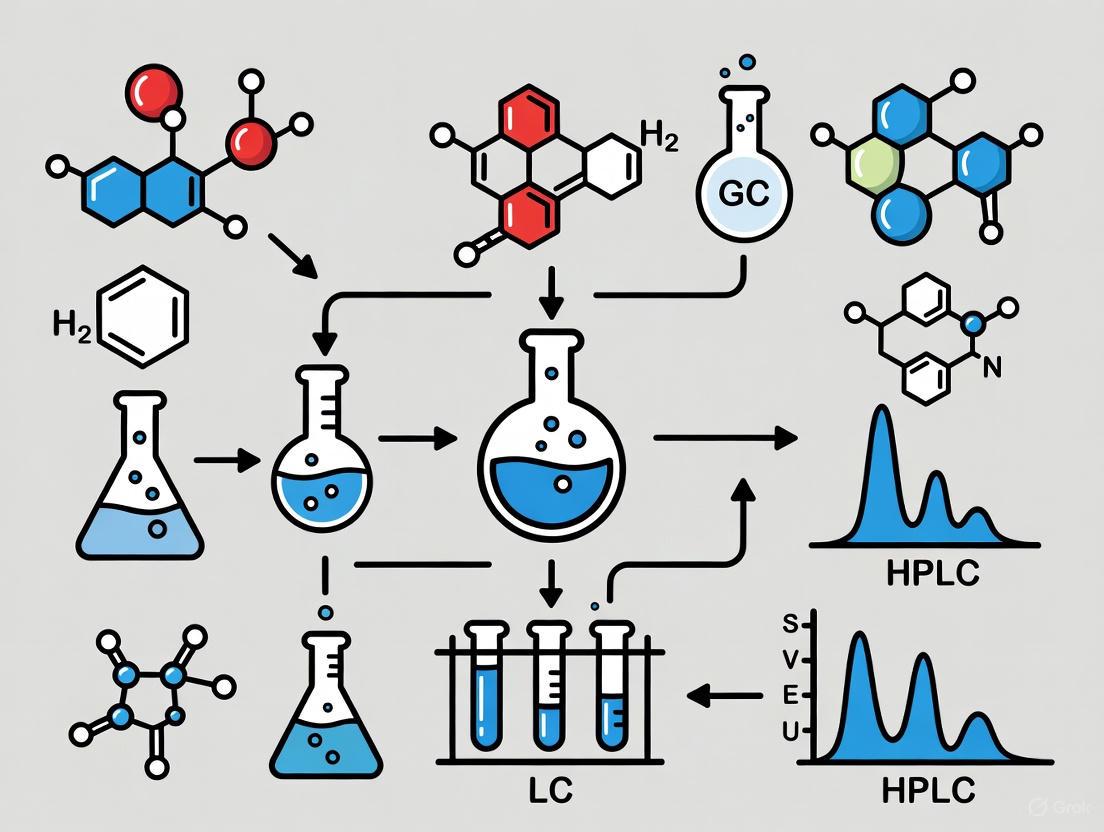
This guide provides researchers, scientists, and drug development professionals with a comprehensive framework for effectively showcasing chromatography skills on a resume.
How to List Chromatography Skills on Your Resume: A Complete Guide for Scientists
Abstract
This guide provides researchers, scientists, and drug development professionals with a comprehensive framework for effectively showcasing chromatography skills on a resume. It covers everything from listing fundamental techniques and instrumentation to detailing advanced method development, troubleshooting expertise, and validation experience. The article offers actionable strategies to communicate technical proficiency, demonstrate impact with quantifiable achievements, and optimize resumes for both Applicant Tracking Systems and hiring managers in the competitive life sciences industry.
Mastering the Fundamentals: Essential Chromatography Techniques and Concepts
Core Chromatography Techniques Every Scientist Should List
Chromatography stands as a cornerstone analytical technique central to advancements in pharmaceutical development, biomedical research, and quality control. For scientists and researchers, a nuanced understanding and demonstrated proficiency in core chromatography methods are invaluable assets, often forming a critical section on a technical resume. This guide details four essential chromatography techniques—High-Performance Liquid Chromatography, Size Exclusion Chromatography, Ion-Exchange Chromatography, and Affinity Chromatography—providing the foundational knowledge, experimental protocols, and data presentation formats needed to effectively communicate your expertise.
High-Performance Liquid Chromatography (HPLC)
Principle: HPLC separates compounds in a liquid sample by exploiting the differential affinities of its components for a stationary phase (column) and a mobile phase (solvent) pumped through the system at high pressure. Analytes are retained based on properties like polarity, and the retention time is used for identification and quantification [1] [2].
A typical reversed-phase HPLC method for analyzing small molecules involves:
- Mobile Phase Preparation: Prepare a mixture of water and acetonitrile, often with a pH modifier like acetic acid. Filter under vacuum and degas to remove particulates and gases.
- Standard and Sample Preparation: Dissolve reference standards and the unknown sample in the mobile phase or a compatible solvent. Serial dilution may be required to achieve the desired concentration range.
- System Setup: Equilibrate the column with the mobile phase at a set flow rate (e.g., 0.5 to 2.0 mL/min). Set pressure limits (e.g., min: 250 psi, max: 4000 psi) and detector parameters.
- Injection and Analysis: Inject a precise volume (e.g., 100 µL) of the sample. Data collection begins at injection and continues until all peaks of interest have eluted.
- Data Analysis: Identify analytes by comparing retention times to standards. Quantify by integrating peak areas and comparing to a calibration curve.
Key Technical Specifications
| Parameter | Typical Specification | Application Note |
|---|---|---|
| Stationary Phase | C18 (Octadecyl silane), C8, Silica | C18 is most common for reversed-phase analysis of small molecules [3]. |
| Flow Rate | 1-2 mL/min (HPLC); 0.2-0.7 mL/min (UHPLC) | UHPLC uses smaller particles and higher pressures [2]. |
| Detection | UV-Vis, PDA, Mass Spectrometry (LC-MS) | UV detection at 254 nm is common for many pharmaceuticals [1]. |
| Separation Mode | Isocratic or Gradient | Gradient elution uses a changing solvent composition for superior separation of complex mixtures [2]. |
Figure 1: A simplified workflow for a standard HPLC analysis.
Size Exclusion Chromatography (SEC)
Principle: Also known as gel filtration, SEC separates molecules in a solution based on their size (hydrodynamic volume) in an aqueous buffer [4].
- Column Selection: Choose a column packed with porous beads (e.g., dextran, agarose) with a pore size range suitable for the target molecules.
- Equilibration: Equilibrate the column with at least 5 column volumes of an appropriate buffer (e.g., phosphate-buffered saline).
- Sample Preparation & Load: If necessary, clarify the sample by centrifugation or filtration. Load a small volume (typically 1-2% of the column volume) to ensure good resolution.
- Elution and Fraction Collection: Isocratically elute the sample with the same buffer used for equilibration. Larger molecules elute first, followed by smaller ones. Fractions can be collected for further analysis.
- Analysis: Analyze the elution profile (chromatogram). The retention volume can be compared to a standard curve of known molecular weights to estimate the size of unknown analytes.
Key Technical Specifications
| Parameter | Typical Specification | Application Note |
|---|---|---|
| Stationary Phase | Dextran (Sephadex), Agarose (Sepharose) | Beads are characterized by their fractionation range [4]. |
| Mobile Phase | Aqueous buffer (e.g., PBS) | Buffer must maintain protein stability and prevent aggregation [4]. |
| Detection | UV-Vis, Refractive Index (RI), Light Scattering | Multi-angle light scattering (MALS) provides absolute molecular weight [4]. |
| Key Application | Protein oligomerization analysis, Polymer MW distribution | Ideal for separating monomers from aggregates in proteins [4]. |
Figure 2: The separation mechanism of Size Exclusion Chromatography.
Ion-Exchange Chromatography (IEC)
Principle: IEC separates ions and polar molecules based on their affinity for charged functional groups attached to a stationary phase. Separation depends on the strength of electrostatic interaction [5] [6].
- Column and Buffer Selection: Choose a cation exchanger (negative charge, e.g., sulfonate) for bases or an anion exchanger (positive charge, e.g., quaternary ammonium) for acids. Select a starting buffer with a pH that ensures the analyte and stationary phase have opposite charges.
- Equilibration: Wash the column with 5-10 column volumes of starting buffer until the effluent pH and conductivity are stable.
- Sample Application and Wash: Prepare the sample in the starting buffer or a lower ionic strength buffer. Load the sample and then wash with the starting buffer to remove unbound components.
- Elution: Retained analytes are eluted using a gradient of increasing ionic strength (e.g., with NaCl). Alternatively, a pH gradient can be used to neutralize the charge on the analyte or the stationary phase.
- Regeneration and Storage: Wash the column with a high-concentration salt solution (e.g., 1-2 M NaCl) to remove strongly bound species, then re-equilibrate in starting buffer or a storage buffer.
Key Technical Specifications
| Parameter | Typical Specification | Application Note |
|---|---|---|
| Stationary Phase | Strong Cation Exchanger (SO₃â»), Weak Anion Exchanger (NH₃âº) | Strong exchangers maintain charge over a wide pH range [5]. |
| Elution Method | Linear or step gradient of salt (NaCl, KCl) | Ionic strength gradient is the most common elution method [6]. |
| Detection | Conductivity, UV-Vis, Mass Spectrometry | Suppressor technology is used with conductivity detection to enhance sensitivity [6]. |
| Selectivity Order | For cations: Al³⺠> Ba²⺠> Pb²⺠> ... > Na⺠> H⺠> Li⺠[5] | Selectivity depends on ion charge and surface activity [6]. |
Affinity Chromatography
Principle: This technique purifies a biomolecule based on a highly specific biological interaction, such as between an antigen and antibody, an enzyme and a substrate, or a receptor and a ligand [7].
- Ligand Immobilization: Covalently couple a biospecific ligand (e.g., an antibody, glutathione, or metal ion) to a solid support like beaded agarose.
- Equilibration: Wash the affinity support with a binding buffer at physiological pH and ionic strength (e.g., PBS).
- Sample Application: Incubate the crude sample (e.g., cell lysate) with the affinity support to allow the target molecule to bind.
- Washing: Wash extensively with binding buffer to remove nonspecifically bound contaminants.
- Elution: Release the purified target molecule using an elution buffer. Conditions can be specific (e.g., a competitive ligand like glutathione for GST-tagged proteins) or nonspecific (e.g., low pH glycine buffer, high salt, or chaotropic agents).
Key Technical Specifications
| Parameter | Typical Specification | Application Note |
|---|---|---|
| Solid Support | Cross-linked beaded Agarose (CL-4B, CL-6B) | Agarose offers high porosity and low non-specific binding [7]. |
| Common Elution Buffers | 0.1 M Glycine•HCl (pH 2.5-3.0), 3.5 M MgCl₂ | Low pH is common but may denature some proteins; fractions should be neutralized immediately [7]. |
| Detection | UV-Vis at 280 nm | A single purification step can achieve >1000-fold purification [7]. |
| Key Application | Purification of His-tagged proteins, Antibodies (Immunoaffinity) | The most powerful technique for specific, high-purity isolations [7]. |
Figure 3: The core steps of an Affinity Chromatography purification.
Essential Research Reagents & Materials
A proficient scientist not only understands the techniques but also the key reagents and materials that ensure success.
| Item | Function & Technical Detail |
|---|---|
| C18 HPLC Column | The workhorse for reversed-phase separation of small molecules and peptides [3]. |
| SEC Beads (Agarose) | Porous matrix for separating biomolecules by size; choice of pore size is critical [4]. |
| Ion-Exchange Resin | Functionalized polymer (e.g., with sulfonate groups) for separating charged molecules [5]. |
| Immobilized Ligand | Biospecific agent (e.g., Protein A for antibodies) covalently attached to a solid support [7]. |
| SPE Cartridges | Used for sample clean-up and concentration prior to analysis; available in various chemistries (C18, Ion-Exchange) [3]. |
| Syringe Filters (0.22µm) | Critical for removing particulate matter from samples to prevent column clogging [3]. |
| HPLC-Grade Solvents | High-purity solvents (acetonitrile, methanol) to ensure low UV background and consistent results [1]. |
Mastering these four core chromatography techniques—HPLC, SEC, IEC, and Affinity Chromatography—equips a scientist with a versatile and powerful analytical toolkit. Effectively listing these skills on a resume requires more than just naming the techniques; it demands the ability to articulate a deep understanding of their principles, hands-on experience with their protocols, and insight into the critical reagents that drive successful separations. This comprehensive understanding demonstrates true technical prowess and is highly valued in research and drug development environments.
Proficiency in chromatography and mass spectrometry is a cornerstone of modern analytical science, particularly in pharmaceutical research and drug development. This technical guide details the essential instrumentation skills—from foundational High-Performance Liquid Chromatography (HPLC) and Gas Chromatography (GC) to advanced hyphenated systems like Liquid Chromatography-Mass Spectrometry (LC-MS)—that professionals must highlight to demonstrate competency. For scientists crafting their resumes, clearly articulating hands-on experience with these technologies is critical. The field is rapidly evolving, with current trends emphasizing high-throughput analysis, miniaturized systems, and the integration of artificial intelligence (AI) for data processing and instrument optimization [8]. Framing your skills within this context of innovation shows a forward-thinking and adaptable approach to potential employers.
Instrument proficiency extends beyond mere operation; it encompasses method development, validation, troubleshooting, and data interpretation. This guide provides a structured framework to help you list these competencies effectively, ensuring you communicate both the depth and breadth of your technical expertise.
Foundational Chromatography Methods
High-Performance Liquid Chromatography (HPLC) and Ultra-HPLC (UHPLC)
HPLC is a fundamental technique for separating, identifying, and quantifying compounds in a liquid mixture. It is particularly vital for analyzing thermally labile, non-volatile, or high-molecular-weight substances. The core principle involves forcing a pressurized liquid solvent (mobile phase) containing the sample mixture through a column packed with a solid adsorbent material (stationary phase). Components interact differently with the stationary phase, leading to separation.
- Key Applications: Analysis of pharmaceuticals, peptides, proteins, nucleic acids, and most small molecules in complex biological matrices.
- Skill Highlights for Resumes:
- Method Development and Validation: Expertise in selecting appropriate columns (C18, C8, phenyl, etc.), optimizing mobile phase composition (e.g., water/acetonitrile gradients with modifiers like formic acid), and validating methods as per ICH or other regulatory guidelines [9].
- UHPLC Operation: Experience with Ultrahigh-Performance Liquid Chromatography (UHPLC), which utilizes smaller particle sizes (<2 µm) and higher pressures to achieve faster separations with superior resolution and sensitivity [10] [9].
- Troubleshooting: Ability to diagnose and resolve issues related to pressure fluctuations, peak shape deterioration, and retention time shifts.
Gas Chromatography (GC) and GC-Mass Spectrometry (GC-MS)
GC is the technique of choice for separating volatile, thermally stable compounds. The sample is vaporized and injected onto a column, where it is carried by an inert gas mobile phase. Separation occurs based on the compound's volatility and interaction with the stationary phase coating the column walls.
- Key Applications: Analysis of fatty acids, steroids, environmental contaminants, residual solvents, and metabolites in urine for drug testing [11] [9].
- Skill Highlights for Resumes:
- Sample Preparation and Derivatization: Proficiency in techniques like solid-phase extraction (SPE) and chemical derivatization to increase analyte volatility and detectability for GC analysis [11].
- GC-MS Operation: Demonstrated experience coupling GC with mass spectrometry (GC-MS) for unambiguous identification and quantification. This includes operating and maintaining electron impact (EI) or chemical ionization (CI) sources [11].
- Data Interpretation: Skill in interpreting complex mass spectra and using library databases for compound identification.
Table 1: Comparison of Core Chromatography Techniques
| Feature | HPLC/UHPLC | GC |
|---|---|---|
| Sample Suitability | Non-volatile, thermally labile, ionic, high molecular weight | Volatile, thermally stable |
| Mobile Phase | Liquid (solvents) | Inert gas (e.g., He, Nâ‚‚) |
| Common Detectors | UV-Vis, Photodiode Array (PDA), Mass Spectrometry (MS) | Flame Ionization (FID), Mass Spectrometry (MS) |
| Typical Applications | Drug quantification, protein analysis, metabolomics | Fatty acid analysis, environmental monitoring, forensics |
| Key Skill to Highlight | Method development, gradient optimization, LC-MS/MS | Sample derivatization, inlet maintenance, GC-MS |
Advanced and Hyphenated Systems
Liquid Chromatography-Mass Spectrometry (LC-MS) and LC-Tandem MS (LC-MS/MS)
The coupling of liquid chromatography with mass spectrometry represents a powerful advancement, combining superior separation power with highly sensitive and specific detection. Electrospray Ionization (ESI) and Atmospheric Pressure Chemical Ionization (APCI) are the most common interfaces, gently ionizing analytes as they elute from the LC column for mass analysis [12].
- LC-MS/MS (Tandem Mass Spectrometry): This is the gold standard for quantitative bioanalysis in clinical and pharmaceutical settings. A triple quadrupole mass spectrometer is typically used, where the first quadrupole selects a precursor ion, the second (collision cell) fragments it, and the third analyzes the resulting product ions [12]. This Multiple Reaction Monitoring (MRM) mode provides exceptional specificity and sensitivity in complex samples like plasma or serum [9].
- Skill Highlights for Resumes:
- API Ionization Expertise: Deep understanding of optimizing ESI and APCI source parameters (e.g., nebulizer gas, vaporizer temperature, spray voltage) to maximize ionization efficiency and minimize ion suppression [13] [12].
- Quantitative LC-MS/MS Assay Development: Proven track record in developing, validating, and troubleshooting robust MRM assays for small molecules, peptides, and proteins [13].
- High-Throughput and Automated Methods: Experience with turbulent flow chromatography and other online sample preparation techniques to automate and increase analytical throughput [9].
Emerging Trends and Specialized Techniques
Staying current with technological trends is a valuable skill in itself. On your resume, mention familiarity with:
- Automation and AI: Using AI for instrument calibration, process optimization, and data analysis [8].
- Microfluidic and Chip-Based Systems: Employing micropillar array columns and chip-based designs for enhanced reproducibility and scalability, especially in proteomics [8].
- Complex Separation Challenges: Experience with specialized methods for "sticky" compounds like PFAS, mRNA, and nucleotide therapeutics [8].
- Sustainability Initiatives: Implementing methods with reduced solvent consumption and lower energy usage [8].
Experimental Protocols and Methodologies
Detailed Protocol: Development and Validation of a Quantitative LC-MS/MS Assay
This protocol outlines the key steps in developing a bioanalytical method for quantifying a small molecule drug in plasma, a common task in drug development [13] [9].
1. Sample Preparation:
- Protein Precipitation: Mix plasma sample (100 µL) with an internal standard solution and 300 µL of cold acetonitrile. Vortex and centrifuge to pellet proteins. Transfer the supernatant for analysis.
- Solid-Phase Extraction (SPE): Load sample onto an SPE cartridge, wash with aqueous solvent, and elute analytes with an organic solvent. Evaporate and reconstitute in mobile phase.
- Automated Online Extraction (e.g., Turbulent Flow Chromatography): Dilute sample and inject directly into a system that automatically performs online extraction and transfer to the analytical column, significantly increasing throughput [9].
2. LC-MS/MS Method Development:
- Chromatography Optimization:
- Column: Select a suitable column (e.g., C18, 2.1 x 50 mm, 1.7-1.8 µm particle size).
- Mobile Phase: Test different buffers (e.g., formic acid in water) and organic modifiers (acetonitrile vs. methanol) with gradient elution to achieve optimal separation and peak shape.
- Flow Rate: Optimize for resolution and speed (typical for UHPLC: 0.3-0.6 mL/min).
- Mass Spectrometry Optimization:
- Ionization: Determine whether ESI or APCI is more effective for the analyte.
- MRM Transitions: Using direct infusion, identify the precursor ion and the 2-3 most intense product ions for each analyte and internal standard. Optimize collision energy for each transition [12].
3. Method Validation: Following regulatory guidance (e.g., FDA), validate the assay for:
- Selectivity/Specificity: Demonstrate no interference from blank matrix.
- Accuracy and Precision: Assess using quality control samples at multiple concentrations.
- Linearity: Establish the calibration curve range.
- Matrix Effects: Evaluate ion suppression/enhancement using post-column infusion experiments [13].
Workflow Diagram: LC-MS/MS Quantitative Analysis
The following diagram visualizes the integrated workflow of a quantitative LC-MS/MS analysis, from sample to result.
The Scientist's Toolkit: Essential Research Reagents and Materials
A proficient scientist is not only skilled in instrument operation but also in selecting the appropriate consumables and reagents that are critical for a successful analysis.
Table 2: Key Research Reagent Solutions for Chromatography
| Item | Function & Importance |
|---|---|
| LC Columns (C18, C8, HILIC, etc.) | The heart of the separation. Choice of stationary phase chemistry, particle size (e.g., 1.7-5 µm), and dimensions directly impact resolution, speed, and sensitivity. |
| GC Columns (e.g., 5% Phenyl Polysiloxane) | Capillary columns with different stationary phases and film thicknesses are selected based on the polarity and volatility of the target analytes. |
| Mass Spectrometry Reference Materials | Certified Reference Materials (CRMs) are essential for instrument calibration, method validation, and ensuring data accuracy. Certificates should follow ISO Guides 31-35 [14]. |
| High-Purity Solvents & Mobile Phase Additives | LC-MS grade solvents and additives (e.g., formic acid, ammonium acetate) are critical to prevent ion suppression, background noise, and instrument contamination. |
| Solid-Phase Extraction (SPE) Cartridges | Used for sample clean-up and pre-concentration of analytes. Available in various chemistries (e.g., reverse phase, ion exchange) to selectively retain target compounds. |
| Derivatization Reagents (for GC) | Chemicals like MSTFA (N-Methyl-N-(trimethylsilyl)trifluoroacetamide) are used to modify analytes, making them more volatile and thermally stable for GC analysis [11]. |
| Stable Isotope-Labeled Internal Standards | Compounds like ¹³C or ²H-labeled analogs of the analyte are added to samples to correct for variability in sample preparation and ionization efficiency in quantitative MS [12]. |
| Einecs 306-377-0 | Einecs 306-377-0, CAS:97158-47-9, MF:C32H38ClN3O8, MW:628.1 g/mol |
| Einecs 287-139-2 | Einecs 287-139-2, CAS:85409-69-4, MF:C43H89N3O10, MW:808.2 g/mol |
Mastering the instrumentation from basic HPLC/GC to advanced LC-MS/MS systems is a multi-faceted endeavor. To effectively list these skills on a resume, move beyond simply naming instruments. Detail your specific achievements and technical capabilities, such as: "Developed and validated a high-throughput UHPLC-MS/MS method for quantifying immunosuppressants in whole blood, implementing turbulent flow chromatography to reduce sample preparation time by 70%," or "Became the lab expert in troubleshooting APCI source contamination for a GC-MS steroid panel." By framing your proficiencies within the context of concrete projects, results, and an awareness of current trends, you present yourself as a highly capable and strategic scientist poised to contribute significantly to any research and development team.
In the field of chromatography, expertise extends beyond instrument operation to encompass three fundamental supporting skills: sample preparation, calibration, and adherence to Standard Operating Procedures (SOPs). These skills form the critical foundation for generating reliable, reproducible, and defensible data in drug development and research. Within the context of resume development for chromatography professionals, highlighting competencies in these areas demonstrates a comprehensive understanding of the analytical workflow and a commitment to data integrity. Mastery of these skills is what distinguishes a competent scientist who merely operates instruments from one who ensures data quality and regulatory compliance [15] [16] [17].
This guide provides an in-depth technical overview of these essential supporting skills, detailing methodologies, best practices, and their direct impact on analytical outcomes. For researchers and scientists, effectively communicating this expertise on a resume is crucial for showcasing technical proficiency and attention to detail.
Sample Preparation: The Critical First Step
Sample preparation is the most pivotal step in the chromatographic workflow, as it directly influences the need for subsequent troubleshooting. As emphasized by experts at CHROMtalks 2025, effective sample preparation can preemptively eliminate a significant portion of potential analytical issues [15]. Proper techniques ensure that the sample introduced into the chromatographic system is clean, stable, and in a form suitable for accurate separation and detection.
Core Principles and Methodologies
The primary goal of sample preparation is to isolate target analytes from a complex sample matrix while minimizing interferences. This process can involve multiple techniques, each selected based on the sample properties and analytical requirements. Key objectives include:
- Removing potentially interfering substances to enhance signal-to-noise ratio
- Preconcentrating analytes to improve detection limits
- Converting analytes into a suitable form for chromatographic analysis
- Ensizing sample stability during storage and analysis
Essential Sample Preparation Techniques
The following table summarizes common sample preparation techniques used in chromatographic analysis, particularly in pharmaceutical and bioanalytical applications:
Table: Common Sample Preparation Techniques for Chromatography
| Technique | Principle | Primary Applications | Key Considerations |
|---|---|---|---|
| Liquid-Liquid Extraction (LLE) | Partitioning of analytes between two immiscible liquids based on solubility | Extraction of drugs from biological fluids; sample clean-up | Requires optimization of solvent polarity; may require large solvent volumes |
| Solid-Phase Extraction (SPE) | Selective adsorption and desorption of analytes using functionalized sorbents | Concentration and purification of analytes from complex matrices; desalting | Offers high selectivity and recovery; multiple sorbent chemistries available (C18, ion-exchange, mixed-mode) |
| Protein Precipitation | Denaturation and removal of proteins using organic solvents, acids, or salts | Rapid clean-up of biological samples (plasma, serum) | Simple and fast; may not remove all interferences effectively |
| Derivatization | Chemical modification of analytes to enhance detection or chromatographic behavior | Improving volatility for GC; enhancing detectability for UV/FL | Can improve sensitivity and selectivity; adds complexity to sample preparation |
Recent trends focus on developing greener microextraction techniques that minimize solvent usage while maintaining high extraction efficiency, as highlighted in current chromatography forums [15]. These include techniques such as solid-phase microextraction (SPME) and liquid-phase microextraction (LPME).
Impact on Chromatographic Performance
Proper sample preparation directly influences critical chromatographic parameters:
- Chromatographic Peak Shape: Inadequate cleaning can lead to matrix components binding to the column, causing peak tailing or broadening
- System Pressure: Particulate matter or precipitated matrix components can clog frits and tubing, increasing backpressure
- Detection Sensitivity: Co-extracted matrix components can quench or enhance detector response, affecting quantification accuracy
- Column Lifetime: Accumulation of matrix components on the column reduces column efficiency and longevity
As emphasized by Steven Lehotay at CHROMtalks 2025, "Better sample preparation reduces the need for troubleshooting in the first place" [15]. Investing time in optimizing sample preparation protocols yields significant returns in data quality and instrument reliability.
Calibration: Ensuring Analytical Accuracy
Calibration establishes the relationship between instrument response and analyte concentration, providing the foundation for quantitative analysis. A robust calibration strategy ensures that results are accurate, precise, and traceable to recognized standards.
Calibration Fundamentals and Procedures
Calibration in chromatography involves comparing the responses of unknown samples to those of standards with known concentrations. The calibration process follows a defined workflow to ensure accuracy and traceability:
Diagram: Instrument Calibration Workflow. This flowchart outlines the systematic approach to calibrating chromatographic instruments, emphasizing decision points and documentation requirements [16].
Calibration Methods in Chromatography
Chromatographic quantification employs several calibration approaches, each with specific applications and considerations:
Table: Chromatography Calibration Methods and Applications
| Calibration Method | Principle | When to Use | Advantages | Limitations |
|---|---|---|---|---|
| External Standard | Comparison of sample response to external calibration standards | Simple sample matrices; high method robustness | Simple implementation; minimal sample preparation | Vulnerable to injection volume variations; matrix effects |
| Internal Standard | Response normalized to a added compound with similar properties | Complex matrices; variable injection volumes; sample loss expected | Compensates for injection volume variability and sample loss | Requires finding suitable IS that doesn't co-elute with analytes |
| Standard Addition | Standards added directly to the sample matrix | Complex matrices with significant suppression/enhancement effects | Compensates for matrix effects effectively | Time-consuming; requires more sample; multiple injections needed |
Implementing and Maintaining Calibration
According to standard operating procedures, calibration must be performed using certified standards traceable to national or international standards [16]. Key implementation considerations include:
- Frequency: Critical instruments typically require calibration every six months, while non-critical instruments may be calibrated annually [16]
- Range: Calibration must cover the instrument's entire operational range, including minimum, maximum, and typical working concentrations
- Documentation: Each calibration event must be recorded with details of standards used, traceability information, instrument identification, and results
- Action on Failure: If an instrument fails calibration, it must be immediately removed from service, labeled "UNDER MAINTENANCE," and the failure investigated per incident reporting procedures [16]
Calibration in Chromatography Data Systems
Modern Chromatography Data Systems (CDS) automate much of the calibration process, offering:
- Automated Calculation of calibration curves using various regression models (linear, quadratic, weighted)
- Retention Time Windows for automated peak identification based on calibrated standards
- System Suitability Testing (SST) integration to ensure the analytical system is performing appropriately before sample analysis
- Audit Trail functionality that automatically records all calibration activities for regulatory compliance [17]
The CDS generates a Result Table that displays calibrated results with columns for retention time, response, calculated amount, amount percentage, and peak type, providing a comprehensive view of the analytical results [18].
Standard Operating Procedures (SOPs): Framework for Quality
SOPs provide the standardized framework that ensures consistency, compliance, and quality in all chromatographic operations. They document the approved methods and practices for instrumentation, analysis, and data handling.
SOPs in Regulated Chromatography Environments
In regulated environments such as pharmaceutical development, SOPs govern all aspects of chromatographic analysis. As outlined in chromatography SOPs, these documents detail:
- Responsibilities of analysts, project leaders, and quality assurance personnel [19]
- Specific instructions for operating liquid and gas chromatography systems
- Calibration requirements and schedules
- Documentation practices and data integrity measures
- Guidelines for manual integration and reprocessing of chromatograms
These procedures ensure compliance with established standards and regulatory requirements such as Good Manufacturing Practice (GMP) and Good Laboratory Practice (GLP) [17].
Core Components of Chromatography SOPs
A comprehensive chromatography SOP typically includes the following components based on standardized templates:
Table: Essential Components of a Chromatography SOP
| SOP Section | Content Description | Purpose |
|---|---|---|
| Objective | Clear statement of the SOP's purpose | Define the scope and goals of the procedure |
| Scope | Applicability to instruments, departments, and analyses | Delineate where and when the procedure applies |
| Responsibility | Roles and responsibilities for execution | Assign accountability for specific tasks |
| Accountability | Oversight and approval authority | Define quality oversight and management responsibility |
| Procedure | Step-by-step instructions for operations | Provide detailed, reproducible methods |
| Abbreviations | Definitions of acronyms and technical terms | Ensure consistent interpretation of terminology |
| References | Related documents, regulations, and standards | Provide context and connection to broader quality system |
Integration and Data Management Procedures
SOPs provide critical guidance on data handling practices, particularly for integration and review processes:
- Manual Integration: Specific circumstances under which manual integration is permitted must be defined, with clear scientific justification required for any reprocessing [19]
- Review Procedures: SOPs define the review process for chromatographic data, including verification of integration, calibration, and system suitability
- Audit Trail Review: In regulated environments, SOPs mandate regular review of electronic audit trails to detect unauthorized changes to data [17]
The Scientist's Toolkit: Essential Research Reagents and Materials
Successful execution of chromatography methods requires specific reagents and materials that ensure analytical reliability. The following table details essential items in the chromatographer's toolkit:
Table: Essential Research Reagent Solutions for Chromatography
| Item Category | Specific Examples | Function/Purpose | Technical Considerations |
|---|---|---|---|
| Reference Standards | Certified reference materials (CRMs), USP standards | Calibration and method validation; establishing accuracy and traceability | Must be traceable to national/international standards; require proper storage and handling |
| Internal Standards | Stable isotope-labeled analogs, structural analogs | Normalization of analytical response; compensation for variability | Should mimic analyte behavior but be chromatographically resolvable |
| Sample Preparation Sorbents | C18, ion-exchange, mixed-mode, polymeric sorbents | Selective extraction and clean-up of samples | Selection depends on analyte properties (polarity, pKa, molecular weight) |
| Mobile Phase Additives | Mass spectrometry: Formic acid, ammonium acetate; LC-MS grade solvents | Modifying separation selectivity and detection sensitivity | Must be HPLC or LC-MS grade; can significantly impact ionization efficiency in MS |
| System Suitability Solutions | Resolution mixtures, efficiency test mixtures, tailing factor solutions | Verifying chromatographic system performance before sample analysis | Should test critical parameters relevant to the analytical method |
| Einecs 286-938-3 | Einecs 286-938-3, CAS:85393-37-9, MF:C43H51ClN3O10P, MW:836.3 g/mol | Chemical Reagent | Bench Chemicals |
| Pyrenolide C | Pyrenolide C | Pyrenolide C is a 10-membered keto-lactone fungal metabolite with growth-inhibitory and morphogenic activity. For Research Use Only. Not for human use. | Bench Chemicals |
Demonstrating Expertise on Professional Resumes
Effectively communicating these supporting skills on a resume requires strategic presentation that highlights both technical competence and their impact on analytical outcomes.
Strategic Presentation of Supporting Skills
When listing chromatography skills on a resume, incorporate these supporting skills in multiple sections:
- Technical Skills Section: Create a dedicated subsection for "Sample Preparation," "Instrument Calibration," and "SOP Development/Compliance"
- Experience Descriptions: Use action verbs to describe achievements: "Implemented improved sample preparation protocol that reduced matrix effects by 30%," "Developed and validated calibration procedures for 15+ HPLC systems," "Authored SOPs for chromatographic data review that reduced compliance observations by 50%" [20]
- Quantifiable Achievements: Include metrics wherever possible: "Reduced sample preparation time by 25% through implementation of solid-phase extraction," "Maintained 100% on-time calibration schedule for department instruments" [20]
Aligning with Industry Expectations
Employers in pharmaceutical and research settings specifically seek candidates with demonstrated competencies in these supporting areas. Highlighting experience with regulatory compliance (GMP/GLP), method validation, and quality systems demonstrates a comprehensive understanding of the analytical environment beyond basic instrument operation [17].
Emphasize familiarity with Chromatography Data Systems (CDS) and their role in calibration maintenance, electronic record keeping, and audit trail functionality, as these are critical components of modern regulated laboratories [17].
Sample preparation, calibration, and SOP adherence represent the essential supporting framework that ensures the generation of reliable, defensible chromatographic data in drug development and research. Mastery of these skills distinguishes competent analytical scientists and represents a critical differentiator in professional advancement.
For chromatography professionals, effectively documenting these competencies on resumes and in professional development records is essential for career growth. By highlighting specific technical abilities, quantifiable achievements, and understanding of quality systems, scientists can position themselves as valuable contributors to any analytical organization.
How to Structure Your Skills Section for Maximum Clarity and Impact
For researchers, scientists, and drug development professionals, a resume is not merely a list of past jobs; it is a document arguing your capability to conduct rigorous, reproducible science. The skills section, therefore, becomes a critical catalog of your technical arsenal. Framed within the broader thesis of effectively listing chromatography skills, this guide provides a detailed methodology for structuring your skills to achieve maximum clarity and professional impact, ensuring your resume accurately reflects your scientific expertise.
The Strategic Foundation of Your Skills Section
Before structuring the content, one must understand the strategic goals a skills section must accomplish. It must be immediately scannable, rich with relevant keywords for both human readers and Applicant Tracking Systems (ATS), and provide concrete evidence of your proficiency [20] [21].
A successful skills section is not a random collection of techniques. It is a curated and organized presentation built on three pillars:
- Categorization: Grouping related skills allows a hiring manager to quickly assess your overall capabilities. A disorganized list forces them to hunt for relevant information.
- Quantification: Whenever possible, move beyond simply naming a skill. Use numbers, percentages, or outcomes to demonstrate the impact and level of your expertise [22].
- Relevance: Tailor your skills list for every application, prioritizing those mentioned in the job description. This demonstrates attention to detail and a genuine interest in the specific role [20] [23].
A Methodical Framework for Organizing Skills
Implementing the following structured approach will transform your skills section from a simple list into a compelling narrative of your technical qualifications.
Step 1: Create Thematic Skill Clusters
Organize your skills into logical, clearly labeled categories. This is the most effective way to guide the reader's eye and present a coherent picture of your abilities. The following table outlines recommended categories for a chromatography-focused resume.
| Category | Description & Purpose | Example Skills |
|---|---|---|
| Chromatographic Techniques [21] [23] | Showcases core hands-on experience with separation methods. | Gas Chromatography (GC), High-Performance Liquid Chromatography (HPLC), Liquid Chromatography-Mass Spectrometry (LC-MS), Ion Chromatography |
| Supporting Analytical Techniques [20] | Demonstrates a well-rounded analytical skill set beyond chromatography. | Mass Spectrometry (MS), Spectroscopy (UV-Vis, IR, NMR), Titrimetric Analysis, Calorimetry |
| Data Analysis & Software [21] [23] | Highlights computational proficiency and ability to interpret data. | Chromeleon, Empower, LabSolutions, MATLAB, Python, Statistical Analysis, Data Interpretation |
| Method Development & Validation [21] | Proves advanced ability to create, optimize, and qualify methods. | Method Development, Analytical Method Validation, Transfer of Methods, QC/QA, SOP Development |
| Laboratory & Compliance [21] [23] | Establishes foundational knowledge of lab safety and industry regulations. | Good Laboratory Practice (GLP), Good Manufacturing Practice (GMP), FDA/EPA Regulations, Laboratory Safety, HPLC Instrument Maintenance & Troubleshooting |
This categorical organization makes your skill set instantly digestible. A hiring manager can immediately see that you are not just a technician who operates an HPLC, but a scientist who develops methods, analyzes data with specific software, and operates within a regulated quality framework.
Step 2: Quantify Proficiency and Achievements
For each skill, especially your key techniques, strive to add a layer of quantification. This turns a passive statement of knowledge into an active demonstration of accomplishment. The methodology is to integrate these metrics directly into your bullet points, either in the skills section itself or, more powerfully, within the experience section of your resume.
The table below provides a protocol for translating common laboratory activities into quantified achievements.
| Skill/Activity | Experimental Protocol & Metrics | Quantified Resume Achievement |
|---|---|---|
| Method Development | Develop a new HPLC-UV method for a novel compound. Protocol: Optimize mobile phase composition, column temperature, and flow rate. Metrics: Achieve a resolution >1.5 and a run time under 10 minutes. | "Developed an HPLC-UV method that achieved baseline resolution (Rs>2.0) for a novel API, reducing analysis time by 30%." |
| Method Validation | Validate an analytical procedure per ICH guidelines. Protocol: Determine accuracy, precision, linearity, LOD, and LOQ. Metrics: Demonstrate precision with %RSD <2.0%. | "Validated a GC-MS method for trace impurity analysis, demonstrating high precision (intra-day %RSD <1.5%) in accordance with ICH guidelines." |
| Instrument Management | Perform routine calibration and maintenance on an HPLC system. Protocol: Execute performance qualification (PQ) tests, replace seals, and purge pumps. Metrics: Reduce instrument downtime. | "Managed a fleet of 3 HPLC systems, performing preventative maintenance that reduced unplanned downtime by 25%." |
| Sample Analysis | Conduct high-throughput analysis of stability samples. Protocol: Prepare and analyze 100+ samples per week using a validated UPLC method. Metrics: Maintain a high on-time result delivery rate. | "Analyzed 150+ chemical samples monthly using GC-FID, improving data reporting accuracy by 25%." |
This evidence-based approach is what separates a competent applicant from a standout candidate [22]. It provides tangible proof of your impact in a previous role.
Step 3: Tailor and Contextualize with Keywords
Finally, the content must be dynamically tailored for each job application. Analyze the job description to identify the specific techniques (e.g., GC-MS vs. LC-MS), instruments (e.g., "Agilent GC systems"), and regulatory standards (e.g., "GMP environment") the employer prioritizes [21]. Ensure these keywords are prominently featured in your skills clusters.
Furthermore, context is king. While the skills section is a centralized list, the most powerful way to demonstrate a skill is to describe its application in your "Work Experience" section. For example, a bullet point like "Utilized HPLC" is weak. Instead, write: "Applied HPLC for the purification of reaction mixtures, achieving >95% purity for all final compounds" [20]. This directly links the skill to a valuable scientific outcome.
Essential Research Reagent Solutions for the Chromatographer
A professional's expertise is also defined by their familiarity with essential laboratory materials and instruments. The following table details key components of the chromatographer's toolkit.
| Item | Function in Research & Analysis |
|---|---|
| HPLC/UPLC System | High-/Ultra-Performance Liquid Chromatography instrument for separating, identifying, and quantifying compounds in a liquid mixture [23]. |
| GC-MS | Gas Chromatography-Mass Spectrometry system for separating volatile compounds (GC) and then identifying them based on their mass-to-charge ratio (MS) [21]. |
| C18 Reverse-Phase Column | A widely used stationary phase for HPLC that separates molecules based on their hydrophobicity [23]. |
| Mass Spectrometer Detector | A detector that provides structural and molecular weight information for analyte identification and quantification, often coupled with a chromatograph [21] [24]. |
| Chromeleon/Empower Software | Chromatography Data System (CDS) software for instrument control, data acquisition, and result processing [21]. |
| LIMS (Laboratory Information Management System) | A software-based system for tracking samples, managing associated data, and streamlining laboratory workflows [21]. |
| Standard Reference Materials (SRMs) | Certified materials with known purity and composition used for instrument calibration, method validation, and quality control [23]. |
Workflow for Structuring an Impactful Skills Section
The process of building your skills section can be visualized as a logical workflow that moves from raw data to a tailored, professional presentation. The following diagram maps this process.
By adopting this structured, methodological approach—categorizing for clarity, quantifying for impact, and tailoring for relevance—you will craft a skills section that is not merely a list, but a powerful and convincing argument for your candidacy. It will demonstrate to any hiring manager in drug development or research that you are a precise, results-oriented, and highly skilled scientific professional.
Incorporating Industry Keywords to Pass Applicant Tracking Systems (ATS)
In the contemporary job market, particularly for technical roles in research and drug development, an Applicant Tracking System (ATS) functions as the first and most critical gatekeeper. By 2025, these systems have evolved into an integrated orchestration layer for recruitment, with sophisticated AI that does far more than simple keyword matching. They leverage predictive analytics and machine learning models trained on thousands of successful placements to forecast a candidate's potential success and fit for a specific role [25]. For scientists and researchers, this means a resume is no longer reviewed primarily by a human but is first screened, parsed, and scored by an algorithm. Analysis confirms that 87% of resumes with standard formatting successfully pass initial ATS screening, whereas 73% of creatively formatted resumes (those containing graphics, tables, or multiple columns) are rejected before human review [25]. The strategic inclusion of industry-specific keywords, particularly for a specialized skill set like chromatography, is therefore not an option but a necessity for a successful job search.
Foundational ATS Principles for Scientific Resumes
To effectively communicate with an ATS, a resume must satisfy two distinct filters: the machine and the human recruiter.
- Filter 1: Machine Compatibility: The path to passing the initial automated screening requires strict structural standardization. Utilizing universally recognized section headings (e.g., "Professional Experience," "Education," "Technical Skills") ensures information is correctly categorized and scored by the ATS parser [25]. A clean, single-column layout is essential, as complex formatting with columns, tables, or graphics significantly increases parsing errors. While PDFs are common, the
.docxformat often offers the best compatibility across all major ATS platforms [25]. - Filter 2: Human Engagement: Once the application passes the machine filter, its quality is measured by its impact on the human reviewer. A resume must tell a coherent career story, maintain clear and professional language, and—most importantly—include compelling, quantified achievement statements. Vague bullet points are flagged as low-value by AI analysis, whereas quantified statements instantly communicate the scope and impact of your contributions [26] [25].
The following diagram illustrates the dual-filter process every modern application must navigate.
Chromatography Skills: The ATS Keyword Lexicon
For researchers and drug development professionals, chromatography techniques represent a core competency. An ATS is programmed to scan for these specific technical terms. The following table catalogs the most sought-after chromatography skills and keywords based on recent job postings for analytical chemists, scientists, and laboratory analysts [21] [27] [28].
Table 1: Essential Chromatography Techniques and Associated Keywords for ATS Optimization
| Technique Category | Core Techniques & Acronyms | Associated Methods & Skills | Relevant Software & Tools |
|---|---|---|---|
| Liquid Chromatography | High-Performance Liquid Chromatography (HPLC), Liquid Chromatography-Mass Spectrometry (LC-MS, LC-MS/MS) | Method Development, Analytical Method Validation, Method Transfer, Purification, System Suitability Testing | Empower Software, LabSolutions, ChemStation, OpenLab [21] [28] |
| Gas Chromatography | Gas Chromatography (GC), Gas Chromatography-Mass Spectrometry (GC-MS), GC-FID | Method Development, Method Validation, Qualitative and Quantitative Analysis, Headspace Analysis | ChemStation, LabSolutions [21] |
| General Chromatography | Chromatography, Ion Chromatography, Thin-Layer Chromatography (TLC) | Method Development, Method Validation, Data Analysis, Troubleshooting | N/A |
| Supporting Skills | Good Laboratory Practice (GLP), Good Manufacturing Practice (GMP), Standard Operating Procedure (SOP), ICH Guidelines | Quality Control (QC), Quality Assurance (QA), Compliance, Regulatory Standards, Data Integrity | LIMS (Laboratory Information Management System), Electronic Lab Notebook (ELN) [21] [27] [29] |
Experimental Protocol: A Methodology for Keyword Integration
Merely listing skills in a dedicated section is insufficient. The following protocol provides a detailed methodology for integrating chromatography keywords throughout your resume to maximize ATS compatibility and human readability.
Extract & Analyze (Job Description Deconstruction)
- Objective: Identify the precise terminology used by the employer.
- Procedure: Systematically review the target job description. Highlight all technical skills, instruments, methodologies, and compliance standards mentioned (e.g., "HPLC method development," "GC-MS validation," "GMP environment"). Prioritize these keywords for integration [26].
Distribute & Contextualize (Strategic Keyword Placement)
- Objective: Demonstrate competency by proving keyword usage in a professional context.
- Procedure: Weave the prioritized keywords naturally into the bullet points of your "Professional Experience" section. Avoid "keyword stuffing," which can trigger ATS red flags. Instead, integrate them into descriptions of your responsibilities and, crucially, your achievements [25].
Quantify & Amplify (Achievement Articulation)
- Objective: Transform generic task descriptions into impactful, data-driven statements that both ATS and human recruiters value.
- Procedure: For every chromatography-related task, attach a quantifiable result. Use the Q-M-T (Quantity-Metric-Timeframe) framework:
Table 2: Transformation of Generic Statements into ATS-Optimized, Quantified Achievements
| Generic Statement (Low ATS Score) | ATS-Optimized & Quantified Achievement (High ATS Score) |
|---|---|
| "Responsible for HPLC analysis." | "Developed and validated a novel HPLC method for API, increasing sample throughput by 25% and reducing analysis time by 30%." |
| "Used GC-MS in the lab." | "Utilized GC-MS for complex quantitative analysis, improving the accuracy of results by 15% and supporting root-cause investigations for OOS (Out-of-Specification) results." |
| "Involved in method validation." | "Led the analytical method validation for a new drug product in accordance with ICH guidelines, resulting in a successful FDA submission with zero major deficiencies." |
| "Followed GMP and GLP." | "Maintained strict adherence to GMP/GLP protocols, resulting in a 100% compliance rate during internal and regulatory audits over a 3-year period." |
The Scientist's Toolkit: Essential Resume Reagents
Beyond the specific techniques, an effective scientific resume is constructed from several key components, or "research reagents," that are essential for a successful reaction—in this case, securing an interview.
Table 3: Key "Research Reagent Solutions" for Resume Construction
| Item | Function in the Resume "Experiment" |
|---|---|
| Action Verbs | To initiate a proactive and impactful description of experience. Examples: Spearheaded, Developed, Implemented, Optimized, Validated [30]. |
| Quantitative Data | To act as a catalyst, providing measurable evidence of impact and scope. Examples: percentages, timeframes, volumes, financial figures [26] [25]. |
| Industry Keywords | To serve as the specific substrate, ensuring recognition and a high match score within the ATS. Examples: HPLC, GMP, Method Validation [21] [27] [28]. |
| Compliance Standards | To function as a buffer, establishing a foundation of quality, safety, and regulatory knowledge. Examples: GLP, GMP, ICH Guidelines, OSHA, FDA Regulations [21] [29]. |
| Technical Software | To act as the specialized equipment, demonstrating proficiency with industry-standard data systems and instruments. Examples: Empower, LIMS, ChemStation, Microsoft Office Suite [21] [28]. |
| Benfluorex, (S)- | Benfluorex, (S)-, CAS:1333167-90-0, MF:C19H20F3NO2, MW:351.4 g/mol |
| Rucaparib metabolite M309 | Rucaparib Metabolite M309 |
In the highly competitive fields of research and drug development, passing the ATS is the first critical step in the hiring process. For professionals with chromatography skills, this requires a strategic, systematic approach to resume construction. By understanding the dual-filter system of machine and human review, mastering the ATS lexicon of chromatography keywords, and following an experimental protocol for integrating and quantifying these skills, candidates can significantly increase their chances of success. A resume must be more than a list of duties; it must be a data-rich document that proves competency to an algorithm and tells a compelling story of impact to a human recruiter.
From Theory to Practice: Demonstrating Real-World Chromatography Application
In the competitive fields of research and drug development, technical expertise in chromatography is not enough; professionals must convincingly communicate the value and impact of their work. While many scientists list chromatography as a skill on their resumes, few effectively quantify their achievements to stand out to hiring managers and recruiters. This guide provides a comprehensive framework for using performance metrics, data integrity measures, and quantitative outcomes to transform technical chromatography skills into compelling, evidence-based professional achievements. By adopting the methodologies and metrics used to evaluate chromatographic performance in regulated environments, you can present your skills within a context of quality, precision, and tangible impact that resonates with pharmaceutical and biotechnology employers.
Core Chromatography Performance Metrics: Measurement and Significance
Chromatography system performance is quantitatively assessed using specific metrics that evaluate separation efficiency, peak characteristics, and overall method robustness. Understanding and applying these metrics is fundamental to both analytical work and professional communication.
Key Column Performance Metrics
Chromatography column qualification relies primarily on two calculated parameters that assess packing uniformity and operational efficiency [31]:
Height Equivalent to a Theoretical Plate (HETP): HETP quantifies separation efficiency by correlating theoretical plate height to peak sharpness, with lower values indicating higher column efficiency [31]. HETP is calculated using the relationship:
N = 5.54 × (tᵣ/w₀.₅)² where N is the column plate number, tᵣ is retention time, and w₀.₅ is peak width at half height [31].
HETP = L/N where L is the column length [31].
Asymmetry Factor (Aâ‚›): This metric assesses flow uniformity through a column by measuring peak tailing or fronting [31]. It is determined using the relationship:
Aâ‚› = b/a where a and b are the peak half-widths at 10% of the peak height on the leading and tailing edges, respectively [31].
An optimally packed column typically demonstrates HETP values less than twice the particle diameter and asymmetry factors between 0.8 and 1.8, indicating uniform resin distribution and minimal flow irregularities [31].
Comprehensive LC-MS/MS System Metrics
For liquid chromatography-tandem mass spectrometry systems, performance monitoring expands to include 46 distinct metrics covering chromatographic performance, electrospray source stability, MS1 and MS2 signals, dynamic sampling of ions for MS/MS, and peptide identification [32]. Key metrics from this framework include:
- Chromatographic Peak Width at Half-Height: Median values and interquartile distances (measured in seconds) where sharper peaks and tighter distributions indicate better chromatographic resolution [32].
- Interquartile Retention Time Period: The time period over which 50% of peptides were identified, with longer times indicating better chromatographic separation [32].
- MS1 Signal Stability: Counts of significant signal fluctuations (>10x) between adjacent scans, which flag electrospray ionization instability [32].
These metrics typically display variations less than 10% and can reveal even subtle differences in performance of system components, making them ideal for quantifying improvements in method development and optimization work [32].
Separation Metrics Beyond Resolution
While resolution (Râ‚›) remains a widely accepted metric for separation quality between two peaks, it has limitations including lack of additivity and underestimation of actual peak capacity [33]. Alternative metrics provide more comprehensive assessment:
Peak Capacity (n): Approximates "the maximum number of peaks to be separated on a given column" [33]. For Gaussian peaks, this can be calculated as:
n = ¼ ∫(t₠to t₂) dt/σ where t₠and t₂ are boundaries of the separation space and σ is standard deviation [33].
Separation Measure (S): A proposed unified metric that represents the number of σ-wide subintervals between arbitrary time points t₠and t₂, providing a flexible, additive measure of separation power regardless of peak symmetry [33].
Experimental Protocols: Methodologies for Metric Generation
Column Qualification Protocol
Chromatography column qualification follows a standardized methodology to ensure accurate assessment of packing quality and performance [31]:
- Column Packing: Pack columns according to vendor-recommended procedures to achieve uniform resin distribution.
- System Equilibration: Equilibrate the column with an appropriate buffer until stable baseline is achieved.
- Tracer Injection: Inject a non-binding tracer (e.g., acetone or sodium chloride) to evaluate column performance without binding interactions.
- Data Collection: Record retention time, peak width at half height, and peak asymmetry parameters.
- Metric Calculation: Compute HETP and asymmetry factor using the equations in Section 2.1.
- Acceptance Criteria: Compare calculated values to established thresholds (HETP < 2× particle diameter; asymmetry factor 0.8-1.8).
This methodology ensures robust qualification that can be directly referenced in professional contexts as evidence of technical competency [31].
Data Integrity Assessment Protocol
Regulated laboratories implement systematic data integrity metrics to monitor analytical processes [34]:
- Automated Metric Generation: Implement systems that automatically generate metrics to avoid error-prone manual collection.
- Key Performance Indicators: Focus on critical metrics including invalidated out-of-specification (OOS) rate, data acquisition anomalies, and audit trail reviews.
- Regular Review Cycles: Establish scheduled management reviews of data integrity metrics with defined escalation paths.
- Corrective Actions: Implement CAPAs (Corrective and Preventive Actions) when metrics indicate potential integrity concerns.
The FDA's quality metrics guidance specifically identifies invalidated out-of-specification rate (IOOSR) as a key laboratory metric, defined as the number of OOS test results for lot release and long-term stability testing invalidated divided by the total number of OOS results [34].
LC-MS/MS Performance Monitoring Protocol
Implement comprehensive system performance assessment using the 46-metric framework [32]:
- System Suitability Testing: Perform replicate LC-MS/MS analyses of standard samples under identical conditions.
- Data Processing: Use specialized software to extract metrics directly from raw data files.
- Trend Analysis: Monitor metrics across multiple runs to identify performance drift or suboptimal operation.
- Component-Specific Optimization: Use metric patterns to identify specific system components requiring adjustment (LC system, MS instrument, or software settings).
This protocol enables quantitative assessment of technical improvements and troubleshooting effectiveness [32].
Quantitative Achievement Framework: From Metrics to Resume Statements
Translating technical metrics into professional achievements requires a structured approach that connects specific actions, quantitative outcomes, and business impact.
Table 1: Chromatography Performance Metrics and Professional Achievement Examples
| Metric Category | Specific Metric | Baseline Performance | Improved Performance | Resume Achievement Statement |
|---|---|---|---|---|
| Column Efficiency | HETP | 12 μm (pre-optimization) | 8 μm (post-optimization) | "Reduced HETP by 33% through optimized packing protocols, enhancing separation efficiency for protein purification" |
| Peak Characteristics | Asymmetry Factor | 1.9 (tailing) | 1.1 (symmetric) | "Normalized peak asymmetry from 1.9 to 1.1 by modifying mobile phase composition, reducing tailing and improving quantification accuracy" |
| Method Speed | Analysis Time | 22 minutes | 15 minutes | "Accelerated analytical throughput by 32% through gradient optimization while maintaining resolution >2.0" |
| Data Quality | Invalidated OOS Rate | 5.2% | 1.8% | "Slashed invalidated OOS rate by 65% via enhanced system suitability testing, reducing investigation costs by $45K annually" |
| System Utilization | Peak Capacity | 180 | 240 | "Increased peak capacity by 33% through column chemistry selection, enabling characterization of more complex mixtures" |
Achievement Formulation Methodology
Effective resume statements follow a consistent structure that demonstrates impact:
- Action Verb: Begin with a strong, action-oriented verb (Developed, Optimized, Reduced, Implemented).
- Technical Action: Describe the specific technical intervention or improvement.
- Quantitative Outcome: Include the measurable result with specific metrics.
- Business/Research Impact: Connect the technical outcome to broader organizational goals.
Example: "Implemented a new High-Performance Liquid Chromatography (HPLC) technique, resulting in a 30% overall reduction in sample analysis time while maintaining data quality for regulatory submissions" [21].
Visualization Framework: Chromatography Metric Relationships
Effective communication of technical achievements benefits from clear visual representations of relationships between chromatography concepts and metrics.
Diagram 1: Chromatography Metrics Hierarchy
Diagram 2: Metric-Driven Achievement Workflow
The Scientist's Toolkit: Essential Research Reagent Solutions
Chromatography achievements depend on proper selection and application of specialized materials and software. The table below details key resources referenced in the search results.
Table 2: Essential Chromatography Materials and Software Solutions
| Item Category | Specific Tool/Reagent | Function in Chromatography | Application Context |
|---|---|---|---|
| Qualification Tracers | Acetone / Sodium Chloride | Non-binding tracers for column performance evaluation without binding interactions | Column qualification protocols [31] |
| Data Analysis Software | OpenLab CDS | Provides peak assessment, purity analysis, and visualization tools for chromatographic data interpretation | Routine data analysis in regulated environments [35] |
| Separation Media | HPLC Columns (Various chemistries) | Stationary phases that separate compounds based on chemical properties | Method development and optimization |
| Mass Spectrometry Software | Spectral Libraries (e.g., NIST) | Reference databases for compound identification by mass spectrum matching | LC-MS/MS compound confirmation [35] |
| Regulatory Compliance Tools | Electronic Audit Trail Systems | Automated tracking of data modifications and system access | Data integrity assurance in GMP/GLP environments [34] |
| Einecs 286-867-8 | Einecs 286-867-8, CAS:85392-10-5, MF:C15H24N8S4, MW:444.7 g/mol | Chemical Reagent | Bench Chemicals |
| Estradiol-3b-glucoside | Estradiol-3b-glucoside|High Purity|For Research | Estradiol-3b-glucoside, a key estrogen metabolite. This product is for research use only (RUO) and is not intended for diagnostic or personal use. | Bench Chemicals |
Implementation Strategy: Integrating Metrics into Professional Documentation
Successfully showcasing chromatography achievements requires strategic presentation throughout professional materials.
Resume Integration Techniques
- Skills Section: List specific technical capabilities with associated metrics (e.g., "HPLC Method Development: Reduced analysis time 30% while maintaining resolution >2.0") [21].
- Experience Section: Begin bullet points with action verbs followed by quantitative outcomes (e.g., "Optimized GC-MS method, increasing sample throughput by 40% and reducing detection limits by 50% for target analytes") [23].
- Project Highlights: Include specific metrics in project descriptions to demonstrate technical scope and achievement scale.
Interview Discussion Framework
When discussing chromatography achievements in interviews, apply the STAR (Situation, Task, Action, Result) framework with emphasis on the quantitative Result component:
- Situation: Briefly describe the technical challenge or opportunity.
- Task: State the specific objective or goal.
- Action: Explain the technical interventions implemented.
- Result: Present the quantitative outcomes using specific metrics and connect to broader impact.
Professional Development Planning
- Metric Tracking: Maintain detailed records of method performance improvements, system optimization results, and troubleshooting successes.
- Skill Certification: Pursue recognized certifications in chromatography methodologies and document the quantitative competencies demonstrated.
- Continuous Learning: Stay current with emerging metrics and monitoring approaches, such as the 46 LC-MS/MS performance metrics [32] and data integrity monitoring frameworks [34].
In competitive research and drug development environments, the ability to quantify and effectively communicate technical impact separates exceptional candidates from merely qualified ones. By systematically applying the metrics, methodologies, and communication frameworks presented in this guide, chromatography professionals can transform their technical expertise into compelling evidence of their ability to generate measurable results. The integration of performance metrics, data integrity measures, and quantitative outcomes into professional documentation creates a powerful narrative of competence, precision, and value that resonates with hiring managers and advances research careers.
This guide provides a structured methodology for researchers and drug development professionals to reframe technical chromatography skills as measurable, value-driven accomplishments on a resume. By moving beyond passive task listings to proactive achievement statements, scientists can significantly enhance the impact and visibility of their resumes with both Applicant Tracking Systems (ATS) and hiring managers. The framework integrates action verbs, quantitative metrics, and strategic keyword integration, all contextualized within the broader thesis of optimizing resume presentation for chromatography expertise.
The Imperative for an Action-Oriented Resume
In competitive fields like drug development, a resume must immediately communicate not just capability, but impact. Applicant Tracking Systems (ATS) are calibrated to scan for specific keywords and phrases related to technical skills like High-Performance Liquid Chromatography (HPLC) and Method Development [27] [21]. However, passing an ATS is only the first hurdle; the human reviewer seeks evidence of application and results. A passive list of duties fails to differentiate a candidate, whereas framing experiences as proactive accomplishments demonstrates critical thinking, problem-solving, and direct contribution to organizational goals. This strategic shift is essential for effectively showcasing chromatography research and its role in advancing pharmaceutical projects.
Strategic Framework for Chromatography Skill Articulation
The following section outlines a core methodology for translating technical responsibilities into compelling resume bullet points.
The Anatomy of an Accomplishment Statement
An effective accomplishment statement is built upon three pillars, which work together to create a powerful narrative of your experience:
- Action Verb: The initiator that frames your role as proactive and decisive.
- Quantifiable Metric: The evidence that provides scale, magnitude, and tangible proof of your success.
- Technical Keyword & Context: The specific skill and its application, ensuring ATS compatibility and technical relevance.
This structure transforms a passive task into a proactive achievement. The diagram below illustrates the logical workflow for constructing these statements, from identifying a core skill to articulating a quantified result.
Action Verb Lexicon for Chromatography Professionals
The choice of action verb sets the tone for the accomplishment. The table below categorizes powerful verbs aligned with common chromatography-related activities.
Table 1: Action Verbs for Chromatography Tasks
| Category | Action Verbs | Ideal For... |
|---|---|---|
| Method Development & Optimization | Developed, Engineered, Optimized, Pioneered, Redesigned | Creating new HPLC/LC-MS methods, improving existing protocols, enhancing separation techniques [27]. |
| Analysis & Problem-Solving | Analyzed, Investigated, Diagnosed, Resolved, Troubleshot | Identifying impurities, determining root causes of analytical issues, interpreting complex data [23]. |
| Leadership & Initiative | Spearheaded, Led, Managed, Initiated, Coordinated | Leading a project team, managing method validation studies, coordinating cross-functional testing [36]. |
| Efficiency & Impact | Streamlined, Accelerated, Reduced, Increased, Consolidated | Improving throughput, cutting analysis time, reducing costs or errors, increasing accuracy [27] [37]. |
| Implementation & Compliance | Implemented, Validated, Calibrated, Maintained, Ensured | Bringing new equipment online, executing validation protocols, adhering to GLP/GMP [21] [38]. |
Quantifying Chromatography Accomplishments
Metrics provide objective evidence of your contributions. The following table offers standard and advanced metrics relevant to chromatography work.
Table 2: Metrics for Quantifying Chromatography Impact
| Metric Category | Standard Metrics | Advanced/Strategic Metrics |
|---|---|---|
| Efficiency | - Sample throughput (e.g., "increased by 30%") [27]- Analysis time (e.g., "reduced by 35%") [21]- Turnaround time (e.g., "decreased by 20%") [37] | - Reduction in project timelines (e.g., "by 15%") [27]- Resource savings (e.g., "reduced reagent waste by 10%") [38] |
| Quality & Accuracy | - Data accuracy (e.g., "improved by 20%") [27]- Error rate (e.g., "reduced errors by 25%") [21]- Method robustness (e.g., "improved reproducibility by 15%") [37] | - Compliance (e.g., "reduced non-compliance issues by 80%") [21]- Detection limits (e.g., "lowered detection limit by 50%") [23] |
| Financial & Operational | - Cost savings (e.g., "10% cost improvement") [21]- Equipment utilization (e.g., "reduced downtime by 15%") [38] | - Project/value (e.g., "project valued at $2M") [36]- Team/Scope (e.g., "managed a team of 5 analysts") [21] |
Experimental Protocol for Resume Development
This section provides a detailed, step-by-step methodology for applying the action verb strategy to your resume.
Materials and Reagents
Table 3: Research Reagent Solutions for Resume Development
| Item | Function |
|---|---|
| Master Job Description | The target template; provides keywords, required skills, and context for tailoring application materials [38]. |
| Current Resume Draft | The initial sample containing raw data on experience, skills, and prior roles. |
| Industry-Appropriate Keywords | Critical reagents for ATS reaction; include techniques (HPLC, LC-MS, GC), regulations (GMP, GLP), and processes (Method Validation, Quality Control) [27] [21]. |
| Accomplishment Inventory | A self-compiled list of all projects, achievements, and solved problems from your career. |
Methodology
- Extraction and Analysis: Meticulously review your current resume and professional history. Identify all bullet points that are simple task listings (e.g., "Responsible for HPLC operation").
- Keyword Hybridization: Cross-reference the keywords from your inventory with those found in your target job descriptions. Prioritize the most relevant terms for inclusion [38].
- Synthesis of Accomplishments: For each task-based bullet point, apply the framework from Section 2.1. Select a powerful verb from Table 1 and integrate it with your technical keywords and a quantifiable metric from Table 2.
- Purification and Validation: Scrutinize each new accomplishment statement for clarity, impact, and truthfulness. Ensure metrics are accurate and not exaggerated. Remove any vague or weak language.
Data Analysis and Expected Results
The successful application of this protocol will transform your resume's content. The table below demonstrates the stark contrast between passive task listings and proactive accomplishment statements.
Table 4: Before-and-After Analysis of Resume Statements
| Category | Before: Passive Task Listing | After: Proactive Accomplishment Statement |
|---|---|---|
| Method Development | "Experience with HPLC method development." | "Developed and validated a novel HPLC method, reducing sample analysis time by 30% and improving throughput by 25%." [27] |
| Instrumentation | "Operated and maintained GC-MS systems." | "Troubleshot and resolved recurring GC-MS calibration issues, increasing data accuracy by 15% and reducing instrument downtime by 20%." [21] |
| Compliance & QA | "Followed GLP and GMP in the lab." | "Implemented a new SOP for Analytical Method Validation, ensuring 100% compliance with GLP/GMP and decreasing project timelines by 15%." [27] |
| Team Leadership | "Responsibilities included training junior staff." | "Mentored and trained a team of 5 junior analysts on LC-MS operation and data interpretation, elevating the team's overall compliance and productivity." [27] [36] |
For scientists in research and drug development, a resume must be a document of evidence, not just experience. The strategic use of action verbs, coupled with rigorous quantification and relevant technical keywords, reframes foundational chromatography skills as proactive, valuable accomplishments. This methodology ensures that a candidate's expertise in areas like LC-MS operation or analytical method validation is perceived as direct contributions to laboratory efficiency, product quality, and regulatory success. By adopting this focused approach, professionals can effectively communicate their true impact and secure opportunities to advance their careers.
In the competitive fields of research and pharmaceutical development, effectively showcasing your technical expertise in method development and validation is a significant career differentiator. This comprehensive guide details the core principles and practical execution of robust analytical method development and validation, providing you with the concrete, quantifiable knowledge needed to articulate these high-value skills on your resume with authority and precision.
Mastering this domain demonstrates more than just technical competence; it shows your ability to generate reliable, regulatory-compliant data—a crucial skill across the pharmaceutical, biotechnology, and analytical services industries. We will deconstruct the entire lifecycle, from initial method scouting through final validation, equipping you to confidently describe your hands-on experience and its impact on product quality.
The Pillars of HPLC Method Development
High-Performance Liquid Chromatography (HPLC) is a cornerstone analytical technique. Its method development is a systematic process that ensures the resulting procedure is fit for its intended purpose [39].
A Structured Workflow for Success
The following diagram outlines the critical stages of the HPLC method development workflow, highlighting its iterative nature.
Diagram 1: The HPLC method development workflow, from scoping to validation.
Critical Development Decisions
Sample Preparation: The foundation of a successful analysis [40]. Sample preparation is central to converting samples into a suitable form, removing interfering matrix components, and concentrating analytes. Key techniques include dilution, filtration, protein precipitation, liquid-liquid extraction, and solid-phase extraction, each selected based on the sample matrix and analytes of interest [40].
Method Selection: The choice of HPLC mode is dictated by the analyte's properties. Reversed-phase (RPLC) is suitable for polar analytes, while normal-phase is better for low/medium polarity compounds, particularly for separating isomers [39]. The initial column of choice is typically a C18 bonded phase for reversed-phase, or a cyano-bonded phase for normal-phase, using short columns (10-15 cm) with 3 or 5 μm particles to speed up method development [39].
Detector Selection: This choice depends on the analytes' detectability and the required sensitivity. UV detection is common for chromophoric compounds, while fluorescence or electrochemical detectors offer greater selectivity and sensitivity for trace analysis [39].
The Method Validation Framework: Proving Method Reliability
Method validation is the formal process of demonstrating that an analytical procedure is suitable for its intended use [40] [41]. It provides documented evidence that the method consistently produces reliable results.
Core Validation Parameters and Acceptance Criteria
For a method to be deemed validated, its performance must be quantitatively assessed against a set of standard parameters. The table below summarizes the key parameters, their definitions, and typical experimental protocols and acceptance criteria for a quantitative impurity method.
Table 1: Key Validation Parameters, Protocols, and Acceptance Criteria
| Validation Parameter | Definition & Purpose | Typical Experimental Protocol | Common Acceptance Criteria (e.g., for Impurities) |
|---|---|---|---|
| Specificity | Ability to measure the analyte accurately despite interfering components [41] [42]. | Analyse blank, placebo, and analyte spiked with impurities/degradants. Confirm peak purity via PDA or MS [41] [42]. | Baseline resolution (Rs >1.5) from all other peaks. Peak purity test passes [41]. |
| Accuracy | Closeness of agreement between the accepted reference value and the value found [42]. | Spike analyte at multiple levels (e.g., 50%, 100%, 150% of target) into placebo/matrix. Minimum 9 determinations (3 levels/3 replicates) [41] [42]. | Recovery of 98–102% for API; sliding scale for impurities (e.g., ±10% at 1% level) [41]. |
| Precision | Repeatability: Precision under identical conditions over short time [42].Intermediate Precision: Precision within the same lab (different days, analysts, equipment) [42]. | Repeatability: 6 injections of 100% test concentration or 9 determinations over specified range [42].Inter. Precision: Two analysts, different days, different HPLC systems [41] [42]. | Repeatability: RSD ≤ 2.0% for assay; higher for low-level impurities [41].Inter. Precision: RSD ≤ 3.0% for assay; no significant statistical difference between analysts [42]. |
| Linearity & Range | Linearity: Ability to get results proportional to analyte concentration [42].Range: Interval between upper/lower concentration with suitable precision/accuracy/linearity [42]. | Minimum 5 concentration levels across specified range [42]. For impurities: reporting threshold to 120% of specification [41]. | Correlation coefficient (r²) > 0.998. Visual inspection of residuals [42]. |
| LOD & LOQ | LOD: Lowest concentration that can be detected [42].LOQ: Lowest concentration that can be quantified with acceptable precision/accuracy [42]. | Based on Signal-to-Noise: LOD (3:1), LOQ (10:1). Or via standard deviation of response and slope: LOD= 3.3σ/S, LOQ= 10σ/S [42]. | Precision at LOQ: RSD ≤ 5-10%. Accuracy at LOQ: 80–120% recovery [42]. |
| Robustness | Measure of method capacity to remain unaffected by small, deliberate variations in method parameters [40]. | Deliberately vary parameters (e.g., column temp. ±2°C, mobile phase pH ±0.1, flow rate ±10%). Evaluate impact on system suitability [40]. | All system suitability criteria (e.g., resolution, tailing) met despite variations [40]. |
The Experimental Protocol for Accuracy Validation
A standard protocol for validating accuracy, a cornerstone parameter, is detailed below. This can be directly referenced as a representative example of rigorous laboratory practice.
- Objective: To demonstrate that the method provides results that are accurate and free from matrix interference over the specified range [41] [42].
- Experimental Procedure:
- Preparation: Prepare a placebo mixture matching the drug product formulation (without API). For a drug substance, use the diluent [41].
- Spiking: Spike the placebo/diluent with the analyte (API or impurity) at a minimum of three concentration levels (e.g., 50%, 100%, and 150% of the target test concentration) [42]. Prepare three independent samples at each level.
- Analysis: Analyse each sample according to the proposed method.
- Calculation: For each preparation, calculate the percentage recovery of the analyte using the formula:
% Recovery = (Measured Concentration / Spiked Concentration) × 100 - Reporting: Report the individual recoveries, mean recovery, and relative standard deviation (RSD) at each level. The overall mean recovery and RSD across all nine determinations should also be calculated [41] [42].
Implementing a Modern Framework: Quality by Design (QbD)
Modern method development is increasingly guided by Quality by Design (QbD) principles, a systematic, science-based approach outlined in ICH Q8 [43] [44]. Instead of a purely empirical approach, QbD builds quality into the method from the start by understanding how variables affect performance.
The QbD Workflow: From Target to Control
The core of QbD is a structured process that moves from defining the goal to establishing a control strategy to maintain method performance throughout its lifecycle.
Diagram 2: The Quality by Design (QbD) workflow for analytical methods.
Key QbD Concepts and Terminology
- Quality Target Product Profile (QTPP): A prospective summary of the quality characteristics of the method, ensuring it is suitable for its intended use [43] [44].
- Critical Quality Attributes (CQAs): Method parameters that have a direct impact on the quality of the results, such as resolution, tailing factor, and accuracy [43]. These are identified through risk assessment.
- Method Operational Design Space: The multidimensional combination and interaction of method variables (e.g., pH, column temperature, gradient time) that have been demonstrated to provide assurance of quality [43]. Operating within this space is not considered a change, providing regulatory flexibility.
- Control Strategy: A set of controls derived from current product and process understanding that ensures method performance [43]. This includes system suitability tests (SSTs) that are run with each analysis to ensure the method is performing as validated.
The Scientist's Toolkit: Essential Research Reagents & Materials
A deep familiarity with the tools of the trade is a key component of practical expertise. The following table outlines critical materials and reagents used in HPLC method development and validation.
Table 2: Essential Reagents and Materials for HPLC Method Development
| Item | Function & Application | Key Considerations |
|---|---|---|
| HPLC Columns | The stationary phase where chromatographic separation occurs [39]. | C18: Most common for reversed-phase. Cyano: Easier alternative to plain silica for normal-phase. Particle Size: 3-5 μm for balance of efficiency and pressure [39]. |
| Mobile Phase Solvents | The liquid that carries the sample through the column [39]. | Water, Acetonitrile, Methanol: Primary solvents for reversed-phase. Must be HPLC-grade to minimize UV background noise and ghost peaks. |
| Buffers & Additives | Control pH and ionic strength to optimize separation of ionizable analytes [39]. | Common Buffers: Phosphate, acetate (UV transparent). Volatile Additives: Formic acid, ammonium formate (for LC-MS). Must be compatible with detector. |
| Reference Standards | Highly characterized substances used to confirm identity, potency, and purity [41]. | Required for system suitability, calibration, and quantifying impurities. Purity and stability must be well-established. |
| Sample Preparation Materials | Used for filtration, extraction, and clean-up [40]. | Syringe Filters: Prevent column clogging. Solid-Phase Extraction (SPE) Cartridges: Selective purification and concentration of analytes from complex matrices [40]. |
| 3X8QW8Msr7 | 3X8QW8MSR7|C15H16BrN3S|RUO | High-purity 3X8QW8MSR7 (C15H16BrN3S) for laboratory research. This product is For Research Use Only and not for human or veterinary diagnosis or therapeutic use. |
| Nandrolone nonanoate | Nandrolone Nonanoate |
Articulating Expertise on Your Resume
To translate this technical knowledge into compelling resume content, focus on outcomes, responsibilities, and the application of modern frameworks.
Quantify Your Impact: Use numbers to describe the scope and success of your work. For example: "Developed and validated a stability-indicating HPLC method for a new API, reducing run time by 30% to 12 minutes while maintaining resolution >2.0." Or, "Led method validation, establishing LOQ at 0.05% for key impurities, ensuring compliance with ICH guidelines."
Incorporate Strategic Keywords: Utilize precise terminology. List skills like "HPLC/UHPLC Method Development & Validation," "Quality by Design (QbD)," "ICH Guidelines (Q2(R1), Q8, Q9)," "Forced Degradation Studies," "Risk Assessment & Management," and "Design of Experiments (DoE)."
Showcase Progressive Responsibility: Frame your experience to show growth. Instead of "Ran validation tests," write "Designed and executed the validation protocol for a late-phase drug product method, defining acceptance criteria and authoring the final report for regulatory submission." This demonstrates ownership and strategic thinking.
This technical guide details the application of chromatographic techniques within pharmaceutical, environmental, and clinical fields. The content is framed to equip researchers and scientists with the practical knowledge to effectively describe and list these in-demand chromatography skills on their resumes.
Chromatography in Pharmaceutical Analysis
Chromatography is a cornerstone of pharmaceutical development and quality control, essential for ensuring drug safety and efficacy [45].
Key Applications & Techniques
| Application | Analytical Goal | Common Chromatographic Technique(s) | Specific Example |
|---|---|---|---|
| Drug Purity Testing | Identify and quantify impurities and degradation products in active pharmaceutical ingredients (APIs) [45]. | HPLC, LC-MS, GC-MS | Detection of genotoxic impurities in a drug substance below 10 ppm [45]. |
| Pharmacokinetic Studies | Measure drug concentration in biological fluids over time to understand absorption, distribution, metabolism, and excretion (ADME) [45]. | LC-MS/MS, HPLC | Quantifying drug and its metabolites in plasma to calculate half-life and bioavailability [45]. |
| Formulation Analysis | Assay the active ingredient and ensure uniformity in final dosage forms (tablets, creams, injections) [45]. | HPLC, UPLC | Verifying that each tablet contains 95-105% of the labeled API amount as per USP monographs [45]. |
| Biologics Characterization | Analyze complex biomolecules like proteins, antibodies, and oligonucleotides [23]. | LC-MS, IEC (Ion Exchange Chromatography), SEC (Size Exclusion Chromatography) | Peptide mapping of a monoclonal antibody to confirm amino acid sequence and post-translational modifications [23]. |
Detailed Protocol: Drug Impurity Profiling Using HPLC-UV
Objective: To identify and quantify unknown impurities in a finished drug product.
Methodology:
- Sample Preparation: Crush and homogenize 10 tablets. Accurately weigh a portion equivalent to one dose and dissolve in a suitable solvent (e.g., methanol:water mixture). Sonicate and centrifuge to obtain a clear supernatant [45].
- Instrumentation: High-Performance Liquid Chromatography (HPLC) system equipped with a UV-Vis or Photodiode Array (PDA) detector [45].
- Chromatographic Conditions:
- Column: C18 reversed-phase column (e.g., 150 mm x 4.6 mm, 5 µm).
- Mobile Phase: A: 0.1% Formic acid in water; B: 0.1% Formic acid in acetonitrile.
- Gradient: 5% B to 95% B over 25 minutes.
- Flow Rate: 1.0 mL/min.
- Detection: UV at 254 nm.
- Injection Volume: 10 µL.
- Qualitative Analysis: Compare the retention times of impurity peaks in the sample chromatogram against those of known reference standards. Use UV spectral data from the PDA detector for further confirmation [45].
- Quantitative Analysis:
- Calibration Curve: Prepare and analyze a series of standard solutions with known concentrations of the impurity. Plot peak area versus concentration to generate a linear calibration curve [45] [46].
- Calculation: Use the calibration curve equation to determine the concentration of the impurity in the sample based on its peak area. Report the impurity as a percentage relative to the main API peak [45].
Chromatography in Environmental Monitoring
Chromatography is critical for detecting and quantifying trace-level pollutants in diverse environmental matrices to ensure regulatory compliance and assess ecosystem health [45].
Key Applications & Techniques
| Application | Analytical Goal | Common Chromatographic Technique(s) | Specific Example |
|---|---|---|---|
| Water Quality Monitoring | Detect pesticides, herbicides, and industrial chemicals in surface, ground, and drinking water [45]. | GC-MS, LC-MS/MS | Monitoring atrazine levels in agricultural runoff to ensure they are below the EPA's maximum contaminant level (MCL) [45]. |
| Air Pollution Analysis | Identify and quantify volatile organic compounds (VOCs) and polycyclic aromatic hydrocarbons (PAHs) in ambient air [45]. | GC-MS, GC-FID | Measuring benzene, toluene, ethylbenzene, and xylene (BTEX) concentrations in urban air samples [45]. |
| Soil & Sediment Analysis | Determine persistent organic pollutants (POPs) that bioaccumulate in the environment [23]. | GC-MS/MS, Accelerated Solvent Extraction (ASE) coupled with GC/LC | Analysis of polychlorinated biphenyls (PCBs) in soil from a former industrial site for remediation purposes [23]. |
Detailed Protocol: Analysis of PAHs in Water Samples Using GC-MS
Objective: To extract, identify, and quantify 16 priority PAHs from a 1L water sample.
Methodology:
- Sample Preparation (Solid-Phase Extraction - SPE):
- Condition a C18 SPE cartridge with methanol followed by reagent water.
- Pass the 1L water sample through the cartridge at a controlled flow rate. The PAHs are retained on the sorbent.
- Elute the captured PAHs using a small volume (e.g., 5-10 mL) of dichloromethane.
- Concentrate the eluent under a gentle stream of nitrogen to a final volume of 1.0 mL [23].
- Instrumentation: Gas Chromatograph coupled with a Mass Spectrometric (MS) detector [45] [46].
- Chromatographic & MS Conditions:
- Column: Fused silica capillary column (e.g., 30 m x 0.25 mm, 0.25 µm film thickness) with a non-polar stationary phase (e.g., 5% phenyl polysiloxane).
- Oven Program: 60°C (hold 1 min) to 300°C at 10°C/min (hold 5 min).
- Injection: 1 µL, splitless mode.
- Ionization: Electron Impact (EI) at 70 eV.
- Acquisition Mode: Selected Ion Monitoring (SIM) for high sensitivity quantification.
- Qualitative Analysis: Identify PAHs by comparing their retention times and mass spectra to those of certified calibration standards analyzed under identical conditions [46].
- Quantitative Analysis: Use an internal standard (e.g., deuterated PAHs like phenanthrene-d10) added to the sample before extraction. This corrects for variability in sample preparation and instrument response. Quantify using a calibration curve built from the relative response (analyte peak area / internal standard peak area) versus concentration [46].
Chromatography in Clinical Diagnostics
In clinical settings, chromatography is indispensable for diagnosing diseases, monitoring therapeutic drugs, and identifying metabolic disorders through the analysis of biological fluids [45] [23].
Key Applications & Techniques
| Application | Analytical Goal | Common Chromatographic Technique(s) | Specific Example |
|---|---|---|---|
| Therapeutic Drug Monitoring (TDM) | Ensure drug concentrations in a patient's blood are within the therapeutic window to maximize efficacy and avoid toxicity [45]. | LC-MS/MS, HPLC-UV | Monitoring serum levels of the anti-epileptic drug valproic acid in patients to adjust dosage [45]. |
| Metabolomics & Disease Biomarkers | Discover and quantify small molecule biomarkers in urine or plasma for early disease detection [23]. | LC-MS, GC-MS | Profiling organic acids in urine to diagnose inborn errors of metabolism like maple syrup urine disease [23]. |
| Toxicology & Overdose Screening | Identify and quantify drugs of abuse, toxins, and poisons in blood or urine [23]. | LC-MS/MS, GC-MS | Confirming and quantifying opiates in a urine sample for forensic or clinical toxicology [23]. |
| Hemoglobin A1c (HbA1c) Testing | Measure glycated hemoglobin levels as a long-term indicator of average blood glucose levels in diabetic patients [23]. | HPLC (Ion-Exchange) | Quantifying the percentage of HbA1c in a whole blood sample to assess glycemic control over the past 2-3 months [23]. |
Detailed Protocol: LC-MS/MS Assay for Serum Vitamin D
Objective: To simultaneously quantify 25-hydroxyvitamin D2 and D3 in human serum.
Methodology:
- Sample Preparation:
- Add a stable isotope-labeled internal standard (e.g., 26,26,26,27,27,27-D6-25-hydroxyvitamin D3) to 200 µL of serum.
- Precipitate proteins by adding 300 µL of methanol, vortex, and centrifuge.
- Extract the supernatant and further purify it using a 96-well plate solid-phase extraction (SPE) method [23].
- Instrumentation: Liquid Chromatography system coupled to a Tandem Mass Spectrometer (LC-MS/MS) [45].
- Chromatographic & MS Conditions:
- Column: C18 reversed-phase column (e.g., 100 mm x 2.1 mm, 1.7 µm).
- Mobile Phase: A: 0.1% Formic acid in water; B: 0.1% Formic acid in methanol. Use a gradient elution.
- Ionization: Electrospray Ionization (ESI) in positive mode.
- Acquisition: Multiple Reaction Monitoring (MRM). Monitor specific precursor ion > product ion transitions for each analyte and internal standard.
- Quantitative Analysis: Rely on the internal standard for quantification. A calibration curve is constructed using analyte/internal standard peak area ratios from spiked serum calibrators. The concentration in patient samples is determined directly from this curve, ensuring high accuracy and precision [46].
The Scientist's Toolkit: Essential Research Reagents & Materials
The following table details key materials and reagents used in chromatographic analyses across these industries [45] [47] [46].
| Item | Function & Technical Rationale |
|---|---|
| Silica Gel (SiOâ‚‚) | A common stationary phase for normal-phase chromatography, flash column chromatography, and TLC. Its surface silanol groups interact with analytes based on polarity [47]. |
| C18 Stationary Phase | The most prevalent reversed-phase HPLC/UPLC packing material. Its hydrophobic alkyl chains retain non-polar analytes, which are eluted with an organic solvent gradient [45]. |
| Mass Spectrometric Detector (MS) | Provides superior specificity and sensitivity for identification and quantification. It detects ions based on their mass-to-charge ratio (m/z) and can provide structural information via fragmentation patterns [45] [46]. |
| Certified Reference Standards | Pure substances of known identity and concentration, essential for calibrating instruments, confirming the identity of analytes via retention time/mass spectrum, and generating quantitative calibration curves [45] [46]. |
| Internal Standards | A known compound, often deuterated or otherwise structurally similar, added to the sample at the beginning of preparation. It corrects for analyte loss during extraction and for instrument variability, improving quantitative accuracy [46]. |
| Solid-Phase Extraction (SPE) Cartridges | Used for sample clean-up and pre-concentration of analytes from complex matrices like blood, urine, or water, which reduces matrix effects and improves detection limits [23]. |
| 4a,6-Diene-bactobolin | 4a,6-Diene-bactobolin|High-Purity Research Compound |
| Tunichrome B-1 | Tunichrome B-1, CAS:97689-87-7, MF:C26H25N3O11, MW:555.5 g/mol |
Workflow Visualizations
Pharmaceutical Drug Analysis Workflow
Environmental Pollutant Analysis Workflow
In modern analytical chemistry and drug development, proficiency in specialized software is not merely an advantage—it is a fundamental requirement for ensuring data integrity, regulatory compliance, and research efficiency. The ability to seamlessly operate within a connected laboratory ecosystem, encompassing Chromatography Data Systems (CDS), Laboratory Information Management Systems (LIMS), and statistical tools, defines the modern analytical scientist. This technical guide delineates the core competencies in Thermo Scientific Chromeleon CDS, LIMS integration, and associated data analysis tools, providing a framework for professionals to articulate these critical skills effectively within a resume or research context. As the chromatography software market expands, projected to grow from USD 1,362.6 million in 2025 to USD 3,904.1 million by 2035, mastering these platforms is increasingly crucial for career advancement [48].
Market Context and Skill Demand
The global market for chromatography software is experiencing significant growth, driven by the need for regulatory compliance, laboratory automation, and efficient data management. Understanding this context allows professionals to align their skill development with industry demands.
Table 1: Global Chromatography Software Market Forecast (2025-2035)
| Region | Market Size (2025) | Projected Market Size (2035) | CAGR | Key Growth Drivers |
|---|---|---|---|---|
| North America | Largest share (39.8% in 2024) [49] | - | 11.5% [48] | Strong pharma & biotech sector, FDA/EPA regulations [48] |
| Europe | - | - | 11.0% [48] | Strict EU regulations, pharmaceutical quality control [48] |
| Asia-Pacific | - | - | 11.2% [48] | Rapid pharma expansion, government digitalization initiatives [48] |
| Global Total | USD 1,362.6 Million [48] | USD 3,904.1 Million [48] | 11.1% [48] | Automation, regulatory compliance, cloud-based solutions [48] |
Emerging trends are shaping the required skill sets for analytical chemists. The integration of Artificial Intelligence (AI) and cloud-based platforms is revolutionizing data analysis, enabling features like AI-driven peak detection and predictive troubleshooting [48] [49]. Furthermore, the demand for integrated software, which holds a dominant 61.3% market share, underscores the need for professionals who can navigate platforms that connect instruments, data acquisition, and reporting tools seamlessly [49]. These trends highlight the move away from standalone, manual processes toward connected, intelligent, and automated data workflows.
Core Software Competencies
Chromeleon CDS Proficiency
Thermo Scientific Chromeleon CDS is a foundational platform for controlling instruments, acquiring data, and processing results from various chromatography and mass spectrometry techniques. A skilled operator's proficiency extends beyond basic use to leveraging its features for maximum laboratory efficiency and data integrity.
Table 2: Chromeleon CDS Core Functional Competencies
| Application Area | Technical Capabilities | Impact on Workflow |
|---|---|---|
| Instrument Control & Data Acquisition | Native control of LC, GC, IC, and MS (single quad, triple quad, HRAM) [50] [51]; Remote monitoring and control [50] | Unified control of diverse instruments; Operational flexibility and uptime |
| Data Processing & Workflow Automation | Chromeleon eWorkflows (3-click injection to results) [50]; Automated data processing and system suitability testing [51] | Reduced manual errors and training time; Increased throughput and "right-first-time" results [50] |
| Regulatory Compliance & Data Integrity | Comprehensive audit trails, electronic signatures, user access controls [50] [51]; Support for FDA 21 CFR Part 11, GxP, ISO [51] | Simplified regulatory compliance and inspections; Ensured data authenticity and traceability |
Advanced Chromeleon skills involve applying these capabilities to specific, complex analytical challenges. For instance, in Mass Spectrometry (MS) quantitation, Chromeleon provides robust support for targeted workflows in biopharma (e.g., bioanalysis, intact protein analysis, Multi-Attribute Method (MAM)) and environmental testing (e.g., dioxins, PFAS, pesticide screening) [51]. Mastery of the software's scalable architecture—from a single workstation to a global, multi-site enterprise deployment—is a key differentiator, demonstrating an understanding of both lab and IT needs [50].
LIMS Integration and Data Management
A Laboratory Information Management System (LIMS) is the central hub for managing sample lifecycle, associated data, and laboratory workflows. Proficiency in LIMS, particularly its integration with a CDS like Chromeleon, is critical for creating a seamless and paperless lab environment.
The primary benefit of CDS-LIMS integration is end-to-end process automation. This typically involves a bi-directional exchange where the LIMS sends sample information and test requests to the CDS, and the CDS returns results and reports back to the LIMS automatically [52]. This eliminates error-prone manual data entry, drastically reduces transcription errors, and increases overall sample throughput [52]. Furthermore, it provides complete traceability, linking final results directly to the original sample, instrument methods, and raw data, which is indispensable for root cause analysis and regulatory compliance [53].
Common integration mechanisms, as exemplified by the SampleManager LIMS, include:
- Chromeleon Link: A pre-configured, bidirectional interface for seamless sequence and result transfer between SampleManager and Chromeleon [52].
- Instrument Manager (SM-IM): A module for unidirectional integration that uses parsing and mapping scripts to import result files from virtually any instrument into the LIMS [52].
- Integration Manager: A standalone product for complex, bidirectional integrations that can translate data between disparate systems [52].
When listing LIMS skills, specify the system (e.g., SampleManager LIMS) and describe experience with integration projects, including the type of interface and the specific outcomes achieved, such as "Automated data flow from Chromeleon CDS to LIMS, reducing manual data entry by 90%."
Statistical Analysis and Data Reporting
The role of an analytical chemist extends to deriving meaningful insights from data, making statistical analysis and effective reporting non-negotiable skills. Chromeleon and other advanced software tools contain powerful built-in functionalities for this purpose.
A core competency is method validation. A chemist must be proficient in using software to establish and document key validation parameters such as linearity, limit of detection (LOD), limit of quantification (LOQ), precision, and accuracy [54]. Furthermore, understanding statistical concepts like standard deviation, t-tests, and Analysis of Variance (ANOVA) is essential for drawing reliable conclusions from data and validating results [54].
Beyond calculations, the ability to generate clear and compliant reports is vital. Chromeleon, for example, features an "amplified spreadsheet-based custom reporting engine" for creating tailored reports [50]. The ultimate professional skill is Technical Report Writing—the ability to synthesize complex data into a digestible format that highlights key findings and their implications for stakeholders [54]. This demonstrates not just technical prowess, but also the capacity to contribute to scientific and business decision-making.
Experimental Workflow and Integration
The true power of modern laboratory informatics is realized when CDS, LIMS, and data analysis tools operate as a unified system. The following diagram and protocol outline a standardized workflow for a compliant analytical process, from sample receipt to final reporting.
Diagram 1: Integrated CDS-LIMS Workflow for compliant analysis.
Protocol: Executing an Integrated Chromatography Analysis
Sample Login & Test Assignment (LIMS):
- Log incoming samples into the LIMS, assigning unique barcodes and recording all required metadata (e.g., source, requested analyses, priority) [52].
- The LIMS automatically generates a electronic worklist for the assigned tests.
Sequence Setup & Transfer (LIMS CDS):
- Using a bidirectional integration (e.g., Chromeleon Link), the analyst retrieves the worklist from the LIMS directly within the Chromeleon CDS software [52].
- The CDS sequence is auto-populated with sample identifiers and positions. The analyst adds instrument methods and processing methods to the sequence.
Instrument Run & Data Acquisition (CDS):
Data Processing & Analysis (CDS):
- Chromeleon automatically processes acquired data using the defined processing method, performing integration, peak identification, and calculation against a calibration curve [50].
- The analyst reviews processed chromatograms, performs manual peak integration adjustments if necessary, and approves the results.
Results Transfer & Validation (CDS → LIMS):
- Upon approval, the results, along with key metadata (instrument ID, method name, user, timestamps), are automatically transferred to the LIMS via a configured interface like Instrument Manager or Integration Manager [52].
- The LIMS receives the data package and updates the sample status.
Data Review and Reporting (LIMS):
- A supervisor or QA reviewer accesses the results in the LIMS and/or CDS for final review "by exception," leveraging the complete electronic audit trail for traceability [50] [51].
- Once approved, the LIMS generates a certificate of analysis (CoA) and all data is archived in a compliant manner for long-term retention.
Essential Research Reagents and Materials
The following table details key digital "reagents" and materials—the software, systems, and data components—that are essential for operating within a modern chromatography laboratory.
Table 3: Key Digital "Research Reagent Solutions"
| Item | Function in the Analytical Workflow |
|---|---|
| Chromeleon CDS Enterprise | Central platform for instrument control, data acquisition, processing, and reporting; enables compliance and multi-site collaboration [50]. |
| Laboratory Information Management System (LIMS) | Manages sample lifecycle, tracks data, schedules work, and stores final results; the central database for lab operations [52]. |
| Integration Middleware (e.g., Splashlake, Integration Manager) | Acts as a "translator" to enable robust, bidirectional data flow between CDS, LIMS, and other informatics systems without custom code [53] [52]. |
| Cloud/Network Infrastructure | Provides the backbone for remote data access, centralized data storage, and scalable deployment of software platforms [50] [48]. |
| Statistical Analysis Package | Software (either within CDS or external) for performing advanced statistics, method validation, and trend analysis [54]. |
| Electronic Lab Notebook (ELN) | Digital notebook for capturing experimental ideas, procedures, and observations, increasingly integrated with CDS and LIMS data [48]. |
| Audit Trail Query Tool | Built-in software functionality to efficiently query and review the electronic audit trail for compliance and troubleshooting purposes [50] [51]. |
Mastery of Chromeleon CDS, LIMS integration, and statistical data analysis represents a powerful triad of skills for any researcher or scientist in the drug development and analytical chemistry fields. These competencies are no longer niche specialties but are central to achieving operational excellence, regulatory compliance, and scientific credibility. By understanding the integrated workflows, articulating specific technical capabilities, and demonstrating familiarity with the digital tools that power the modern lab, professionals can effectively position themselves as invaluable assets in a rapidly evolving and data-driven industry. Framing these technical proficiencies clearly on a resume provides tangible evidence of one's ability to contribute to the efficient, accurate, and compliant workflows that define successful research and development organizations.
Problem-Solving in Practice: Troubleshooting and Optimizing Chromatographic Methods
Demonstrating Troubleshooting Skills for Common Chromatography Issues
Chromatography stands as a cornerstone analytical technique in pharmaceutical development and research. For scientists crafting their resumes, merely listing "chromatography" as a skill is insufficient. Modern hiring managers seek candidates who can demonstrate deep methodological understanding and proven problem-solving abilities. This guide provides a technical framework for diagnosing and resolving common liquid and gas chromatography issues, equipping you with the concrete, quantifiable examples needed to showcase your expertise effectively on your resume and in interviews.
Core Troubleshooting Concepts and Workflows
Effective troubleshooting requires a systematic approach to isolate variables and identify root causes. The following workflow provides a logical framework for diagnosing common chromatographic problems.
Figure 1: Systematic troubleshooting workflow for chromatography issues. Following a structured path from symptom identification to resolution ensures comprehensive problem-solving.
Quantitative Issue Diagnosis and Resolution
Successfully troubleshooting chromatography requires understanding the relationship between observable symptoms, their potential causes, and validated solutions. The tables below consolidate expert knowledge from current chromatography literature and symposia [15].
Common Liquid Chromatography Issues
Table 1: Troubleshooting guide for common Liquid Chromatography (HPLC/UHPLC) problems
| Observed Symptom | Potential Root Cause | Diagnostic Steps | Corrective Action |
|---|---|---|---|
| Peak Tailing(Tailing Factor >1.5) | - Column degradation (phase collapse)- Strong secondary interactions with residual silanols- Incorrect sample solvent | 1. Measure asymmetry factor2. Inject system suitability standard3. Check sample solvent vs. mobile phase composition | - Replace guard column- Use lower pH mobile phase (<3) or add competing base (e.g., triethylamine)- Adjust sample solvent to match mobile phase |
| Retention Time Drift(>2% variation) | - Mobile phase evaporation (acetonitrile)- Column temperature fluctuations- Stationary phase degradation | 1. Monitor ambient temperature2. Prepare fresh mobile phase3. Check column oven temperature stability | - Use tighter-sealing solvent reservoirs- Prepare mobile phase daily- Maintain constant column temperature (±1°C) |
| Pressure Fluctuations(>10% baseline) | - Air bubbles in pump- Leak at connection points- Particulate accumulation on frit | 1. Perform purge cycle2. Check system for leaks with isocratic flow3. Examine pre-column pressure | - Prime and degas solvents thoroughly- Replace seals and tighten fittings- Replace in-line filter or guard column |
| Baseline Noise(>0.1 mAU) | - Detector lamp aging- Mobile phase contamination | 1. Run blank gradient2. Check lamp hours3. Prepare fresh mobile phase from different batches | - Replace UV lamp (>1000 hours)- Use HPLC-grade solvents and high-purity additives- Implement continuous helium sparging |
Common Gas Chromatography Issues
Table 2: Troubleshooting guide for common Gas Chromatography (GC) problems
| Observed Symptom | Potential Root Cause | Diagnostic Steps | Corrective Action |
|---|---|---|---|
| Peak Tailing(Especially for active compounds) | - Active sites in liner/injector- Column contamination | 1. Inject deuterated alkane test mix2. Check peak shape for amines/acids3. Inspect liner for debris/discoloration | - Deactivate or replace liner- Trim column (0.5-1 meter)- Use carbofrit or gooseneck liner design |
| Retention Time Shifts(>0.05 min variation) | - Carrier gas flow instability- Inlet septum leaks- Column temperature calibration error | 1. Measure average linear velocity with methane2. Perform leak check3. Verify oven temperature with external thermometer | - Replace gas regulator and septum- Check and tighten all connections- Recalibrate oven temperature sensor |
| Ghost Peaks(In blank injections) | - Septum bleed- Column contamination- Previous sample residue in system | 1. Run blank (no injection)2. Bake column at high temperature3. Check for septum fragments in liner | - Use high-temperature/low-bleed septum- Perform conditioning bake-out- Clean or replace injector liner |
| Signal Noise/Spikes(In detector output) | - Dirty electron source (MSD) | 1. Examine noise frequency (50/60 Hz)2. Inspect detector components3. Check gas purity and flows | - Clean or replace filaments- Soak FID jet in solvent or replace- Ensure proper instrument grounding |
Advanced Method Development and Optimization
Beyond troubleshooting existing methods, demonstrating skill in developing robust methods is highly valuable. Resolution maps provide a powerful visual tool for optimizing separation conditions, particularly for challenging sample matrices.
Creating and Interpreting Resolution Maps
Chromatographic resolution maps graphically represent the relationship between method parameters (e.g., mobile phase composition, pH, temperature) and the quality of separation between critical peak pairs [55]. The following workflow details the experimental protocol for generating these maps.
Figure 2: Experimental workflow for chromatographic method optimization using resolution maps. This systematic approach identifies robust method conditions.
Experimental Protocol: Generating a Resolution Map
Objective: To identify the optimal mobile phase composition and pH for separating a complex mixture of pharmaceutical compounds.
Materials:
- HPLC system with quaternary pump, DAD detector, and column thermostat
- C18 reversed-phase column (150 × 4.6 mm, 2.7 µm)
- Analytical standards of target compounds
- HPLC-grade water, acetonitrile, methanol, and buffer components
Methodology:
- Define Experimental Space:
- Organic modifier (%B): 20% to 80% in 5% increments
- Buffer pH: 2.5 to 7.5 in 0.5 pH unit increments
- Fixed parameters: column temperature (35°C), flow rate (1.0 mL/min)
Execute Chromatographic Runs:
- Prepare mobile phases covering the full experimental grid
- Perform randomized injections of standard mixture at each condition
- Record retention times and peak widths for all analytes
Data Analysis:
- Calculate resolution (Rs) between all critical peak pairs using formula: > Rs = 2×(tâ‚‚ - tâ‚) / (wâ‚ + wâ‚‚) > where t = retention time, w = peak width at baseline
- Determine the minimum resolution (Rsₘᵢₙ) for each experimental condition
Visualization:
- Plot contour map with organic modifier %B on x-axis, pH on y-axis
- Apply color gradient where highest resolution (Rs > 2.0) appears orange/red, lowest resolution (Rs < 1.0) appears blue [55]
- Identify the largest contiguous region where Rsₘᵢₙ > 2.0
Expected Outcome: A visual map identifying the method parameter combinations that provide robust separation, enabling selection of conditions least susceptible to minor variations during routine analysis.
The Scientist's Toolkit: Essential Research Reagents and Materials
Table 3: Key reagents and materials for chromatography troubleshooting and method development
| Item | Function/Application | Technical Considerations |
|---|---|---|
| Guard Columns | Protects analytical column from contaminants and particulates; extends column lifetime | Select cartridge with same stationary phase as analytical column; replace after 100-200 injections or when pressure increases by 10% |
| Carbofrit Liners (GC) | Provides deactivated surface for sample vaporization; traps non-volatile residues | Gooseneck design improves sample transfer; single baffle enhances mixing; replace when peak tailing occurs |
| Deuterated Alkanes | Diagnostic tool for GC system performance; identifies active sites | Inject Câ‚â‚€-Câ‚‚â‚€ even-numbered alkane mix; measure peak symmetry; tailing indicates active sites requiring deactivation |
| System Suitability Standards | Verifies instrument performance before sample analysis | Contains compounds testing efficiency, asymmetry, and retention reproducibility; run daily to establish performance baseline |
| High-Purity Buffer Additives | Controls mobile phase pH for reproducible retention in LC | Use volatile additives (ammonium formate/acetate) for LC-MS; avoid phosphate with high organic content to prevent precipitation |
| Retention Gap (GC) | Pre-column of deactivated fused silica; focuses analytes at column head | Improves peak shape for on-column injection; prevents contamination of analytical column; typically 1-5 meters length |
Demonstrating Expertise on Professional Documents
Successfully resolving chromatography issues has limited career impact unless properly documented and communicated. Transform technical problem-solving into compelling resume content using these evidence-based strategies.
Quantifying Achievements with Impact
Instead of simply listing responsibilities, frame your chromatography skills as specific accomplishments with measurable outcomes:
- Weak: "Operated HPLC systems and performed troubleshooting"
Strong: "Identified and resolved recurring peak tailing (Asymmetry >2.0 to <1.2) by optimizing mobile phase pH, reducing data qualification errors by 75%"
Weak: "Maintained GC instruments"
- Strong: "Reduced GC-MS downtime by 30% by implementing preventive maintenance schedule and systematic troubleshooting protocol for common inlet issues"
Strategic Skill Categorization
Organize chromatography skills into logical categories to help recruiters quickly identify your technical proficiencies [21] [23]:
Instrumentation & Techniques:
- Advanced Chromatography: HPLC/UHPLC (Method Development, Validation), GC-MS, GC-FID, LC-MS/MS, IC
- Spectroscopy: UV/Vis, FTIR, NMR
- Separation Modes: Reversed-Phase, HILIC, Normal-Phase, Chiral, Ion Chromatography
Method Development & Validation:
- Design of Experiments (DoE), Forced Degradation Studies, Analytical Quality by Design (AQbD), Stability Indicating Methods, ICH Guidelines
Problem-Solving & Compliance:
- Root Cause Analysis, System Suitability Troubleshooting, Regulatory Compliance (GMP/GLP), Audit Support, Data Integrity (ALCOA+)
Software & Data Analysis:
- Chromatoretic Data Systems: Chromeleon, Empower, LabSolutions, OpenLab
- Statistical Analysis: JMP, Minitab, SIMCA
- Scientific Programming: Python, R, MATLAB for custom data processing
Technical expertise in chromatography troubleshooting represents a powerful career differentiator for scientists in drug development and research. By adopting a systematic diagnostic approach, documenting solutions with quantitative evidence, and communicating this experience through achievement-oriented resume language, professionals can effectively demonstrate their value to potential employers. The frameworks and protocols presented in this guide provide both a practical resource for laboratory work and a foundation for articulating these critical skills throughout the job search process.
In high-performance liquid chromatography (HPLC), the selection of an appropriate column is a fundamental step in method development, directly impacting the accuracy, efficiency, and reproducibility of analytical results. Reversed-phase chromatography is the most widely used mode in HPLC, and among its stationary phases, C8 and C18 columns are the most prevalent. The "C" in these designations refers to the carbon chain length of the hydrophobic ligands bonded to the silica support. A C8 column features octyl (8-carbon) chains, while a C18 column features octadecyl (18-carbon) chains. This difference in chain length is the origin of their distinct chromatographic properties, including hydrophobicity, retention capability, and application suitability. Understanding the nuances between these columns is an essential skill for chromatographers, as the choice directly influences separation efficiency, analysis time, and success in quantifying target analytes in complex matrices such as pharmaceuticals, biological samples, and environmental specimens.
Framing this knowledge within a professional skillset is crucial for researchers and scientists. The ability to articulate a rational column selection strategy on a resume or during interviews demonstrates a deep practical understanding of analytical chemistry principles. It moves beyond simply following a standard operating procedure to showing competency in robust method development and effective troubleshooting. This guide provides a detailed comparison of C8 and C18 columns and explores alternative phases, equipping you with the technical rationale to make informed decisions and to communicate this expertise effectively in a professional context.
Core Differences Between C8 and C18 Columns
The primary distinction between C8 and C18 columns lies in the length of their alkyl chains bonded to the silica substrate. A C18 column has a longer carbon chain, which provides a greater hydrophobic surface area for interactions with non-polar analytes. Consequently, C18 columns are more hydrophobic and generally provide stronger retention for non-polar and moderately polar compounds compared to C8 columns. This often results in longer retention times for analytes on a C18 column under identical mobile phase conditions.
Due to its shorter chain, a C8 column is less hydrophobic and offers weaker retention. This characteristic can be advantageous for several reasons. It can lead to shorter analysis times and can be more suitable for analyzing large biomolecules, such as proteins and peptides, which might be overly retained or denatured on a C18 phase. C8 columns are also sometimes noted for exhibiting less peak tailing for basic compounds, as the shorter chains may provide more uniform access to the silica surface, potentially reducing secondary interactions with residual silanols. However, expert opinions from Chromatography Forum suggest that with modern high-quality, heavily end-capped columns, this difference is often minimal, and tailing has more to do with the quality of the silica and the packing procedure than the chain length itself [56] [57].
It is critical to note that the simple C8 versus C18 dichotomy is an oversimplification. As highlighted by experts, a high-surface-area, high-loading C8 column can sometimes generate more retention than a low-loading C18 column [57]. Factors such as the silica purity (Type A vs. Type B), bonding density, end-capping, and pore size often have a more significant impact on the column's overall performance and selectivity than the carbon chain length alone. Studies of large column databases have shown that the variation in retention within a group of C18 columns can be as large as the average difference between C8 and C18 columns [57]. Therefore, while the chain length is a useful starting point, it should not be the only factor considered during column selection.
Table 1: Quantitative Comparison of C8 and C18 Column Properties
| Characteristic | C8 Column | C18 Column |
|---|---|---|
| Bonded Phase | Octyl (8-carbon chain) [58] | Octadecyl (18-carbon chain) [58] |
| Carbon Content | Lower | Higher |
| Hydrophobicity | Less hydrophobic [58] [59] | More hydrophobic [58] [59] |
| Typical Retention | Lower retention/shorter retention times [58] [59] | Higher retention/longer retention times [58] [59] |
| General Polarity | Stronger polarity than C18 [58] | Weaker polarity [58] |
| Ideal For | Moderately hydrophobic compounds, large molecules (e.g., proteins, peptides) [58] | Highly hydrophobic compounds, small molecules, broad-range applications [58] |
| Mobile Phase | May require a higher % organic solvent to elute compounds [58] | Versatile; can handle a wider range of mobile phase compositions [58] |
Column Selection Methodology and Experimental Protocol
Selecting the optimal chromatographic column is a systematic process integral to analytical method development. The following workflow and protocol provide a structured approach for evaluating whether a C8, C18, or an alternative column is best suited for a specific separation.
Column Selection Workflow
The following diagram outlines the logical decision process for column selection, starting with the most common choice and progressing to more specialized phases based on the analyte's properties.
Experimental Protocol for Comparative Column Evaluation
This protocol provides a detailed methodology for empirically testing and comparing the performance of different columns, a critical skill in research and development.
1. Goal: To systematically compare the separation performance of C8, C18, and a third orthogonal column (e.g., phenyl or embedded polar group) for a specific analyte mixture.
2. Materials and Reagents:
- Analytes: Prepare a standard mixture containing all target compounds at a known concentration in a solvent compatible with the mobile phase.
- Mobile Phase: Prepare at least two different buffered aqueous-organic systems (e.g., pH 2.8 and pH 7.0) with HPLC-grade water and solvents like methanol and acetonitrile.
- Columns: Select the columns to be compared (e.g., C18, C8, Phenyl).
- HPLC/UHPLC System: Equipped with a pump, autosampler, column thermostat, and detector (e.g., UV-Vis PDA or Mass Spectrometer).
3. Procedure:
- Step 1: Initial C18 Screening. Begin method development on a C18 column, as it is the most versatile and common choice [58]. Use a generic gradient (e.g., 5-95% organic solvent over 10-20 minutes) and a mid-range pH (e.g., pH 7.0 phosphate buffer) for the initial run.
- Step 2: Mobile Phase Optimization. If the initial separation is inadequate, optimize the mobile phase. Adjust the pH to suppress or enhance ionization of acidic/basic analytes [60]. Change the organic solvent type (e.g., from acetonitrile to methanol) to alter selectivity [60]. Fine-tune the gradient profile to improve resolution between critical pairs.
- Step 3: Column Comparison. Once a reasonable separation is achieved on the C18 column, switch to the C8 column using the same optimized mobile phase and method parameters. This ensures a direct comparison.
- Step 4: Data Collection and Analysis. Acquire chromatographic data for all columns under identical conditions. Key parameters to record include retention time, peak area, peak width, and tailing factor for each analyte.
4. Data Analysis:
- Retention: Compare the overall retention and elution order of analytes. C8 should generally show shorter retention times than C18 for the same compounds [58] [59].
- Efficiency: Calculate the theoretical plates (N) for a key peak. Higher plate counts indicate a more efficient column.
- Peak Shape: Measure the tailing factor (Tf). Asymmetrical peaks (Tf > 1.5) can indicate undesirable secondary interactions with the stationary phase.
- Resolution (Rs): Calculate the resolution between the most critical pair of peaks. Rs > 2.0 is generally considered baseline resolution. The column that provides the highest Rs for this pair is often the best choice.
Table 2: Research Reagent Solutions for Column Evaluation
| Reagent/Material | Function in the Experiment |
|---|---|
| C18 Chromatographic Column | The default reversed-phase column; provides a baseline for comparison of retention and selectivity [58]. |
| C8 Chromatographic Column | Used for comparison; typically provides lower retention and can improve analysis speed and peak shape for some compounds [58] [56]. |
| Phenyl or Cyano Column | Provides orthogonal selectivity for analytes not well-separated by alkyl chains; useful for aromatic or polar compounds, respectively [61] [60]. |
| HPLC-Grade Methanol & Acetonitrile | Act as the organic modifier in the mobile phase; differing strengths and selectivity influence analyte retention and separation [62]. |
| Buffer Salts (e.g., Phosphate, Formate) | Dissolved in aqueous mobile phase to control pH, which is critical for the separation of ionizable compounds [62]. |
Alternative Selectivity: Beyond C8 and C18
While C8 and C18 columns are workhorses, many separations require different selectivity. Knowledge of alternative phases is a mark of an experienced chromatographer.
- Phenyl Columns: These phases contain phenyl rings that can engage in π-π interactions with aromatic compounds in the analyte. This can lead to a significant change in the elution order of compounds containing aromatic rings compared to C8/C18 columns, providing an orthogonal separation mechanism [61] [60].
- Cyano Columns (-CN): Cyano phases are moderately polar and can operate in both reversed-phase and normal-phase modes. In reversed-phase mode, they offer unique selectivity due to dipole-dipole interactions and are significantly less retentive than C18 columns, making them useful for fast analyses of moderately polar compounds [61] [60].
- Embedded Polar Group (EPG) Columns: These are C8 or C18 ligands that incorporate a polar functional group (e.g., amide, carbamate) within the alkyl chain. This polar group improves wettability in highly aqueous mobile phases, preventing "phase collapse." Furthermore, EPG columns often exhibit different selectivity, particularly for polar compounds, and can reduce peak tailing for bases [60].
- HILIC (Hydrophilic Interaction Liquid Chromatography): For highly polar compounds that are not retained in reversed-phase mode, HILIC is a powerful alternative. HILIC columns have a polar stationary phase (e.g., bare silica, amide) and use a mobile phase rich in organic solvent (e.g., acetonitrile) with a small amount of aqueous buffer. Analytes are retained based on their hydrophilicity, and elution order is generally the reverse of RPLC [61].
Translating Technical Knowledge into Professional Skills
The ability to select and manage chromatographic columns is not just a technical task; it is a demonstrable professional skill. When listing these skills on a resume or discussing them in an interview, it is crucial to move beyond generic statements and articulate specific competencies with context.
For a Resume:
- Instead of: "Experience with HPLC."
- Write: "Expertise in reversed-phase HPLC method development, including rational selection of C8 vs. C18 columns based on analyte hydrophobicity to optimize retention and resolution."
- Or: "Proven ability to troubleshoot chromatographic separations by evaluating alternative stationary phases (e.g., Phenyl, HILIC) to achieve orthogonal selectivity for complex samples."
For a Project Description:
- Instead of: "Used HPLC to analyze samples."
- Write: "Developed and validated a robust UHPLC-UV method for the quantification of active pharmaceutical ingredients. The method involved a systematic comparison of C18 and C8 columns, resulting in the selection of a C8 phase which reduced run time by 65% while maintaining baseline resolution, thereby increasing laboratory throughput."
Mastering column selection and management demonstrates a foundational understanding of chemical interactions and problem-solving abilities. By framing this technical knowledge in terms of its impact on project goals—such as improved efficiency, robust data quality, and successful problem resolution—you present yourself as a strategic and valuable scientist in the competitive fields of research and drug development.
Mobile Phase Optimization and Buffer Management Strategies
Mobile phase optimization is a critical foundation of modern chromatography, directly determining the success of separations in pharmaceutical development, bioanalysis, and quality control. This process involves the systematic selection and refinement of mobile phase components—including buffers, ion-pairing reagents, and organic modifiers—to achieve optimal resolution, peak shape, and efficiency for target analytes. For researchers and drug development professionals, mastering these strategies represents valuable technical expertise that should be effectively communicated on professional resumes and scientific documents. The ability to develop and optimize chromatographic methods is consistently ranked among the most sought-after skills in analytical chemistry positions within the pharmaceutical industry [63] [64].
The fundamental challenge in mobile phase optimization lies in balancing multiple competing parameters to achieve specific separation goals. As therapeutic molecules become more structurally complex, particularly in the realm of oligonucleotides, peptides, and proteins, the demand for sophisticated mobile phase strategies has grown significantly. Modern approaches must account for factors including ionization efficiency, secondary structure formation, and compatibility with detection systems, especially mass spectrometry [63] [65]. This technical guide provides a comprehensive overview of current mobile phase optimization and buffer management strategies, with specific application examples and practical protocols that scientists can directly implement in their method development workflows.
Core Principles of Mobile Phase Design
The Role of Buffers and pH Control
Buffer selection and pH management form the cornerstone of reproducible chromatographic separations, particularly for ionizable analytes. The primary function of a buffer is to maintain a stable pH environment that controls the ionization state of both analytes and stationary phase functional groups. This ionization control directly impacts retention, selectivity, and peak shape by modulating the hydrophobic/hydrophilic balance of analytes and their potential for secondary interactions [65] [64].
Trifluoroacetic acid (TFA) has historically been a popular mobile phase additive for biomolecule separations due to its ion-pairing capabilities and UV transparency at low wavelengths. However, its use presents significant challenges for method reproducibility. As noted by chromatography expert John Dolan, TFA does not function as a true buffer because it lacks sufficient capacity to maintain a specific pH when titrated. The amount of TFA required to achieve a target pH varies batch-to-batch depending on the initial water pH and the acid's pKa, leading to retention time variability [65]. For consistent separations, true buffers with adequate capacity should be employed when precise pH control is critical to the separation mechanism.
The optimal pH for a separation typically resides approximately 1-2 units away from the pKa of the analytes of interest, where small changes in pH yield significant changes in ionization state without compromising buffer capacity. For oligonucleotide analyses, where secondary structure and melting temperature (Tm) influence chromatographic behavior, pH becomes particularly important in controlling whether nucleic acids exist as duplexes or single strands during LC separation [63]. Martin Gilar's research demonstrates that Tm is influenced by buffer concentration, ion type, organic solvent content, and stationary phase selection, all of which must be considered during method development [63].
Ion-Pairing Chromatography Mechanisms
Ion-pair chromatography (IPC) has emerged as the premier technique for separating highly polar or ionic analytes that demonstrate poor retention in conventional reversed-phase systems. In IPC, ion-pairing reagents containing both charged functional groups and hydrophobic regions are added to the mobile phase to modify the characteristics of ionic analytes [64]. Three primary models explain the retention mechanism in IPC:
- Ion Pairing Model (Partition Model): In this model, analyte ions form neutral complexes with oppositely charged reagent ions in the mobile phase. These hydrophobic complexes then partition into the stationary phase, with retention increasing with the hydrophobicity of the ion-pair reagent [64].
- Ion Exchange Model (Adsorption Model): This approach views the hydrophobic portion of the ion-pairing reagent as adsorbing to the stationary phase, creating a charged surface that functions as a dynamic ion-exchange material. Analyte ions then interact with this charged surface through electrostatic interactions [64].
- Ion Interaction Model (Electrostatic Model): This more comprehensive model proposes that an electrical double layer forms when the ion-pairing reagent adsorbs to the stationary phase. Analyte ions penetrate this double layer and experience electrostatic attraction, leading to retention [64].
For oligonucleotide separations, ion-pair reversed-phase liquid chromatography (IP-RPLC) has been highlighted by Torgny Fornstedt as the preferred technique for both analytical and preparative separations of therapeutic oligonucleotides, which often contain extensive chemical modifications and generate numerous impurities and diastereomers [63].
Gradient Elution Optimization Strategies
Gradient elution, which involves systematically changing the mobile phase composition during the separation, provides significant advantages over isocratic methods for complex mixtures. As Tony Taylor explains, gradients can improve peak shape, increase efficiency, and often alter selectivity and resolution—particularly for later-eluting peaks [66]. In reversed-phase HPLC, gradients typically involve increasing the percentage of organic solvent (methanol or acetonitrile) over the analysis time, thereby increasing elution strength [66].
Three fundamental parameters define a basic gradient: initial percentage of solvent B (%B), final %B, and gradient time (tG). However, several additional parameters require careful optimization: initial isocratic hold for analyte focusing, purge time with ballistic gradients to elute highly retained components, column conditioning back to initial conditions, and adequate equilibration to ensure retention time reproducibility [66]. Proper equilibration typically requires 5-10 column void volumes, which can be estimated using the formula Vð‘€ = L × dð‘² × 0.0005, where L is column length and dð‘ is column diameter, both in millimeters [66].
Recent advancements in gradient optimization include the "weak-to-strong" ion-pairing approach presented by Szabolcs Fekete. This method uses a dual ion-pairing gradient with a weak, hydrophilic ion-pairing reagent in the initial aqueous phase combined with a strong, hydrophobic reagent in the later organic-rich phase. When enhanced with concave gradients and short columns (20 × 2.1 mm), this technique enables faster, high-resolution separations of complex oligonucleotide mixtures containing both size and sequence variants [63].
Figure 1: Systematic workflow for mobile phase optimization, highlighting the interconnected decisions involving buffer selection, ion-pair reagents, and gradient parameters.
Advanced Ion-Pairing Strategies
Ion-Pair Reagent Selection Guidelines
The selection of an appropriate ion-pairing reagent represents one of the most critical decisions in IPC method development. The optimal reagent depends on the analyte characteristics, detection method, and separation goals. General guidelines for reagent selection include [64]:
- For Anionic Analytes: Ammonium or tetraalkyl ammonium ions (Râ‚„Nâº) with varying alkyl chain lengths provide increasing retention with increasing hydrophobicity.
- For Cationic Analytes: Alkylsulfates (ROSOâ‚‚Oâ») and alkylsulfonates (RSO₃â») serve as effective pairing agents, with retention increasing with alkyl chain length.
- Hydrophilic Compounds: Fluorinated organic acids (e.g., trifluoroacetic acid), ammonium hydroxide, sodium hydroxide, and perchloric acids function as ion-pairing reagents for hydrophobic anions while maintaining MS compatibility.
- Mass Spectrometry Compatibility: Volatile reagents such as formic acid, acetic acid, and ammonium formate are preferred for LC-MS applications, as TFA can cause significant ion suppression [65].
The concentration of ion-pairing reagent typically ranges between 0.5-20 mM and requires careful optimization. Excessive concentration can lead to strongly bound analytes that elute poorly, while insufficient concentration may provide inadequate retention of target compounds [64]. The chain length of alkyl groups or aryl substituents constituting the lipophilic portion of the reagent significantly impacts separation and must be matched to analyte characteristics.
Dual Ion-Pairing and Multi-Dimensional Approaches
Recent advancements in ion-pairing strategies have moved beyond single-reagent systems toward more sophisticated multi-reagent approaches. Szabolcs Fekete's research demonstrates that combining weak-to-strong ion-pairing agents in a gradient significantly improves resolution and selectivity for complex oligonucleotide mixtures [63]. In this approach, a weak, hydrophilic ion-pairing reagent in the initial aqueous phase is combined with a strong, hydrophobic reagent introduced during the organic gradient. This creates a dynamic separation environment that can be further enhanced with concave gradients and short columns for faster analyses [63].
For exceptionally complex samples, two-dimensional liquid chromatography (LC×LC) provides dramatically increased peak capacity compared to one-dimensional separations. Comprehensive two-dimensional liquid chromatography (LC×LC), first introduced by Bushey and Jorgenson in 1990, combines two orthogonal separation mechanisms to resolve compounds that would otherwise co-elute [67]. Recent innovations in LC×LC include multi-2D-LC×LC, where a six-way valve selects between HILIC or RP phases as the second dimension depending on the analysis time in the first dimension [67]. These approaches address the challenge of analyzing samples with wide polarity ranges, where polar and non-polar analytes may require different separation mechanisms.
Despite their power, multi-dimensional approaches face acceptance challenges due to complex method optimization. Emerging solutions include multi-task Bayesian optimization and feature clustering to simplify method development and data interpretation [67]. The ongoing development of active solvent modulation (ASM) technology helps address compatibility issues between dimensions by reducing the elution strength of the first dimension effluent before it enters the second dimension column [67].
Figure 2: Three primary mechanistic models explaining retention in ion-pair chromatography: ion pairing (partition), ion exchange (adsorption), and ion interaction (electrostatic) models.
Experimental Protocols and Methodologies
Protocol 1: Oligonucleotide Separation Using Dual Ion-Pairing Gradients
This protocol implements Szabolcs Fekete's approach for enhanced oligonucleotide RPLC selectivity using weak-to-strong ion pairing gradients [63].
Materials and Equipment:
- HPLC system capable of generating multi-segment gradients
- Short reversed-phase column (e.g., 20 × 2.1 mm) with 1.7-1.9 μm particles
- Weak ion-pairing reagent: hydrophilic amine (e.g., N,N-Dimethylhexylamine)
- Strong ion-pairing reagent: hydrophobic amine (e.g., Triethylamine or Dibutylamine)
- Mobile phase A: 25 mM weak ion-pairing reagent in 100 mM hexafluoro-2-propanol (HFIP), pH 7.0-8.0
- Mobile phase B: Methanol or acetonitrile with 25 mM strong ion-pairing reagent
- Oligonucleotide samples (siRNA, gRNA, mRNA) at 0.1-1.0 mg/mL concentration
Procedure:
- Equilibrate the column with 95% mobile phase A / 5% mobile phase B for at least 10 column volumes
- Inject 1-5 μL of oligonucleotide sample
- Apply a concave gradient from 5% to 50% B over 10-20 minutes
- Maintain the flow rate at 0.2-0.5 mL/min depending on column dimensions
- Use UV detection at 260 nm for oligonucleotide detection
- Include a 2-minute purge at 95% B followed by 5-minute re-equilibration
Method Optimization Notes:
- For complex mixtures containing both size and sequence variants, adjust gradient curvature to maximize resolution in critical regions
- For longer oligonucleotides (>30 mer), consider using slightly elevated temperature (40-60°C) to minimize secondary structure
- Test multiple weak/strong ion-pairing reagent combinations to optimize selectivity for specific oligonucleotide chemistries
Protocol 2: Hydrophobic Ion Pairing for Small Molecules
This protocol adapts the hydrophobic ion pairing approach for small molecules, based on research with ethacridine as a model compound [68].
Materials and Equipment:
- Cationic small molecule drug (e.g., ethacridine)
- Anionic surfactants: docusate sodium, sodium dodecylbenzenesulfonate, dibenzyl phosphate
- Organic solvents: n-octanol, oleyl alcohol, medium chain triglycerides
- Centrifuge capable of 13,400 rpm
- Fluorescence spectrometer or HPLC for quantification
HIP Formation Procedure:
- Dissolve the cationic drug molecule (e.g., ethacridine) in 0.01 M HCl at 5 mg/mL concentration
- Prepare surfactant solutions in water at concentrations providing 1:1 molar ratio with the drug
- Combine 100 μL of each surfactant solution with equal volumes of drug solution
- Observe immediate formation of yellow precipitate indicating HIP formation
- Incubate for 30 minutes at 25°C with agitation (600 rpm)
- Separate HIPs by centrifugation for 15 minutes at 13,400 rpm
- Wash resulting HIPs twice with water and dry under vacuum
- Determine precipitation efficiency using fluorescence measurement of supernatant
Analytical Characterization:
- Determine partition coefficient (log Dₙ‑octanol/water) by dispersing HIPs in n-octanol
- Add equal volume water and shake for 24 hours at 25°C
- Centrifuge and analyze both phases using fluorescence spectroscopy
- Calculate log D = log([HIP]â‚’câ‚œâ‚ₙₒₗ / [HIP]wâ‚ₜₑᵣ)
Formulation Application:
- Incorporate optimized HIPs into SEDDS formulations based on medium chain triglycerides, oleyl alcohol, Kolliphor EL, and Tween 80
- Evaluate drug release using diffusion membrane method to confirm retention within oily droplets
Table 1: Common Ion-Pairing Reagents and Their Applications
| Reagent Category | Specific Examples | Typical Concentration | Target Analytes | Compatibility Notes |
|---|---|---|---|---|
| Perfluorinated Acids | Trifluoroacetic Acid (TFA), Heptafluorobutyric Acid (HFBA) | 0.05-0.2% (v/v) | Peptides, proteins, basic compounds | UV transparent; causes ion suppression in MS |
| Alkyl Amines | Triethylamine, N,N-Dimethylhexylamine, Tributylamine | 5-50 mM | Oligonucleotides, acidic compounds, nucleotides | Volatile options available for LC-MS |
| Alkyl Sulfonates | Sodium 1-heptanesulfonate, Sodium 1-octanesulfonate | 5-20 mM | Basic compounds, catecholamines, pharmaceuticals | Limited UV transparency; MS incompatible |
| Alkyl Sulfates | Sodium n-octyl sulfate, Sodium n-hexadecyl sulfate | 5-20 mM | Basic compounds, pharmaceutical salts | MS incompatible; useful for preparative separations |
| Quaternary Ammonium | Tetrabutylammonium phosphate, Cetyltrimethylammonium bromide | 5-25 mM | Organic acids, sulfonates, carboxylates | MS incompatible; strong retention of anions |
Table 2: Buffer Systems for Chromatographic Separations
| Buffer System | Useful pH Range | pKa at 25°C | UV Cutoff (nm) | MS Compatibility | Application Notes |
|---|---|---|---|---|---|
| Ammonium Acetate | 3.8-5.8 | 4.76 | <220 nm | Excellent | Volatile; ideal for LC-MS; limited buffer capacity |
| Ammonium Formate | 2.8-4.8 | 3.74 | <220 nm | Excellent | Volatile; preferred for electrospray MS; stronger acidity |
| Ammonium Bicarbonate | 9.0-10.5 | 9.25, 6.35, 10.33 | <220 nm | Good | Decomposes to ammonia and COâ‚‚; unstable at high pH |
| Phosphate | 2.1-3.1, 6.2-8.2, 11.3-12.3 | 2.15, 7.20, 12.33 | <200 nm | Poor | Excellent buffer capacity; non-volatile; MS incompatible |
| Acetate | 3.8-5.8 | 4.76 | <220 nm | Good with ammonium | Limited buffer capacity; volatile as ammonium salt |
| HEPES | 6.5-8.5 | 7.48 | <220 nm | Poor | Biological buffer; limited volatility; not for MS |
The Scientist's Toolkit: Essential Research Reagents and Materials
Table 3: Research Reagent Solutions for Mobile Phase Optimization
| Reagent/Solution | Primary Function | Key Applications | Optimization Considerations |
|---|---|---|---|
| Trifluoroacetic Acid (TFA) | Ion-pairing reagent for cations; pH modifier | Peptide and protein separations; oligonucleotide analysis | Use 0.05-0.1% for MS; causes ion suppression; not a true buffer [65] |
| Triethylamine (TEA) | Ion-pairing reagent for anions; silanol blocker | Oligonucleotide separations; basic compound analysis | Often combined with acetic acid as "TEA-Acetate" buffer; volatile |
| Hexafluoro-2-propanol (HFIP) | Strong ion-pairing reagent; secondary structure disruptor | mRNA, gRNA, and long oligonucleotide separations | Typically used at 100 mM with amine modifiers; MS compatible |
| Ammonium Acetate | Volatile buffer component; MS-compatible electrolyte | LC-MS methods for small molecules and biologics | Limited buffer capacity (pH 3.8-5.8); ideal for electrospray ionization |
| Docusate Sodium | Hydrophobic ion-pairing agent for small molecules | HIP formation for BCS Class III drugs; SEDDS formulations | Forms highly lipophilic complexes; enables high drug loading [68] |
| Phosphate Buffers | High-capacity buffer for analytical separations | UV-detection methods; stability-indicating methods | Avoid for LC-MS; excellent pH control across wide range |
| Ammonium Hydroxide | Ion-pairing reagent for anions; pH modifier | Hydrophobic interaction chromatography; oligonucleotides | Volatile; MS-compatible; use with polymeric columns for stability |
Translating Technical Skills for Professional Development
Chromatography method development and mobile phase optimization represent highly valuable technical competencies that should be prominently featured on scientific resumes and professional profiles. When documenting these skills, specificity and quantitative impact are essential for demonstrating expertise to potential employers.
Effective Skill Presentation Strategies
Research scientists should articulate their mobile phase optimization expertise using concrete examples and measurable outcomes. Consider these contrasting approaches:
Weak Example: "Experience with HPLC method development."
Strong Example: "Developed and validated ion-pair reversed-phase LC method for therapeutic oligonucleotide analysis using dual ion-pairing gradients, improving resolution of critical impurity pairs by 40% and reducing analysis time by 25%." [63] [69]
The most effective resume bullet points incorporate specific techniques, analytes, and quantitative improvements. For instance:
- "Optimized weak-to-strong ion-pairing gradient with concave profile for siRNA separation, enhancing selectivity for N-1 impurities by 35%." [63]
- "Implemented ammonium acetate/formate buffer systems to replace phosphate buffers, enabling successful LC-MS transfer while maintaining resolution." [65] [64]
- "Developed hydrophobic ion pairing approach for BCS Class III drug, increasing log D by 2.7 units and achieving SEDDS payload of 97 mg/mL." [68]
Categorizing Chromatography Skills
Organize chromatography expertise into logical categories that hiring managers can quickly scan:
Separation Techniques:
- Ion-pair reversed-phase chromatography (IP-RPLC)
- Hydrophobic interaction chromatography (HILIC)
- Two-dimensional liquid chromatography (LC×LC)
- Comprehensive oligonucleotide analysis
Mobile Phase Optimization:
- Buffer selection and pH optimization
- Ion-pair reagent screening and concentration optimization
- Gradient profile design (linear, concave, multi-segment)
- Methodical DOE approaches for parameter optimization
Analytical Science Applications:
- Therapeutic oligonucleotide characterization (siRNA, gRNA, mRNA)
- Impurity profiling and method validation
- Forced degradation studies
- Bioanalytical method development
This structured approach to skill documentation demonstrates both technical depth and organizational ability, highlighting qualifications for method development and troubleshooting roles within pharmaceutical research and quality control environments.
Mobile phase optimization and buffer management represent dynamic and evolving disciplines that directly impact chromatographic success across pharmaceutical development. Contemporary strategies have moved beyond simple pH adjustment to encompass sophisticated ion-pairing approaches, multi-dimensional separations, and specialized buffer systems designed for specific detection methods. The ongoing development of dual ion-pairing gradients, active solvent modulation, and multi-dimensional separations provides powerful tools for addressing the analytical challenges presented by complex therapeutic modalities, particularly oligonucleotides and other biologics.
For research scientists, expertise in these specialized techniques represents significant career capital that should be strategically documented on professional materials. By articulating specific methodological accomplishments with quantitative outcomes, chromatography professionals can effectively demonstrate their value to potential employers and research collaborators. As separation science continues to advance, maintaining current knowledge of mobile phase optimization strategies will remain essential for success in pharmaceutical research and development.
Instrument Maintenance and Performance Qualification (IQ/OQ/PQ)
In the highly regulated world of pharmaceutical manufacturing and quality control, the integrity and reliability of laboratory equipment are paramount. Instrument qualification, encompassing Installation Qualification (IQ), Operational Qualification (OQ), and Performance Qualification (PQ), forms the backbone of a robust quality system. This process provides documented evidence that laboratory equipment is fitted for its intended purpose and consistently delivers accurate and reproducible results. For chromatography professionals, demonstrating hands-on experience with these protocols is a critical and sought-after skill, directly impacting data integrity, patient safety, and regulatory adherence [70].
This guide details the core principles of instrument maintenance and qualification, providing a technical foundation that scientists can leverage to showcase their expertise effectively on resumes and in professional practice.
The Pillars of Equipment Qualification: IQ, OQ, and PQ
The qualification process is a logical, sequential progression where each phase builds upon the verification of the previous one. You cannot reliably test operational functions (OQ) if the equipment isn't correctly installed (IQ), and you cannot confirm consistent routine performance (PQ) without verified operational functions [70].
Installation Qualification (IQ)
Installation Qualification (IQ) is the documented verification that the equipment has been delivered, installed, and configured according to the manufacturer's specifications and user requirements in its intended environment [71] [70].
- Objective: To ensure the equipment is correctly set up and that all necessary utilities and environmental conditions are met.
- Key Activities [70]:
- Verifying delivery of all components, accessories, and documentation.
- Checking serial numbers and model numbers.
- Confirming proper placement with adequate space, ventilation, and power.
- Verifying all utility connections (power, gas, water, network) meet specifications.
- Confirming safety features and alarms are functional.
- Documenting software installation and version.
- Recording environmental conditions (temperature, humidity).
- Documentation: The IQ report includes equipment details, installation location, utility specifications, environmental conditions, and calibration certificates for critical components [70].
Operational Qualification (OQ)
Operational Qualification (OQ) is the documented verification that the installed equipment operates consistently within predefined limits and tolerances across its intended operational range [70].
- Objective: To prove the equipment's functional performance and reliability before being used for routine testing.
- Key Activities [70]:
- Testing all operational functions, controls, and alarms.
- Verifying parameter accuracy (e.g., temperature control, flow rates).
- Checking detector linearity and sensitivity.
- Conducting tests at the upper and lower limits of the operating range.
- Demonstrating reproducibility of results under identical conditions.
- Documentation: The OQ report contains detailed test protocols, acceptance criteria, recorded results for each test, and any deviations encountered [70].
Performance Qualification (PQ)
Performance Qualification (PQ) is the final step, providing documented verification that the equipment consistently performs according to its intended use under routine operating conditions [71]. While OQ focuses on the equipment's bare functionality, PQ validates its ability to produce acceptable results in a real-world context [70].
- Objective: To confirm the equipment's suitability for its specific application using real or representative samples.
- Key Activities [70]:
- Running multiple batches of control samples or reference standards over several days or weeks.
- Evaluating precision, accuracy, and linearity relevant to the application.
- Assessing system suitability tests (SSTs) for chromatographic systems.
- Testing sample throughput and stability over extended runs.
- Challenging the system with known variations in sample matrix or concentration.
- Documentation: The PQ report includes the protocol, sample types, acceptance criteria, comprehensive results with statistical analysis, and a conclusion on the equipment's fitness for purpose [70].
The following workflow outlines the sequential, building-block relationship between IQ, OQ, and PQ, and their collective contribution to a fully qualified instrument.
Chromatography-Specific Qualification and Maintenance
Chromatographic systems, such as HPLC, UPLC, and GC, require specialized qualification and maintenance practices to ensure data integrity and prolonged instrument life.
Column Qualification
Qualifying a chromatography column is critical for ensuring packing uniformity and operational efficiency. Key performance metrics include [31]:
- Height Equivalent to a Theoretical Plate (HETP): Quantifies separation efficiency, correlating theoretical plate height to peak sharpness. Lower HETP values indicate higher column efficiency.
- Peak Asymmetry (As): Assesses flow uniformity and potential peak tailing. An ideal Gaussian peak has an asymmetry factor of 1.0.
These metrics are calculated using a non-binding tracer (e.g., acetone or sodium chloride) and the following relationships [31]:
- HETP Calculation: HETP = L / N
- L = Column length
- N = Column plate number, calculated as N = 5.54 (tR / w0.5)²
- tR = Retention time
- w0.5 = Peak width at half of the peak height
- Asymmetry Calculation: As = b / a
- a = Peak half-width at 10% of the height on the leading edge
- b = Peak half-width at 10% of the height on the tailing edge
System Suitability Testing (SST)
System Suitability Testing (SST) is an integral part of chromatographic method validation and routine use. It verifies that the total system—instrument, reagents, column, and analyst—is suitable for the intended analysis at the time of testing. Key SST parameters and their typical acceptance criteria are summarized in the table below [72].
Table: Key System Suitability Test Parameters and Acceptance Criteria for Chromatography [72]
| Parameter | Definition | Typical Acceptance Criteria |
|---|---|---|
| Relative Standard Deviation (RSD) | Measure of peak area or retention time repeatability (for n=5) | ≤ 1% |
| Tailing Factor (T) | Measure of peak symmetry | ≤ 2 |
| Resolution (Rs) | Ability to distinguish between two adjacent peaks | > 2 |
| Theoretical Plates (N) | Measure of column efficiency | > 2000 |
Robustness Testing in Method Validation
The robustness of an analytical method is a measure of its capacity to remain unaffected by small, deliberate variations in method parameters (e.g., mobile phase pH, temperature, flow rate) and provides an indication of its reliability during normal use [73]. Robustness is distinct from ruggedness (also referred to as intermediate precision), which is the reproducibility of results under varying external conditions like different analysts, instruments, or days [73].
Robustness is typically evaluated using multivariate experimental designs, which are more efficient than changing one variable at a time. Common screening designs include [73]:
- Full Factorial Designs: All possible combinations of factors at two levels (high/low). For k factors, this requires 2k runs.
- Fractional Factorial Designs: A carefully chosen subset of runs from the full factorial design, used when investigating a larger number of factors.
- Plackett-Burman Designs: Highly economical designs for screening a large number of factors where only main effects are of interest.
Routine Maintenance of Chromatography Systems
A proactive and methodical maintenance routine is essential for extending instrument life, minimizing downtime, and ensuring data quality [74].
Essential Maintenance Activities
- Sample and Mobile Phase Management: Use high-purity solvents and filtered samples to prevent contamination and clogging of the system [74].
- Column Care: Flush and store columns according to manufacturer recommendations. Use column guards to protect the analytical column from particulate matter [74].
- Tubing and Seal Maintenance: Regularly flush tubing with appropriate solvents (e.g., HPLC-grade water) and replace seals and valves as part of a preventive maintenance schedule [74].
- Environmental Control: Maintain the laboratory environment by controlling temperature and humidity and minimizing dust, which can affect instrument performance and longevity [74].
- Professional Servicing: For complex repairs and major maintenance, engage experienced professional servicers to ensure work is performed to standard [74].
The maintenance process is a continuous cycle that supports the ongoing qualified state of the instrument, as shown in the following workflow.
Research Reagent Solutions and Essential Materials
Table: Essential Materials for Chromatography System Qualification and Maintenance
| Item | Function |
|---|---|
| Certified Reference Standards | For instrument calibration, OQ/PQ testing, and verifying accuracy and precision. |
| HPLC-Grade Solvents | Ensure mobile phase purity to prevent background noise, baseline drift, and system damage. |
| Column Guard | Protects the expensive analytical column by trapping particulates and contaminants from samples. |
| Non-Binding Tracer (e.g., Acetone, NaCl) | Used for column qualification tests (HETP, Asymmetry) without interacting with the stationary phase. |
| System Suitability Test Mix | A standard mixture of analytes used to verify that the entire chromatographic system meets required performance criteria before sample analysis. |
Translating Technical Skills to Your Resume
For scientists and researchers, expertise in instrument qualification and maintenance is a powerful differentiator in the job market. Effectively articulating these skills on a resume demonstrates a commitment to quality, regulatory compliance, and technical proficiency.
Key Skills to Highlight
Recruiters in regulated industries actively seek candidates with proven experience in the following areas, which should be prominently featured on your resume [21] [23]:
- Technical Proficiency:
- Instrumentation: HPLC, GC, LC-MS, GC-MS
- Core Techniques: IQ/OQ/PQ, Analytical Method Validation, System Suitability Testing (SST), Calibration
- Regulatory Knowledge:
- Standards: Good Manufacturing Practice (GMP), Good Laboratory Practice (GLP), FDA/EMA Regulations, ICH Guidelines, 21 CFR Part 11
- Operational Excellence:
- Processes: Standard Operating Procedure (SOP) Development, Laboratory Information Management System (LIMS), Change Control, Deviation Management, Corrective and Preventive Action (CAPA)
Quantifying Achievements
Instead of listing duties, use action verbs and quantify your achievements to demonstrate impact [21] [23].
- Weak: "Responsible for HPLC qualification."
- Strong: "Executed IQ/OQ/PQ for 3 new UPLC systems, reducing sample analysis time by 30% and ensuring 100% compliance during FDA audit."
- Strong: "Developed and implemented a preventive maintenance schedule for GC-MS instruments, decreasing unplanned downtime by 25%."
Sample Resume Bullet Points
Incorporate qualification and maintenance expertise directly into your resume's experience section, as shown in these examples [21]:
- "Spearheaded the IQ/OQ/PQ of a new LC-MS platform, authoring protocols that established system suitability criteria, leading to its rapid deployment for high-throughput bioanalysis."
- "Implemented a robust preventative maintenance program for 5 HPLC systems, resulting in a 40% increase in operational efficiency and a 35% reduction in non-conformance events."
- "Validated the robustness of a key assay by designing and executing a fractional factorial study evaluating 7 method parameters, establishing defined control limits for method transfer."
By mastering the technical practices of instrument qualification and maintenance and learning to communicate this expertise effectively, chromatography professionals can significantly enhance their value to employers in the competitive life sciences industry.
In Liquid Chromatography-Mass Spectrometry (LC-MS) method development, the choice of buffer and the optimization of sensitivity are deeply interconnected and critical to the success of any analytical method. Buffers are not merely a background component; they maintain a stable pH for reproducible chromatographic separation and play a crucial role in the ionization process in the mass spectrometer. Incompatible buffers can precipitate within the instrument, cause severe ion suppression, or lead to inconsistent analytical results, ultimately compromising data integrity. Similarly, sensitivity dictates the lowest detectable and quantifiable levels of an analyte, which is paramount in applications like trace pharmaceutical monitoring in water samples, where concentrations can be in the nanogram-per-liter range [75]. This guide provides a structured, in-depth exploration of how to navigate these complex parameters to develop robust, sensitive, and reliable LC-MS methods, a core competency for any chromatography professional.
Buffer Selection and Compatibility Fundamentals
Principles of Volatile Buffer Selection
The cardinal rule for LC-MS buffer selection is volatility. Non-volatile buffers, such as phosphates or citrates, will precipitate in the ion source and vacuum interface of the mass spectrometer, leading to signal loss, instrument downtime, and costly maintenance. The primary mechanism of ion suppression in ESI is competition for charge and space on the surface of the evaporating droplet. Non-volatile additives can dominate this process, preventing the analyte from being efficiently transferred into the gas phase.
- Common Volatile Acids and Bases: Formic acid, acetic acid, and trifluoroacetic acid (TFA) are frequently used on the acidic side. Ammonium hydroxide is a common choice for basic pH. Trifluoroacetic acid, while highly effective for improving peak shape of basic analytes, can cause significant ion suppression in positive ESI mode due to its strong ion-pairing properties and should be used with caution [76] [77].
- Common Volatile Salts: Ammonium formate and ammonium acetate are the salts of choice. They are volatile and provide the necessary ionic strength for controlling retention and separation. Their typical concentration in the mobile phase is 10-20 mM, which is sufficient for buffering capacity without leading to ionization issues [77].
- Buffer pH and pKa: The pH of the mobile phase must be controlled to ensure the analyte is in its ionized form for efficient detection in ESI. A fundamental guideline is to set the mobile phase pH at least 1 unit above the pKa for bases (to promote protonation) or 1 unit below the pKa for acids (to promote deprotonation). This can result in orders of magnitude improvement in instrument sensitivity. The buffer capacity is greatest when the pH is within ±1.0 unit of the buffer's pKa [76].
Exploring Alternative Buffer Systems for Enhanced Ruggedness
Relying solely on a single buffer system like TFA is a common but often suboptimal practice. Regulatory inspectors may require evidence that alternative buffers were investigated during method development to ensure the chosen method is the most robust and selective option [77]. Different buffers can impart unique selectivity and improve peak shape by interacting differently with the analyte and the stationary phase.
For instance, phosphate buffers can ion-pair with basic amino acids (Arg, Lys, His) to impart greater molecular rigidity, leading to sharper peaks. In contrast, TFA may ion-pair with the same groups but then bring the charged amino acids to the hydrophobic surface of the column, leading to broader peaks and longer retention [77]. Exploring a range of buffers—such as sodium phosphate at different pH levels (e.g., 2.0, 4.4, 6.5), ammonium acetate, or even 5 mM HCl—during initial method scouting can identify a system that provides superior resolution and sharper peaks for a specific application [77].
Table 1: Comparison of Common LC-MS Buffers and Their Properties
| Buffer System | Typical Concentration | Useful pH Range | Advantages | Disadvantages & Considerations |
|---|---|---|---|---|
| Ammonium Formate | 5-20 mM | 3.0-4.5 (aq) | Highly volatile, MS-compatible | Can form formic acid in situ |
| Ammonium Acetate | 5-20 mM | 3.8-5.8 | Highly volatile, good buffering capacity | Limited buffering range near neutral pH |
| Formic Acid | 0.05-0.1% | < 3.5 | Excellent for positive ESI, volatile | No buffering capacity at higher pH |
| Acetic Acid | 0.1-1.0% | 3.8-5.8 | Weaker acid than formic acid, volatile | No buffering capacity at higher pH |
| Trifluoroacetic Acid (TFA) | 0.01-0.05% | < 3.5 | Excellent peak shape for bases | Can cause significant ion suppression |
Systematic Optimization of LC-MS Sensitivity
Ion Source Parameters and LC Conditions
Sensitivity in LC-MS is a function of both chromatographic efficiency and ionization efficiency. Optimizing parameters that influence the Electrospray Ionization (ESI) process is critical for achieving low detection limits.
- Ionization Mode and Capillary Voltage: The first step is screening analytes in both positive and negative ESI modes to ensure the optimum response is identified, as it is not always obvious for complex molecules. The capillary (or sprayer) voltage is a highly influential yet often overlooked parameter. It controls the applied potential for electrospray formation and should be optimized for each analyte-solvent system to maximize signal-to-noise ratio and reproducibility. A voltage that is too high can lead to non-ideal spray modes and signal instability [76].
- Nebulizing and Drying Gas: The nebulizing gas (often nitrogen) helps break the eluent into fine droplets. Its flow rate and the associated heating requirements change with the nature and flow rate of the eluent. Smaller droplets improve the efficiency of the droplet charging and desolvation process. The drying gas flow and temperature should be optimized, particularly for highly aqueous eluents, to ensure complete solvent evaporation before ions enter the vacuum [76].
- Chromatographic Strategy for Sensitivity: From a chromatographic perspective, sensitivity is optimized by concentrating the analyte into a narrow band. This can be achieved by using short columns (e.g., 5 cm) with retention factors kept small (k = 1–5), as long as baseline resolution is maintained. Gradient elution is advantageous as it elutes multiple components in narrow zones, avoiding the peak dilution that occurs with increasing k values in isocratic methods. Furthermore, injecting the largest practical sample volume, often >10% of the column volume, can significantly enhance signal response [78].
Addressing Matrix Effects and Ion Suppression
Ion suppression is a phenomenon where the ionization of an analyte is reduced due to the presence of co-eluting matrix components that compete for charge or droplet surface area. This is a major challenge in the analysis of complex matrices like biological fluids or environmental samples.
When quantitative sensitivity is poor or the analyte signal is highly irreproducible, the effects of the sample matrix on instrument response must be investigated. This can be done by post-column infusion experiments. Strategies to overcome ion suppression include:
- Improved Sample Cleanup: Utilizing more selective sample preparation techniques, such as solid-phase extraction (SPE), to isolate the analyte from interfering matrix components [75].
- Chromatographic Resolution: Altering the eluent system (e.g., pH, gradient profile) or using a more selective column to shift the retention time of the analyte away from the region of matrix interference.
- Reduced Ionic Strength: Minimizing the concentration of salts and buffers in the sample and mobile phase, as high ionic strength can disrupt the electrospray process [76].
Method Validation, Robustness, and Regulatory Compliance
Incorporating Robustness Testing and Risk Assessment
Robustness is defined as a measure of an analytical procedure's capacity to remain unaffected by small, deliberate variations in method parameters. It is a critical indicator of the method's reliability during normal use and is best investigated during the method development phase [73].
A systematic, risk-based framework, similar to that used in biopharmaceutical manufacturing for mixing validation, can be applied to LC-MS method development [79]. This involves:
- Identifying Critical Parameters: Listing all method parameters that could affect performance (e.g., mobile phase pH, buffer concentration, column temperature, flow rate, gradient time).
- Conducting a Risk Assessment: Evaluating the potential impact of each parameter on critical method attributes like resolution, retention time, and peak area.
- Testing Critical Conditions: Using an experimental design to formally test the most critical parameters and establish permissible ranges.
Experimental Design for Robustness Testing
A univariate (one-factor-at-a-time) approach to robustness testing is inefficient and can miss important interactions between variables. Multivariate screening designs are a more efficient and powerful alternative [73].
- Full Factorial Designs: These test all possible combinations of factors at two levels (high and low). For k factors, this requires 2k runs. This is practical for a small number of factors (e.g., 4 factors = 16 runs) but becomes cumbersome with more factors [73].
- Fractional Factorial and Plackett-Burman Designs: These are highly efficient screening designs that use a carefully chosen subset of the full factorial combinations. A Plackett-Burman design, for instance, can evaluate N-1 factors in only N runs (where N is a multiple of 4). These designs are ideal for identifying which of many factors have a significant main effect on the method's performance, making them perfectly suited for robustness studies [73].
Table 2: Key Validation Parameters for an LC-MS Method Based on ICH Guidelines
| Validation Parameter | Definition | Typical Acceptance Criteria (Example) |
|---|---|---|
| Specificity/Selectivity | Ability to assess analyte unequivocally in the presence of impurities & matrix | No interference from blank at analyte retention time [75] |
| Linearity | Ability to obtain test results proportional to analyte concentration | Correlation coefficient (R²) ≥ 0.999 [75] |
| Accuracy | Closeness of test results to the true value | Recovery rates within 77-160% for trace environmental analysis [75] |
| Precision (Repeatability) | Closeness of agreement under same conditions over short time | Relative Standard Deviation (RSD) < 5.0% [75] |
| Limit of Detection (LOD) | Lowest amount of analyte that can be detected | e.g., 100-300 ng/L for pharmaceuticals in water [75] |
| Limit of Quantification (LOQ) | Lowest amount of analyte that can be quantified with accuracy and precision | e.g., 300-1000 ng/L for pharmaceuticals in water [75] |
| Robustness | Capacity to remain unaffected by small, deliberate variations | Established acceptable ranges for critical parameters (e.g., pH ±0.1, flow ±0.05 mL/min) [73] |
The Critical Importance of Revalidation
A validated method is a controlled process. Any change to a validated method, including a change in the buffer system, constitutes a modification that requires revalidation. As noted in regulatory discussions, "The method must be validated as written. If you change the buffer... the relevant portions must be revalidated" [80]. The extent of revalidation—whether limited or full—depends on the nature and scope of the change. Simply assuming that a change from a complex to a simpler matrix will have no impact is a regulatory risk; the only way to know the effect is through experimental testing [80].
The Scientist's Toolkit: Essential Research Reagent Solutions
Table 3: Key Reagents and Materials for LC-MS Method Development
| Item | Function in LC-MS Method Development |
|---|---|
| Ammonium Acetate & Formate | Volatile salts for creating MS-compatible mobile phases with buffering capacity. |
| Ultra-Pure Water & HPLC-Grade Solvents | High-purity solvents are essential to reduce background noise and contamination. |
| Formic Acid & Acetic Acid | Volatile acidic modifiers for mobile phase pH adjustment, primarily for positive ion mode. |
| Ammonium Hydroxide | Volatile basic modifier for mobile phase pH adjustment, primarily for negative ion mode. |
| Orthogonal HPLC Columns (C18, PFP, HILIC) | Columns with different selectivity (e.g., C18, fluoro, amide) are crucial for resolving complex mixtures and overcoming matrix effects [78]. |
| Solid-Phase Extraction (SPE) Cartridges | For sample clean-up and concentration to reduce matrix effects and improve sensitivity [75]. |
Workflow and Skill Synthesis for Professional Development
The following workflow diagrams summarize the core processes for buffer selection and systematic method development, providing a visual representation of the logical relationships and decision points.
Diagram 1: LC-MS Method Development Workflow
Diagram 2: Buffer Selection Decision Tree
Mastering LC-MS method development translates directly into powerful resume skills. This expertise is not just about listing techniques; it's about demonstrating a systematic, problem-solving approach. Key skills to highlight include:
- Advanced Parameter Optimization: Proven ability to optimize critical MS parameters (capillary voltage, gas flows) and LC conditions (column chemistry, gradient) to achieve maximum sensitivity and robustness.
- Quality by Design (QbD) & Risk Management: Experience applying systematic frameworks and risk-assessment strategies (e.g., factorial designs) to ensure methods are robust and reliable before validation [79] [73].
- Regulatory Acumen: Deep understanding of ICH validation guidelines (Q2(R2)) and the importance of revalidation strategies, ensuring methods meet global regulatory standards [73] [75] [80].
By integrating the principles of buffer compatibility, sensitivity optimization, and systematic validation, scientists can develop LC-MS methods that are not only scientifically sound but also manufacturable, transferable, and compliant—a highly sought-after skill set in the pharmaceutical and biotechnology industries.
Establishing Excellence: Method Validation, Compliance, and Comparative Analysis
Documenting Method Validation and Transfer Experience
In the highly regulated pharmaceutical, biotechnology, and contract research landscapes, the integrity and consistency of analytical data are paramount. Analytical method validation (AMV) and analytical method transfer (AMT) are critical, documented processes that provide documented evidence of the reliability of analytical methods. For chromatography professionals, expertly documenting hands-on experience with these processes is a powerful differentiator on a resume, demonstrating not only technical prowess but also a deep understanding of regulatory compliance and quality assurance [81] [82]. This guide provides an in-depth technical overview of AMV and AMT, framing them within the essential context of showcasing relevant skills for career advancement in drug development.
Core Principles of Analytical Method Validation
Analytical method validation is the process of providing documented evidence that an analytical procedure is suitable for its intended purpose. It establishes, through laboratory studies, that the method's performance characteristics meet the requirements for the intended application, providing assurance of reliability during normal use [82]. A well-validated method is the foundation for generating reportable data in a GMP/GLP environment and is a prerequisite for a successful method transfer [83].
The Eight Key Validation Parameters
Method validation systematically evaluates a set of performance characteristics. The International Conference on Harmonisation (ICH) guideline Q2(R1) outlines the core parameters, often referred to as "The Eight Steps of Analytical Method Validation" [42].
Accuracy measures the exactness of an analytical method, or the closeness of agreement between an accepted reference value and the value found. For drug substances, accuracy is measured as the percent of analyte recovered by the assay, often determined by spiking known quantities into a sample matrix [42].
Precision is the closeness of agreement among individual test results from repeated analyses of a homogeneous sample. It is evaluated at three levels [42]:
- Repeatability (intra-assay precision): Results under the same operating conditions over a short time interval.
- Intermediate Precision: Results from within-laboratory variations (e.g., different days, analysts, equipment).
- Reproducibility: Results from collaborative studies between different laboratories.
Specificity is the ability to measure the analyte unequivocally in the presence of other components such as impurities, degradants, or matrix components. In chromatography, this is demonstrated by the resolution of the two most closely eluted compounds, often supported by peak purity tests using photodiode-array (PDA) or mass spectrometry (MS) detection [42].
Limit of Detection (LOD) and Limit of Quantitation (LOQ) define the lowest levels of analyte that can be detected and quantitated, respectively. The LOD is typically determined at a signal-to-noise ratio of 3:1, while the LOQ is determined at 10:1, with additional validation for precision and accuracy at the LOQ level [42].
Linearity is the ability of the method to obtain test results that are directly proportional to the concentration of the analyte. Range is the interval between the upper and lower concentrations for which acceptable linearity, precision, and accuracy have been demonstrated [42].
Robustness is a measure of the method's capacity to remain unaffected by small, deliberate variations in method parameters (e.g., mobile phase pH, column temperature, flow rate) and provides an indication of its reliability during normal usage [42].
Documenting Validation Experiments and Acceptance Criteria
A validation protocol must predefine the experimental design and acceptance criteria for each parameter. The table below summarizes typical experiments and acceptance criteria based on ICH guidelines [42].
Table 1: Analytical Method Validation Parameters and Acceptance Criteria
| Validation Parameter | Experimental Methodology | Typical Acceptance Criteria |
|---|---|---|
| Accuracy | Analysis of a minimum of 9 determinations over 3 concentration levels (e.g., 50%, 100%, 150% of target). Compare results to true value or a second, validated method. | Mean recovery of 98–102% for drug substance; 98–102% for drug product (depending on matrix). |
| Precision (Repeatability) | A minimum of 6 determinations at 100% of test concentration, or 9 determinations covering the specified range. | Relative Standard Deviation (RSD) ≤ 1% for assay of drug substance; ≤ 2% for drug product. |
| Specificity | Chromatographic analysis demonstrating resolution from closely eluting impurities, degradants, or matrix components. Peak purity assessment via PDA or MS. | Resolution (Rs) > 2.0 between analyte and closest eluting potential interferent. Peak purity "pass". |
| Linearity | A minimum of 5 concentration levels from below to above the expected range. | Correlation coefficient (r) > 0.999 for assay. |
| Range | Established from the linearity and precision data, confirming the interval where the method performs satisfactorily. | Typically 80-120% of the test concentration for assay. |
| LOD / LOQ | Based on signal-to-noise ratio (3:1 for LOD, 10:1 for LOQ) or based on the standard deviation of the response and the slope of the calibration curve. | LOD: Typically 0.1% of target concentration for related substances. LOQ: Typically 0.3-0.5% of target concentration for related substances. |
The following workflow diagram illustrates the sequential and interconnected nature of the analytical method validation process.
Approaches to Successful Analytical Method Transfer
Once a method is validated, it is often transferred from a developing (sending) laboratory to a routine testing (receiving) laboratory. The objective of AMT is to ensure the receiving laboratory is fully qualified to run the method and obtains the same results—within experimental error—as the sending laboratory [83]. This process is a regulatory expectation for generating GMP reportable data [83] [81].
Transfer Strategies
The choice of transfer strategy depends on the method's stage of development, complexity, and the experience of the laboratories involved [83] [84].
- Comparative Testing: This is the most common approach. Both laboratories analyze a pre-defined set of identical, homogeneous samples according to an approved protocol. The results are statistically compared against predetermined acceptance criteria [83] [81].
- Covalidation: The receiving laboratory participates in the original method validation, typically by contributing to the reproducibility study. The validation report then serves as proof of transfer [83] [84].
- Revalidation or Partial Revalidation: The receiving laboratory repeats some or all of the validation experiments. This is the most rigorous approach and is used when there are significant differences in equipment, personnel, or environmental conditions [84] [81].
- Transfer Waiver: A formal transfer is omitted in justified cases, such as for compendial methods (e.g., USP), when the receiving lab is already highly familiar with the method, or when personnel accompany the method to the new lab. The justification for the waiver must be thoroughly documented [83] [84].
The Method Transfer Protocol and Acceptance Criteria
A pre-approved, detailed protocol is the cornerstone of a successful transfer. It must define the scope, responsibilities, experimental design, and statistical methods for evaluation [83] [81]. Acceptance criteria are often based on the method's validation data, particularly intermediate precision. The table below provides examples of typical acceptance criteria for common tests.
Table 2: Example Acceptance Criteria for Analytical Method Transfer
| Test | Typical Acceptance Criteria |
|---|---|
| Identification | Positive (or negative) identification obtained at the receiving site, matching the sending site. |
| Assay | The absolute difference between the mean results of the two sites is not more than 2-3%. |
| Related Substances (Impurities) | For impurities present at low levels (e.g., < 0.5%), recovery of 80-120% for spiked samples. For higher levels, the absolute difference between sites should be defined. |
| Dissolution | Absolute difference in mean results is NMT 10% at time points when <85% is dissolved, and NMT 5% when >85% is dissolved. |
Execution and Documentation
The transfer process can be broken down into three key phases, as shown in the workflow below. Meticulous documentation throughout all phases is critical for regulatory compliance [81].
The Scientist's Toolkit: Essential Research Reagents and Materials
The reliability of AMV and AMT hinges on the quality of the materials used. The following table details key reagents and their critical functions in chromatographic analysis.
Table 3: Essential Research Reagent Solutions and Materials
| Item | Function & Importance |
|---|---|
| Certified Reference Standards | Highly characterized material with a certified purity; used to calibrate instruments, prepare quantitative solutions, and demonstrate method accuracy. Essential for generating valid data. |
| Chromatography Columns | The heart of the separation. Column specifications (e.g., dimensions, particle size, stationary phase chemistry) are critical method parameters. Robustness testing often evaluates columns from different lots or vendors. |
| HPLC/UHPLC Grade Solvents | High-purity mobile phase components are essential to minimize baseline noise, ghost peaks, and system contamination, which can affect detection limits and accuracy. |
| Volumetric Glassware (Class A) | Used for precise preparation of standard and sample solutions. Accuracy in solution preparation is fundamental to all quantitative results. |
| Stable, Homogeneous Test Samples | Representative samples (e.g., active pharmaceutical ingredient, drug product, placebo) are used in validation and transfer. Sample homogeneity is critical for a successful comparative testing transfer. |
Translating Experience into Resume Content
Effectively communicating your expertise in method validation and transfer on your resume demonstrates a valuable blend of technical and regulatory proficiency to potential employers.
Quantifying Achievements and Using Action Verbs
Instead of listing duties, highlight achievements with quantifiable outcomes and strong action verbs [23].
- Weak: "Responsible for method validation."
- Strong: "Led the validation of a novel HPLC-UV method for assay and impurities, reducing sample analysis time by 30% while meeting all ICH Q2(R1) acceptance criteria."
- Strong: "Executed the transfer of 5 analytical methods to a Contract Manufacturing Organization (CMO) via comparative testing, resulting in a successful regulatory inspection with zero observations."
Categorizing Skills for Clarity
Organize skills into logical categories to help recruiters quickly understand your capabilities [23] [21].
- Instrumentation & Techniques: HPLC/UHPLC, GC, LC-MS, GC-MS, Dissolution, Titration, Spectroscopy (UV/Vis, FTIR, NMR) [23] [21].
- Method Development & Validation: Analytical Method Validation, ICH Q2(R1), QbD (Quality by Design), Robustness Testing, Forced Degradation Studies, Specification Setting.
- Method Transfer & Compliance: Analytical Method Transfer (AMT), Comparative Testing, Gap Analysis, Regulatory Compliance (cGMP, GLP), SOPs, Investigation of OOS/OOT results [83] [81].
- Software & Data Analysis: Chromatography Data Systems (e.g., Empower, Chromeleon, LabSolutions), LIMS, Statistical Software (e.g., JMP, Minitab), MS Office [21].
By integrating these structured descriptions of your hands-on experience with the core principles of method validation and transfer outlined in this guide, you can powerfully position yourself as a highly skilled and knowledgeable analytical chemist in the competitive field of drug development.
For researchers, scientists, and drug development professionals, navigating the landscape of U.S. Food and Drug Administration (FDA) regulations is a critical component of bringing a product to market. Two foundational quality systems govern this process: Good Laboratory Practices (GLP) and Good Manufacturing Practices (GMP). These frameworks ensure the integrity of nonclinical safety data and the quality of manufactured products, respectively. Understanding these regulations is not merely a legal obligation but a core professional competency. For the analytical scientist, expertise in techniques like chromatography is underpinned by the ability to perform these analyses within a rigorous regulatory context, a skill highly sought after in the industry and crucial for effectively communicating one's qualifications on a resume [23] [27].
This guide provides an in-depth technical examination of GLP and GMP, detailing their histories, specific requirements, and the consequences of non-compliance. It also frames this knowledge within the practical need for professionals to articulate their regulatory and technical competencies, such as chromatography, within their career documents.
Good Laboratory Practice (GLP): Ensuring Nonclinical Study Integrity
History and Purpose of GLP
Good Laboratory Practice (GLP) is a quality system governing the nonclinical safety testing of products regulated by the FDA, including human drugs, biological products, and medical devices [85]. The formal regulations, codified in 21 CFR Part 58, were established in 1978 in direct response to investigations in the 1970s that uncovered widespread fraud and poor data integrity in industrial toxicology laboratories [86] [85]. The primary intent of GLP is not to assess the scientific merit of a study but to ensure the quality and integrity of the safety data it generates. The system provides a framework for planning, performing, monitoring, recording, archiving, and reporting nonclinical safety studies to ensure they are reliable, reproducible, and auditable [85]. This trustworthy safety evidence is foundational for submissions to the FDA, such as Investigational New Drug (IND) applications.
Key Requirements of 21 CFR Part 58
The structure of 21 CFR Part 58 outlines comprehensive requirements for conducting a GLP-compliant study. The key components are summarized in the table below.
Table 1: Key Requirements of 21 CFR Part 58 (GLP)
| Component | Regulatory Subpart | Core Requirements |
|---|---|---|
| Organization & Personnel | B | Defines roles: Study Director (single point of control), Quality Assurance Unit (QAU) (independent oversight), and facility management. Personnel must have education, training, and experience [86] [85]. |
| Facilities | C | Mandates adequate laboratory space, proper animal husbandry facilities, and separate areas for test article handling to prevent contamination or mix-ups [85]. |
| Equipment | D | Equipment must be appropriately designed, adequately maintained, and calibrated according to Standard Operating Procedures (SOPs) [85] [87]. |
| Testing Facility Operations | E | Requires written Standard Operating Procedures (SOPs) for all phases of laboratory operations, from instrument use to animal care [86] [85]. |
| Test & Control Articles | F | Demands characterization of the identity, purity, composition, and stability of test and control articles. Establishes systems for proper handling and storage [85]. |
| Protocol & Study Conduct | G | A written, approved study protocol is required before initiation. The Study Director must ensure the study is conducted according to the protocol, and all data is recorded [86] [85]. |
| Records & Reports | J | A final study report, signed by the Study Director, must be generated. All raw data, documentation, and specimens must be archived for a defined period to allow for reconstruction of the study [86] [85]. |
The following diagram illustrates the logical relationships and workflow between these core components in a GLP-compliant study.
Consequences of GLP Non-Compliance
Failure to comply with GLP regulations carries significant consequences. The FDA conducts inspections of nonclinical laboratories approximately every two years to verify adherence to 21 CFR Part 58 [86]. If violations are found, the agency can reject the nonclinical study data submitted in support of a research or marketing application [86]. This can delay or completely halt a product's development pipeline, resulting in substantial financial and reputational damage for the sponsoring organization. In 2023 alone, the FDA issued over 1,150 warning letters for various types of pharmaceutical non-compliance, underscoring the importance of rigorous adherence [88].
Good Manufacturing Practice (GMP): Controlling Drug Production
Purpose and Scope of GMP
While GLP covers nonclinical safety studies, Good Manufacturing Practice (GMP), also known as Current Good Manufacturing Practice (CGMP), governs the methods, facilities, and controls used in the manufacturing, processing, packing, or holding of a drug product [89]. The core GMP regulations for finished pharmaceuticals are found in 21 CFR Parts 210 and 211. The overriding principle of CGMP is that quality cannot be tested into a product but must be built into every step of the manufacturing process. These regulations ensure that a drug product is safe for use and that it has the identity, strength, quality, and purity it claims to have [89]. The FDA reviews a manufacturer's compliance with CGMP as part of the approval process for all new and generic drug marketing applications.
Laboratory Controls within GMP (G(C)LP)
The laboratory function within a GMP environment is often termed Good (Control) Laboratory Practice (G(C)LP). It is a subset of GMP specifically concerned with the sampling, inspection, testing, and reporting of drug products and their components [87]. Key laboratory controls under GMP include:
- Laboratory Controls (21 CFR 211.160): Requires that laboratory procedures, including specifications, standards, and sampling plans, are scientifically sound and followed [87].
- Testing and Release for Distribution: No batch of product can be released until it has been tested and conforms to established specifications for identity, strength, quality, and purity.
- Investigation of Out-of-Specification (OOS) Results: Any unexplained discrepancy or failure of a batch to meet specifications must be thoroughly investigated [87].
Table 2: Comparing GLP and GMP/CGMP Key Focus Areas
| Aspect | Good Laboratory Practice (GLP) | Good Manufacturing Practice (GMP/CGMP) |
|---|---|---|
| Primary Focus | Integrity of nonclinical safety data [85] | Quality, identity, strength, and purity of the final drug product [89] |
| Governed By | 21 CFR Part 58 [86] | 21 CFR Parts 210, 211, and others [89] |
| Application Phase | Preclinical research and development | Commercial manufacturing and quality control |
| Key Personnel | Study Director, Quality Assurance Unit (QAU) | Quality Control (QC) Unit, Qualified Personnel |
| Documentation Emphasis | Study protocol, raw data, final report | Batch records, testing records, SOPs, investigations |
The Cost of Non-Compliance and Recent Enforcement Trends
The financial and regulatory stakes for maintaining GLP and GMP compliance are extremely high. The cost of non-compliance continues to rise, with the average penalty reaching approximately $14.8 million per violation in 2025 [88]. Beyond direct fines, companies face delays in drug approvals, revocation of licenses, and immense reputational harm.
Recent enforcement actions highlight specific risks. A key area of FDA focus is the improper compounding of drugs, particularly concerning products like GLP-1 receptor agonists. In a 2025 warning letter, the FDA cited a firm for compounding drugs using bulk substances not on an approved list and for making false or misleading claims that compounded products were the same as FDA-approved drugs [90]. This case underscores the importance of strict adherence to sections 503A and 503B of the FD&C Act regarding compounding and truthful labeling.
Connecting Regulatory Expertise to Professional Skills
For a scientist, technical proficiency in analytical techniques is a primary asset. However, the ability to apply these techniques within a GLP or GMP framework represents a higher-order professional skill that is critical to the drug development enterprise. This combination should be prominently featured on a resume or CV.
The Scientist's Toolkit: Key Reagents and Materials
In a regulated laboratory, the management of reagents and materials is itself a regulated activity. The following table details essential items and their GLP/GMP-controlled functions.
Table 3: Essential Research Reagent Solutions and Materials in a Regulated Lab
| Item | Function | GLP/GMP Consideration |
|---|---|---|
| Reference Standards | Certified materials used to calibrate instruments and validate methods; essential for quantifying analytes. | Must be from a qualified and traceable source (e.g., USP). Requires proper handling and storage to maintain integrity [87]. |
| Chromatographic Columns | Essential for HPLC, GC, and LC-MS; separate complex mixtures for identification and quantification. | Performance must be monitored and documented. Use must follow validated methods and SOPs [23]. |
| High-Purity Solvents & Reagents | Used in sample preparation, mobile phases, and chemical reactions. Purity is critical to avoid interference. | Must meet acceptance specifications upon receipt. Containers must be labeled with contents, concentration, and expiration date [85] [87]. |
| Control Articles | In GLP studies, these are used as benchmarks to compare the effects of the test article. | Must be well-characterized and handled with the same rigor as the test article to ensure study validity [85]. |
| Certified Calibration Weights | Used to calibrate analytical balances, which are fundamental to accurate sample and standard preparation. | Part of a formal equipment calibration program. Must be traceable to national standards and calibrated at defined intervals [87]. |
Articulating Chromatography and Regulatory Skills
When listing skills on a resume, it is ineffective to simply state "knowledge of GLP." Instead, skills should be demonstrated through accomplishments and contextualized with technical methodologies. The following examples illustrate how to integrate regulatory and technical expertise.
Example 1: Method Development and Validation
- Weak: "Experience with HPLC."
- Strong: "Developed and validated a stability-indicating HPLC method for a new active pharmaceutical ingredient (API) in accordance with ICH guidelines. The validated method was successfully transferred to the Quality Control group and incorporated into the GMP testing protocol for drug substance release."
Example 2: Routine Testing and Compliance
- Weak: "Ran GC tests."
- Strong: "Performed routine GC-MS analysis of raw materials under GMP, maintaining >99% on-time result delivery. Authored and executed an SOP for instrument calibration, reducing out-of-tolerance events by 30%."
Example 3: Investigation and Problem-Solving
- Weak: "Fixes lab instruments."
- Strong: "Led the root cause investigation for an Out-of-Specification (OOS) result using structured problem-solving techniques. Identified a sample preparation error, implemented corrective actions, and revised the SOP to prevent recurrence."
For drug development professionals, a deep and practical understanding of GLP and GMP regulations is non-negotiable. These frameworks are not abstract rules but the very foundation upon which reliable safety data and quality medicinal products are built. Mastering analytical techniques like chromatography is only half the challenge; the other half is mastering the rigorous quality environment in which they must be applied. By effectively articulating this dual expertise—connecting specific technical skills to the regulatory context in which they were applied—scientists and researchers can powerfully demonstrate their value to potential employers and advance both their careers and the field of public health.
In the fields of pharmaceutical development, clinical testing, and environmental analysis, chromatography stands as a cornerstone analytical technique for separating complex mixtures. For scientists crafting their resumes, clearly articulating proficiency in the specific nuances of High-Performance Liquid Chromatography (HPLC), Gas Chromatography (GC), and Liquid Chromatography-Mass Spectrometry (LC-MS) is a critical skill. These techniques, while sharing the core principle of separation, have distinct applications, strengths, and limitations. Framing this expertise within a resume requires a fundamental understanding of which technique is best suited to answer a given analytical question. This guide provides a comparative framework for these key technologies, enabling you to precisely highlight your technical proficiency and methodological judgment to potential employers.
Core Principles and Instrumentation
At its heart, chromatography separates the components of a mixture based on their differential distribution between a stationary phase and a mobile phase [91]. The specific nature of these phases defines the technique and its ideal use cases.
High-Performance Liquid Chromatography (HPLC): In HPLC, the mobile phase is a liquid pumped at high pressure through a column packed with a solid stationary phase [91] [92]. Separation occurs as analytes interact differently with the stationary phase. While highly efficient for separation, HPLC typically requires other detectors (e.g., UV-Vis) and does not inherently identify unknown compounds unless coupled with a technique like mass spectrometry [93].
Gas Chromatography (GC): GC employs an inert gas as the mobile phase to separate volatile compounds within a heated column [91]. The sample must be vaporized without decomposition, making GC ideal for thermally stable, volatile substances but unsuitable for large, polar, or thermally labile molecules [93].
Liquid Chromatography-Mass Spectrometry (LC-MS): LC-MS combines the separation power of liquid chromatography with the detection and identification capabilities of mass spectrometry [94]. The LC component separates the mixture, and the MS component ionizes the eluted compounds, separating them by their mass-to-charge ratio (m/z) to provide definitive identification and quantification [95] [93]. The tandem version, LC-MS/MS, adds a second stage of mass analysis, offering unmatched specificity and sensitivity for targeting trace-level analytes in complex matrices like biological fluids [95] [96].
The following diagram illustrates the core decision-making workflow for selecting the appropriate technique, a key aspect of analytical problem-solving to highlight in your experience.
Comparative Analysis of Techniques
Choosing between HPLC, GC, and LC-MS depends on the physical and chemical properties of your analytes and the analytical question you need to answer. The table below summarizes the primary applications and considerations for each technique, information that is crucial for describing your project work and methodological choices on a resume.
Table 1: Key Characteristics and Applications of HPLC, GC, and LC-MS
| Technique | Ideal Applications & Use Cases | Key Strengths | Inherent Limitations |
|---|---|---|---|
| HPLC | - Analysis of non-volatile, thermally unstable, or high molecular weight compounds (e.g., proteins, peptides, most pharmaceuticals) [93] [92]- Purity testing in pharmaceuticals [93]- Food analysis (additives, preservatives) [92] | - Broad applicability to a wide range of molecules [92]- High separation efficiency and resolution [92]- High quantitative precision and reproducibility [92] | - Does not identify unknown compounds without MS detection [93]- High solvent consumption creates operational cost and environmental burden [92]- Can require extensive sample preparation (e.g., filtration) [92] |
| GC | - Analysis of volatile compounds and gases [93] [91]- Environmental testing (VOCs, pesticides) [93]- Drug and toxicology screening for volatile substances [93]- Analysis of lipids, vitamins, and hormones after derivatization [91] | - Excellent resolution for complex volatile mixtures- High sensitivity with detectors like FID or MS [93]- Robust, well-established databases for compound identification (EI-MS) | - Limited to volatile and thermally stable analytes [93]- Not suitable for large molecules (proteins, nucleic acids) or very polar compounds without derivatization [93] |
| LC-MS (/MS) | - Targeted quantification of drugs, metabolites, and biomarkers in complex biological matrices (blood, urine) [95] [96]- Peptide and protein analysis (proteomics) [95]- Metabolomics and lipidomics [94]- Forensic toxicology and anti-doping testing [94] | - Superior specificity and sensitivity, especially for trace-level analysis [95] [93]- Can identify and confirm compound structure [93]- Gold standard for targeted analysis in complex samples [67] | - High instrument cost and operational complexity [92]- Susceptible to matrix effects like ion suppression [95]- Requires significant expertise in method development and data interpretation [93] |
Beyond these core differentiators, understanding a technique's limitations is a mark of an experienced scientist. For instance, a key challenge in LC-MS is managing matrix effects, where other components in a sample can suppress or enhance the ionization of your analyte, leading to inaccurate quantification [95]. Mitigating this requires careful sample preparation and optimized chromatography [95]. For GC, the major limitation is the requirement for volatility, often necessitating complex chemical derivatization steps to make polar compounds amenable to analysis [93] [91].
Essential Research Reagents and Materials
Proficiency in chromatography involves not just operating the instrument, but also knowing the essential materials and how to use them. The following table lists key components of a chromatography workflow, knowledge of which is a valuable, practical skill to emphasize.
Table 2: Essential Research Reagent Solutions in Chromatography
| Item | Function & Application |
|---|---|
| Reversed-Phase C18 Column | The workhorse column for HPLC and LC-MS; separates analytes based on hydrophobicity. Newer versions offer advanced particles for high pH and high-temperature stability [97]. |
| HILIC (Hydrophilic Interaction Liquid Chromatography) Column | Used in LC-MS for retaining and separating polar compounds that elute too quickly in reversed-phase chromatography [67]. |
| Ion Exchange Resin | For separating charged molecules like proteins, peptides, and oligonucleotides based on their interaction with oppositely charged functional groups on the stationary phase [91]. |
| Mass Spectrometry Grade Solvents | High-purity solvents (e.g., acetonitrile, methanol, water) essential for LC-MS to minimize background noise and ion suppression caused by contaminants [95]. |
| Solid-Phase Extraction (SPE) Cartridges | A critical sample preparation tool for extracting, concentrating, and purifying analytes from complex biological matrices (e.g., plasma, urine) before LC-MS analysis to reduce matrix effects [96]. |
| Derivatization Reagents | Chemicals used to modify non-volatile or thermally labile analytes (e.g., by adding a trimethylsilyl group) to make them volatile and stable for GC analysis [91]. |
| Inert (Biocompatible) Hardware | LC systems or columns with passivated fluid paths that minimize surface interactions, crucial for recovering metal-sensitive analytes like phosphorylated compounds and oligonucleotides [97]. |
Advanced Trends and Future Directions
Staying current with technological advancements demonstrates forward-thinking expertise. Key trends shaping the field include:
Multi-dimensional Chromatography (LC×LC): Techniques like comprehensive two-dimensional liquid chromatography (LC×LC) are powerful for analyzing highly complex samples (e.g., proteomic digests, plant extracts) that exceed the separation capacity of one-dimensional LC [67]. This technique uses two different separation mechanisms (e.g., reversed-phase and HILIC) to dramatically increase peak capacity and resolution [67].
Movement Towards Green Chemistry: There is a growing drive to reduce the environmental impact of HPLC by minimizing the consumption of organic solvents. This is achieved through miniaturization (e.g., UPLC, microfluidic LC) and exploring alternative aqueous mobile phases [92].
Intelligent Automation and Data Analysis: The integration of AI and machine learning is beginning to assist with automated method development and complex data interpretation, particularly for non-targeted analysis using high-resolution MS [94]. Furthermore, inert or biocompatible LC systems are becoming a standard for analyzing metal-sensitive compounds, improving recovery and data quality [97].
Translating Proficiency into Resume Content
Effectively framing your chromatography skills on a resume requires moving beyond simply listing techniques. Instead, showcase your analytical judgment and the impact of your work.
Demonstrate Method Selection Judgment: Don't just state "experience with GC-MS." Instead, use phrases like, "Applied GC-MS for the targeted analysis of volatile organic compounds in environmental samples, leveraging its high resolution for complex mixtures." Or, "Utilized LC-MS/MS for high-sensitivity quantification of drug metabolites in plasma, overcoming matrix effects through optimized sample clean-up." This demonstrates you know why a technique was chosen.
Highlight Advanced and Specialized Skills: Mention experience with specific columns (e.g., "HILIC," "biphenyl for isomer separation"), sample preparation techniques (e.g., "SPE," "protein precipitation"), or data analysis software. Noting familiarity with advanced concepts like "inert hardware to improve phosphorylated compound recovery" or "comprehensive two-dimensional LC (LC×LC)" can set you apart [67] [97].
Quantify Achievements: Where possible, use numbers to illustrate your skill. For example: "Developed and validated an UPLC-MS/MS method that reduced run time by 40% while maintaining sensitivity for 15 pharmaceutical contaminants," or "Optimized a GC method that improved the resolution of two critical isomers, leading to more accurate purity testing."
By understanding the comparative landscape of HPLC, GC, and LC-MS, and by articulating your skills within this framework, you can transform your resume from a list of techniques into a powerful narrative of your problem-solving expertise and value as an analytical scientist.
Quality Control (QC) and Quality Assurance (QA) represent a systematic framework essential for ensuring the reliability, accuracy, and reproducibility of chromatographic data. In pharmaceutical development and other regulated industries, a robust QA/QC process is not merely a best practice but a regulatory requirement for compliance with standards set by the FDA, EPA, and other international bodies [98] [42]. The core principle of QA is to prevent errors through established processes, while QC focuses on identifying errors in analytical outputs. For chromatography professionals, demonstrating expertise in these processes on a resume is critical, as it showcases an ability to generate compliant, trustworthy data in a GxP environment.
The landscape of QA/QC is continuously evolving. In 2025, key trends include the digital transformation of laboratories, the adoption of intelligent automation, and a stronger emphasis on sustainability [99]. Furthermore, the development of inert chromatography hardware minimizes metal-sensitive analyte interactions, thereby enhancing data quality and analyte recovery [97]. Understanding these trends allows scientists to implement forward-looking QA/QC strategies that enhance efficiency and data integrity.
Core Elements of an Analytical Method Validation Protocol
Analytical method validation provides documented evidence that a chromatographic method is fit for its intended purpose. It is a cornerstone of QC, confirming that the method consistently yields accurate and precise results. The International Conference on Harmonisation (ICH) guidelines outline key performance characteristics that must be validated [42].
The table below summarizes the core validation parameters, their definitions, and typical acceptance criteria for a chromatographic method.
Table 1: Key Analytical Performance Characteristics for Method Validation
| Validation Parameter | Definition | Typical Acceptance Criteria |
|---|---|---|
| Accuracy | The closeness of agreement between a measured value and an accepted reference value [42]. | Recovery of 98–102% for drug substance; data from ≥9 determinations over 3 concentration levels [42]. |
| Precision | The closeness of agreement among individual test results from repeated analyses. Includes repeatability, intermediate precision, and reproducibility [42]. | Repeatability: RSD < 1% for assay of drug substance [42]. Intermediate precision: No statistically significant difference between analysts/labs [42]. |
| Specificity | The ability to measure the analyte accurately in the presence of other components like impurities or excipients [42]. | Resolution (Rs) ≥ 2.0 between the analyte and the closest eluting potential interference [42]. Peak purity tests via PDA or MS detection are recommended [42]. |
| Linearity & Range | The ability to obtain test results proportional to analyte concentration within a given range [42]. | A minimum of 5 concentration levels; correlation coefficient (r²) ≥ 0.990 [100] [42]. |
| Limit of Detection (LOD) | The lowest concentration of an analyte that can be detected. | Signal-to-noise ratio of 3:1 is common [42]. |
| Limit of Quantitation (LOQ) | The lowest concentration of an analyte that can be quantified with acceptable precision and accuracy. | Signal-to-noise ratio of 10:1 is common; at LOQ, precision should have RSD < 5% [100] [42]. |
| Robustness | A measure of the method's reliability when small, deliberate changes are made to operational parameters (e.g., flow rate, temperature, mobile phase pH) [42]. | The method should remain unaffected by small variations, maintaining system suitability criteria. |
Experimental Protocol: A Validation Example
The following detailed methodology for validating an HPLC method for Ga-68-DOTATATE, a radiopharmaceutical, illustrates how these parameters are applied in practice [100].
Chromatographic Conditions:
- Column: Symmetry C18, 3 μm, 120Å (3.0 mm × 150 mm) [100].
- Mobile Phase: (A) Water + 0.1% Trifluoroacetic Acid (TFA); (B) Acetonitrile + 0.1% TFA [100].
- Flow Rate: 0.600 mL/min [100].
- Detection: UV at 220 nm [100].
- Injection Volume: 20 μL [100].
- Gradient Program: Initial 76% A for 8 min, ramped to 40% A from 9-14 min, returned to 76% A from 14-16 min [100].
Validation Steps:
- Specificity: Inject blank solutions, standard, and sample to demonstrate no interference from excipients at the retention time of the analyte [100].
- Linearity: Prepare and analyze standard solutions at a minimum of six concentrations (e.g., 0.5, 0.8, 1.0, 1.5, 2.0, 3.0 μg/mL). Plot peak area vs. concentration and calculate the correlation coefficient (r²), which should be ≥ 0.990 [100].
- Accuracy: Spike samples with known quantities of the analyte and perform the analysis. Calculate the percent recovery of the added amount; the average bias should not deviate more than 5% for all concentrations [100].
- Precision:
- Repeatability (Intra-day): Analyze multiple replicates (n=6) of the same sample preparation within the same day. The Coefficient of Variation (CV%) should be < 2% [100].
- Intermediate Precision (Inter-day): Repeat the precision study on a different day, with a different analyst if possible. The CV% should remain within acceptable limits (e.g., < 2%) [100].
- LOD and LOQ: Determine based on signal-to-noise ratio (3:1 for LOD, 10:1 for LOQ) or using the formula LOD/LOQ = K(SD/S), where K is 3 or 10, SD is the standard deviation of the response, and S is the slope of the calibration curve [42].
The Scientist's Toolkit: Essential Reagents & Materials
Successful chromatography relies on high-quality, application-specific materials. The following table details key components used in modern workflows.
Table 2: Essential Research Reagent Solutions for Chromatography
| Item | Function & Application |
|---|---|
| Halo Inert / Evosphere Max Columns | RPLC columns with inert (metal-free) hardware to prevent adsorption of metal-sensitive analytes like phosphorylated compounds and peptides, enhancing peak shape and recovery [97]. |
| Evosphere C18/AR Column | A reversed-phase column with C18 and aromatic ligands, specifically suited for the separation of oligonucleotides without the need for ion-pairing reagents [97]. |
| Ascentis Express BIOshell Columns | Superficially porous particle C18 columns with a positively charged surface, beneficial for enhancing peak shapes of basic compounds and peptides [97]. |
| Weak Anion Exchange (WAX) SPE Kits | Solid-phase extraction kits designed for isolating compounds like PFAS or oligonucleotides from complex matrices, minimizing background interference prior to LC-MS analysis [101]. |
| Peptide Mapping Kits | Streamlined workflow kits that drastically reduce protein digestion time (e.g., from overnight to under 2.5 hours), boosting throughput and consistency in biopharmaceutical characterization [101]. |
| Trifluoroacetic Acid (TFA) | A high-purity ion-pairing reagent and mobile phase additive (e.g., 0.1% in water/ACN) used to improve peak shape and separation of peptides and proteins in HPLC [100]. |
Advanced Topics: Method Transfer and Digital Workflows
A validated method must be successfully transferred to other laboratories, such as quality control units or contract research organizations (CROs). This process is often a critical bottleneck.
- The Challenge of Transfer: Method transfer remains costly and error-prone due to diverse data formats and manual transcription of methods from documents like PDFs into different Chromatography Data Systems (CDS). This can lead to deviations costing \$10,000–\$14,000 per investigation on average [102].
- The Digital Solution: The industry is moving towards digital, standardized method transfer. Initiatives like the Pistoia Alliance Methods Database pilot use machine-readable, vendor-neutral formats (e.g., the Allotrope Data Format) to enable seamless two-way exchange of HPLC methods between different CDSs and instrument environments. This reduces manual effort, improves reproducibility, and slashes transfer timelines [102].
- Regulatory Alignment: This digital approach aligns with the science-based and life-cycle concepts outlined in recent ICH Q14 and Q2(R2) guidelines, strengthening the overall regulatory standing of analytical procedures [102].
The following diagram illustrates the contrasting workflows of traditional and modern digital method transfer processes.
Implementing a Robust QA/QC System: A Step-by-Step Guide
Implementing a robust QA/QC system requires a strategic approach that integrates technology, processes, and personnel.
- Establish a Foundational Validation Protocol: Begin by developing standardized procedures for method validation based on ICH Q2(R2) and other relevant guidelines. Use Table 1 as a reference to define acceptance criteria for accuracy, precision, specificity, and other parameters tailored to your analytical needs [42].
- Select Application-Specific Materials: Choose chromatographic columns and accessories that match your analytical challenges. For instance, employ inert columns for metal-sensitive compounds like phosphopeptides or specialized oligonucleotide columns for biotherapeutic analysis to ensure optimal data quality from the start [97] [101].
- Integrate Automated Solutions: Identify and automate error-prone, manual sample preparation tasks such as solid-phase extraction (SPE) or derivatization. This "intelligent automation" reduces human variability, increases throughput, and enhances the consistency of results [101] [99].
- Champion Digital Method Transfer: Move away from paper-based method exchange. Advocate for and implement vendor-neutral, machine-readable method schemas (e.g., based on the Allotrope Framework) to streamline transfers to CROs and internal QC labs, reducing costly errors and delays [102].
- Adopt a Continuous Monitoring Mindset: QA/QC does not end after validation. Implement continuous monitoring using control charts to track the performance of methods and instruments over time. This data-driven approach helps predict long-term performance and identify deviations before they impact product quality [103]. Leverage modern LIMS and IoT devices for real-time instrument performance tracking and automated alerts [99].
The analysis of complex biological and chemical mixtures represents a significant challenge in modern pharmaceutical and metabolomics research. Conventional one-dimensional liquid chromatography (1D-LC) often proves inadequate for resolving intricate samples due to co-elution of analytes and limited peak capacity [104]. The integration of two-dimensional liquid chromatography (2D-LC) with advanced chemometrics has emerged as a powerful solution to these limitations, offering unprecedented separation power for complex matrices [105] [106]. This technical guide explores the advanced applications of 2D-LC combined with chemometric data analysis, framed within the context of developing essential skills for researchers and drug development professionals. The synergy of these techniques significantly advances metabolomics research, pharmaceutical impurity profiling, and therapeutic developability assessment by providing greater separation power, sensitivity, and flexibility [104] [107]. As the pharmaceutical industry increasingly adopts artificial intelligence (AI) and machine learning (ML) for chromatographic data analysis, proficiency in these advanced techniques becomes increasingly valuable for career advancement [107] [108].
Fundamentals of Two-Dimensional Liquid Chromatography
Core Principles and Historical Context
Two-dimensional chromatography is a separation technique where an injected sample undergoes two distinct separation stages, passing through two different chromatographic columns connected in sequence [109]. The fundamental principle underpinning 2D-LC is orthogonality – the combination of two separation mechanisms based on different physicochemical properties to maximize peak capacity and resolution [104]. The first dimension (1D) separation typically divides the sample based on one set of properties (e.g., molecular size or polarity), after which the co-eluted compounds are transferred to the second dimension (2D) for further separation based on a different mechanism [106].
The conceptual foundation for two-dimensional separations was established as early as 1941 by Martin and Synge, with the first practical application demonstrated in 1944 through two-dimensional paper chromatography of amino acids [109] [106]. Modern two-dimensional liquid chromatography began to take shape in 1978 with an experiment combining gel permeation with reverse-phase chromatography, followed by the first functionally complete 2D-LC system in 1990 that separated 14 components in a protein mixture using size-exclusion and ion-exchange chromatography [106]. Recent decades have seen substantial advancements in instrumentation, retention modeling, and applications across proteomics, metabolomics, and pharmaceutical analysis [104] [106].
Modes of Operation
2D-LC operates in several distinct modes, each with specific advantages for particular applications:
Table 1: Modes of Two-Dimensional Liquid Chromatography
| Mode | Description | Applications | Advantages | Disadvantages |
|---|---|---|---|---|
| Heart-Cutting (LC-LC) | Transfer of one or a few specific 1D fractions to the 2D column [106] | Targeted analysis in complex matrices (e.g., proteins in blood serum) [106] | Enhanced selectivity and sensitivity for target compounds; lower operating costs [106] | Potential loss of information; limited to known target analytes [106] |
| Multiple Heart-Cutting (mLC-LC) | Sequential transfer of multiple peaks of interest to the 2D column [106] | Analysis of specific compounds in nonvolatile mobile phases with MS detection [106] | Flexibility to focus on multiple analytes; stored fractions can be reinjected [106] | Increased system complexity [106] |
| Comprehensive (LC×LC) | Entire 1D effluent is transferred to the 2D column in consecutive fractions [109] [106] | Untargeted analysis of highly complex samples (e.g., metabolomics, proteomics) [104] [106] | Maximum information from sample; ideal for unknown screening [106] | Long analysis time; requires specialized instrumentation and chemometrics [106] |
| Selective Comprehensive (sLC×LC) | Hybrid approach performing comprehensive separations while focusing on specific analytes [106] | Quantitative applications requiring high resolution [106] | Reduces undersampling; shortens analysis time [106] | Not universally applicable [106] |
The selection of operational mode depends on analytical goals: heart-cutting methods are ideal for targeted analysis of known compounds, while comprehensive approaches provide complete sample characterization for untargeted discovery applications [106].
Instrumentation Configurations
2D-LC systems can be implemented in two primary configurations:
Online 2D-LC utilizes a switching valve to directly transfer eluents from the 1D to the 2D column without manual intervention [104]. This configuration enables automation, reduces analysis time, and minimizes risks of sample contamination or degradation [104]. However, it requires sophisticated instrumentation and presents challenges in simultaneous method optimization [104].
Offline 2D-LC involves collecting fractions from the 1D separation, followed by manual reinjection into the 2D system [104]. This approach offers greater flexibility in independent method optimization for each dimension and allows for sample pretreatment steps such as preconcentration or solvent exchange [104]. The disadvantages include increased manual labor, longer analysis times, and potential sample loss or contamination [104].
Figure 1: Workflow of Two-Dimensional Liquid Chromatography
Advanced Chemometric Methods for 2D-LC Data Analysis
Chemometric Fundamentals in Chromatography
Chemometrics applies advanced mathematical and statistical algorithms to extract maximum chemical information from analytical data, significantly extending the capabilities of chromatographic techniques [110]. The integration of chemometrics with 2D-LC is essential due to the increased complexity of the resulting datasets, which contain substantially more information than 1D-LC chromatograms [110] [111]. Key areas where chemometrics enhances 2D-LC analysis include method development and optimization, data preprocessing, peak deconvolution, and quantification [110].
The process begins with data preprocessing techniques that prepare chromatographic data for analysis. These include denoising signals, baseline correction, and alignment of one- and two-dimensional chromatographic signals to address retention time shifts [110]. Subsequent chemometric analysis employs both unsupervised techniques like Principal Component Analysis (PCA) for exploratory data analysis and supervised methods for classification and calibration [110].
Quantitative Analysis Strategies
Advanced chemometric methods enable accurate quantification even with strongly co-eluting compounds in complex 2D-LC datasets. Recent research has demonstrated several effective strategies:
Table 2: Chemometric Quantification Strategies for LC×LC-MS Data
| Strategy | Description | Procedure | Performance Characteristics |
|---|---|---|---|
| ROI-Based Calibration | Uses Regions of Interest (ROI) for spectral compression and quantification [111] | 1. Apply ROI strategy for spectral compression2. Build calibration curve from ROI areas [111] | Provides acceptable quantification results; relatively simple implementation [111] |
| MCR-ALS without Correlation Constraint | Applies Multivariate Curve Resolution-Alternating Least Squares without additional constraints [111] | 1. Use ROI intensity matrices as MCR-ALS input2. Resolve elution and spectral profiles using non-negativity constraints only3. Build calibration from resolved peak areas [111] | Effective for resolving coelutions and signal overlap; acceptable quantification accuracy [111] |
| MCR-ALS with Area Correlation Constraint | Enhances MCR-ALS with area correlation constraint during ALS optimization [111] | 1. Apply same initial steps as basic MCR-ALS2. Implement area correlation constraint during ALS optimization3. Construct calibration curve from constrained peak areas [111] | Most accurate prediction results; superior performance especially for complex samples [111] |
Multivariate Curve Resolution-Alternating Least Squares (MCR-ALS) has proven particularly valuable for resolving elution and spectral profiles for individual analytes in mixtures, even in cases of strong coelutions and high signal overlapping [111]. The implementation of an area correlation constraint during the ALS optimization has been shown to yield the most accurate quantification results in prediction studies [111].
Figure 2: Chemometric Quantification Strategies for 2D-LC Data
Artificial Intelligence and Machine Learning Integration
The integration of Artificial Intelligence (AI) and Machine Learning (ML) represents the cutting edge of chemometric analysis for 2D-LC [107]. AI-driven retention time prediction models can accurately estimate retention times by analyzing molecular properties and experimental conditions, significantly accelerating method development [104]. Deep learning techniques such as Convolutional Neural Networks (CNNs) and Recurrent Neural Networks (RNNs) can analyze chromatograms to identify peaks, patterns, and anomalies with high precision, facilitating automated peak integration, deconvolution, and noise reduction [104].
In practice, AI and ML algorithms are being deployed for multiple aspects of chromatographic analysis:
- Retention modeling combined with scanning gradients for LC optimization [104]
- Bayesian optimization for 2D-LC method development by optimizing various parameters derived from experiments [104]
- Peak-tracking algorithms for LC×LC applied to retention data obtained under different chromatographic conditions [104]
- Automatic quality control through algorithms that flag compounds with poor chromatographic profiles [107]
The implementation of AI, however, requires high-quality training data with well-annotated metadata, emphasizing the importance of robust data management practices in modern chromatographic workflows [107].
Experimental Protocols and Methodologies
Method Development for Comprehensive 2D-LC (LC×LC)
Developing a robust comprehensive 2D-LC method requires careful optimization of numerous parameters to achieve maximum separation power while maintaining practical analysis times. The following protocol outlines key steps:
Step 1: Column Selection and Orthogonality Assessment Select combination of separation mechanisms with high orthogonality. Reversed-phase liquid chromatography (RPLC) remains the most popular mechanism, employed in approximately 46% of 1D and 75% of 2D separations [104]. Approximately 33% of all online 2D separations use RPLC in both dimensions, while another 33% utilize different mechanisms in each dimension [104]. Evaluate combinations such as HILIC × RPLC, RPLC × RPLC with different selectivities, NPLC × RPLC, or RPLC × SFC depending on analyte properties [104].
Step 2: Instrument Configuration Configure the system with appropriate column dimensions: typically longer columns (e.g., 150-250 mm) with smaller particle sizes (1.7-3 μm) in the first dimension, and shorter columns (e.g., 10-50 mm) with smaller particles (1.7-3 μm) in the second dimension for rapid separations [104]. Incorporate a high-pressure switching valve with appropriate loop volume (typically 10-100 μL) for transferring fractions from 1D to 2D [104].
Step 3: Mobile Phase Optimization Optimize mobile phase compositions to ensure compatibility between dimensions. Use volatile solvents (acetonitrile, methanol) and volatile salts (ammonium acetate) when coupling with mass spectrometry [104]. Employ a shallow gradient in the 1D system to separate as many metabolites as possible, while implementing a fast, efficient gradient in the 2D for rapid separations compatible with the detector [104].
Step 4: Flow Rate and Modulation Period Optimization Set 1D flow rates typically between 0.1-0.3 mL/min to allow adequate time for 2D separations [106]. Establish modulation period (the time between successive injections onto the 2D column) based on the 2D separation time, typically 30-120 seconds [106]. Ensure that the separation of 2D fractions and the sampling time of the next 1D eluent occur simultaneously [106].
Step 5: Detection Parameters Configure mass spectrometry parameters when using LC×LC/MS. This three-dimensional separation system prevents matrix effects while offering quantitative analysis and identification of unknown compounds [106]. Mass spectrometry detectors are used in 72.1% of comprehensive 2D-LC applications [104].
Quantitative Analysis of Amino Acids in Drug Mixtures Using LC×LC-MS
This detailed protocol demonstrates the application of three chemometrics-based approaches for quantification using two-dimensional liquid chromatography:
Sample Preparation:
- Prepare amino acid standards at concentrations ranging from 0.1-100 μg/mL in appropriate solvent.
- Process commercial drug mixtures using protein precipitation with acetonitrile (1:3 ratio) followed by centrifugation at 14,000 × g for 10 minutes.
- Transfer supernatant to autosampler vials for analysis.
Chromatographic Conditions:
- First Dimension: HILIC column (150 mm × 2.1 mm, 1.7 μm) with gradient elution from 90% to 50% acetonitrile in 20 mM ammonium formate (pH 3.0) over 45 minutes at 0.2 mL/min.
- Modulation: Use 20-μL sampling loop with modulation period of 30 seconds.
- Second Dimension: RPLC column (30 mm × 3.0 mm, 1.8 μm) with rapid gradient from 5% to 95% acetonitrile in 0.1% formic acid over 25 seconds at 2.5 mL/min.
- Detection: ESI-MS in positive ion mode with mass range 50-500 m/z.
Data Analysis Procedures:
- ROI-Based Quantification:
- Apply Regions of Interest (ROI) strategy for spectral compression of LC×LC-MS datasets.
- Construct calibration curves from areas obtained in the ROI compression step.
MCR-ALS without Constraint:
- Use ROI intensity matrices as input for Multivariate Curve Resolution-Alternating Least Squares analysis.
- Resolve elution and spectral profiles applying only non-negativity constraints.
- Build calibration curves from the resolved peak areas.
MCR-ALS with Correlation Constraint:
- Implement MCR-ALS with area correlation constraint during the ALS optimization.
- Construct calibration curves from peak areas obtained with the constraint applied.
Validation: Compare the accuracy, precision, and detection limits of the three quantification approaches. Studies demonstrate that while all three approaches provide acceptable results, the most accurate quantification is obtained when the calibration curve is built from peak areas obtained with MCR-ALS using the area correlation constraint [111].
Essential Research Reagents and Materials
Successful implementation of 2D-LC with chemometric analysis requires specific reagents, materials, and instrumentation. The following table details essential components for establishing these advanced analytical capabilities:
Table 3: Essential Research Reagents and Solutions for 2D-LC with Chemometrics
| Category | Specific Items | Function/Application | Notes |
|---|---|---|---|
| Chromatography Columns | RPLC columns (C18, phenyl, etc.) [104] | Primary separation mechanism for moderate to non-polar compounds | Most popular choice (46% 1D, 75% 2D) [104] |
| HILIC columns [104] | Separation of polar compounds; often paired with RPLC for orthogonality | Provides complementary separation mechanism to RPLC [104] | |
| Ion-exchange columns [106] | Separation based on charge characteristics | Useful for proteins, peptides, and charged metabolites [106] | |
| Mobile Phase Additives | Ammonium acetate, ammonium formate [104] | Volatile buffers for MS compatibility | Essential for LC-MS applications [104] |
| Formic acid, trifluoroacetic acid [104] | Ion-pairing agents and pH modifiers | Improve separation and ionization efficiency [104] | |
| Data Analysis Software | Chemometric software (SIMCA, JMP, etc.) [110] [21] | Multivariate data analysis, pattern recognition, and modeling | Essential for extracting information from complex 2D datasets [110] |
| Chromatography data systems (Empower, LabSolutions, etc.) [21] | Instrument control, data acquisition, and basic processing | Vendor-specific systems often require unification platforms [107] | |
| Programming tools (Python, R, MATLAB) [21] | Custom data analysis, AI/ML implementation, and workflow automation | Increasingly important for advanced chemometric applications [107] | |
| Reference Materials | Certified reference standards [111] | Method development, calibration, and quality control | Essential for quantitative applications [111] |
| Retention time markers [104] | System suitability testing and retention alignment | Critical for method transfer and reproducibility [104] |
Resume Skill Development for Chromatography Professionals
The advanced technical skills associated with 2D-LC and chemometrics represent valuable qualifications for researchers and drug development professionals. Effectively communicating these skills on a resume requires both listing specific technical capabilities and demonstrating their practical application.
Core Technical Competencies
The most sought-after hard skills for analytical chemists specializing in separation sciences include:
- Instrumentation Expertise: Comprehensive knowledge of 2D-LC systems including configuration, operation, and troubleshooting of both online and offline setups [104] [106]. Understanding of orthogonal separation mechanisms (HILIC × RPLC, RPLC × RPLC, etc.) and their applications for different sample types [104].
- Method Development: Proficiency in developing and optimizing 2D-LC methods for both targeted (heart-cutting) and untargeted (comprehensive) analysis [106]. Experience with retention modeling and method translation from 1D to 2D separations [104].
- Chemometric Analysis: Competence in applying multivariate data analysis techniques including Principal Component Analysis (PCA), Multivariate Curve Resolution (MCR), and pattern recognition algorithms [110] [111]. Skills in data preprocessing, peak deconvolution, and quantification in complex 2D datasets [111].
- AI and Machine Learning: Familiarity with AI-driven retention time prediction models, machine learning for method optimization, and deep learning for peak integration and anomaly detection [104] [107]. Understanding of data requirements for successful AI/ML implementation [107].
- Data Management: Ability to work with centralized data platforms that unify chromatography data from multiple vendor systems, ensuring data integrity, reproducibility, and compliance [107] [108].
Demonstrating Impact in Professional Context
When listing 2D-LC and chemometrics skills on a resume, it is essential to demonstrate practical application and impact:
- Quantify Achievements: Describe how these techniques solved specific analytical challenges, such as "Implemented 2D-LC method to resolve co-eluting impurities in pharmaceutical formulations, reducing analysis time by 30% while maintaining regulatory compliance."
- Highlight Cross-functional Applications: Emphasize experience across application domains such as metabolomics, pharmaceutical impurity profiling, biotherapeutic characterization, or environmental analysis [105] [104].
- Showcase Technical Leadership: Detail experience with method validation, technology transfer, or training others in these advanced techniques.
- Emphasize Data Science Integration: Highlight experience with AI/ML applications for chromatography, such as "Developed machine learning algorithms to predict optimal separation conditions, reducing method development time by 50%."
Pharmaceutical industry employers particularly value the ability to translate these technical skills into improved drug development outcomes, such as reduced out-of-specification events, accelerated timelines, and enhanced product quality [108].
The integration of two-dimensional liquid chromatography with advanced chemometrics represents a powerful paradigm in analytical science, offering unprecedented capabilities for resolving complex mixtures across pharmaceutical, metabolomics, and environmental applications. The combination of orthogonal separation mechanisms with sophisticated data analysis techniques significantly extends the information obtainable from challenging samples. As the field evolves, the incorporation of artificial intelligence and machine learning promises to further transform chromatographic workflows through retention prediction, automated method development, and enhanced data extraction. For researchers and drug development professionals, developing expertise in these advanced techniques represents a valuable career investment, addressing growing industry needs for scientists who can effectively leverage complex separation and data analysis technologies to accelerate therapeutic development and ensure product quality.
Conclusion
Effectively communicating chromatography expertise on a resume requires a strategic blend of technical knowledge, practical application, and measurable impact. By mastering fundamental techniques, demonstrating real-world problem-solving abilities, and showcasing validation and compliance experience, scientists can position themselves as valuable assets in drug development and biomedical research. As chromatography technologies continue evolving with advancements in UHPLC, multi-dimensional systems, and computational methods, professionals should emphasize their adaptability and commitment to ongoing learning. A well-crafted resume that articulates these competencies will not only pass automated screening systems but also clearly demonstrate the candidate's potential to contribute to innovative research and robust analytical workflows in tomorrow's laboratories.
References
- 1. High performance liquid chromatography (HPLC) Protocol [https://conductscience.com/high-performance-liquid-chromatography-hplc-protocol/?srsltid=AfmBOorIKSl1NASsLNGZxZc5BQJct7FXXIYS3wEvxKvglwhhxYzO6GqA]
- 2. HPLC Basics | Thermo Fisher Scientific - US [https://www.thermofisher.com/us/en/home/industrial/chromatography/chromatography-learning-center/liquid-chromatography-information/hplc-basics.html]
- 3. HPLC Sample Preparation [https://www.organomation.com/hplc-sample-preparation]
- 4. A Laboratory Guide to Size Exclusion Chromatography (SEC) [https://contractlaboratory.com/a-laboratory-guide-to-size-exclusion-chromatography-sec/]
- 5. 28.6: Ion-Exchange Chromatography [https://chem.libretexts.org/Bookshelves/Analytical_Chemistry/Instrumental_Analysis_(LibreTexts)/28%3A_High-Performance_Liquid_Chromatography/28.06%3A_Ion-Exchange_Chromatography]
- 6. Understanding Ion-Exchange Chromatography [https://www.chromatographyonline.com/view/understanding-ion-exchange-chromatography]
- 7. Overview of Affinity Purification [https://www.thermofisher.com/us/en/home/life-science/protein-biology/protein-biology-learning-center/protein-biology-resource-library/pierce-protein-methods/overview-affinity-purification.html]
- 8. Chromatography 2025: The Trends Transforming ... [https://www.sepscience.com/chromatography-2025-the-trends-transforming-laboratories-11149]
- 9. Liquid Chromatography Coupled with Tandem Mass ... [https://www.spectroscopyonline.com/view/liquid-chromatography-coupled-tandem-mass-spectrometry-clinical-applications]
- 10. Mass Spectroscopist Resume Template - ResumeGemini [https://guide.resumegemini.com/resumesamples/mass-spectroscopist-resume-template/]
- 11. Gas chromatography-mass spectrometry and high- ... [https://www.sciencedirect.com/science/article/abs/pii/S0165993611001701]
- 12. Principles and Applications of Liquid Chromatography ... [https://pmc.ncbi.nlm.nih.gov/articles/PMC2643089/]
- 13. Dr. Voyksner will be teaching a LC/MS/MS short course at the ... [https://lcmslimited.com/dr-voyksner-will-be-teaching-a-lc-ms-ms-short-course-at-the-15th-annual-msacl-conference-exhibits-bonaventure-hotel-conference-center-montreal-canada-on-september-21-23-2025/]
- 14. Certificates for Chromatography Standards: Sense and ... [https://www.chromatographyonline.com/view/certificates-chromatography-standards-sense-and-nonsense]
- 15. CHROMtalks 2025: Essential Troubleshooting Tips and ... [https://www.chromatographyonline.com/view/chromtalks-2025-essential-troubleshooting-tips-and-tricks]
- 16. SOP for Calibration of Instruments in Production and ... [https://www.pharmaguideline.com/2008/01/sop-for-procedure-for-calibration-of.html]
- 17. Chromatography Data Systems: Perspectives, Principles, ... [https://www.chromatographyonline.com/view/chromatography-data-systems-perspectives-principles-and-trends]
- 18. Result Table [https://www.dataapex.com/documentation/Content/Help/030-chromatogram/030.060-results/030.060-result-table.htm]
- 19. SOPAD016-01 Standard Practices of Chromatography | PDF [https://www.scribd.com/document/879634487/SOPAD016-01-Standard-Practices-of-Chromatography]
- 20. Top Chemistry Skills On Resume In 2025 | How To List Chemistry Skills [https://www.visualcv.com/resume-skills/chemistry/]
- 21. Resume Skills for Analytical Chemist (+ Templates) [https://resumeworded.com/skills-and-keywords/analytical-chemist-skills]
- 22. Analytical Chemist Resume Examples & Templates (2025) [https://www.myperfectresume.com/resume/examples/chemistry/analytical-chemist]
- 23. Top Analytical Chemistry Skills On Resume In 2025 [https://www.visualcv.com/resume-skills/analytical-chemistry/]
- 24. Chromatography Skills You Need to Get Hired and Promoted [https://www.acs.org/acs-webinars/library/chromatography-skills.html]
- 25. AI Job Search Optimization 2025: The Hybrid Candidate ... [https://stemgenicglobal.com/ai-job-search-optimization-2025/]
- 26. Top Resume Tips for Pharma Sector Jobs in 2025 - blogs - avua [https://blogs.avua.com/resume-tips-for-pharma-sector-jobs/]
- 27. Resume Skills for Analytical Scientist (+ Templates) [https://resumeworded.com/skills-and-keywords/analytical-scientist-skills]
- 28. Resume Skills for Laboratory Analyst (+ Templates) [https://resumeworded.com/skills-and-keywords/laboratory-analyst-skills]
- 29. Pharma Skills for Resume: Technical & Soft Skills in 2025 [https://pharmuni.com/2025/11/12/top-pharma-skills-for-resume-in-year-technical-soft-skills-employers-want/]
- 30. 10 Analytical Chemist Resume Examples & Guide for 2026 [https://enhancv.com/resume-examples/analytical-chemist/]
- 31. Chromatography Column Qualification: Best Practices [https://www.bioprocessintl.com/chromatography/chromatography-column-qualification-evaluating-hetp-asymmetry-and-the-impact-of-column-to-detector-tubing-dimensions-during-scale-up]
- 32. Performance Metrics for Liquid Chromatography-Tandem ... [https://pmc.ncbi.nlm.nih.gov/articles/PMC2830836/]
- 33. Metrics of separation in chromatography [https://www.sciencedirect.com/science/article/abs/pii/S0021967301012560]
- 34. Data Integrity Metrics for Chromatography [https://www.chromatographyonline.com/view/data-integrity-metrics-chromatography]
- 35. Chromatography Lab Data Analysis Software [https://www.agilent.com/en/product/software-informatics/analytical-software-suite/chromatography-data-systems/openlab-cds/routine-data-analysis?srsltid=AfmBOorpn_rIOpQb57OVKVCNs1DvN8SRQ9E75v361T-DrXydyPInK4z-]
- 36. 3 Chemistry Resume Examples and Templates for 2025 [https://www.resumebuilder.com/resume-examples/chemistry/]
- 37. 20 Best Lab Technician Resume Examples and ... [https://www.resumetemplates.com/lab-technician-resume-examples/]
- 38. Chemist Resume Guide (2025): Format, Keywords & ATS ... [https://speeduphire.com/resume-guides/chemist-resume-guide]
- 39. HPLC Method Development and Validation for ... [https://www.pharmtech.com/view/hplc-method-development-and-validation-pharmaceutical-analysis]
- 40. HPLC Method Development Steps [https://www.thermofisher.com/us/en/home/industrial/chromatography/chromatography-learning-center/liquid-chromatography-information/hplc-method-development-steps.html]
- 41. Validation of Stability-Indicating HPLC Methods for ... [https://www.chromatographyonline.com/view/validation-of-stability-indicating-hplc-methods-for-pharmaceuticals-overview-methodologies-and-case-studies]
- 42. Analytical Method Validation: Back to Basics, Part II [https://www.chromatographyonline.com/view/analytical-method-validation-back-basics-part-ii]
- 43. Q8, Q9, & Q10 Questions and Answers -- Appendix [https://www.fda.gov/regulatory-information/search-fda-guidance-documents/q8-q9-q10-questions-and-answers-appendix-qas-training-sessions-q8-q9-q10-points-consider]
- 44. What you need to know about ICH Q8 [https://www.qualio.com/blog/ich-q8]
- 45. Exploring Qualitative and Quantitative Analysis in ... [https://www.drawellanalytical.com/exploring-qualitative-and-quantitative-analysis-in-chromatography-processes-and-techniques/]
- 46. 4.2: Quantitative and Qualitative GC and GC-MS [https://chem.libretexts.org/Courses/Duke_University/CHEM_401L%3A_Analytical_Chemistry_Lab/06%3A_Instrument_Facilities_for_CHEM401L/04%3A_Gas_Chromatogram_Mass_Spectrometer_(GCMS)/4.02%3A_Quantitative_and_Qualitative_GC_and_GC-MS]
- 47. Chromatography – Intermediate Organic Chemistry Lab ... [https://odp.library.tamu.edu/chemistry/chapter/chromatography/]
- 48. Chromatography Software Market Size, Share & Forecast ... [https://www.futuremarketinsights.com/reports/chromatography-software-market]
- 49. Chromatography Software Market Size, Trends, Growth ... [https://www.databridgemarketresearch.com/reports/global-chromatography-software-market?srsltid=AfmBOoq-1KbgsMP4TOw34UO380JtWvW1tcNFLIiCp4aizOuseRXEIFoi]
- 50. Chromatography Data System | Chromeleon CDS [https://www.thermofisher.com/us/en/home/industrial/chromatography/chromatography-data-systems-cds.html]
- 51. Chromeleon Software-Targeted MS Quantitation [https://www.thermofisher.com/us/en/home/industrial/chromatography/chromatography-data-systems-cds/cds-software-built-mass-spectrometry.html]
- 52. Tips for SampleManager LIMS Instrument Integration - Astrix Inc. [https://www.astrixinc.com/blog/lab-informatics/tips-samplemanager-lims-instrument-integration/]
- 53. Chromeleon CDS Integration | Connect To LIMS [https://www.splashlake.com/cds-integrations/chromeleon]
- 54. Training and Skill Development for Analytical Chemists [https://www.labmanager.com/training-and-skill-development-for-analytical-chemists-34264]
- 55. Recoloring chromatographic resolution maps for science ... [https://www.acdlabs.com/blog/recoloring-chromatographic-resolution-maps-for-science-and-accessibility/]
- 56. C8 vs C18 Column: Which Should You Choose? [https://www.sepscience.com/c8-vs-c18-columns-which-should-you-choose-11217]
- 57. C8 vs C18 columns [http://www.chromforum.org/viewtopic.php?t=5842]
- 58. Difference between C18 Column and C8 Column [https://www.hawach.com/news/difference-between-c18-column-and-c8-column.html]
- 59. Difference between C8 and C18 Columns Used in HPLC ... [https://www.pharmaguideline.com/2018/05/difference-between-c8-and-c18-columns.html]
- 60. The Perfect Method, V: Changing Column Selectivity [https://www.chromatographyonline.com/view/perfect-method-v-changing-column-selectivity]
- 61. HPLC Columns & LC Columns | Types, How to ... - GL Sciences [https://www.glsciencesinc.com/hplc-columns?srsltid=AfmBOor0jh8N2HHPCz_3789ynJ0u5B-uYt49w78LNlaPm8xw1D3Ovn16]
- 62. Different Types of HPLC Columns Used in Analysis [https://www.pharmaguideline.com/2016/01/different-types-of-columns-used-in-hplc.html]
- 63. HPLC 2025 Day 1: Oligomer Separation Sessions [https://www.chromatographyonline.com/view/hplc-2025-update-oligomer-separations]
- 64. Ion Pair Chromatography – How IPC Works, Strengths ... [https://www.technologynetworks.com/analysis/articles/ion-pair-chromatography-how-ipc-works-strengths-limitations-and-applications-358440]
- 65. Buffer Preparation [https://www.sepscience.com/hplc-solutions-12-buffer-preparation-7689]
- 66. Gradient HPLC for Reversed-Phase Separations [https://www.chromatographyonline.com/view/gradient-hplc-reversed-phase-separations]
- 67. HPLC 2025 Preview: Boosting the Separation Power of LC ... [https://www.chromatographyonline.com/view/boosting-the-separation-power-of-lc-lc]
- 68. Hydrophobic Ion Pairing of Small Molecules [https://pmc.ncbi.nlm.nih.gov/articles/PMC10015432/]
- 69. Chemist Resume Examples & Templates (2025) [https://www.myperfectresume.com/resume/examples/chemistry/chemist]
- 70. IQ/OQ/PQ Explained: A Guide for Pharma Labs [https://www.labmanager.com/iq-oq-pq-explained-a-guide-for-pharma-labs-34132]
- 71. A Basic Guide to IQ, OQ, PQ in FDA-Regulated Industries [https://www.thefdagroup.com/blog/a-basic-guide-to-iq-oq-pq-in-fda-regulated-industries]
- 72. Validation of Chromatographic Methods of Analysis [https://www.sciencedirect.com/science/chapter/bookseries/pii/S0099542805320090]
- 73. Method Validation and Robustness [https://www.chromatographyonline.com/view/method-validation-and-robustness]
- 74. How to Maintain Your Chromatography System [https://gentechscientific.com/maintain-your-chromatography-system/]
- 75. Development and validation of a green/blue UHPLC-MS ... [https://www.nature.com/articles/s41598-025-15614-4]
- 76. Optimizing LC–MS and LC–MS-MS Methods [https://www.chromatographyonline.com/view/optimizing-lc-ms-and-lc-ms-ms-methods-1]
- 77. Validation of Reverse Phase Chromatography Separations [https://www.nestgrp.com/protocols/vydac/rpcbuffernote.shtml]
- 78. Important Guidelines for Optimizing Speed and Sensitivity ... [https://www.chromatographyonline.com/view/important-guidelines-optimizing-speed-and-sensitivity-small-molecule-lc-uv-and-lc-ms]
- 79. Validation Risk Assessment of Buffer and Solution Mixing [https://www.bioprocessintl.com/biochemicals-raw-materials/buffer-and-solution-mixing-time-validation-a-risk-assessment-framework-for-analysts-using-matrix-and-bracketing-approaches]
- 80. buffer changing after method validation [http://www.chromforum.org/viewtopic.php?t=98234]
- 81. Analytical Method Transfer: Best Practices and Guidelines [https://www.labmanager.com/analytical-method-transfer-best-practices-and-guidelines-34130]
- 82. Analytical Method Validation: Back to Basics, Part I | LCGC International [https://www.chromatographyonline.com/view/analytical-method-validation-back-basics-part-i]
- 83. Analytical Method Transfer | LCGC International [https://www.chromatographyonline.com/view/analytical-method-transfer-1]
- 84. Best practices for analytical method transfers [https://medfilesgroup.com/best-practices-for-analytical-method-transfers/]
- 85. 21 CFR Part 58: A Guide to Good Laboratory Practice (GLP) [https://intuitionlabs.ai/articles/21-cfr-part-58-glp-guide]
- 86. FDA guidelines for GLP products [https://www.pharmko.com/blog/fda-guidelines-for-glp-products]
- 87. Good laboratory practice - FDA GLP regulations for ... [https://www.gmpsop.com/good-laboratory-practice-glp-regulations-by-fda/]
- 88. Regulatory Compliance for Pharmaceutical Industry [https://www.compliancequest.com/bloglet/regulatory-compliance-for-pharmaceutical-industry/]
- 89. Current Good Manufacturing Practice (CGMP) Regulations [https://www.fda.gov/drugs/pharmaceutical-quality-resources/current-good-manufacturing-practice-cgmp-regulations]
- 90. GLP-1 Solution September 09, 2025 [https://www.fda.gov/inspections-compliance-enforcement-and-criminal-investigations/warning-letters/glp-1-solution-09092025]
- 91. Chromatography - StatPearls - NCBI Bookshelf [https://www.ncbi.nlm.nih.gov/books/NBK599545/]
- 92. Advantages, Limitations, And Future Trends Of High- ... [https://www.alwsci.com/news/advantages-limitations-and-future-trends-of-85237687.html]
- 93. GC-MS, LC-MS, LC-MS/MS, HPLC, and UPLC [https://axispharm.com/the-difference-between-gcms-lcms-lcmsms-hplc/]
- 94. Recent Advances in Liquid Chromatography–Mass ... [https://pmc.ncbi.nlm.nih.gov/articles/PMC12204688/]
- 95. LC-MS/MS in the Clinical Laboratory – Where to From Here? [https://pmc.ncbi.nlm.nih.gov/articles/PMC3052391/]
- 96. A decade of HPLC–MS/MS in the routine clinical laboratory [https://www.sciencedirect.com/science/article/abs/pii/S0009912008001148]
- 97. Innovations in Liquid Chromatography: 2025 HPLC ... [https://www.chromatographyonline.com/view/innovations-in-liquid-chromatography-2025-hplc-column-and-accessories-review]
- 98. High-Performance Liquid Chromatography Analytical ... [https://finance.yahoo.com/news/high-performance-liquid-chromatography-analytical-154500236.html]
- 99. Top Trends for Quality Control Laboratories in 2025 [https://www.confience.io/blog/top-trends-for-quality-control-laboratories-in-2025]
- 100. Validation of the HPLC Analytical Method for ... [https://pmc.ncbi.nlm.nih.gov/articles/PMC10171759/]
- 101. Chromatography 2025: Sample Preparation Goes Automated [https://www.sepscience.com/chromatography-2025-sample-preparation-goes-automated-11259]
- 102. Mastering Chromatography Method Transfer in Today's ... [https://www.chromatographyonline.com/view/mastering-chromatography-method-transfer-in-today-s-connected-world]
- 103. Quality control techniques for routine analysis with liquid ... [https://pubmed.ncbi.nlm.nih.gov/17418222/]
- 104. - Two Liquid Dimensional Advancing... | IntechOpen Chromatography [https://www.intechopen.com/chapters/1191327]
- 105. Advanced applications of two - dimensional liquid chromatography in... [https://pubmed.ncbi.nlm.nih.gov/39808906/]
- 106. Two-Dimensional High-Performance Liquid ... [https://pmc.ncbi.nlm.nih.gov/articles/PMC10343842/]
- 107. Rethinking Chromatography Workflows with AI and ... [https://www.chromatographyonline.com/view/rethinking-chromatography-workflows-with-ai-and-ml]
- 108. Making chromatography smarter with integrated data ... [https://www.drugdiscoverynews.com/making-chromatography-smarter-with-integrated-data-platforms-16425]
- 109. Two-dimensional chromatography [https://en.wikipedia.org/wiki/Two-dimensional_chromatography]
- 110. Chemometrics in Chromatography - 1st Edition [https://www.routledge.com/Chemometrics-in-Chromatography/Komsta-Heyden-Sherma/p/book/9780367572235]
- 111. Quantification strategies for two-dimensional liquid ... [https://www.sciencedirect.com/science/article/pii/S0039914022003824]