Specificity in Chromatographic Methods: A Comprehensive Guide for Robust Pharmaceutical Analysis
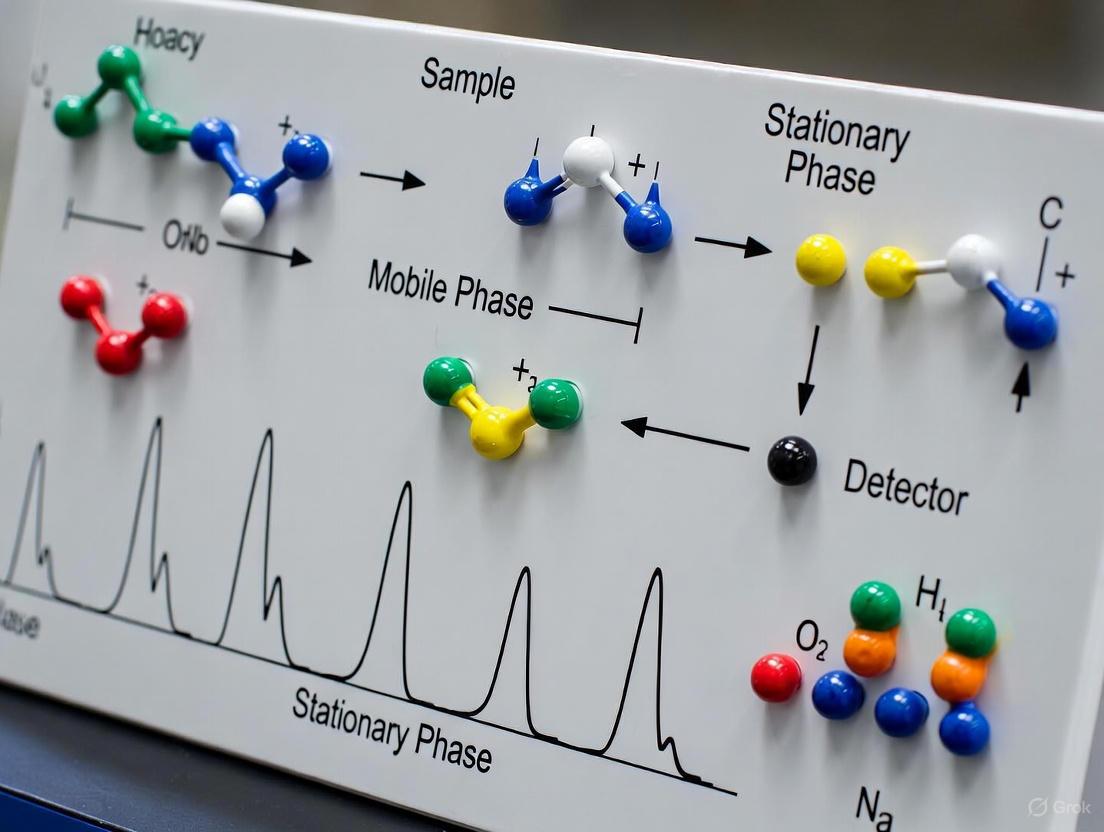
This article provides a thorough exploration of specificity testing for chromatographic methods, a critical parameter in pharmaceutical analysis and therapeutic drug monitoring.
Specificity in Chromatographic Methods: A Comprehensive Guide for Robust Pharmaceutical Analysis
Abstract
This article provides a thorough exploration of specificity testing for chromatographic methods, a critical parameter in pharmaceutical analysis and therapeutic drug monitoring. Tailored for researchers, scientists, and drug development professionals, it covers the foundational principles of specificity, including its definition and regulatory importance. The content details methodological approaches for achieving selective separations using modern LC-MS, HPLC-UV, and hyphenated techniques, alongside practical strategies for troubleshooting and optimizing methods to overcome interference from impurities, metabolites, and matrix components. Finally, it outlines the rigorous validation requirements per ICH, USP, and FDA guidelines, ensuring methods are fit-for-purpose in quality control and clinical applications, ultimately contributing to safer and more effective drug therapies.
The Critical Role of Specificity: Foundational Principles and Regulatory Imperatives
Defining Specificity and Selectivity in Chromatographic Separation
In the rigorous world of pharmaceutical analysis, the terms specificity and selectivity define the ability of a chromatographic method to accurately measure the analyte of interest in the presence of potential interferents. While sometimes used interchangeably, a crucial distinction exists: selectivity refers to the ability to distinguish and quantify multiple analytes in a mixture based on their differential migration rates, a consequence of their varying interactions with the stationary and mobile phases [1]. Specificity, often considered the ultimate degree of selectivity, is the ability to unequivocally assess the analyte in the presence of components such as impurities, degradants, or matrix elements that are expected to be present [2]. The fundamental principle underlying all chromatographic separation is the differential partitioning of compounds between a stationary phase and a mobile phase [1]. The extent of this partitioning, influenced by the physiochemical properties of the analyte, the stationary phase, and the mobile phase, determines the retention time and, ultimately, the success of the separation [1]. For drug development professionals, demonstrating method specificity is a critical regulatory requirement, ensuring that potency and purity assessments are reliable and that stability-indicating methods are truly stability-indicating.
Factors Governing Selectivity and Specificity
Achieving a selective separation is the first and most critical step in developing a specific method. This process is governed by a trio of interdependent factors.
- Stationary Phase Chemistry: The choice of stationary phase is the most powerful tool for manipulating selectivity. Interactions between the analyte and the stationary phase can include hydrophobic (dispersive) forces, dipole-dipole interactions, ionic bonding, and hydrogen bonding [3]. The trend in 2025 continues towards highly specialized phases. For small molecule reversed-phase liquid chromatography (RPLC), new columns featuring advanced particle bonding and inert hardware are enhancing peak shapes and providing alternative selectivity [4]. A significant development is the growth of biocompatible or bioinert columns with passivated hardware, which prevent the adsorption of metal-sensitive analytes like phosphorylated compounds, thereby improving analyte recovery and method specificity [4]. The introduction of phases like the phenyl-hexyl and biphenyl columns provides enhanced π–π interactions, which are particularly beneficial for separating structural isomers [4].
- Mobile Phase Composition: The mobile phase acts as a competing agent, eluting analytes from the stationary phase. In Reversed-Phase HPLC, changes in the organic solvent ratio (e.g., acetonitrile or methanol) directly impact retention and selectivity [1]. The use of gradient elution, where the mobile phase composition changes during the run, is essential for separating complex mixtures with components of widely varying polarity [1]. Additives such as acids, salts, or ion-pairing reagents can further fine-tune selectivity, particularly for ionizable compounds, by modifying their interaction with the stationary phase.
- Physical Parameters (Temperature and Flow Rate): Temperature influences the kinetics and thermodynamics of the separation process. Increasing the temperature typically reduces retention times and can improve peak shape by lowering mobile phase viscosity. In Gas Chromatography (GC), temperature control is even more critical, as elution order is primarily determined by boiling point, with secondary influences from stationary phase interactions such as Van der Waals forces, dipole-dipole interactions, and hydrogen bonding [5]. The flow rate of the mobile phase determines how long analytes are in contact with the stationary phase, affecting both the separation efficiency and the analysis time.
The relationship between these factors and the resulting chromatographic resolution is summarized in the workflow below.
Experimental Protocols for Demonstration
Protocol 1: Establishing Specificity via Forced Degradation
Forced degradation studies are a cornerstone of specificity validation for stability-indicating methods in pharmaceutical analysis.
- Objective: To demonstrate that the analytical method can accurately quantify the active pharmaceutical ingredient (API) and clearly separate it from its degradation products, even under stressed conditions.
- Materials: HPLC/UHPLC system with diode array detector (DAD); C18 column (e.g., 100 x 2.1 mm, 1.7 µm); reference standards of the API and known impurities; mobile phase components (e.g., water and acetonitrile, both with 0.1% formic acid).
- Procedure:
- Sample Preparation: Expose the API solution to various stress conditions: acid hydrolysis (e.g., 0.1M HCl, 60°C, 1h), base hydrolysis (e.g., 0.1M NaOH, 60°C, 1h), oxidative stress (e.g., 3% H₂O₂, room temperature, 1h), and thermal stress (e.g., 80°C, 24h). Use a control sample of the unstressed API.
- Chromatographic Analysis: Inject the control and stressed samples. Employ a gradient elution, for example, from 5% to 95% acetonitrile over 10 minutes, with a flow rate of 0.4 mL/min. Column temperature should be maintained at 40°C. Detection is typically performed at 220-280 nm using a DAD.
- Data Analysis: Compare the chromatograms of the stressed samples to the control. The method is considered specific if the API peak is resolved from all degradation peaks (resolution, Rs > 1.5) and its purity is confirmed by the DAD (peak purity index > 0.999). The analyte recovery for the main peak in the presence of degradants should be 98-102%.
Protocol 2: Evaluating Selectivity for Isomeric Separations
This protocol uses GC-MRR, a highly specific technique, to separate and identify compounds that are challenging to resolve by conventional detectors.
- Objective: To achieve baseline separation and unambiguous identification of structural isomers and isotopologues in a complex mixture.
- Materials: Gas chromatograph coupled with a Molecular Rotational Resonance (MRR) spectrometer; capillary GC column (e.g., SLB-5ms, 30 m x 0.25 mm, 0.25 µm); standard mixtures of isomers (e.g., bromonitrobenzene or bromobutane isomers); high-purity helium or hydrogen carrier gas.
- Procedure:
- Sample Preparation: Prepare a standard mixture containing the target isomers in a suitable solvent (e.g., acetonitrile). The concentration should be appropriate for the detector's sensitivity.
- Chromatographic and Spectroscopic Analysis: Inject the sample (e.g., 1 µL) in split mode (e.g., 50:1). Use a temperature ramp (e.g., 40°C to 280°C at 10°C/min). The GC effluent is introduced into the MRR spectrometer, which uses a supersonic jet to cool analytes to ~2 K, simplifying their rotational spectra and enhancing signal strength [6].
- Data Analysis: The MRR detector measures the unique rotational transition frequencies of each molecule as it elutes from the GC. Because these frequencies are exquisitely sensitive to the three-dimensional mass distribution of the molecule, each isomer produces a distinct, fingerprint-like spectrum, allowing for unequivocal identification even of co-eluting compounds [6]. The signal is used to generate a highly specific chromatogram.
Comparative Performance Data
The following tables summarize quantitative data and key characteristics of different chromatographic approaches, highlighting their contributions to selectivity and specificity.
Table 1: Comparative Limits of Detection (LOD) for GC Detectors
| Analyte Class | GC-TCD | GC-MS | GC-MRR (with supersonic jet) |
|---|---|---|---|
| Alcohols (e.g., Ethanol) | ~ nanograms | ~ picograms | ~ nanograms [6] |
| Halogenated Compounds | ~ nanograms | ~ picograms | ~ nanograms [6] |
| Nitrogen Heterocyclics (e.g., Pyridine) | ~ nanograms | ~ picograms | ~ nanograms [6] |
| Key Differentiator | Universal, less sensitive | Highly sensitive, can struggle with isomers | Unparalleled specificity for isomers/isotopologues [6] |
Table 2: Selectivity of Common HPLC Stationary Phases
| Stationary Phase | Primary Interactions | Ideal Application | 2025 Product Example |
|---|---|---|---|
| C18 | Hydrophobic | General purpose, non-polar to moderately polar small molecules | Raptor C8 (for faster analysis vs. C18) [4] |
| Phenyl-Hexyl | Hydrophobic, π-π | Separation of aromatic compounds, isomers | Halo 90 Å PCS Phenyl-Hexyl [4] |
| Biphenyl | Hydrophobic, π-π, dipole | Metabolomics, polar aromatics, isomers | Aurashell Biphenyl [4] |
| F5 (Pentafluorophenyl) | Dipole-dipole, π-π, hydrophobic | Complex mixtures with diverse functional groups | Raptor Inert HPLC Columns (with FluoroPhenyl) [4] |
| HILIC | Hydrophilic interaction, hydrogen bonding | Very polar, hydrophilic compounds | Raptor Inert HILIC-Si [4] |
Technological Advancements and Future Trends
The landscape of chromatographic separation is being reshaped by several key technological trends that are pushing the boundaries of selectivity and specificity.
- Artificial Intelligence and Automation: AI is increasingly used to automate method development. Machine learning algorithms can process large datasets to predict optimal chromatographic conditions (e.g., mobile phase composition, gradient profile, and column type), significantly reducing the time and resource investment required to achieve a selective separation [7] [8].
- Advanced Detection and Hyphenation: As demonstrated in the experimental protocol, coupling high-resolution separation with information-rich detectors is a powerful path to supreme specificity. Techniques like GC-MRR and LC-MS are at the forefront [6]. The market is also seeing growth in multi-dimensional chromatography (e.g., 2D-LC), which dramatically increases peak capacity and resolving power for incredibly complex samples like biologics and vaccines [1] [8].
- Miniaturization and Sustainability: There is a strong drive towards smaller, more efficient instrumentation. This includes using columns with smaller inner diameters and sub-2µm particles for UHPLC, which provide better resolution, higher sensitivity, and significantly reduced solvent consumption [7] [1]. This aligns with the principles of green analytical chemistry, a major trend in 2025 focused on reducing the environmental impact of laboratory operations [7] [8].
- Increased Inertness and Biocompatibility: The trend towards fully inert hardware is no longer a niche requirement but a standard expectation for methods involving metal-sensitive analytes, such as phosphorothioated oligonucleotides, certain APIs, and phosphorylated compounds in metabolomics. This hardware prevents analyte adsorption and degradation, ensuring accurate quantification and robust method performance [4].
The following diagram illustrates how these modern technologies are integrated into a workflow to achieve the highest level of analytical specificity.
The Scientist's Toolkit: Essential Research Reagents and Materials
Table 3: Key Research Reagent Solutions for Advanced Chromatography
| Item | Function | Application Note |
|---|---|---|
| Halo Inert Column [4] | Reversed-phase column with passivated hardware to prevent metal-analyte interaction. | Critical for sensitive analysis of phosphorylated compounds, chelating PFAS, and metal-sensitive biomolecules. |
| Evosphere C18/AR Column [4] | RPLC column with monodisperse particles and C18/aromatic ligands. | Enables oligonucleotide separation without ion-pairing reagents, simplifying MS detection. |
| YMC Accura BioPro IEX Guard [4] | Bioinert guard cartridge made of polymethacrylate. | Protects analytical columns in IEX separations of biomolecules (proteins, antibodies, oligonucleotides); ensures high recovery. |
| Molecular Rotational Resonance (MRR) Spectrometer [6] | GC detector that measures unique rotational transitions for 3D structural fingerprinting. | Provides unparalleled specificity for identifying isomers, isotopologues, and co-eluting compounds without standards. |
| Supersonic Jet Expansion Module [6] | Cools GC effluents to ~2 K for MRR analysis. | Reduces rotational energy levels of molecules, dramatically enhancing MRR signal strength and sensitivity. |
In the realm of analytical chemistry, particularly for researchers and drug development professionals, the validity of experimental data is the cornerstone upon which safety and efficacy decisions are built. Among the various parameters of method validation, specificity stands apart as a fundamental, non-negotiable requirement. It is the quality that guarantees an analytical method is measuring the intended analyte, and nothing but the intended analyte, within a complex sample matrix. Without demonstrated specificity, claims regarding accuracy, precision, and reliability are fundamentally compromised. This guide explores the critical role of specificity by comparing chromatographic techniques and detailing the experimental protocols essential for its verification.
What is Specificity and Why is it Paramount?
In chromatographic analysis, specificity refers to the ability of the method to unequivocally separate and measure the target compound without interference from other components such as impurities, degradants, or the sample matrix itself [9]. Think of it as a highly trained detective who can accurately identify a single suspect in a crowded room.
Its non-negotiable status stems from three key areas:
- Ensures Analytical Accuracy: A highly specific method prevents overestimation or underestimation of the target analyte, providing confidence that the reported concentration reflects reality [9].
- Meets Stringent Regulatory Requirements: Regulatory bodies like the FDA mandate that methods used for quality control of pharmaceuticals and dietary supplements must be "accurate, precise, and specific for their intended purpose" [10]. A method lacking proven specificity will not meet Good Manufacturing Practice (GMP) standards.
- Underpins Product Safety and Efficacy: In pharmaceuticals, an underspecific method might fail to detect a harmful degradant. In natural products chemistry, it could lead to incorrect quantification of active constituents, resulting in an under-potent or over-potent product [10].
Comparative Analysis of Chromatographic Techniques for Specificity
The choice of chromatographic column and hardware directly influences the specificity achievable for a given application. The following table summarizes recent innovations and their performance in addressing common specificity challenges.
Table 1: Comparison of Modern Chromatography Columns for Enhancing Specificity
| Column/Technology | Stationary Phase/Mode | Key Feature | Impact on Specificity & Analyte Suitability |
|---|---|---|---|
| Halo Inert [4] | Reversed-Phase (RPLC) | Inert (metal-free) hardware | Prevents adsorption; improves peak shape & recovery for phosphorylated & metal-sensitive compounds. |
| Raptor Inert HPLC [4] | RPLC (C18, Biphenyl, HILIC) | Inert hardware with SPPs | Improves chromatographic response for metal-sensitive polar compounds; reduces metal interaction. |
| Aurashell Biphenyl [4] | RPLC (Biphenyl) | π–π, dipole, steric mechanisms | Provides alternative selectivity; superior for separating isomers and hydrophilic aromatics. |
| Evosphere C18/AR [4] | Reversed-Phase | C18 & Aromatic ligands | Separates oligonucleotides without ion-pairing reagents; enhances specificity for complex biomolecules. |
| Ascentis Express BIOshell [4] | RPLC (C18) | Positively Charged Surface | Enhances peak shapes for basic compounds & peptides; offers alternative selectivity for complex mixtures. |
| Micropillar Array Columns [7] | Various | Lithographically engineered, uniform flow path | Enables high-precision, reproducible separation of thousands of samples (e.g., in multiomics). |
Essential Experimental Protocols for Demonstrating Specificity
Verifying specificity is a procedural exercise. The International Conference on Harmonisation (ICH) and FDA guidelines provide a framework, with the following protocols being central to demonstration.
Forced Degradation Studies
Forced degradation involves intentionally stressing a sample (e.g., with heat, light, acid, base, oxidant) to generate degradants. A specific method must be able to resolve the main analyte peak from all potential degradation products.
Detailed Protocol:
- Sample Preparation: Prepare a solution of the drug substance or product. Subject aliquots to various stress conditions: acidic (e.g., 0.1M HCl), basic (e.g., 0.1M NaOH), oxidative (e.g., 3% H₂O₂), thermal (e.g., 70°C), and photolytic (e.g., UV light). Use an unstressed sample as a control.
- Chromatographic Analysis: Inject the stressed samples and the control into the chromatographic system.
- Data Analysis: Examine the chromatogram for the appearance of new peaks (degradants). The method must demonstrate that the analyte peak is pure and resolved from all degradant peaks, typically with a resolution (Rs) value greater than 1.5. The mass balance (sum of all peaks) should be assessed to account for the degraded analyte.
Spike Recovery Experiments
This tests whether other components in the sample matrix interfere with the quantification of the analyte.
Detailed Protocol:
- Sample Preparation:
- Unspiked Sample: Analyze the actual sample to determine the initial concentration of the analyte.
- Spiked Sample: Add a known amount of a pure reference standard of the target analyte to the sample matrix. The spike level should be relevant to the expected concentration, often at 80%, 100%, and 120% of the label claim [10].
- Chromatographic Analysis: Analyze both the spiked and unspiked samples using the developed method.
- Data Analysis: Calculate the percentage recovery using the formula: Recovery (%) = [(Found in spiked sample - Found in unspiked sample) / Amount Added] × 100% A recovery value of 98-102% typically indicates the absence of significant matrix interference and demonstrates good method specificity and accuracy [10].
Analysis of Blank and Placebo Formulations
This simple but critical test confirms that the excipients in a drug product do not produce a signal that co-elutes with the analyte.
Detailed Protocol:
- Sample Preparation: Prepare a blank (the solvent only) and a placebo (a mixture of all excipients without the active ingredient).
- Chromatographic Analysis: Inject the blank, placebo, and the active sample.
- Data Analysis: The chromatogram at the retention time of the analyte in the blank and placebo should show no peaks (or a negligible peak compared to the active). This proves the signal is specific to the API.
Visualizing the Specificity Testing Workflow
The following diagram illustrates the logical sequence and decision points in a comprehensive specificity validation protocol.
Diagram 1: Specificity validation workflow.
The Scientist's Toolkit: Essential Reagents and Materials
The following table details key reagents and materials crucial for conducting robust specificity experiments.
Table 2: Key Research Reagent Solutions for Specificity Testing
| Item | Function in Specificity Testing |
|---|---|
| High-Purity Reference Standard | Serves as the definitive benchmark for the target analyte's identity, retention time, and for creating the calibration curve. Purity must be verified [10]. |
| Placebo Formulation | A mixture of all inactive ingredients (excipients) used to confirm that no component co-elutes with or obscures the analyte peak. |
| Chromatography Column with Alternative Selectivity | A column with a different stationary phase (e.g., biphenyl, cyano) is used during method development to prove that separation from impurities is not accidental but robust. |
| Mass Spectrometry Detector | Provides definitive structural identification of the analyte and any potential interfering peaks, serving as the ultimate orthogonality test for specificity. |
| Inert HPLC Hardware | Columns and guards with passivated, metal-free fluid paths prevent analyte loss and peak tailing for metal-sensitive compounds, ensuring accurate quantification [4]. |
The Future of Specificity: AI and Advanced Materials
The pursuit of uncompromising specificity continues to drive innovation. The integration of Artificial Intelligence (AI) is beginning to automate method development and optimize system performance, potentially identifying optimal conditions for specific separations faster than traditional approaches [7]. Furthermore, the trend towards inert hardware is becoming standard for challenging analytes, ensuring that specificity is not undermined by surface interactions [7] [4]. As laboratories face increasing throughput demands, new column technologies like micropillar arrays and microfluidic chips promise to deliver high specificity and precision at an unprecedented scale [7].
In conclusion, specificity is the bedrock of reliable chromatographic analysis. It is not a mere box-ticking exercise but a rigorous, evidence-based demonstration that a method is fit for its purpose. By leveraging modern column technologies, adhering to robust experimental protocols, and embracing emerging tools like AI, scientists can ensure their methods possess the non-negotiable specificity required to advance drug development and ensure public safety.
In the pharmaceutical industry, the validation of analytical procedures is not just a best practice but a legal requirement for the regulated stability testing of drug substances (DS) and drug products (DP) [11]. The core objective of validation is to demonstrate that an analytical procedure is suitable for its intended purpose [11]. Among the various validation parameters, specificity is fundamental. It is defined as the ability of a method to assess unequivocally the analyte in the presence of components that may be expected to be present, such as impurities, degradation products, and matrix components [11]. For chromatographic methods, this translates to the physical separation of the active pharmaceutical ingredient (API) from other components like process impurities, degradants, or excipients [11]. Demonstrating specificity provides confidence that the analytical method is accurately measuring what it claims to measure, which is critical for ensuring drug quality, safety, and efficacy.
The regulatory landscape for specificity is shaped by major guidelines from the International Council for Harmonisation (ICH), the United States Pharmacopeia (USP), and the U.S. Food and Drug Administration (FDA). In March 2024, the FDA issued the finalized "Q2(R2) Validation of Analytical Procedures" guidance, providing a general framework for the principles of analytical procedure validation [12]. This document, along with ICH Q2(R1) and USP general chapter <1225>, forms the cornerstone of regulatory expectations. Understanding the nuanced requirements and methodologies for demonstrating specificity is essential for researchers, scientists, and drug development professionals to ensure regulatory compliance and the reliability of their analytical data.
Comparative Analysis of ICH, USP, and FDA Guidelines
The following table provides a structured comparison of the specificity requirements as outlined by the ICH, USP, and FDA. These guidelines are highly aligned but are applied in slightly different contexts.
Table 1: Key Regulatory Guidelines for Specificity in Chromatographic Methods
| Aspect | ICH Q2(R1) | USP General Chapter <1225> | FDA (as per Q2(R2)) |
|---|---|---|---|
| Core Definition | The ability to assess unequivocally the analyte in the presence of components that may be expected to be present. [11] | The ability of a method to measure the analyte accurately in the presence of interference. [11] | Provides a framework for validation principles, incorporating ICH Q2(R2). [12] |
| Primary Application | A harmonized guideline for drug registration applications in the EU, Japan, and the USA. [11] | Applies to compendial procedures used in testing articles for USP-NF. [11] | Required for analytical procedures used in quality assessments submitted to the agency. [11] [12] |
| Required Demonstration | Separation of the API from impurities and degradants. Use of forced degradation studies. [11] | Physical separation of the APIs from other components such as process impurities, degradants, or excipients. [11] | Relies on the principles outlined in ICH Q2(R2) for regulatory submissions. [12] |
| Typical Methodology | - Forced degradation studies.- Peak purity assessment (PDA/MS).- Comparison with a reference standard. [11] | - Analysis of placebo.- Forced degradation.- Use of an "orthogonal" procedure. [11] | - Science and risk-based approaches.- Phase-appropriate validation. [11] |
| Key Outputs | Chromatograms demonstrating resolution, peak purity data. [11] | Chromatograms demonstrating no interference from blank and placebo, and resolution from known impurities. [11] | Validation data included in regulatory filings (e.g., IND, NDA). [11] |
Experimental Protocols for Specificity Testing
A robust specificity study for a stability-indicating chromatographic method involves a multi-faceted experimental approach. The following workflow and detailed protocols outline the key steps.
Sample Preparation and Analysis
The foundation of specificity testing is the analysis of a comprehensive set of samples to rule out interference.
- Sample Set Preparation:
- Diluent/Blank: The solvent used to prepare the sample.
- Placebo: A mock drug product containing all excipients in the formulation without the API. For a drug substance, this may be a sample of process intermediates.
- Reference Standard: A highly characterized sample of the analyte(s) of known purity and concentration.
- Spiked Mixture ("Cocktail"): The API spiked with known impurities and degradation products available as reference materials. This solution is also valuable for system suitability testing (SST) [11].
- Chromatographic Analysis:
- All samples are analyzed using the proposed chromatographic method (e.g., reversed-phase HPLC with UV detection).
- The chromatograms are overlaid and examined for any interference at the retention times of the analyte peaks. The method is specific if the blank and placebo show no peaks co-eluting with the API or known impurities [11].
Forced Degradation Studies
Forced degradation (or stress testing) is critical for demonstrating that the method can separate degradation products from the main API.
- Protocol:
- Expose the drug substance or drug product to harsh conditions beyond those used for accelerated stability studies. Typical conditions include:
- Acidic and Basic Hydrolysis: Treatment with 0.1-1M HCl or NaOH at elevated temperatures (e.g., 40-80°C) for several hours or days.
- Oxidative Degradation: Treatment with hydrogen peroxide (e.g., 0.1-3%) at room or elevated temperature.
- Thermal Degradation: Solid and/or solution state exposure to high temperatures (e.g., 70-105°C).
- Photolytic Degradation: Exposure to UV and/or visible light as per ICH Q1B guidelines.
- The goal is to achieve approximately 5-20% degradation of the main compound to generate meaningful levels of degradants [11].
- Expose the drug substance or drug product to harsh conditions beyond those used for accelerated stability studies. Typical conditions include:
- Data Analysis:
- Analyze the stressed samples and demonstrate that the analyte peak is free from co-eluting peaks. This is initially assessed by the resolution between the API peak and the nearest degradant peak.
- The method should be able to detect the degradants formed above the reporting threshold [11].
Peak Purity Assessment
Peak purity evaluation is a powerful technique to confirm that an analyte chromatographic peak is attributable to a single component, even if it is not fully resolved from other peaks.
- Methodology:
- Utilize a Photo-Diode Array (PDA) Detector or Mass Spectrometry (MS).
- The PDA detector collects UV spectra across the entire chromatographic peak (at the peak apex, up-slope, and down-slope).
- Procedure:
- During the analysis of stressed samples and the spiked mixture, the PDA software compares the UV spectra at different points of the peak.
- A peak purity index is calculated. A value above a threshold (typically >990 or 995) indicates a spectrally pure peak, suggesting no co-elution [11].
- MS detection provides even more definitive proof by confirming a single mass ion for the eluting peak.
Orthogonal Method Verification
In complex cases, or to provide additional confirmation, specificity can be verified using a secondary, orthogonal method with a different separation mechanism.
- Protocol:
- Analyze key samples (e.g., the forced degradation sample) using a second, validated chromatographic method.
- This second method should have a different selectivity. For example, if the primary method is Reversed-Phase HPLC (RPLC), an orthogonal method could be a different RPLC method with a different column chemistry (e.g., HILIC, Ion-Pairing Chromatography, or a different pH) [11].
- Evaluation:
- The results from the orthogonal method should confirm the impurity profile and potency results obtained from the primary method, providing strong evidence for the method's specificity [11].
The Scientist's Toolkit: Essential Reagents and Materials
The following table details key materials required for conducting comprehensive specificity tests for chromatographic methods.
Table 2: Essential Research Reagents and Materials for Specificity Testing
| Item | Function / Purpose |
|---|---|
| High-Purity Reference Standard (API) | Serves as the benchmark for identifying the analyte's retention time and for assessing accuracy and linearity. Essential for peak identification [11]. |
| Authentic Impurity and Degradant Standards | Used to prepare spiked "cocktail" solutions to confirm the method can resolve the API from all known related substances. Critical for determining Relative Response Factors (RRF) [11]. |
| Placebo Formulation | A mixture of all non-active ingredients (excipients) in the drug product. Used to demonstrate that excipient peaks do not interfere with the analyte or impurity peaks [11]. |
| Photo-Diode Array (PDA) Detector | An advanced UV detector that collects full spectra across a peak. It is the primary tool for confirming peak purity and detecting potential co-elution [11]. |
| Mass Spectrometry (MS) Detector | Used for hyphenated techniques (e.g., LC-MS) to provide definitive identification of unknown peaks and confirm the molecular weight of analytes and degradants [11]. |
| Chromatography Data System (CDS) Software | Specialized software for controlling the HPLC system, acquiring data, and performing calculations for peak purity, resolution, and system suitability [11]. |
Case Study & Experimental Data Comparison
To illustrate the practical application of these protocols, consider a case study for validating a stability-indicating HPLC method for a small-molecule drug product. The following table summarizes hypothetical, but typical, experimental data generated from a specificity study.
Table 3: Sample Specificity Test Results for a Drug Product HPLC Method
| Sample | Retention Time of API (min) | Resolution from Nearest Peak | Peak Purity Index (PDA) | Conclusion |
|---|---|---|---|---|
| Diluent Blank | N/A | N/A | N/A | Pass: No peaks observed at the retention time of the API or known impurities. |
| Placebo | N/A | N/A | N/A | Pass: No interfering peaks from excipients. |
| API Reference Standard | 10.2 | N/A | 999.5 | Pass: Peak is spectrally pure. |
| API + Impurities Cocktail | 10.2 | > 2.0 from all impurities | 999.1 | Pass: All components are baseline resolved; API peak is pure. |
| Acid-Stressed Sample | 10.2 | 1.9 from Degradant A | 998.8 | Pass/Conditional Pass. Resolution is slightly below 2.0 but peak purity confirms no co-elution. May require method optimization. |
| Oxidized Sample | 10.2 | > 2.5 from all degradants | 999.3 | Pass: Well-separated degradants and pure API peak. |
Interpretation of Results: The data in Table 3 demonstrates that the method is specific for the analysis of the API. The absence of interference from the blank and placebo, combined with the baseline resolution from known impurities and the high peak purity indices in the forced degradation samples, provides strong evidence that the method is stability-indicating. The one resolution value of 1.9 might be flagged for monitoring during method maintenance but is considered acceptable when supported by a passing peak purity result.
In chromatographic analysis, achieving accurate quantification is fundamentally challenged by interference from metabolites, impurities, and the sample matrix. These factors can cause significant signal suppression or enhancement, leading to the misrepresentation of data, particularly in complex biological samples. Understanding and mitigating these effects through appropriate choice of chromatographic techniques and methodological adjustments is crucial for reliable results in drug development and metabolomics.
The following table summarizes the core interference challenges and the comparative performance of Gas Chromatography-Mass Spectrometry (GC-MS) and Liquid Chromatography-Mass Spectrometry (LC-MS) in addressing them.
| Challenge | Impact on Analysis | GC-MS Performance | LC-MS Performance |
|---|---|---|---|
| Sample Matrix Effects | Co-eluting compounds cause ion suppression/enhancement, affecting accuracy and precision [13]. | Observed signal suppression/enhancement; for example, amino acids can be significantly affected, with effects reduced at higher concentrations or with optimized liner geometry [14]. | A major concern; caused by compounds co-eluting with the analyte interfering with the ionization process [13]. |
| Metabolite Interference | Similar chemical properties and incomplete separation lead to misidentification and inaccurate quantification [14]. | Matrix effects for carbohydrates and organic acids typically do not exceed a factor of ~2 in signal change [14]. | Can be addressed by optimizing chromatographic separation to prevent analyte co-elution with interfering metabolites [13]. |
| Endogenous Impurities (e.g., HbF) | Interferes with the accurate measurement of target analytes like HbA1c, leading to clinically significant deviations [15]. | HPLC-based methods demonstrated resilience, with no clinically significant deviation even at high (35%) HbF levels [15]. | Immunoassay and enzymatic methods showed clinically significant deviation at HbF levels above 10% [15]. |
| Co-eluting Impurities | Prevents baseline separation, essential for accurate quantification of individual compounds in a mixture [14] [16]. | Complex samples often show similar retention or incomplete separation of compounds [14]. | Modifying chromatographic conditions (e.g., mobile phase, column) can avoid co-elution, though this can be time-consuming [13]. |
Experimental Protocols for Investigating Interference
Protocol for Assessing Matrix Effects in GC-MS Profiling
This protocol, derived from a study on metabolite profiling, outlines a method to evaluate sample-dependent matrix effects [14].
- Objective: To systematically study the complex interactions and matrix effects between common constituents of biological samples during GC-MS analysis.
- Sample Preparation: Model compound mixtures of different compositions are used to simulate the complexity of biological samples. These mixtures contain representatives from various chemical classes (e.g., sugars, organic acids, amino acids) at concentrations differing by several orders of magnitude. A frequently applied derivatization protocol, such as trimethylsilylation, is then subjected to the samples [14].
- Chromatographic Analysis:
- Technique: Gas Chromatography coupled to Mass Spectrometry (GC-MS).
- Key Variable: The study investigates the impact of injection-liner geometry on the observed matrix effects [14].
- Data Analysis: Matrix effects are quantified as the factor of signal suppression or enhancement for target compounds (e.g., carbohydrates, organic acids, amino acids) when analyzed in a mixture versus in a pure form. The recovery of target compounds at different concentration levels within the dynamic range is assessed [14].
Protocol for Detecting and Correcting Matrix Effects in Quantitative LC-MS
This protocol provides a framework for a simple recovery-based method to detect and correct for matrix effects in LC-MS, as demonstrated in an assay for creatinine in urine [13].
- Objective: To detect and compensate for matrix effects in routine quantitative LC-MS analysis without requiring complex procedures or stable isotope-labeled internal standards.
- Sample Preparation: The sample matrix (e.g., human urine) is prepared, often by filtration or a simple clean-up step. For the standard addition method, the sample is divided into several aliquots, and the target analyte is spiked at different concentration levels into these aliquots [13].
- Chromatographic Analysis:
- Technique: Liquid Chromatography-Mass Spectrometry (LC-MS).
- Column: A Cogent Diamond-Hydride column (150 mm × 2.1 mm, 4-μm) [13].
- Mobile Phase: A gradient elution with mobile phase A (deionized water with 0.1% formic acid) and mobile phase B (acetonitrile with 0.1% formic acid) [13].
- MS Detection: Multiple Reaction Monitoring (MRM) mode on a triple quadrupole mass spectrometer is used for specific and sensitive detection [13].
- Data Analysis:
- Matrix Effect Detection: The recovery of the analyte is calculated. A deviation from 100% recovery indicates the presence of matrix effects [13].
- Correction via Standard Addition: The signal response from the spiked aliquots is used to construct a standard addition curve. The absolute value of the x-intercept of this curve gives the original concentration of the analyte in the unspiked sample, effectively correcting for the matrix effect [13].
- Correction via Co-eluting Internal Standard: A structural analogue of the analyte that co-elutes with it is used as an internal standard. Its similar behavior allows it to experience the same matrix effects, enabling a correction [13].
Research Reagent Solutions
The table below lists key reagents and materials essential for conducting the described experiments and mitigating interference challenges.
| Item Name | Function/Application | Experimental Context |
|---|---|---|
| Stable Isotope-Labeled Internal Standards (SIL-IS) | The most well-recognized technique to correct for matrix effects; co-elutes with the analyte and has nearly identical chemical properties [13]. | Considered the gold-standard method for rectifying matrix effects in quantitative LC-MS and GC-MS bioanalysis [13]. |
| Structural Analogue Internal Standard | A co-eluting compound with a structure similar to the analyte; a less expensive alternative to SIL-IS for correcting matrix effects [13]. | Used as an internal standard in LC-MS when SIL-IS are commercially unavailable or too expensive [13]. |
| Trimethylsilylation Derivatization Reagents | A chemical derivatization protocol used to make metabolites volatile and thermally stable for GC-MS analysis [14]. | Frequently applied in GC-MS metabolite profiling of complex biological samples [14]. |
| Chiral Stationary Phases | A chromatographic material designed to separate enantiomers, which often exhibit heterogeneous adsorption sites [16]. | Used in HPLC for separating chiral compounds, such as drugs; understanding their surface heterogeneity is key to optimizing separations [16]. |
| C18 Chromatography Column | A common reversed-phase stationary phase for separating non-polar to moderately polar compounds [13]. | Used in LC-MS method development; its surface heterogeneity can influence peak shape and contribute to matrix effects [16] [13]. |
| Formic Acid (Mobile Phase Additive) | An additive in the LC mobile phase to improve ionization efficiency and chromatographic peak shape [13]. | Used in the described LC-MS creatinine assay to facilitate protonation of the analyte in positive ion mode [13]. |
Strategic Workflows for Mitigation
The following diagrams illustrate the logical workflows for the two main experimental strategies discussed for tackling interference.
Diagram 1: Workflow for GC-MS Matrix Effect Investigation. This chart outlines the process of using model mixtures and derivatization to study and mitigate interference in GC-MS.
Diagram 2: Workflow for LC-MS Matrix Effect Correction. This chart shows the standard addition method used to detect and correct for ionization interference in LC-MS analysis.
The Fundamental Link Between Specificity, Patient Safety, and Drug Efficacy
In the field of drug development, the specificity of analytical methods forms the fundamental bridge between product quality, patient safety, and therapeutic efficacy. For biopharmaceuticals—complex molecules including recombinant proteins, monoclonal antibodies (mAbs), and cell-based therapies—this relationship is particularly crucial [17]. These products are characterized by high molecular weight, complex structures, and inherent heterogeneity, making them susceptible to variations that can impact safety and efficacy [17]. Unlike small-molecule drugs, biopharmaceuticals require sophisticated analytical techniques for comprehensive characterization due to their susceptibility to degradation and immunogenic responses [17].
Chromatographic methods serve as indispensable tools for ensuring the structural and functional integrity of these therapeutic agents. The global biopharmaceutical market, valued at approximately USD 452 billion in 2024 and projected to reach USD 484 billion by 2025, underscores the economic and therapeutic importance of these products [17]. As patents for originator biologics expire, the growing biosimilars market further emphasizes the need for robust analytical frameworks to demonstrate similarity in safety, purity, and potency without clinically meaningful differences [17]. This review objectively compares the performance of key chromatographic techniques in specificity testing, providing experimental data and methodologies essential for researchers and drug development professionals.
Comparative Analysis of Chromatographic Techniques
The selection of appropriate chromatographic techniques is paramount for addressing specific analytical challenges throughout the biopharmaceutical development lifecycle. Each method offers distinct advantages and limitations for characterizing therapeutic proteins, nucleic acids, and complex formulations.
Table 1: Performance Comparison of Major Chromatographic Techniques in Biopharmaceutical Analysis
| Technique | Analytical Specificity | Throughput | Sensitivity | Quantitative Capability | Primary Applications in Biopharmaceuticals |
|---|---|---|---|---|---|
| HPLC/UHPLC | High | Medium-High | Moderate-High | Excellent | Purity analysis, potency testing, stability indicating methods [18] [19] |
| LC-MS | Very High | Medium | High | Excellent | Structural elucidation, metabolite identification, biomarker discovery [20] [19] |
| HPTLC | Medium | High | Moderate | Good (with densitometry) | Herbal drug fingerprinting, purity assessment, reaction monitoring [18] [21] |
| GC-MS | High | Low-Medium | High | Excellent | Analysis of volatile compounds, residual solvents [19] |
| 2D-LC | Very High | Low | High | Excellent | Complex mixture analysis, biosimilar characterization [19] |
Table 2: Applicability of Techniques to Different Biopharmaceutical Product Types
| Product Type | Recommended Primary Techniques | Orthogonal Techniques | Key Analytical Targets |
|---|---|---|---|
| Monoclonal Antibodies | HPLC, LC-MS, CE-SDS | HIC, SEC, IEX | Aggregation, glycosylation, charge variants [17] |
| Gene Therapies | LC-MS, IEC, SEC | PCR, CE | Capsid content, impurity profiling, vector integrity |
| Herbal Formulations | HPTLC, HPLC | LC-MS, NMR | Authentication, adulteration detection, biomarker quantification [22] [18] |
| Recombinant Proteins | RP-HPLC, LC-MS, SEC | CD, IEX | Purity, molecular weight, post-translational modifications [17] |
| Biosimilars | 2D-LC, LC-MS, CE | BLI, SPR | Comprehensive similarity assessment [17] |
Advanced Chromatographic Methodologies and Applications
High-Performance Liquid Chromatography (HPLC) and Ultra-HPLC
HPLC and UHPLC remain cornerstone techniques for biopharmaceutical analysis due to their robust quantitative capabilities and versatility. Recent innovations in column chemistry have significantly enhanced performance for specific applications. The 2025 market has seen introductions of columns with improved pH stability (operational range from pH 1-12), enhanced peak shapes for basic compounds, and specialized phases for challenging separations [4]. The Halo 90 Å PCS Phenyl-Hexyl column, for instance, provides alternative selectivity to C18 phases with enhanced peak shape and loading capacity for basic compounds, while the Halo 120 Å Elevate C18 column offers exceptional high pH- and high-temperature stability [4].
A critical trend involves the adoption of inert hardware to prevent adsorption of metal-sensitive analytes like phosphorylated compounds and certain peptides [4]. Technologies such as the Halo Inert column create a metal-free barrier between the sample and stainless-steel components, enhancing peak shape and improving analyte recovery [4]. These advancements directly impact patient safety by enabling more accurate quantification of potentially immunogenic impurities and aggregates.
Liquid Chromatography-Mass Spectrometry (LC-MS)
LC-MS has emerged as a transformative technology in biopharmaceutical analysis, combining superior separation capabilities with powerful structural elucidation [20] [19]. The integration of novel ultra-high-pressure techniques with highly efficient columns has enhanced the study of complex and less abundant bio-transformed metabolites [20]. LC-MS facilitates the investigation of complex biological systems, aiding in the identification of disease mechanisms and the rapid discovery of new therapeutic agents [20].
Key advancements in LC-MS instrumentation include the development of more efficient ionization sources (ESI, APCI, APPI), high-resolution mass analyzers (Orbitrap, Q-TOF, IT-Orbitrap), and improved ion optics that enable detection at picogram and femtogram levels [20] [19]. These developments are particularly valuable for biosimilar characterization, where demonstrating analytical similarity to reference products requires exceptional method specificity and sensitivity [17]. LC-MS-based multi-attribute methods (MAMs) provide comprehensive monitoring of critical quality attributes (CQAs) such as post-translational modifications, oxidation, deamidation, and glycosylation patterns that directly impact drug efficacy and immunogenicity [17].
High-Performance Thin-Layer Chromatography (HPTLC)
Despite the prominence of HPLC and LC-MS, HPTLC maintains relevance in specific applications, particularly herbal medicine analysis [18] [21]. Modern HPTLC systems offer automation, reproducibility, and accurate quantification through computer-controlled instrumentation and automation based on the full capabilities of conventional TLC [21]. Advanced systems like the CAMAG HP-TLC Visualisation Analyser incorporate high-resolution cameras, multi-spectral detection (UV, visible, fluorescence), and sophisticated software for quantitative evaluations and digital fingerprinting of complex samples [18].
HPTLC's strength lies in its ability to provide rapid chemical fingerprinting for authentication and quality control of herbal formulations, which is crucial given the complex mixtures of bioactive compounds in these products [22] [18]. The technique allows simultaneous analysis of multiple samples on the same plate, uses minimal solvent volumes, and enables detection of compounds that require post-chromatographic derivatization [18]. When coupled with techniques such as ultraviolet–visible spectroscopy, Fourier transform infrared spectroscopy, Raman spectroscopy, or mass spectrometry, HPTLC becomes a powerful tool for identification and structural elucidation [21].
Experimental Protocols for Specificity Testing
Protocol 1: HPLC Method for Monoclonal Antibody Charge Variant Analysis
Objective: To separate and quantify charge variants of a therapeutic monoclonal antibody using ion-exchange chromatography (IEX).
Materials:
- IEX Column: YMC-BioPro IEX, 5 μm, 4.6 × 250 mm [4]
- Mobile Phase A: 20 mM Sodium phosphate, pH 6.8
- Mobile Phase B: 20 mM Sodium phosphate, 500 mM NaCl, pH 6.8
- Detection: UV at 280 nm
- Sample Preparation: Dilute mAb sample to 1 mg/mL in Mobile Phase A
Chromatographic Conditions:
- Flow Rate: 0.8 mL/min
- Injection Volume: 10 μL
- Column Temperature: 25°C
- Gradient: 0-100% B over 30 minutes
Specificity Assessment: The method should resolve basic, main, and acidic variants. System suitability criteria include resolution ≥1.5 between basic and main peaks, and RSD ≤2.0% for main peak retention time across six injections.
Protocol 2: LC-MS Method for Peptide Mapping and Post-Translational Modification Analysis
Objective: To identify and characterize primary structure and post-translational modifications of a therapeutic protein.
Materials:
- Column: Ascentis Express C18, 2.7 μm, 2.1 × 150 mm [4]
- Mobile Phase A: 0.1% Formic acid in water
- Mobile Phase B: 0.1% Formic acid in acetonitrile
- Enzyme: Trypsin (sequencing grade)
- Mass Spectrometer: Q-TOF or Orbitrap system
Sample Preparation:
- Denature protein in 6 M guanidine hydrochloride, 50 mM Tris, pH 8.0
- Reduce with 5 mM dithiothreitol at 56°C for 30 minutes
- Alkylate with 15 mM iodoacetamide at room temperature for 30 minutes in the dark
- Desalt using size-exclusion chromatography or dialysis
- Digest with trypsin (1:20 enzyme:substrate ratio) at 37°C for 16 hours
LC-MS Conditions:
- Flow Rate: 0.3 mL/min
- Column Temperature: 45°C
- Gradient: 2-35% B over 90 minutes
- Ionization: ESI positive mode
- Mass Range: 300-2000 m/z
Data Analysis: Use software to identify peptides by comparing experimental masses with theoretical digests. Monitor specific PTMs including oxidation (M+16), deamidation (N/Q+1), and glycosylation using extracted ion chromatograms.
Protocol 3: HPTLC Method for Herbal Formulation Standardization
Objective: To develop a fingerprint profile for quality control of a complex herbal formulation.
Materials:
- HPTLC Plates: Silica gel 60 F254, 10 × 10 cm
- Sample Application: Automated applicator (e.g., CAMAG Linomat 5)
- Mobile Phase: Chloroform:methanol:water (70:30:4, v/v/v)
- Detection: Derivatization with anisaldehyde-sulfuric acid reagent
- Documentation: CAMAG HP-TLC Visualisation Analyser system [18]
Methodology:
- Pre-wash plates with methanol and activate at 110°C for 20 minutes
- Apply standard and sample solutions as 8-mm bands, 10 mm from plate bottom
- Develop in a saturated twin-trough chamber to a distance of 80 mm
- Dry plates and derivatize with detection reagent
- Heat at 100°C for 5 minutes until bands appear
- Capture images under UV 254 nm, UV 366 nm, and white light
- Perform densitometric scanning at 530 nm
Validation Parameters: Calculate Rf values for characteristic bands and establish a reference fingerprint for comparison with test samples. Method specificity is demonstrated by resolution of critical markers and consistency of fingerprint patterns across batches.
Visualizing Chromatographic Method Selection
Decision Framework for Chromatographic Method Selection
Essential Research Reagent Solutions
Table 3: Key Research Reagents and Materials for Chromatographic Analysis of Biopharmaceuticals
| Reagent/Material | Function | Specificity/Safety Consideration | Example Products |
|---|---|---|---|
| Inert HPLC Columns | Minimizes metal-sensitive analyte adsorption | Enhances recovery of phosphorylated compounds, improves patient safety by accurate impurity quantification | Halo Inert, Restek Inert [4] |
| Superficially Porous Particles | Improves separation efficiency for biomolecules | Provides enhanced peak shape for basic compounds, better quantification of critical quality attributes | Halo, Ascentis Express [4] |
| MS-Compatible Mobile Phase Additives | Enables LC-MS analysis without signal suppression | Volatile salts (ammonium formate) allow direct MS coupling for structural characterization | Formic acid, ammonium acetate |
| High-Purity Water/Organic Solvents | Mobile phase preparation | Reduces background noise, prevents column contamination, ensures reproducible retention times | HPLC-grade acetonitrile, methanol |
| Reference Standards | System suitability and method validation | Qualified standards ensure accurate identification and quantification of impurities and actives | USP, EP reference standards |
| Sample Preparation Kits | Desalting, enrichment, cleanup | Remove interfering matrix components, improve sensitivity and column lifetime | Solid-phase extraction cartridges, spin filters |
The fundamental relationship between analytical specificity, patient safety, and drug efficacy necessitates rigorous chromatographic method selection and implementation. HPLC/UHPLC provides robust quantitative analysis for purity and stability testing, while LC-MS offers unparalleled specificity for structural characterization and biomarker detection. HPTLC serves as a cost-effective solution for fingerprinting complex herbal formulations. The continuous innovation in column technologies, particularly inert hardware and specialized stationary phases, addresses specific analytical challenges in biopharmaceutical characterization. By implementing appropriate chromatographic methodologies with demonstrated specificity, researchers can ensure the quality, safety, and efficacy of biopharmaceutical products throughout their development lifecycle and manufacturing process.
Achieving Unambiguous Results: Modern Techniques and Strategic Applications
Liquid Chromatography-Tandem Mass Spectrometry (LC-MS/MS) has established itself as the preeminent analytical technique for applications demanding uncompromising specificity. This guide provides an objective comparison of LC-MS/MS performance against alternative methodologies, supported by experimental data and detailed protocols. Within the broader context of specificity testing in chromatographic methods research, we demonstrate how the hybrid separation-mass analysis architecture of LC-MS/MS delivers unparalleled selectivity in complex matrices. The data presented herein offer researchers, scientists, and drug development professionals a rigorous evidence base for selecting analytical approaches that meet the most stringent specificity requirements across pharmaceutical, clinical, and environmental applications.
Analytical specificity—the ability to accurately measure an analyte in the presence of interfering components—represents a fundamental challenge in chemical measurement science. In pharmaceutical analysis, lack of specificity can lead to inaccurate potency assessments, missed impurity profiles, and compromised product quality. In clinical diagnostics, non-specific methods may generate false positives or negatives with direct implications for patient care. While various chromatographic and immunoassay techniques offer reasonable selectivity for many applications, increasingly complex samples and stringent regulatory requirements have pushed conventional methods to their performance limits.
LC-MS/MS addresses these challenges through a two-dimensional separation paradigm that combines the physicochemical separation power of liquid chromatography with the mass-based discrimination capabilities of tandem mass spectrometry. This dual separation mechanism provides an orthogonal filtering system that effectively eliminates isobaric and co-eluting interferences that confound single-dimension techniques. The technique's emergence as a gold standard for specificity is evidenced by its rapid adoption in diverse fields including pharmaceutical quality control, clinical diagnostics, environmental monitoring, and food safety [20] [23].
Fundamental Principles: The Architecture of Specificity
The exceptional specificity of LC-MS/MS stems from its multi-stage analytical workflow, which progressively filters chemical noise while preserving analyte signals. This process begins with liquid chromatographic separation, where compounds distribute between stationary and mobile phases based on their chemical properties, providing the first dimension of selectivity. Following ionization, typically by electrospray ionization (ESI) or atmospheric pressure chemical ionization (APCI), analytes enter the first mass analyzer (Q1), which acts as a mass-selective filter that excludes ions outside a narrow mass-to-charge (m/z) window.
The selected precursor ions then undergo collision-induced dissociation (CID) in a collision cell (Q2), generating characteristic product ions through controlled fragmentation. The second mass analyzer (Q3) then filters these product ions, providing a second mass-based selection step. This sequential mass filtering, combined with chromatographic retention time, creates a three-dimensional identifier (retention time → precursor mass → product mass) that delivers exceptional analytical specificity even in highly complex sample matrices [20] [24].
LC-MS/MS Specificity Workflow
The following diagram illustrates the multi-stage process that gives LC-MS/MS its exceptional specificity:
Performance Comparison: LC-MS/MS Versus Alternative Techniques
Specificity Comparison: LC-MS/MS vs. ELISA
The specificity advantages of LC-MS/MS become particularly evident when compared to immunoassay techniques such as Enzyme-Linked Immunosorbent Assay (ELISA). While ELISA offers simplicity and throughput for some applications, its reliance on antibody-antigen interactions introduces significant specificity limitations, including cross-reactivity with structurally similar compounds. The following table summarizes the key specificity-related differences:
Table 1: Specificity Comparison of LC-MS/MS and ELISA
| Parameter | LC-MS/MS | ELISA |
|---|---|---|
| Recognition Principle | Mass-based structural identification | Antibody-antigen binding |
| Cross-Reactivity | Minimal (mass discrimination) | Common with similar epitopes |
| Molecular Differentiation | Can distinguish isoforms & metabolites | Often unable to distinguish closely related molecules |
| Matrix Interference Resistance | High (multiple separation dimensions) | Moderate (limited separation) |
| Structural Modification Detection | High sensitivity to modifications | Often insensitive to small modifications |
| Method Development Control | Systematic optimization | Dependent on antibody quality |
LC-MS/MS provides direct molecular characterization based on physical properties (mass, fragmentation pattern), whereas ELISA offers indirect measurement through molecular recognition elements whose specificity is inherently limited by antibody cross-reactivity [25]. This distinction becomes critical when analyzing complex biological samples containing numerous structurally related compounds, such as drug metabolites or protein isoforms, where antibody cross-reactivity can generate falsely elevated results.
Specificity Comparison Across Chromatographic Techniques
Different chromatographic techniques offer varying levels of specificity, with LC-MS/MS providing the highest overall discrimination capability:
Table 2: Specificity Comparison Across Chromatographic Techniques
| Technique | Separation Dimensions | Detection Principle | Specificity Limitations |
|---|---|---|---|
| HPLC-UV/Vis | Chromatographic (1D) | UV/Vis absorbance | Co-eluting compounds with similar λmax |
| HPLC-Fluorescence | Chromatographic (1D) | Fluorescence emission | Limited to native/derivatized fluorophores |
| GC-MS | Chromatographic + mass (2D) | Electron impact MS | Limited to volatile/derivatizable compounds |
| LC-MS | Chromatographic + mass (2D) | ESI/APCI MS | Isobaric compound interference |
| LC-MS/MS | Chromatographic + mass + mass (3D) | Tandem MS | Highest specificity; minimal limitations |
The triple selectivity of LC-MS/MS (chromatographic retention time, precursor mass, and product mass) provides an orthogonal filtering system that cannot be matched by single-dimension techniques. While GC-MS offers excellent specificity for volatile compounds, LC-MS/MS extends this capability to a much broader range of analytes, including thermally labile and high molecular weight compounds [23].
Experimental Protocols: Assessing Specificity
Protocol for Specificity Evaluation in Complex Matrices
Objective: To demonstrate LC-MS/MS specificity by quantifying target analytes in complex biological matrices with minimal interference.
Materials and Reagents:
- Matrix: Appropriate biological fluid (plasma, urine, tissue homogenate)
- Analytes: Target compounds and potential interferents
- Internal Standards: Stable isotope-labeled analogs of target analytes
- Extraction Solvents: Methanol, acetonitrile, ethyl acetate
- Mobile Phases: A: 0.1% formic acid in water; B: 0.1% formic acid in acetonitrile
Instrumentation:
- LC System: UHPLC capable of binary or quaternary gradients
- Mass Spectrometer: Triple quadrupole MS with ESI or APCI source
- Column: Reversed-phase C18 column (100 × 2.1 mm, 1.7-2.7 μm)
Procedure:
- Sample Preparation: Extract analytes from matrix using protein precipitation (1:3 sample:acetonitrile)
- Chromatographic Separation:
- Column temperature: 40°C
- Flow rate: 0.3-0.6 mL/min
- Gradient: 5-95% B over 5-10 minutes
- Mass Spectrometric Detection:
- Multiple Reaction Monitoring (MRM) transitions optimized for each analyte
- Dwell time: 10-50 ms per transition
- Collision energies optimized for each transition
- Specificity Assessment:
- Analyze blank matrix to confirm absence of interference at target retention times
- Analyze matrix spiked with structurally similar compounds to evaluate discrimination capability
- Verify consistent retention times (±0.1 min) and ion ratios (±20%) across samples
Data Analysis: Specificity is demonstrated when:
- Signal in blank matrix < 20% of lower limit of quantification (LLOQ)
- No significant interference (>5% peak area contribution) at target retention times
- Ion ratios within specified limits across calibration range [24] [26]
Case Study: Host Cell Protein Quantitation
A recent study demonstrated LC-MS/MS specificity for detecting host cell proteins (HCPs) in biopharmaceutical products. The method successfully identified and quantified 67 HCPs at concentrations as low as 5-50 ppm in the presence of the therapeutic protein at 50 mg/mL (a 10,000:1 dynamic range). This level of specificity was unattainable with immunoassays due to antibody cross-reactivity limitations. The LC-MS/MS approach provided both identification and quantification in a single analysis, showcasing its dual qualitative and quantitative capabilities for complex specificity challenges [26].
Current Instrumentation and Technological Advances
Recent advancements in LC-MS/MS instrumentation have further enhanced analytical specificity:
Table 3: Recent LC-MS/MS Instrumentation Advancements (2024-2025)
| Manufacturer | Instrument | Specificity-Enhancing Features |
|---|---|---|
| Sciex | 7500+ MS/MS | 900 MRM/sec capability for increased multiplexing |
| Bruker | timsTOF Ultra 2 | Trapped ion mobility for 4D separations |
| Thermo Fisher | Orbitrap Astral MS | High resolution (>500,000) for isobar separation |
| Agilent | InfinityLab Pro iQ Series | Intelligent system optimization |
| Shimadzu | LCMS-8060RX | Advanced collision cell technology |
The incorporation of ion mobility separation adds a fourth dimension to LC-MS/MS analyses, enabling separation of isobaric compounds with identical precursor and product ions but different collision cross-section (size and shape). Instruments like the Bruker timsTOF Ultra 2 provide this additional separation dimension, pushing specificity boundaries even further [27].
High-resolution accurate mass (HRAM) instruments like the Orbitrap Astral provide resolution exceeding 500,000, enabling discrimination of compounds differing in mass by mere millidaltons. This level of mass accuracy virtually eliminates isobaric interference, representing the current pinnacle of mass-based specificity [23] [27].
Applications Demonstrating Specificity Advantages
Clinical Diagnostics
In clinical diagnostics, LC-MS/MS has become the reference method for analytes requiring high specificity, including:
- Vitamin D metabolite profiling: Differentiation of 25-hydroxyvitamin D2 and D3 isoforms, which immunoassays frequently fail to distinguish
- Testosterone and steroid hormone panels: Accurate quantification at low concentrations without cross-reactivity from similar steroids
- Therapeutic drug monitoring: Specific measurement of parent drugs and metabolites in complex matrices
- Newborn screening: Multiplexed analysis of amino acids and acylcarnitines with minimal false positives
The multiplexing capability of LC-MS/MS allows simultaneous quantification of dozens of analytes in a single injection without sacrificing specificity, a significant advantage over techniques requiring separate assays for each analyte [28] [29].
Pharmaceutical Analysis
In pharmaceutical quality control and development, LC-MS/MS specificity enables:
- Impurity profiling: Detection and identification of structurally related compounds at 0.1% levels
- Metabolite identification: Structural characterization of biotransformation products in complex biological matrices
- Biologics characterization: Analysis of post-translational modifications and degradation products
- Residual host cell protein detection: Specific identification and quantification as demonstrated in USP 1132.1 [26]
Essential Research Reagent Solutions
Successful LC-MS/MS specificity studies require carefully selected reagents and materials:
Table 4: Essential Research Reagents for LC-MS/MS Specificity Workflows
| Reagent/Material | Function | Specificity Consideration |
|---|---|---|
| Stable Isotope-Labeled Internal Standards | Normalization of extraction and ionization variance | Distinguishable mass prevents interference with analytes |
| High-Purity Mobile Phase Additives | Modulate chromatography and ionization | Reduce chemical noise and background interference |
| Solid-Phase Extraction Cartridges | Sample cleanup and preconcentration | Remove matrix interferents while retaining analytes |
| Bioinert LC Systems | Minimize metal adsorption | Improve peak shape and reduce tailing |
| High-Efficiency LC Columns | Chromatographic separation | Resolve analytes from isobaric interferents |
LC-MS/MS represents the current gold standard for analytical specificity across diverse applications and matrices. Its triple-selectivity paradigm—combining chromatographic separation, precursor mass selection, and product mass verification—provides an unmatched capability to distinguish target analytes from potentially interfering compounds. While techniques like ELISA offer simplicity and HPLC-UV provides cost-effectiveness for less demanding applications, neither can match the discrimination power of LC-MS/MS for complex specificity challenges.
As instrumentation continues to advance with incorporation of ion mobility separation and higher mass resolution, the specificity advantages of LC-MS/MS will further expand. For researchers and method developers working with complex matrices, structurally similar compound mixtures, or stringent regulatory requirements, LC-MS/MS provides the specificity assurance necessary for confident analytical results.
In chromatographic analysis, what appears as a single, symmetrical peak may conceal multiple co-eluting compounds, leading to inaccurate quantitative results and flawed scientific conclusions. This fundamental challenge makes peak purity assessment a critical requirement in analytical method development, particularly for pharmaceutical analysis where it directly impacts drug safety and efficacy. The hyphenation of High-Performance Liquid Chromatography with Diode Array Detection (HPLC-DAD) provides a powerful solution to this challenge by combining superior separation capabilities with sophisticated spectral analysis. Within regulated pharmaceutical development, demonstrating peak purity is mandatory under ICH guidelines (Q3A-Q3D) for impurities in new drug substances and products [30]. The consequences of incomplete peak purity assessment can be severe, as illustrated by historical cases where one enantiomer provided therapeutic benefit while its counterpart caused toxicity, such as (S)-(+)-naproxen for arthritis treatment versus its enantiomer that causes liver poisoning [30].
Theoretical Foundations of HPLC-DAD Peak Purity Assessment
How HPLC-DAD Works
HPLC-DAD represents a hyphenated technique that combines the superior separation power of high-performance liquid chromatography with the multi-wavelength detection capabilities of a diode array detector. Unlike conventional UV detectors that measure at a single wavelength, the DAD simultaneously captures full UV spectra for every point throughout the chromatographic run [31]. This enables continuous spectral acquisition as compounds elute from the column, providing a three-dimensional data matrix (absorbance, wavelength, and time) that forms the basis for peak purity assessment [30].
The DAD operates by passing polychromatic light through the sample flow cell, then dispersing the transmitted light onto an array of photodiodes, typically measuring from 190 to 800 nm [31]. This allows the detector to capture the complete ultraviolet spectrum of each eluting compound without the need for multiple injections or wavelength programming. The resulting data richness enables both identification via spectral matching and purity assessment through spectral comparison across a chromatographic peak [32].
Principles of Spectral Peak Purity Assessment
The fundamental question in peak purity assessment is whether a chromatographic peak consists of a single chemical compound or multiple co-eluted components. HPLC-DAD addresses this by evaluating spectral homogeneity throughout the peak [30]. The theoretical basis relies on treating each acquired spectrum as a vector in n-dimensional space, where 'n' corresponds to the number of data points in the spectrum [30].
Spectral similarity is quantified using vector algebra by calculating the angle between spectra vectors or the correlation coefficient between spectra. For two spectra represented as vectors a and b, the spectral similarity is calculated as the cosine of the angle θ between them:
[ \cos \theta = \frac{\mathbf{a} \cdot \mathbf{b}}{\|\mathbf{a}\|\|\mathbf{b}\|} ]
An alternative approach uses the correlation coefficient between two spectra:
[ r = \frac{\sum{i=1}^{n}(ai - \bar{a})(bi - \bar{b})}{\sqrt{\sum{i=1}^{n}(ai - \bar{a})^2\sum{i=1}^{n}(b_i - \bar{b})^2}} ]
When vectors are mean-centered, these two measures of similarity are equivalent [30]. Perfectly identical spectra yield a correlation coefficient of 1 (θ = 0°), while completely dissimilar spectra produce a coefficient of 0 (θ = 90°). In practice, thresholds are established where a match factor above a specified value (e.g., 0.999) indicates spectral purity [33].
Table 1: Key Parameters in Spectral Peak Purity Assessment
| Parameter | Description | Impact on Purity Assessment |
|---|---|---|
| Spectral Contrast Angle (θ) | Angle between vector representations of spectra | Smaller angles indicate higher spectral similarity |
| Correlation Coefficient (r) | Statistical measure of spectral similarity | Values closer to 1.000 indicate pure peaks |
| Sensitivity Setting | Software parameter affecting threshold for impurity flag | Higher sensitivity makes purity assessment more stringent |
| Wavelength Range | Spectral region used for comparison | Should cover characteristic absorptions of analytes |
| Noise Threshold | Minimum spectral variance considered significant | Prevents noise from being misinterpreted as impurities |
Experimental Protocols for Peak Purity Assessment
Instrumentation and Method Setup
Successful peak purity assessment begins with proper instrumental configuration and method development. A typical HPLC-DAD system includes a binary or quaternary pump, autosampler, thermostatted column compartment, DAD detector, and data acquisition system running specialized software such as Agilent OpenLab CDS or Waters Empower [34] [35]. The analytical method must be carefully developed to achieve baseline separation of known components while allowing sufficient time for spectral acquisition.
Critical DAD parameters include:
- Spectral acquisition rate: Typically 5-20 spectra/second across the peak
- Spectral bandwidth: Usually 1-4 nm, balancing resolution and sensitivity
- Wavelength range: Typically 200-400 nm for most pharmaceuticals, covering UV chromophores
- Reference wavelength: Used for baseline correction, usually where analytes don't absorb
For pharmaceutical applications, method development typically involves screening columns of different selectivity (C18, C8, phenyl, cyano) and mobile phases at different pH values to achieve optimal separation [30]. The use of stressed samples (exposed to acid, base, peroxide, heat, and light) is essential to challenge the method's ability to separate degradation products from the main peak [30].
Step-by-Step Workflow for Peak Purity Analysis
The following workflow outlines a standardized approach to peak purity assessment using HPLC-DAD:
Method Development and Optimization: Develop a chromatographic method that provides baseline separation for known compounds. For the analysis of posaconazole, researchers optimized a gradient method using a Zorbax SB-C18 column with mobile phase acetonitrile:15 mM potassium dihydrogen orthophosphate (30:70 to 80:20) over 7 minutes at 1.5 mL/min flow rate [34].
System Suitability Testing: Establish that the HPLC-DAD system is performing adequately by verifying resolution, precision, and sensitivity criteria. This includes ensuring the absorbance does not exceed 1 AU at any detector wavelength to maintain linear response [33].
Data Acquisition: Inject samples and acquire full spectral data throughout the chromatographic run. For face mask analysis containing benzoyl peroxide, curcumin, and other actives, researchers employed a C18 column (250 × 4.6 mm, 5 μm) at 40°C with gradient elution, monitoring multiple wavelengths simultaneously [36].
Baseline Correction: Apply mathematical correction to remove baseline drift, ensuring accurate spectral comparison. The baseline is typically defined from peak start to stop limits [30].
Spectral Comparison: Software automatically compares spectra from upslope, apex, and downslope regions of each peak. In OpenLab CDS, this involves calculating a UV purity value based on match factors between these spectra [33].
Result Interpretation: Review purity flags and match factors. Peaks with match factors above the established threshold (after adjusting sensitivity settings) are considered pure, while those below indicate potential co-elution [33].
Figure 1: HPLC-DAD Peak Purity Assessment Workflow
Data Interpretation and Troubleshooting
Interpreting peak purity results requires both scientific understanding and practical experience. A low UV purity value indicates potential co-elution of compounds with significantly different UV spectra [33]. However, several limitations must be considered:
- Structurally similar impurities may have nearly identical UV spectra, leading to false purity assessments
- Impurities without chromophores will not be detected by DAD
- Concentration differences between main component and impurity may mask spectral differences
- Noise and baseline effects can interfere with accurate purity calculations
When impurity is suspected, approaches include:
- Modifying chromatographic conditions (different column chemistry, mobile phase pH, temperature)
- Adjusting purity sensitivity settings in software (typically 30-70%)
- Incorporating orthogonal techniques such as mass spectrometry [33]
Comparative Experimental Data: HPLC-DAD in Practice
Pharmaceutical Applications
HPLC-DAD has proven invaluable in pharmaceutical analysis for both quality control and method development. In the development of a method for posaconazole analysis, researchers validated an HPLC-DAD approach that demonstrated excellent linearity (r² > 0.999) with precision (CV% < 3%) and successfully applied it to commercial suspension formulations without observable interferences [34]. The method provided complete analysis within 11 minutes, showcasing the efficiency of properly developed HPLC-DAD methods.
For face mask formulations containing five active ingredients (benzoyl peroxide, curcumin, rosmarinic acid, resveratrol, and salicylic acid), researchers developed and validated an HPLC-DAD method that simultaneously quantified all components [36]. The method demonstrated excellent recovery (> 98.2%), precision (%RSD < 1.2), and sensitivity, enabling quality control of complex cosmetic formulations.
Table 2: Performance Characteristics of HPLC-DAD Methods in Various Applications
| Application | Analytes | Linearity (R²) | Precision (%RSD) | Recovery (%) | Analysis Time | Reference |
|---|---|---|---|---|---|---|
| Pharmaceutical Analysis | Posaconazole | > 0.999 | < 3% | > 98% | 11 min | [34] |
| Cosmetic Formulation | Multiple actives | > 0.999 | < 1.2% | > 98.2% | Not specified | [36] |
| Natural Products | 3-Deoxyanthocyanidins | Validated | Validated | Validated | < 18 min | [37] |
| Coffee Analysis | Caffeine, Chlorogenic acid | > 0.999 | < 2% | 100.97-101.33% | 11 min | [35] |
Comparison with Alternative Detection Techniques
While HPLC-DAD provides powerful capabilities for peak purity assessment, it's important to understand its performance relative to other detection techniques. The table below compares key characteristics across common HPLC detection approaches.
Table 3: Comparison of HPLC Detection Techniques for Peak Purity Assessment
| Detector Type | Spectral Information | Purity Assessment Capability | Sensitivity | Selectivity | Limitations |
|---|---|---|---|---|---|
| Single Wavelength UV | None | Limited to retention time only | Good | Low | No spectral confirmation, cannot detect co-elution |
| Diode Array (DAD) | Full UV-Vis spectra | Excellent for chromophoric compounds | Good | Moderate-High | Limited for non-UV absorbing compounds |
| Fluorescence (FLD) | Excitation/Emission spectra | Good for native or derivatized fluorophores | Excellent | High | Limited to fluorescent compounds |
| Mass Spectrometry (MS) | Mass spectra, fragmentation | Superior, based on mass differences | Excellent | Very High | Higher cost, complexity, matrix effects |
The Scientist's Toolkit: Essential Reagents and Materials
Successful implementation of HPLC-DAD peak purity assessment requires specific reagents, columns, and instrumentation. The following table outlines essential components for establishing a robust analytical method.
Table 4: Essential Research Reagents and Materials for HPLC-DAD Peak Purity Analysis
| Item | Function/Purpose | Examples/Types | Considerations |
|---|---|---|---|
| HPLC Columns | Stationary phase for compound separation | Zorbax SB-C18, Luna CN, Kinetex C18 | Select different chemistries (C18, C8, phenyl, cyano) for method development |
| Mobile Phase Solvents | Elution of analytes from column | Acetonitrile, Methanol (HPLC grade) | Use HPLC-grade with low UV cutoff; include buffers (phosphate, TFA) for pH control |
| Reference Standards | Method development and peak identification | Certified reference materials | Use high-purity compounds for accurate spectral libraries |
| DAD Instrument | Spectral acquisition and analysis | Agilent 1260/1290 DAD, Waters 996 PDA | Ensure adequate spectral acquisition rate and wavelength range |
| Data Analysis Software | Peak purity calculation and reporting | OpenLab CDS, Empower, Chromeleon | Must include peak purity algorithms and spectral comparison tools |
Advantages, Limitations, and Complementary Techniques
Strengths of HPLC-DAD for Peak Purity
HPLC-DAD offers several distinct advantages for peak purity assessment:
- Non-destructive analysis: Samples can be recovered for further testing
- Simultaneous multi-wavelength detection: Enables optimal sensitivity for different compounds in a single run
- Retrospective data analysis: Full spectral data allows re-examination with different parameters post-acquisition
- Regulatory acceptance: Well-established in pharmaceutical guidelines for method validation
- Cost-effectiveness: Lower operational costs compared to LC-MS systems
Recognizing the Limitations
Despite its utility, HPLC-DAD has inherent limitations:
- Similar UV spectra: Compounds with nearly identical chromophores may not be distinguished
- Non-chromophoric compounds: Impurities without UV absorption remain undetected
- Concentration dependence: Minor impurities may be masked by major components
- Sensitivity constraints: UV detection may not match the sensitivity of fluorescence or MS detection
As noted in the literature, "The sample purity cannot be assumed with only a confirmed UV purity, as it depends on the chromophore absorbance of the molecules. Impurities may not have any chromophore, or major component and impurity may have similar spectra which could not be resolved with UV spectral analysis." [33]
Orthogonal Approaches for Comprehensive Assessment
For complete peak characterization, HPLC-DAD should be complemented with orthogonal techniques:
- LC-MS (Mass Spectrometry): Provides definitive molecular weight and structural information
- LC-NMR (Nuclear Magnetic Resonance): Offers detailed structural elucidation capabilities
- 2D-LC (Two-Dimensional Liquid Chromatography): Enhances separation power for complex mixtures
- Different stationary phases: Confirming purity using alternative column chemistry
Advanced data analysis strategies and two-dimensional liquid chromatography represent evolving approaches that address limitations of conventional peak purity assessment tools [30].
HPLC-DAD remains a cornerstone technique for peak purity assessment in chromatographic method development, particularly in pharmaceutical analysis where regulatory requirements demand rigorous demonstration of method specificity. The technique's ability to provide full spectral documentation for every chromatographic peak enables scientists to detect co-elution of compounds with dissimilar UV profiles, though its limitations with structurally similar compounds and non-chromophoric impurities must be recognized.
As analytical challenges grow more complex with increasingly sophisticated drug molecules and formulations, the hyphenation of separation science with spectral detection continues to evolve. While emerging techniques like 2D-LC and LC-MS offer enhanced capabilities, HPLC-DAD maintains its position as an accessible, cost-effective, and regulatory-accepted approach that balances analytical depth with practical implementation. For researchers and drug development professionals, mastering HPLC-DAD peak purity assessment remains an essential skill in ensuring analytical method validity and, ultimately, product quality and patient safety.
High-Performance Liquid Chromatography (HPLC) remains a cornerstone technique in analytical laboratories, with its effectiveness hinging on the strategic selection and optimization of the column chemistry and mobile phase. The integration of advanced column technologies with precisely optimized mobile phases is critical for developing robust, specific, and reliable chromatographic methods, particularly for complex applications in pharmaceutical research and quality control [38]. The overarching goal in method development is to achieve a separation that provides adequate resolution, sensitivity, and speed, while also being robust and transferable. This guide objectively compares the performance of modern column chemistries and mobile phase strategies, providing a structured framework for scientists to make informed decisions based on current technological advancements and experimental data.
Advances in Column Chemistry and Stationary Phase Selection
The selection of an appropriate stationary phase is the foundational step in chromatographic method development. Modern column technology has evolved significantly, moving beyond traditional C18 phases to a diverse array of chemistries designed to address specific analytical challenges.
Comparison of Modern Stationary Phase Chemistries
The table below summarizes the key characteristics and optimal application areas for various contemporary column chemistries, based on recent product releases and research.
Table 1: Comparison of Modern HPLC Column Chemistries for Method Development
| Column Chemistry Type | Key Characteristics | Optimal Application Areas | Performance Advantages |
|---|---|---|---|
| C18 with Inert Hardware [4] | Metal-free, passivated hardware; high pH stability (pH 2-12) | Phosphorylated compounds, metal-sensitive analytes, chelating PFAS/pesticides | Enhanced peak shape, improved analyte recovery, minimizes metal interactions |
| Superficially Porous Particle (SPP/Core-Shell) [4] [38] | Fused-core or solid core with porous shell; particle sizes 1.8-2.7 µm | High-throughput analysis, basic compounds, peptides | High efficiency, enhanced peak shape, lower backpressure than sub-2µm fully porous |
| Phenyl-Hexyl and Biphenyl [4] | Functional groups enabling π-π and dipole interactions | Metabolomics, isomer separations, polar aromatics | Alternative selectivity to C18, enhanced retention of hydrophilic aromatics |
| HILIC (Hydrophilic Interaction) [4] [39] | Polar stationary phase (e.g., silica, amide); high organic mobile phase | Polar compounds, carbohydrates, nucleotides in metabolomics | Retains highly polar analytes, complementary to RPLC selectivity |
| Chiral Selectors [16] [39] | Chiral selectors (e.g., proteins, cyclodextrins) | Enantiomer separation | Discriminates between mirror-image isomers crucial for pharmaceutical activity |
The trend towards inert or biocompatible columns is particularly notable for mitigating analyte adsorption to metal surfaces, a critical factor for the analysis of sensitive biomolecules and compounds that chelate metals. These columns integrate passivated hardware to create a metal-free barrier, significantly enhancing peak shape and analyte recovery for challenging applications like the analysis of phosphorylated compounds and metal-sensitive analytes [4]. Furthermore, the understanding of surface heterogeneity in stationary phases has advanced. Research by Fornstedt et al. demonstrates that surfaces, particularly chiral phases, are not uniform but consist of a multitude of weak, non-selective sites and a few strong, selective sites. This heterogeneity explains phenomena like peak tailing and loss of resolution at higher concentrations, guiding the use of more sophisticated adsorption models like the bi-Langmuir isotherm for predictive method development [16].
Experimental Protocol: Column Screening and Selectivity Testing
A systematic experimental approach is essential for selecting the optimal column.
1. Objective: To rapidly identify the most promising stationary phase chemistry for a given separation from a set of candidate columns. 2. Materials:
- HPLC or UHPLC system with binary or quaternary pump, autosampler, and DAD or MS detector.
- Set of candidate columns (e.g., C18, C8, Phenyl, Polar-embedded, HILIC, etc.) with identical dimensions (e.g., 50-100 mm L, 2.1-4.6 mm ID).
- Test sample: A solution containing the target analyte(s) and any known impurities or degradation products in an appropriate solvent.
- Mobile phase A: Water or aqueous buffer.
- Mobile phase B: Acetonitrile or Methanol. 3. Method:
- Employ a high-throughput screening approach using an autosampler and column switcher if available [38].
- Start with a generic, linear gradient (e.g., 5-95% B in 10-20 minutes) at a moderate flow rate and temperature.
- Inject the test sample onto each column sequentially using the identical gradient method.
- Record chromatograms, focusing on retention factors (k), peak symmetry, and resolution between critical pairs. 4. Data Analysis:
- Compare the chromatographic output across all columns.
- The column that provides the best resolution of the critical pair with acceptable peak symmetry and analysis time should be selected for further mobile phase optimization.
The following workflow outlines the strategic decision process for selecting and optimizing a chromatographic method:
Mobile Phase Optimization for Enhanced Specificity
The mobile phase is not merely a carrier; its composition critically governs the interaction between analytes and the stationary phase, directly impacting retention, peak shape, and selectivity.
Critical Mobile Phase Parameters and Additives
Optimization involves fine-tuning several interdependent parameters.
Table 2: Mobile Phase Components and Their Optimization Strategies
| Parameter/Component | Function & Impact | Optimization Guidelines & Data |
|---|---|---|
| Organic Modifier [40] [41] | Adjusts elution strength & selectivity. | Acetonitrile: Lower viscosity, low UV cutoff. Methanol: Lower cost, different selectivity. THF/Isopropanol: For difficult separations/isomers. |
| pH [40] [41] | Controls ionization of ionizable analytes. | For acidic compounds: Use low pH (e.g., 2-3). For basic compounds: Use high pH (e.g., 7-8). Keep pH ≥1.5 units from analyte pKa for robustness. |
| Buffer Type & Concentration [40] [41] | Maintains stable pH, affects peak shape. | Phosphate: For LC-UV, low UV cutoff. Acetate/Formate: For LC-MS, volatile. Concentration: 5-50 mM; sufficient for buffer capacity. |
| Ion-Pairing & Chaotropic Reagents [40] [41] | Modifies retention of ionizable analytes. | TFA/PFPrA/HFBA: Improve peak shape for bases; TFA suppresses MS (-) mode. Hexafluorophosphate/Perchlorate: Chaotropic salts; not MS-compatible. |
| Gradient Elution [40] | Increases peak capacity for complex mixtures. | Vary organic % over time. Start with shallow gradient for close eluters; steeper gradient for faster analysis. Machine learning can automate optimization [42]. |
A key insight in mobile phase optimization is the distinction between modifiers and additives. Modifiers like acetonitrile or methanol are major components that adjust overall elution strength. In contrast, additives are minor components (e.g., low mM concentrations) that work by competing with the solute for adsorption sites or forming complexes, allowing for precise control over selectivity and peak shape for specific analytes [16]. The use of machine learning and AI is emerging as a powerful tool for autonomous mobile phase optimization. For instance, AI algorithms can now autonomously refine gradient conditions to meet specific resolution targets for complex mixtures like synthetic peptides and their impurities, significantly reducing manual input and development time [42].
Experimental Protocol: Mobile Phase pH Scouting
This protocol determines the optimal pH for separating ionizable compounds.
1. Objective: To identify the mobile phase pH that provides maximum resolution for a mixture of ionizable analytes. 2. Materials:
- HPLC system with a column selected from initial screening.
- A series of mobile phase A buffers (e.g., 25 mM) at different pH values (e.g., 2.5, 3.5, 4.5, 6.0, 7.5, 8.5). Use phosphate for low UV and wide range; use ammonium acetate/formate for LC-MS.
- Mobile phase B: Acetonitrile.
- Test sample of ionizable analytes. 3. Method:
- Use a fixed, scouting gradient (e.g., 5-50% B in 15 min) across all pH conditions.
- Inject the sample at each pH value.
- Maintain constant buffer concentration in mobile phase A across all runs. 4. Data Analysis:
- Plot the retention time of each analyte against pH.
- Identify the pH window where the resolution between the critical pair is maximized.
- Select the pH that offers the best compromise between resolution, analysis time, and method robustness (typically ≥1.5 units from analyte pKa).
Integrated Strategies and Future Perspectives
The most effective method development strategies seamlessly integrate column and mobile phase selection while leveraging automation and fundamental principles.
The Role of Automation and Advanced Data Analysis
Automation is transforming method development. Automated systems can screen dozens of column and mobile phase combinations in a fraction of the time required for manual testing, generating the data necessary for quality-by-design (QbD) approaches [42] [38]. This high-throughput experimentation is a stepping stone toward the concept of the "self-driving laboratory," where chromatography data systems integrated with AI can autonomously propose and execute experiments to find optimal conditions [42]. Furthermore, techniques like Adsorption Energy Distribution (AED) analysis provide a deeper, mechanistic understanding of the adsorption process. AED reveals the distribution of binding energies across a chromatographic surface, moving beyond simplistic models and enabling the selection of the most physically accurate adsorption model for simulation and prediction [16].
Essential Research Reagent Solutions
The table below catalogs key reagents and materials crucial for conducting rigorous method development experiments.
Table 3: Key Reagent Solutions for Chromatographic Method Development
| Reagent/Material | Function in Method Development | Application Notes |
|---|---|---|
| Ammonium Acetate/Formate [41] | Volatile buffer for pH control in LC-MS applications. | Preferred for mass spectrometry compatibility; UV cutoff ~210 nm. |
| Trifluoroacetic Acid (TFA) [41] | Ion-pairing reagent and acidic additive. | Excellent for improving peak shape of basic compounds; suppresses negative ion mode in MS. |
| Potassium Hexafluorophosphate (KPF₆) [41] | Chaotropic reagent for improving peak shape. | Non-volatile; not MS-compatible; used in LC-UV methods for basic compounds. |
| Halo Inert / Bioinert Columns [4] | Stationary phase with passivated hardware. | Essential for analyzing metal-sensitive compounds like phosphorylated species or chelators. |
| C18 and Phenyl-Hexyl Columns [4] | Workhorse reversed-phase and alternative selectivity phases. | Core of any column screening set; provides hydrophobic and π-π interactions. |
| AI-Powered Method Dev. Software [42] | Software for autonomous gradient optimization. | Uses machine learning to iteratively refine methods to meet resolution targets. |
Strategic method development in HPLC is a multifaceted process that balances the sophisticated selection of column chemistry with the meticulous optimization of the mobile phase. The current technological landscape is defined by inert column hardwares that minimize unwanted interactions, a diverse portfolio of stationary phases for tailored selectivity, and a deep understanding of adsorption phenomena. Coupled with this, the intelligent use of pH, buffers, and additives, now increasingly guided by AI and automation, allows scientists to develop highly specific, robust, and efficient chromatographic methods. As the field evolves, the integration of predictive modeling, high-throughput automation, and fundamental science will continue to enhance the precision and speed of developing methods that meet the demanding requirements of modern pharmaceutical analysis and specificity testing.
In the development of specific and reliable chromatographic methods, sample preparation is a critical front-line defense against analytical inaccuracy. Matrix effects—the unintended alteration of analyte ionization by co-eluting substances—represent a paramount challenge, particularly in liquid chromatography–tandem mass spectrometry (LC–MS/MS) bioanalysis [43]. These effects can cause severe ion suppression or enhancement, directly compromising the sensitivity and reproducibility essential for method validation [44] [43].
Solid-phase extraction (SPE) and liquid-liquid extraction (LLE) are two foundational techniques used to isolate analytes from complex biological matrices such as plasma, serum, and urine. By reducing matrix interference, these techniques ensure that the accuracy of quantitative results meets the stringent requirements of pharmaceutical research and drug development [44] [43]. This guide provides an objective comparison of SPE and LLE to inform selection for specific methodological contexts.
Fundamental Principles and Mechanisms
Solid-Phase Extraction (SPE)
SPE is an adsorption-desorption process that utilizes a solid sorbent packed in a cartridge or well-plate to selectively retain target analytes. The basic protocol involves conditioning the sorbent, loading the sample, washing away impurities, and eluting the purified analytes with a stronger solvent [45]. The mechanism can involve reversed-phase, ion-exchange, or mixed-mode interactions, offering high selectivity [46] [45].
- Selectivity: Modern SPE sorbents, such as hydrophilic-lipophilic balanced (HLB) polymers and mixed-mode ion-exchange materials, provide multiple interaction mechanisms (e.g., ionic, hydrogen bonding) for highly selective cleanup, effectively retaining specific analytes while removing phospholipids and proteins [43] [45].
- Automation and Throughput: SPE is highly amenable to automation in 96-well plate formats and online coupling with LC-MS/MS systems, significantly increasing throughput and reproducibility while reducing manual error [44] [45].
Liquid-Liquid Extraction (LLE)
LLE is a partitioning method based on the differential solubility of an analyte between two immiscible liquid phases, typically an aqueous sample and an organic solvent [46]. The efficiency is governed by the partition coefficient and is optimized by adjusting the solvent and pH to ensure analytes are in an uncharged state [43].
- Classical and Advanced Formats: Traditional LLE uses manual shaking in separatory funnels, while salting-out assisted LLE (SALLE) and vortex-assisted liquid-liquid microextraction (VALLME) have been developed to improve efficiency and reduce solvent volumes [43] [47].
- Matrix Effect Management: By carefully selecting organic solvents, LLE can effectively exclude hydrophilic interferents like phospholipids. Techniques such as double LLE can further improve selectivity by removing hydrophobic interferents before analyte extraction [43].
Comparative Experimental Data
The following table summarizes key performance metrics from recent studies directly comparing SPE and LLE, as well as data for newer techniques.
Table 1. Performance Comparison of Extraction Techniques for Bioanalysis
| Extraction Technique | Analyte(s) | Matrix | Recovery (%) | Matrix Effect (%) | Precision (RSD%) | Reference |
|---|---|---|---|---|---|---|
| Supported Liquid Extraction (SLE) | Rosuvastatin | Plasma | 96.3 | 12.7 | 11.9 | [48] |
| Liquid-Liquid Extraction (LLE) | Rosuvastatin | Plasma | 60.0 | -36.7 | 13.6 | [48] |
| Dispersive µ-SPE with VALLME | Primary Aliphatic Amines | Skin Moisturizer | 92 - 97 | Significant removal reported | 1.4 - 2.7 | [47] |
| Dispersive SPE (d-SPE) | PFAS | Food Contact Materials | 62.4 - 135.8 | Effect eliminated for 15/35 PFAS | 0.15 - 16.81 | [49] |
The table demonstrates that modern techniques like SLE and d-SPE can achieve superior recovery and lower matrix effects compared to traditional LLE. The high recovery and precision of the dispersive µ-SPE method also highlights the potential of micro-extraction techniques for specific applications [47] [48] [49].
The broader operational characteristics of the classical techniques are summarized below.
Table 2. Characteristic Workflow Comparison of SPE vs. LLE
| Factor | Solid-Phase Extraction (SPE) | Liquid-Liquid Extraction (LLE) |
|---|---|---|
| Solvent Consumption | Low to Moderate | High (often 10x more than SPE) |
| Labor Time | Shorter, especially when automated | Labor-intensive and manual |
| Reproducibility | High | Variable (due to risk of emulsions) |
| Automation Compatibility | Excellent (96-well formats, online systems) | Poor |
| Environmental Safety | Lower solvent waste, greener | Higher solvent disposal burden |
| Selectivity | High (multiple sorbent chemistries) | Moderate (based on solubility/partitioning) |
| Cost | Higher initial sorbent cost | Lower initial cost, higher solvent cost |
Data shows that SPE provides greater workflow efficiency, better reproducibility, and a greener profile due to lower solvent consumption and superior automation compatibility [46].
Detailed Experimental Protocols
Protocol for Solid-Phase Extraction
A typical SPE protocol for plasma samples using a mixed-mode cation exchange (MCX) sorbent involves the following steps [43] [45]:
- Conditioning: The MCX cartridge is sequentially conditioned with methanol and water or a buffer to activate the sorbent.
- Sample Loading: The plasma sample, often acidified, is loaded onto the cartridge. Analytes are retained via reversed-phase and ion-exchange mechanisms.
- Washing: Interfering compounds are removed with washes of water and weak organic solvents. A wash with aqueous methanol at pH ~6 can effectively remove phospholipids without eluting the analytes.
- Elution: Target analytes are eluted with an organic solvent (e.g., methanol) containing a volatile basic agent (e.g., ammonium hydroxide) to disrupt ionic interactions.
- Analysis: The eluent is evaporated to dryness, reconstituted in a mobile-phase-compatible solvent, and injected into the LC-MS/MS system.
Protocol for Liquid-Liquid Extraction
A validated LLE protocol for rosuvastatin from human plasma serves as a representative example [48]:
- Sample Preparation: To 150 µL of plasma, add 100 µL of ammonium acetate buffer (100 mM, pH 3.5) and an internal standard.
- Extraction: Add 850 µL of organic extraction solvent (tert-butyl methyl ether with 10% isopropanol). Vortex mix thoroughly and shake for 1 hour at 250 rpm on an orbital shaker.
- Phase Separation: Centrifuge the samples at 16,000 × g for 10 minutes to achieve complete phase separation.
- Collection and Evaporation: Transfer 750 µL of the upper organic layer to a new tube. Evaporate to dryness under a gentle stream of nitrogen in a water bath at 40°C.
- Reconstitution: Reconstitute the dry residue in 100 µL of reconstitution solvent (0.1% formic acid in 70% methanol), vortex, and centrifuge before LC-MS/MS analysis.
Essential Research Reagent Solutions
The effectiveness of SPE and LLE workflows is dependent on the careful selection of reagents and materials.
Table 3. Key Reagents and Materials for Extraction Protocols
| Item | Function/Description | Example Application |
|---|---|---|
| Oasis HLB Sorbent | A hydrophilic-lipophilic balanced polymer for retaining a wide range of acids, bases, and neutrals. | Broad-spectrum SPE cleanup for various drug compounds [45]. |
| Mixed-Mode Ion Exchange Sorbents (e.g., MCX, MAX) | Combine reversed-phase and ion-exchange mechanisms for high selectivity against interfering ions. | Selective isolation of basic/acidic drugs from complex biological matrices [43] [45]. |
| tert-Butyl Methyl Ether (TBME) | A moderately non-polar, volatile organic solvent. | Common organic phase in LLE for extracting semi-polar drugs from plasma [48]. |
| Butyl Chloroformate (BCF) | A derivatization agent that reacts with amines to form stable, chromatographically amenable alkyl carbamate derivatives. | Derivatization of primary aliphatic amines for GC analysis after extraction [47]. |
| MAA@Fe3O4 Magnetic Adsorbent | Mercaptoacetic acid-modified iron oxide for dispersive µ-SPE; removes matrix components without adsorbing target analytes. | Efficient matrix cleanup for amines in cosmetic samples prior to derivatization [47]. |
| Novum SLE Tubes | Diatomaceous earth-based supported liquid extraction media. | Provides a high-recovery, automatable alternative to traditional LLE [48]. |
Workflow and Decision Pathways
The following diagram illustrates the key decision points and procedural steps for selecting and implementing SPE or LLE, aiding in the development of a robust analytical method.
Analytical Method Selection Workflow
Within the framework of specificity testing for chromatographic methods, effective sample preparation is non-negotiable. Both SPE and LLE are powerful for mitigating matrix effects, but their suitability depends on specific analytical goals.
- SPE is the definitive choice for methods requiring high selectivity, superior automation, and lower environmental impact. Its versatility in sorbent chemistry makes it ideal for complex matrices and low-concentration analytes.
- LLE remains a viable technique for legacy methods, large sample volumes, or simpler matrices where its partitioning mechanism is sufficient and capital cost is a primary constraint.
The trend in sample preparation is moving toward miniaturization, automation, and greener chemistry. Techniques like supported liquid extraction (SLE), dispersive SPE, and online SPE-LC/MS embody this progression, offering enhanced reproducibility and efficiency for modern drug development pipelines [44] [48]. The choice between SPE and LLE ultimately hinges on a balanced consideration of selectivity, throughput, cost, and regulatory compliance to ensure the integrity of chromatographic data.
Stability-indicating assays and Therapeutic Drug Monitoring (TDM) represent two critical pillars in modern pharmaceutical development and clinical pharmacology. Stability-indicating assays are analytically validated methods that accurately quantify active pharmaceutical ingredients (APIs) without interference from degradation products, process impurities, or excipients [11]. These methods are essential for determining the shelf-life of drug substances and products, ensuring patient safety by monitoring the formation of potentially harmful degradation products [50]. Simultaneously, TDM has evolved as a fundamental tool for personalized medicine, enabling clinicians to optimize drug dosing based on individual pharmacokinetic variations [51]. By measuring drug concentrations in biological matrices, TDM helps maximize therapeutic efficacy while minimizing adverse effects, particularly for drugs with narrow therapeutic windows or significant interpatient variability [52].
The convergence of these fields represents a significant advancement in pharmaceutical science. As regulatory requirements become more stringent and analytical technologies more sophisticated, the development of robust, specific methods for both stability testing and clinical monitoring has become increasingly important [50]. This guide examines current methodologies, compares their performance characteristics, and presents real-world case studies that illustrate the practical application of these techniques in both quality control and clinical settings.
Analytical Methodologies and Validation Parameters
Chromatographic Techniques in Stability and TDM Analysis
Chromatography coupled with mass spectrometry has emerged as a cornerstone analytical technique in pharmaceutical research due to its exceptional separation power, sensitivity, and specificity [53]. The integration of high-resolution chromatography with sensitive mass spectrometry has transformed the landscape of pharmaceutical analysis, enabling researchers to gain unprecedented insights into drug molecules and their behavior in various matrices [53].
High-Performance Liquid Chromatography (HPLC) and Ultra-High-Performance Liquid Chromatography (UHPLC) represent the most widely deployed techniques for stability-indicating methods and TDM applications. HPLC provides robust separation of complex mixtures through a liquid mobile phase passing through a solid stationary phase, effectively separating analytes based on their differential affinities for these phases [11]. UHPLC enhances this technology by utilizing smaller particle sizes and higher pressure, enabling faster separations with superior resolution [53]. The evolution toward UHPLC has been particularly beneficial for analyzing nonpolar lipid molecules, which present significant challenges in traditional chromatographic systems [53].
Liquid Chromatography-Tandem Mass Spectrometry (LC-MS/MS) has become the gold standard for TDM applications requiring high sensitivity and specificity. This technique combines the separation power of liquid chromatography with the detection capabilities of triple quadrupole mass spectrometry, allowing for precise quantification of drugs and metabolites in complex biological matrices [54]. The multiple reaction monitoring (MRM) mode provides exceptional selectivity by monitoring specific precursor-to-product ion transitions, effectively eliminating matrix interferences that plague other detection methods [54].
Essential Validation Parameters for Analytical Methods
Before implementation in regulated environments, analytical methods must undergo comprehensive validation to demonstrate suitability for their intended purpose. The International Council for Harmonisation (ICH) guidelines outline key validation parameters that must be established [11].
Table 1: Essential Validation Parameters for Stability-Indicating and TDM Methods
| Validation Parameter | Definition | Typical Acceptance Criteria | Application in Stability/TDM |
|---|---|---|---|
| Specificity | Ability to measure analyte accurately in the presence of interfering components | Baseline separation of all critical analytes; Peak purity > 990 | Critical for stability methods to separate degradation products; Essential for TDM to avoid matrix effects |
| Accuracy | Closeness of test results to the true value | Recovery of 98-102% for API; 90-115% for impurities | Assessed via spike recovery in placebo for stability; Biological matrix for TDM |
| Precision | Degree of scatter between series of measurements | RSD ≤ 2% for assay; ≤ 5-10% for low-level impurities | Repeatability (same day) and intermediate precision (different days) |
| Linearity | Ability to obtain results proportional to analyte concentration | Correlation coefficient (r) ≥ 0.999 | Established across specified range (e.g., 5-60 μg/mL for stability) |
| Range | Interval between upper and lower concentration levels | Confirms accuracy, precision, linearity across specification | From reporting threshold to 120% of specification for impurities |
| Robustness | Capacity to remain unaffected by small method variations | Consistent system suitability results | Evaluated via deliberate changes in flow, temperature, mobile phase |
Specificity stands as the most critical parameter for stability-indicating methods, demonstrating that the method can accurately quantify the API without interference from degradation products, process impurities, or excipients [11]. This is typically established through forced degradation studies where the drug substance is subjected to various stress conditions (acid, base, oxidation, thermal, photolytic) to generate degradation products [55]. The method must demonstrate baseline resolution between the API and all degradation products, confirmed through peak purity assessment using photodiode array detection or mass spectrometry [11].
Accuracy and precision must be established at both the assay level and for impurities quantification. Accuracy is typically demonstrated using a minimum of nine determinations over three concentration levels, while precision encompasses repeatability (same analyst, same day) and intermediate precision (different days, different analysts) [11]. For TDM methods, accuracy and precision must be established in the relevant biological matrix, with special attention to potential matrix effects [54].
Comparative Performance Analysis of Analytical Platforms
Comparison of Immunoassays for TDM of Biologics
The expansion of biologic therapies, particularly monoclonal antibodies, has created a growing need for reliable TDM methods. Immunoassays represent the most commonly used platform for TDM of therapeutic antibodies due to their relatively simple implementation and cost-effectiveness [56]. However, significant variability exists between different commercial immunoassays, potentially impacting clinical decision-making.
Table 2: Performance Comparison of Commercial Immunoassays for Infliximab and Adalimumab TDM
| Immunoassay | Technology | Concordance with Gold Standard (IFX) | Concordance with Gold Standard (ADAL) | Anti-Drug Antibody Detection | Throughput Considerations |
|---|---|---|---|---|---|
| Lisa Tracker (LT DS2) | ELISA (Gold standard) | Reference method | Reference method | Drug-tolerant | Several days to results |
| Promonitor (GRIFOLS) | ELISA | "Almost perfect" (κ = 0.91) | "Moderate" (κ = 0.67) | "Almost perfect" for anti-IFX | Similar to reference method |
| i-Track10 (THERADIAG) | Chemiluminescence (CLIA) | "Moderate" (κ = 0.58) | "Moderate" (κ = 0.69) | "Fair" for anti-IFX | Potentially faster than ELISA |
| ez-Track1 (THERADIAG) | Time-Resolved Fluorescence (TRF) | "Substantial" (κ = 0.79) | "Moderate" (κ = 0.68) | "Substantial" for anti-IFX | Point-of-care, rapid results |
A comparative evaluation of four commercially available immunoassays for infliximab (IFX) and adalimumab (ADAL) monitoring revealed significant differences in performance characteristics [56]. Qualitative analysis using Cohen's kappa statistic showed "almost perfect" concordance for IFX measurement with the Promonitor assay (κ = 0.91), "substantial" concordance with ez-Track1 (κ = 0.79), but only "moderate" concordance with i-Track10 (κ = 0.58) compared to the Lisa Tracker gold standard [56]. For ADAL measurement, all three comparator assays showed only "moderate" agreement with the reference method (κ = 0.67-0.69) [56]. These findings highlight the importance of using the same assay consistently when monitoring a patient throughout their treatment course to ensure comparable results.
Emerging Microsampling Techniques for Decentralized TDM
Traditional TDM relies on venous blood sampling, which presents logistical challenges including the need for clinical visits, immediate processing, and cold-chain storage [54]. Emerging microsampling techniques address these limitations by enabling simplified sample collection, potentially in a home setting.
The True Dose capillary blood sampling kit represents an innovative approach that integrates internal standards at the point of collection, enabling immediate protein precipitation and analyte stabilization [54]. This technology demonstrated excellent correlation with conventional venous sampling for epirubicin monitoring (R² ≥ 0.99), with intra-assay precision improving over time (CV% decreasing from 18.6% at T0 to ≤11% from day 3 onward) [54]. The system showed minimal hematocrit bias (≤17% signal variation across 7-18 g/dL range) and maintained analyte integrity for up to 14 days at ambient temperatures, addressing critical limitations of previous microsampling techniques like dried blood spots (DBS) and volumetric absorptive microsampling (VAMS) [54].
Experimental Protocols for Method Development and Validation
Protocol for Stability-Indicating Method Validation
Developing and validating a stability-indicating method requires systematic approach to establish method robustness and reliability. The following protocol outlines key steps based on established guidelines and case studies:
Forced Degradation Studies: Subject the drug substance to various stress conditions including acid (e.g., 0.1N HCl), base (e.g., 0.1N NaOH), oxidative (e.g., 3% H₂O₂), thermal (e.g., 70°C), and photolytic (e.g., 1.2 million lux hours) conditions [55]. The goal is to generate approximately 5-20% degradation to create meaningful levels of degradation products without causing complete degradation.
Chromatographic Separation: Optimize mobile phase composition, column chemistry, and gradient profile to achieve baseline separation (resolution > 2.0) between the API and all degradation products. For posaconazole, successful separation was achieved using a reversed-phase C8 column with isocratic elution (methanol:water 75:25 v/v) at 1.0 mL/min flow rate [55].
Specificity Demonstration: Inject stressed samples and demonstrate peak purity for the API peak using photodiode array detection (peak purity index > 990) or mass spectrometry [11]. No co-elution should be observed between the API and degradation products.
Method Validation: Establish validation parameters according to Table 1, including accuracy (mean recovery 98-102%), precision (RSD ≤ 2%), linearity (r ≥ 0.999), and robustness [11]. The range should cover from the reporting threshold for impurities to at least 120% of the proposed specification limit.
Protocol for TDM Method Validation in Biological Matrices
Validating TDM methods requires additional considerations related to complex biological matrices:
Sample Preparation Optimization: Evaluate various protein precipitation, liquid-liquid extraction, or solid-phase extraction techniques to achieve optimal recovery and minimize matrix effects. For the True Dose system, protein precipitation with isopropanol:methanol (1:1) containing 0.1% formic acid provided effective sample cleanup while maintaining analyte stability [54].
Matrix Effect Evaluation: Assess ionization suppression or enhancement using post-column infusion or post-extraction spike methods. Quantify matrix factor by comparing analyte response in spiked post-extraction samples to neat solutions [54].
Calibration Curve Establishment: Prepare matrix-matched calibration standards covering the expected therapeutic range. For epirubicin TDM, a range of 7.8-1000 nM demonstrated linearity with R² ≥ 0.99, with LLOQ of 4.1 nM [54].
Quality Control Validation: Include QC samples at low, medium, and high concentrations during validation. Acceptable precision (CV% ≤ 15%) and accuracy (85-115%) should be demonstrated across multiple runs [54].
Case Study: Stability-Indicating Method for Posaconazole
The development and validation of a stability-indicating LC method for posaconazole bulk drug substance provides an excellent real-world example of applied methodology [55]. This case study illustrates the practical application of validation principles and demonstrates how to establish a method suitable for quality control in pharmaceutical development.
Method Development Challenges: Initial method development explored various stationary and mobile phase combinations. Acetonitrile as organic solvent led to unexpected degradation of posaconazole during chromatographic runs, with approximately 13% degradation observed within 30 minutes [55]. This degradation manifested as a new peak at 7.5 minutes, highlighting the importance of mobile phase compatibility. Methanol was subsequently selected as the organic modifier, proving more compatible with the analyte.
Chromatographic Conditions: The finalized method employed an isocratic reversed-phase system with methanol:water (75:25 v/v) mobile phase at 1.0 mL/min flow rate, C8 column, and detection at 260 nm [55]. The retention time for posaconazole was approximately 8.5 minutes, suitable for routine analysis. System suitability tests demonstrated excellent performance with theoretical plates of 4,900, tailing factor of 1.04, and RSD between injections of 0.65% [55].
Forced Degradation Results: Specificity was demonstrated through forced degradation studies. Under oxidative stress (3% H₂O₂), posaconazole showed approximately 10.8% degradation after 10 days, with one degradation product observed at 4.4 minutes retention time [55]. Minor degradation occurred under acid conditions (2.4%), while the drug proved stable under basic, thermal, and photolytic conditions. Peak purity analysis confirmed the posaconazole peak remained pure in all stress conditions, demonstrating method specificity [55].
Validation Outcomes: The method exhibited excellent linearity (r = 0.9996) across 5-60 μg/mL range, with accuracy demonstrating mean recovery of 98.13% [55]. Precision studies showed RSD of 0.86-1.22% for repeatability and 1.21% for intermediate precision, meeting acceptance criteria for regulatory submission [55].
Essential Research Reagent Solutions
Successful implementation of stability-indicating assays and TDM methods requires carefully selected reagents and materials. The following table outlines key research reagent solutions and their applications in method development and validation.
Table 3: Essential Research Reagent Solutions for Stability and TDM Applications
| Reagent/Material | Function/Purpose | Application Examples | Performance Considerations |
|---|---|---|---|
| Forced Degradation Reagents | Generate degradation products for specificity studies | 0.1-1N HCl/NaOH for acid/base hydrolysis; 1-30% H₂O₂ for oxidative stress | Concentrations should produce 5-20% degradation |
| Chromatography Columns | Stationary phase for analyte separation | C8, C18, HSS T3 for small molecules; Weak anion exchange for biologics | Column chemistry impacts selectivity and efficiency |
| Mass Spectrometry Reference Standards | Quantitation and method calibration | Certified reference standards with documented purity | Essential for accurate quantification in TDM |
| Protein Precipitation Solvents | Remove proteins from biological samples | IPA:MeOH (1:1) with 0.1% formic acid for True Dose system | Composition affects recovery and matrix effects |
| Stabilization Solutions | Preserve analyte integrity in biological samples | Internal standards integrated into collection devices | Enable ambient temperature storage and transport |
| Placebo/Blank Matrix | Assess specificity and matrix effects | Mock formulations without API; Drug-free biological matrix | Critical for accuracy demonstration in validation |
Regulatory Considerations and Quality Assurance
Implementation of stability-indicating methods and TDM assays in regulated environments requires careful attention to quality assurance and regulatory guidelines. The International Council for Harmonisation (ICH) provides comprehensive guidance for analytical method validation through Q2(R1), outlining requirements for specificity, accuracy, precision, linearity, range, and robustness [11].
Recent surveys of European TDM laboratories reveal significant variability in quality assessment practices. While 96.2% of institutions reported using internal quality controls, approximately 42% did not participate in national external quality assessment (EQA) schemes [52]. Barriers to EQA participation included insufficient information about relevant organizations (38%) and financial constraints (38%) [52]. These findings highlight the need for improved quality assurance in TDM services, particularly as laboratories increasingly adopt LC-MS/MS methods where responsibility for calibrator accuracy rests with individual centers rather than kit manufacturers [57].
Regulatory perspectives on stability testing are evolving toward more comprehensive assessment of degradation products. Current guidelines emphasize the importance of identifying and characterizing degradation products present at levels above the identification threshold (typically 0.1%) [50]. There is growing recognition that traditional analytical methods may be insufficient for comprehensive stability assessment, leading to increased interest in Process Analytical Technology (PAT) approaches that enable real-time monitoring of pharmaceutical processes [50].
Stability-indicating assays and therapeutic drug monitoring represent complementary disciplines in pharmaceutical analysis, both requiring robust, specific, and validated analytical methods. This comparison guide has demonstrated that while diverse analytical platforms exist—from traditional HPLC to advanced LC-MS/MS and immunoassays—method selection must align with specific application requirements.
The case studies presented illustrate that successful method implementation requires careful attention to validation parameters, particularly specificity for stability-indicating methods and accuracy/precision for TDM applications. Emerging technologies such as automated sample preparation [58] and integrated microsampling devices [54] promise to enhance efficiency and accessibility while maintaining data quality.
As pharmaceutical science continues to evolve, with increasing emphasis on personalized medicine and quality by design, the integration of robust analytical methods into both manufacturing and clinical practice will remain essential for ensuring drug safety and efficacy throughout the product lifecycle.
Solving Specificity Challenges: A Practical Troubleshooting and Optimization Guide
Co-elution, the phenomenon where two or more compounds fail to separate during chromatographic analysis, is a critical challenge that can compromise data integrity in pharmaceutical research and development [59]. This guide provides a systematic diagnostic approach, comparing traditional and advanced strategies for identifying and resolving co-elution to ensure method specificity and accurate quantitation.
Diagnostic Workflow: A Systematic Path to Resolution
The following workflow provides a step-by-step logical path for diagnosing and addressing co-elution issues. It begins with initial detection and guides you through to a final resolution check.
Detection Technologies: Comparing Traditional and Advanced Methods
Effectively identifying co-elution requires leveraging the appropriate detection technology. The table below compares the capabilities, applications, and limitations of common approaches.
| Detection Method | Principle of Operation | Key Capabilities for Co-elution Detection | Typical Applications | Limitations |
|---|---|---|---|---|
| Diode Array Detector (DAD/UV) | Collects full UV spectra across a peak [60] | Peak purity analysis by spectral comparison; non-identical spectra indicate co-elution [60] | Routine QC; impurity profiling; method development [61] | Requires UV-active compounds with distinct spectra; may not detect co-elution of very similar compounds |
| Mass Spectrometry (MS) | Identifies compounds by mass-to-charge ratio (m/z) [62] | Deconvolution via unique mass spectra; confirms peak purity and identities [63] [64] | Metabolomics [65]; proteomics [64]; characterization of biologics [62] | Higher cost; requires volatile mobile phases; can be complex to operate and maintain |
| Fluorescence Detector (FLD) | Measures emitted light after excitation | Can differentiate compounds with distinct fluorescence profiles | Specific application for native fluorescent analytes | Limited to native fluorescent compounds or those with fluorescent tags |
Resolution Strategies: A Comparative Analysis of Techniques
Once co-elution is confirmed, a systematic approach to resolution is required. The following table compares the most effective strategies, from simple parameter adjustments to advanced computational solutions.
| Resolution Strategy | Mechanism of Action | Experimental Implementation | Key Performance Metrics | Data Supported Outcome |
|---|---|---|---|---|
| Increase Capacity Factor (k') | Increases analyte retention in the stationary phase [60] | Weaken eluting strength of mobile phase (e.g., reduce organic solvent % in RPLC) [60] | Target k' between 1 and 5 for optimal balance of speed and resolution [60] | Prevents peaks from eluting with the void volume, providing a foundation for separation [60] |
| Improve Selectivity (α) | Alters chemical interactions with the stationary phase [60] | Change column chemistry (C8, C18, biphenyl, HILIC, etc.) or mobile phase pH/ additives [60] | Aim for selectivity factor α > 1.2 for robust separation [60] | Addresses the core chemistry of separation when compounds are structurally similar [60] |
| Enhance Efficiency (N) | Reduces peak broadening, yielding sharper peaks [61] | Use column with smaller particle size or higher plate count; optimize flow rate and temperature [60] | Higher plate number (N) results in taller, skinnier peaks [61] | Improves resolution by increasing the number of theoretical plates, making overlaps less likely [61] |
| Computational Deconvolution | Mathematical resolution of overlapped peaks using chemometrics [65] [63] | Apply algorithms like MCR-ALS [63] or FPCA [65] to raw chromatographic data | Enables quantitation of co-eluted compounds without full physical separation [65] | Successfully resolves peaks in complex samples like metabolomic extracts, validated against known standards [65] |
| Native SEC-MS | Couples size-based separation with mass-specific detection under non-denaturing conditions [62] | Use MS-compatible volatile buffers (e.g., 150 mM ammonium acetate) with online MS detection [62] | Identifies and quantifies heterodimers vs. homodimers in mAb cocktails based on mass [62] | Achieves strong correlation (R² = 0.9508) with conventional SEC-UV for total dimer quantitation [62] |
Advanced & Emerging Solutions
For particularly challenging separations, advanced analytical and computational techniques offer powerful solutions.
Advanced Instrumental Strategies
Native SEC-MS for Biologics: The combination of size-exclusion chromatography with native mass spectrometry is highly effective for analyzing dimers in co-formulated monoclonal antibody (mAb) cocktails [62]. This method uses volatile ammonium acetate mobile phases to preserve non-covalent interactions while allowing accurate mass detection, enabling differentiation between heterodimers and homodimers that co-elute based solely on size [62]. Method validation across 80 mAb samples showed a strong linear correlation (R² = 0.9508) with conventional SEC-UV, confirming its quantitative reliability [62].
Target Identification by Chromatographic Co-elution (TICC): TICC is a label-free method that identifies drug-target interactions by detecting shifts in a compound's chromatographic retention time upon binding to its protein target in a complex biological mixture [64]. This approach does not require immobilization or derivatization of the drug or protein and can detect interactions in the micromolar to nanomolar range [64].
Computational and Chemometric Deconvolution
Multivariate Curve Resolution-Alternating Least Squares (MCR-ALS): This chemometric technique mathematically resolves overlapped peaks in complex datasets like those from GC-MS or LC-MS by decomposing the data matrix into pure component profiles and spectra [63]. Its performance can be enhanced by algorithms like mzCompare, which identifies selective mass channels to generate pure elution profiles for constraining the MCR-ALS model, thereby reducing rotational ambiguities and improving identification and quantitation, especially at low resolution [63].
Functional Principal Component Analysis (FPCA) and Clustering: For large chromatographic datasets in fields like metabolomics, FPCA and clustering-based deconvolution separate overlapping peaks while preserving information on variability between experimental variants [65]. These methods are particularly valuable for large-scale biological studies where re-running all samples with optimized methods is impractical.
Novel Metrics and Machine Learning
Separation Quality Factor (SQF): This universal metric holistically evaluates chromatographic performance by integrating five normalized sub-metrics: peak asymmetry, co-elution, peak distribution uniformity, elution window utilization, and critical peak pair order [61]. Providing a single score between 0 and 1, SQF is more comprehensive than traditional metrics like resolution or plate count and is applicable across various chromatographic modes (SEC, RP, HILIC, IEX) [61].
Machine Learning for Classification: Supervised machine learning models can be trained to automatically classify chromatograms as 'good' or as having specific issues like 'co-elution' or 'low resolution' [66]. This approach shows promise for automating quality assessment and supporting method optimization, particularly in high-throughput environments [66].
The Scientist's Toolkit: Essential Reagents and Materials
Successful resolution of co-elution often depends on using the appropriate materials and reagents. The following table lists key solutions used in the experiments cited within this guide.
| Research Reagent/Material | Specific Function in Co-elution Analysis | Application Context |
|---|---|---|
| Ammonium Acetate Buffer (volatile) | MS-compatible mobile phase for nSEC-MS; preserves native protein interactions [62] | Native SEC-MS analysis of mAb aggregates and dimers [62] |
| Various Stationary Phases (C8, C18, Biphenyl, Amide) | Alters selectivity (α) by providing different chemical interactions with analytes [60] | Method development to resolve co-elution based on compound chemistry [60] |
| 1,4-Dithiothreitol (DTT) | Reducing agent used in sample pre-treatment to denature proteins [66] | RP-HPLC analysis of influenza vaccine hemagglutinin subunits [66] |
| Trifluoroacetic Acid (TFA) | Ion-pairing reagent used in reversed-phase mobile phases to modulate retention and selectivity [66] | Improving separation of peptides and proteins [66] |
| Trypsin (TPCK-treated) | Protease used for selective digestion of sample proteins to generate specific fragments [66] | Sample pre-treatment for targeted protein analysis [66] |
Resolving co-elution is paramount for generating reliable chromatographic data. A systematic approach begins with visual inspection and detector-based peak purity assessment, followed by optimization of fundamental parameters (k', α, N). For persistent issues, advanced strategies like native SEC-MS, chemometric deconvolution with MCR-ALS, and emerging tools like the Separation Quality Factor and machine learning offer powerful solutions. The optimal strategy depends on the specific application, sample complexity, and available instrumentation.
In the field of pharmaceutical research and development, the specificity of a chromatographic method is paramount, directly impacting the accurate identification and quantification of analytes amidst complex matrices. Achieving optimal specificity requires a systematic approach to method development, where critical parameters such as pH, temperature, and gradient elution are carefully controlled and optimized. This guide objectively compares the performance of High-Performance Liquid Chromatography (HPLC) and Ultra-Performance Liquid Chromatography (UPLC) in the context of these parameters, providing supporting experimental data and detailed protocols to aid scientists in developing robust, reliable methods for drug development.
Theoretical Foundations of Chromatographic Optimization
The optimization of chromatographic conditions is governed by well-established theoretical principles that describe the relationship between analyte properties, operational parameters, and separation performance.
The Role of pH and Temperature in Separation Mechanisms
The pH of the mobile phase profoundly influences the ionization state of ionizable analytes, thereby affecting their retention and selectivity. For acidic and basic compounds, the pH can be manipulated to enhance separation by exploiting differences in their pKa values and ionization behavior. Temperature, conversely, affects retention by altering the thermodynamics of the partitioning process between mobile and stationary phases and by reducing mobile phase viscosity. Elevated temperatures typically reduce retention times and can improve efficiency and peak shape, though thermal stability of both analytes and the stationary phase must be considered.
Gradient Elution Principles and Mathematical Optimization
Gradient elution, wherein the composition of the mobile phase is changed during the separation, is essential for analyzing complex mixtures with a wide range of analyte polarities. The gradient steepness is a key parameter, often described by the gradient retention factor (k*), which can be optimized using the following equation [67]:
Where:
tG= gradient time (min)F= flow rate (mL/min)Δφ= change in %B (expressed as a decimal)S= shape selectivity factor (for small molecules, S ≈ 5 or S = 0.25MW^0.5)VM= column interstitial volume (mL)
Using a scouting gradient (for example, 5-100% B over 20 minutes) provides initial data to determine the optimal initial and final %B for the specific separation [67]. After the gradient, sufficient reequilibration time is critical for reproducible retention times and is calculated as [67]:
Where VD is the system dwell volume (mL). Modern optimization increasingly employs software tools that build predictive models based on a limited set of initial experiments, dramatically reducing the time and resources required for method development [68] [69].
Comparative Performance: HPLC vs. UPLC
UPLC systems utilize smaller particle sizes (<2 μm) and higher operating pressures (up to 15,000 psi) compared to HPLC (3-5 μm particles, up to 6,000 psi), leading to fundamental differences in performance [70].
Direct Performance Metrics Comparison
Table 1: Direct comparison of key performance metrics between HPLC and UPLC.
| Performance Metric | HPLC | UPLC | Experimental Context |
|---|---|---|---|
| Analysis Speed | Baseline (e.g., 10 min) | Up to 10x faster [70] | Isocratic separation of small molecules [70]. |
| Theoretical Plates | ~12,000 (for a 5 cm, 1.8 μm column) [71] | ~15,000 (for a 2.9 cm, 1.0 μm column) [71] | Isocratic separation at t0 = 4 s, 1000 bar [71]. |
| Solvent Consumption | Baseline | ~80% reduction [72] | Gradient separation of API and intermediates [72]. |
| Pressure Range | Up to 6,000 psi [70] | Up to 15,000 - 20,000 psi [72] [70] | Standard operational limits. |
| Particle Size | 3-5 μm [70] | ~1.7 μm and smaller [72] [70] | Common commercial column packings. |
| Sensitivity | Baseline | Improved (reduced band broadening) [70] | Trace-level analysis in complex matrices. |
Optimization Workflow for Specificity Testing
The following diagram illustrates a systematic workflow for optimizing chromatographic conditions to achieve method specificity, integrating the critical parameters of pH, temperature, and gradient elution.
Experimental Protocols for Key Optimization Studies
Protocol 1: Scouting Gradient for Initial Conditions
This protocol establishes the starting point for gradient optimization [67].
- Materials: LC system with gradient capability, 150 mm x 4.6 mm, 5 μm C18 column, mobile phase A (10 mM ammonium formate, pH 2.8), mobile phase B (acetonitrile).
- Method: Inject sample. Run a linear gradient from 5% B to 100% B over 20 minutes. Flow rate: 2 mL/min. Detection: UV as appropriate.
- Data Analysis: Record retention times of first (ti) and last (tf) eluting peaks. Calculate the optimized initial (%Binitialopt) and final (%Bfinalopt) organic composition using the following equations, where tG is the gradient time (20 min), F is the flow rate, and VD is the system dwell volume [67]:
%B_initial_opt = %B_initial + [ (t_i - V_D/F) * (%B_final - %B_initial) / t_G ]%B_final_opt = %B_initial + [ (t_f - V_D/F) * (%B_final - %B_initial) / t_G ]
Protocol 2: Systematic Optimization of pH and Temperature
This protocol is critical for ionizable analytes to maximize selectivity and resolution [67] [71].
- Materials: LC system with column thermostat, columns stable over the intended pH range, mobile phases buffered at target pH values (e.g., pH 2.5, 4.0, 7.0).
- Method: Using the gradient range identified in Protocol 1, perform a set of experiments in which pH and temperature are varied. A typical design involves 3 pH levels and 3 temperatures (e.g., 25°C, 40°C, 55°C), for a total of 9 experiments.
- Data Analysis: Plot resolution of critical peak pairs against pH and temperature. Identify the conditions that provide robust resolution (>1.5) for all peaks. For fundamental performance optimization, the Knox-Saleem limit can be applied to determine the ultimate theoretical performance achievable by simultaneously optimizing particle size (d_p), column length (L), and linear velocity (u) [71].
Protocol 3: Method Transfer from HPLC to UPLC
This protocol ensures equivalent separation performance when scaling an existing HPLC method to UPLC for increased throughput and reduced solvent consumption [72] [69].
- Materials: Original HPLC method, UPLC system, UPLC column with similar stationary phase chemistry but smaller particles (e.g., 1.7 μm) and smaller internal diameter.
- Method: Use a method translation tool or calculations to scale the original HPLC method. The goal is to maintain the same gradient retention factor (k*). This involves adjusting the gradient time (tG) and flow rate (F) based on the change in column dead time (t0), which is a function of column dimensions and flow rate [72] [69].
- Data Analysis: Compare critical resolution values and relative retention times between the original HPLC and translated UPLC methods. The elution volume (V) in gradient mode can be approximated to be proportional to column length (L) and the square of the column inner diameter (d) [72]:
V ∝ L × d² × (1 + k').
The Scientist's Toolkit: Essential Research Reagents and Materials
The following table details key materials and solutions required for the development and optimization of chromatographic methods for specificity testing.
Table 2: Essential research reagent solutions and materials for chromatographic optimization.
| Item | Function / Rationale | Application Notes |
|---|---|---|
| Ammonium Formate Buffer | A volatile buffer for mobile phase; enables MS-compatibility [67]. | Use at ~10 mM concentration; adjust pH to 2.8 with formic acid for stability [67]. |
| Acetonitrile (HPLC Grade) | Strong organic modifier in reversed-phase chromatography. | Common "B" solvent for gradients; check UV cut-off for low-wavelength detection [67]. |
| C18 Column (Multiple Sizes) | Standard reversed-phase stationary phase. | Use longer columns (150 mm) for scouting, shorter for fast analysis [67] [71]. |
| pH Meter & Buffers | For accurate mobile phase pH preparation. | Critical for reproducible retention of ionizable compounds [73]. |
| Column Oven | Maintains constant temperature for retention time stability. | Temperature control is vital for robustness; used in temperature optimization studies [73]. |
| Method Translation Software | Accurately scales methods between different LC systems and column geometries [69]. | Tools like Pro EZLC automate calculations for transferring HPLC methods to UPLC [69]. |
| Syringe Filters (0.45 μm or 0.22 μm) | Removes particulate matter from samples to protect the column [73]. | Use compatible materials (e.g., Nylon, PVDF). |
Advanced Topics and Future Perspectives
The Impact of Dwell Volume on Gradient Transferability
A critical, often overlooked factor in gradient elution, particularly when transferring methods between systems, is the dwell volume (or gradient delay volume). This is the volume between the point where the mobile phases are mixed and the head of the column. Differences in dwell volume between systems can cause significant shifts in retention times and changes in selectivity, jeopardizing method specificity [67].
Mitigation Strategies:
- Measure Dwell Volume: Determine the dwell volume for each instrument.
- Isocratic Hold: Incorporate an initial isocratic hold at the starting %B for a time equivalent to the dwell volume difference when transferring methods.
- Injection Delay: Use a timed injection delay to ensure the sample is injected at the correct gradient composition [67].
The Role of Machine Learning and Automation
The future of chromatographic optimization lies in data-driven approaches. Machine learning (ML) models are now being trained on large datasets of chromatographic parameters to predict retention times and optimal separation conditions with high accuracy. These models can incorporate molecular descriptors, column properties, and mobile phase conditions to rapidly identify the optimal starting point for method development, drastically reducing the number of required experiments [74]. Coupled with automated laboratory platforms, this enables a high-throughput, intelligent approach to achieving method specificity.
Method Transfer Considerations Diagram
Successfully transferring an optimized method, especially between HPLC and UPLC systems or to a portable platform, requires careful consideration of several parameters to maintain specificity.
Portable LC systems exemplify the challenges and solutions in method transfer. These systems must be self-sufficient, robust, and often use micro-bore formats to reduce reagent consumption for field deployment, as seen in applications like on-site PFAS screening and nutrient monitoring [75]. Maintaining specificity in such environments requires meticulous adjustment of all parameters shown in the diagram above.
Selecting Modern Stationary Phases to Replace Outdated Ion-Pair Reagents
In the pursuit of robust and specific chromatographic methods for drug development, a significant paradigm shift is occurring: the move from using ion-pair reagents in the mobile phase to employing modern stationary phases with inherent selectivity. For decades, ion-pair reagents were the default solution for retaining and separating ionizable analytes, particularly small polar molecules and biomolecules like oligonucleotides, in reversed-phase liquid chromatography (RPLC) [76]. These reagents, however, introduce well-documented complications, including suppressed ionization in LC-MS, contamination of sensitive detection systems, challenging method development, and reduced analytical reproducibility [76].
Framed within the critical context of specificity testing—defined as the ability to accurately measure the analyte in the presence of potential interferents [9]—this transition is fundamental. Modern stationary phases are engineered to provide the required molecular recognition without the need for mobile phase additives that can compromise specificity, system integrity, and operational efficiency. This guide objectively compares the performance of these novel phases against traditional ion-pair reagent approaches, providing drug development researchers with the experimental data and protocols needed to make informed decisions.
Comparative Analysis: Modern Stationary Phases vs. Ion-Pair Reagents
The following analysis compares the core characteristics of traditional ion-pair reagents with the modern stationary phases designed to replace them.
Table 1: Core Characteristics Comparison
| Feature | Traditional Ion-Pair Reagents | Modern Stationary Phases |
|---|---|---|
| Primary Mechanism | Dynamic ion-exchange or ion-pair formation in mobile phase [76] | Alternative bonding, surface charge, inert hardware [4] |
| LC-MS Compatibility | Often poor; suppresses ionization and contaminates source [76] | High; no non-volatile additives required [4] |
| Method Development | Complex; requires optimization of reagent type and concentration [76] | Simplified; similar to standard RPLC methods [4] |
| Specificity & Peak Shape | Can control tailing but may introduce variability [76] | Enhanced peak shape and analyte recovery for metal-sensitive compounds [4] |
| System Maintenance | High risk of system contamination and column fouling [76] | Lower risk, especially with bioinert hardware [4] |
| Application Scope | Primarily for ionizable small molecules and oligonucleotides [76] | Broad: small molecules, peptides, oligonucleotides, phosphorylated compounds [4] |
Performance Data: Evaluating Modern Stationary Phase Categories
Recent product innovations (through 2025) have yielded several categories of stationary phases that effectively negate the need for ion-pair reagents. The quantitative and qualitative benefits of these phases are summarized below.
Table 2: Performance Comparison of Modern Stationary Phases
| Stationary Phase Category & Example | Key Attributes | Targeted Application | Performance Advantage Over Ion-Pairing |
|---|---|---|---|
| Charged Surface Phases(e.g., Ascentis Express BIOshell A160 Peptide PCS-C18) | Superficially porous particle with a positively charged surface [4] | Basic compounds, peptides, pharmaceuticals | Provides alternative selectivity for charged analytes without ion-pair reagents; enhances peak shapes [4]. |
| Mixed-Mode Phases(e.g., Fortis Evosphere C18/AR) | C18 and aromatic ligands combined on monodisperse particles [4] | Oligonucleotide separation without ion-pairing (IP) reagents [4] | Enables direct analysis of oligonucleotides, eliminating IP reagents that are detrimental to MS detection [4]. |
| Inert Hardware Phases(e.g., Halo Inert, Restek Inert HPLC Columns) | Passivated hardware to create a metal-free barrier [4] | Phosphorylated compounds, metal-sensitive analytes, chelating PFAS/pesticides [4] | Prevents adsorption to metal surfaces, enhancing peak shape and analyte recovery without additives [4]. |
| Alternative Selectivity Phases(e.g., Horizon Aurashell Biphenyl) | Biphenyl functional groups with hydrophobic, π–π, dipole, and steric mechanisms [4] | Metabolomics, polar/non-polar compounds, isomer separations [4] | Offers superior retention of hydrophilic aromatics and isomer separation, expanding selectivity options [4]. |
| Stable High-PH Phases(e.g., Halo 120 Å Elevate C18) | Superficially porous, hybrid particle with high pH stability (pH 2–12) [4] | Basic compounds under aggressive high-pH conditions [4] | Allows use of high pH for controlling selectivity of ionizable compounds, improving peak shape and load tolerance [4]. |
Experimental Protocols for Specificity and Performance Evaluation
To validate the replacement of an ion-pair reagent method with a modern stationary phase, the following experimental protocols are recommended. These procedures are designed to rigorously test the specificity, efficiency, and robustness of the new method.
Protocol 1: Direct Oligonucleotide Separation without Ion-Pairing
This protocol is designed to replace ion-pair reagent-dependent methods for biomolecules.
- Objective: To separate a mixture of oligonucleotides using a mixed-mode or charged surface column without the use of ion-pairing reagents in the mobile phase.
- Materials:
- Column: Fortis Evosphere C18/AR or equivalent (e.g., 2.1 x 150 mm, 1.7 µm) [4].
- Mobile Phase A: 100 mM Ammonium Acetate in water, pH 9.0.
- Mobile Phase B: Methanol.
- Gradient: 5% B to 25% B over 15 minutes.
- Detection: UV at 260 nm or MS detection.
- Procedure:
- Prepare the oligonucleotide sample mixture in a compatible solvent (e.g., water).
- Inject the sample and run the gradient method.
- Compare the chromatogram with one generated using a traditional ion-pair method (e.g., with triethylammonium acetate). Key metrics include resolution of critical pairs, peak symmetry, and signal-to-noise ratio in MS.
- Data Interpretation: Successful separation is indicated by resolved peaks for the oligonucleotides of interest. The absence of ion-pair reagents will result in a significant boost in MS sensitivity [4].
Protocol 2: Specificity Testing for Metal-Sensitive Compounds
This protocol tests the specificity of a method for analytes prone to metal interaction.
- Objective: To demonstrate improved peak shape and recovery for metal-sensitive analytes (e.g., phosphorylated drugs or chelating pesticides) using an inert column.
- Materials:
- Column: Restek Raptor Inert Biphenyl or equivalent (e.g., 4.6 x 100 mm, 2.7 µm) [4].
- Mobile Phase: Standard acetonitrile/water or methanol/water gradient suitable for the analytes.
- Samples: Target analyte spiked into a complex matrix (e.g., plasma or tissue homogenate).
- Procedure:
- Analyze the sample using the inert column.
- Analyze the same sample using a standard C18 column of equivalent dimensions.
- Compare the chromatograms for peak area (recovery), peak tailing, and the presence of interfering peaks from the matrix.
- Data Interpretation: A statistically significant increase in peak area and improved peak symmetry (e.g., lower tailing factor) with the inert column demonstrates superior recovery and specificity by minimizing detrimental interactions with the system hardware [4].
Protocol 3: Selectivity Mapping for Method Development
This protocol uses a Bayesian-based approach for systematic column comparison during method development.
- Objective: To efficiently compare multiple modern stationary phases and identify the one providing optimal selectivity for a specific analytical problem.
- Materials:
- Columns: A set of columns with different selectivities (e.g., C18, Phenyl-Hexyl, Biphenyl, F5, HILIC).
- Sample: A mixture of 10-15 representative analytes.
- Experimental Design: A minimal set of gradients at two different pH levels and two temperatures [77].
- Procedure:
- Run the analyte mixture on each column under the predefined conditions.
- Record retention times for all peaks.
- Input the retention data into a Bayesian multilevel model to characterize the between-column differences in chromatographic parameters for neutral, acidic, and basic analytes [77].
- Data Interpretation: The model provides an interpretable summary of stationary-phase properties, predicting the best column and chromatographic conditions with limited experimental data, thereby accelerating the method development process [77].
The Scientist's Toolkit: Essential Research Reagent Solutions
Successfully implementing modern stationary phases requires a set of key materials and tools. The following table details this essential toolkit.
Table 3: Research Reagent Solutions for Modern Chromatography
| Item | Function/Benefit |
|---|---|
| Mixed-Mode Column (e.g., C18/AR) | Enables separation of oligonucleotides and other polar ions without ion-pair reagents, ensuring MS compatibility [4]. |
| Inert HPLC Column (e.g., Biphenyl, C18) | Prevents analyte loss and peak tailing for metal-sensitive compounds, improving accuracy and specificity [4]. |
| Charged Surface C18 Column | Enhances peak shapes for basic compounds and peptides through alternative electrostatic interactions [4]. |
| High-pH Stable Column | Expands method development space, allowing for better control over the separation of ionizable bases [4]. |
| Volatile Mobile Phase Additives | For methods still requiring minor modification, additives like trifluoroacetic acid (TFA) are MS-compatible [76]. |
| Bayesian Modeling Software | Utilizes retention data to objectively compare column performance and predict optimal conditions, reducing trial-and-error [77]. |
Workflow and Signaling Pathway Diagrams
The following diagrams illustrate the core logical and experimental workflows discussed in this guide.
Pathway to Specificity
Experimental Selection Workflow
The evolution of stationary phase technology provides powerful, robust, and specific alternatives to the traditional use of ion-pair reagents. Phases with mixed-mode functionality, inert hardware, charged surfaces, and novel selectivity offer a direct path to superior chromatographic methods that are inherently compatible with mass spectrometry and simplify method development. For researchers in drug development operating within the strict confines of specificity testing, adopting these modern materials is no longer an optimization—it is a necessity for developing reliable, high-performance analytical methods. The experimental data and protocols provided herein offer a framework for making this transition objectively and successfully.
Addressing Silanol Activity and Other Secondary Interactions
In the pursuit of robust chromatographic methods for pharmaceutical analysis, silanol activity represents one of the most pervasive challenges compromising method specificity. The presence of residual silanol groups on silica-based stationary phases introduces secondary interactions that can significantly impact the separation, quantification, and identification of target compounds, particularly basic molecules. These interactions manifest as peak tailing, retention time shifts, variable efficiency, and altered selectivity—ultimately undermining the reliability of analytical results. Within the context of specificity testing for chromatographic methods research, understanding, measuring, and controlling silanol interactions becomes paramount for developing methods that can unequivocally identify and quantify analytes in the presence of potential interferents.
The silica surface used in most chromatographic supports contains several types of silanol groups with distinct chemical properties. As noted in a comprehensive review, "There are several types of surface silanols which have their own unique properties that affect both chemical derivatization reactions and adsorptive interactions with solutes" [78]. These include isolated silanols, internally hydrogen-bonded vicinal silanols, and geminal silanols, each contributing differently to secondary interactions with analytes [78] [79]. The relative distribution of these different silanol types may affect the characteristics of silica-based stationary phases more significantly than the absolute number of surface silanol groups [78].
Understanding Silanol Interactions: Mechanisms and Impact
The Chemical Nature of Surface Silanols
Silanol groups (Si-OH) are inherent to silica-based chromatographic supports, forming a complex landscape of potential interaction sites. The acidity of silanol groups (pKa typically 3.5-4.5) means their ionization state and thus their interaction potential varies significantly with mobile phase pH [80]. At low pH (<3), silanols remain largely unionized, interacting primarily through hydrogen bonding. At higher pH levels (>5.5), silanols become increasingly ionized (Si-O-), enabling stronger electrostatic interactions with protonated basic compounds [81]. This dual nature of silanol interactions—acting as both hydrogen bond donors and anion exchangers—creates a complex retention mechanism that can compromise method specificity if not properly controlled.
The specific arrangement of silanols on the silica surface further influences their activity. Isolated silanols (lone silanols that are not hydrogen-bonded to neighboring groups) are considered the most reactive and problematic, contributing significantly to peak tailing of basic compounds [79] [80]. Vicinal silanols (adjacent silanols that are hydrogen-bonded to each other) show reduced acidity and thus cause fewer adverse effects [80]. Geminal silanols (two -OH groups attached to one silicon atom) also contribute to the overall interaction profile [79]. Metal impurities within the silica matrix, particularly iron and aluminum, can further enhance silanol acidity through coordination effects, exacerbating secondary interactions with analytes [80].
Manifestations in Chromatographic Performance
The practical chromatographic manifestations of silanol activity present significant challenges for method specificity:
Peak Tailing: The most recognizable symptom, particularly for basic compounds, resulting from heterogeneous retention mechanisms (combined reversed-phase and ion-exchange interactions) [81]. The secondary nature of silanol interactions disrupts the primary non-polar interactions of the stationary phase, leading to asymmetric band migration and broadening [81].
Retention Time Variability: Inconsistent analyte retention due to competition for silanol sites, especially problematic in methods employing amine modifiers or when analyzing samples with variable matrix components [82].
Reduced Efficiency: Broader peaks and decreased plate numbers resulting from multiple retention mechanisms operating simultaneously, compromising resolution and detection sensitivity [81].
Altered Selectivity: Unpredictable changes in relative retention when method conditions are modified, making method transfer and robustness challenging [80].
These manifestations directly impact method specificity—the ability to accurately measure the analyte of interest in the presence of potential interferents—which regulatory guidelines identify as a fundamental validation parameter [83] [84]. Without proper control of silanol interactions, method specificity can be compromised through co-elution, variable retention, or impaired peak purity determination.
Comparative Analysis of Stationary Phase Technologies
Silica-Based Stationary Phases: Performance Comparison
The chromatography industry has developed numerous approaches to mitigate silanol activity, each with distinct mechanisms and performance characteristics. The following table summarizes the primary stationary phase technologies and their effectiveness in addressing silanol interactions:
Table 1: Comparison of Stationary Phase Technologies for Silanol Management
| Stationary Phase Type | Mechanism for Silanol Management | Impact on Selectivity | Limitations | Best Applications |
|---|---|---|---|---|
| Type A Alkyl Phases | Minimal silanol control; may contain metal impurities | High silanol activity; significant peak tailing for bases | Limited pH stability (2-8) | Cost-effective for simple mixtures without basic compounds |
| Type B Alkyl Phases | High-purity silica with reduced metals; more homogeneous silanol distribution | Reduced silanol activity; improved peak shape | Moderate cost premium | General purpose; methods requiring better peak shape |
| Heavy End-Capping | Additional silanization with small silanes to cover residual silanols | Further reduced silanol interactions; better efficiency for bases | May slightly alter hydrophobicity | Methods analyzing basic compounds at neutral to low pH |
| Sterically Protected | Bulky side groups (e.g., isopropyl) protect siloxane bonds | Enhanced pH stability (1-12); stable performance | Reduced bonding density due to bulky groups | Methods requiring extreme pH for selectivity or cleaning |
| Polar Embedded Groups | Polar groups (e.g., amide, carbamate) embedded in alkyl chain | Shielding of basic compounds; unique selectivity for polar molecules | Potential for increased hydrogen bonding with acids | Methods analyzing both basic and acidic compounds |
| Bidentate/Bifunctional | Multiple attachment points to silica surface | Enhanced stability; reduced ligand stripping | More complex synthesis | High-throughput methods and methods using aggressive mobile phases |
The quest for a universal test to measure silanol activity remains ongoing, as different tests run on the same column often show different interactions [78]. This lack of standardization complicates direct comparison between phases from different manufacturers, emphasizing the need for application-specific testing.
Advanced Surface Modification Technologies
Recent innovations in stationary phase chemistry have introduced more sophisticated approaches to silanol management:
Hybrid Organic-Inorganic Particles: Incorporating organic bridges within the silica matrix to enhance chemical stability and reduce silanol density, offering improved performance for basic analytes across extended pH ranges [80].
Superficially Porous Particles: The optimized surface chemistry of these high-efficiency particles often includes advanced silanol suppression techniques, providing improved peak shape for challenging compounds while maintaining separation efficiency [80].
Specialty Phases with Alternative Selectivities: Phases such as pentafluorophenyl (PFP) and alkyl cyano phases offer alternative separation mechanisms that can circumvent silanol-related issues for specific applications [80]. PFP phases are particularly noted for their shape selectivity and multiple interaction capabilities (hydrophobic, π-π, dipole, hydrogen bonding) [80].
The effectiveness of any stationary phase in controlling silanol activity must be evaluated within the context of specific analytical applications, as the optimal choice depends on the physicochemical properties of the analytes, mobile phase conditions, and specificity requirements.
Experimental Protocols for Assessing Silanol Activity
Methodologies for Measuring Silanol Interactions
Robust experimental protocols are essential for objectively evaluating silanol activity and its impact on method specificity. The following workflow outlines a systematic approach for characterizing silanol interactions in stationary phases:
Diagram 1: Experimental workflow for silanol activity assessment
The selection of appropriate probe molecules is critical for meaningful assessment. A reliable approach to measure silanol suppression potency uses the changes in peak shape produced by silanol interactions, based on plots of left and right peak half-widths versus retention time [85]. Recommended probe compounds include:
Basic Compounds: Pharmaceuticals with primary, secondary, or tertiary amine functionalities (e.g., amitriptyline, nortriptyline) to assess ion-exchange interactions with ionized silanols [82] [81].
Neutral Compounds: Hydrophobic analytes without ionizable groups (e.g., alkylphenones) to establish baseline reversed-phase behavior [82].
Acidic Compounds: Compounds with carboxylic acid groups (e.g., non-steroidal anti-inflammatory drugs) to evaluate potential hydrogen bonding with unionized silanols [80].
Chromatographic conditions should be carefully controlled, with particular attention to mobile phase pH (evaluating both low pH around 2.8-3.0 and higher pH around 7.0-7.5 to assess different interaction mechanisms), buffer concentration (varying ionic strength from 10-50 mM to monitor ion-exchange contributions), and organic modifier type (comparing acetonitrile and methanol, as methanol can reduce silanol activity by forming hydrogen bonds) [82] [81].
Key Performance Metrics and Data Interpretation
The specific measurements taken during silanol activity assessment provide critical insights into column performance:
Table 2: Key Metrics for Silanol Activity Assessment
| Performance Metric | Measurement Protocol | Interpretation Guidelines | Specificity Implications |
|---|---|---|---|
| Asymmetry/Tailing Factor | USP or EP methods at 10% peak height; typically measured for basic probes | <1.5: Excellent; 1.5-2.0: Acceptable; >2.0: Problematic | Poor tailing indicates potential co-elution risks and impaired peak purity assessment |
| Effective Plate Count | Calculation from peak width at half height; comparison between basic and neutral probes | >80% of neutral efficiency: Good silanol control; <50%: Significant silanol issues | Reduced efficiency compromises resolution and detection sensitivity for trace analytes |
| Relative Retention | Ratio of retention factors (k) of basic to neutral compounds with similar hydrophobicity | Close to 1.0: Minimal silanol effects; significantly >1.0: Strong silanol interactions | Variable retention complicates method transfer and may indicate matrix-dependent performance |
| Peak Purity | Photodiode array or MS detection across peaks; statistical assessment of spectral homogeneity | Purity index >0.990 indicates homogeneous peak; lower values suggest co-elution | Direct measure of specificity; fundamental for regulatory compliance [83] [84] |
For specificity testing, regulatory guidelines recommend including stressed sample analysis with 5-20% degradation to verify method performance with potential impurities [84]. The peak purity assessment is particularly critical, as modern regulatory expectations include "a peak-purity test based upon photodiode-array (PDA) detection or mass spectrometry (MS) be used to demonstrate specificity in chromatographic analyses by comparison to a known reference material" [83].
Research Reagent Solutions for Silanol Management
Mobile Phase Additives and Silanol Blocking Agents
The use of mobile phase additives represents a practical approach to mitigating silanol effects in existing methods. These reagents function primarily through competitive binding to silanol sites, effectively blocking interactions with analytes:
Table 3: Research Reagents for Silanol Suppression
| Reagent Category | Specific Examples | Concentration Range | Mechanism of Action | Considerations and Limitations |
|---|---|---|---|---|
| Amine Modifiers | Triethylamine, Dimethyloctylamine | 5-50 mM | Ion-pairing with ionized silanols; competitive binding | UV absorption; may reduce retention excessively; requires pH control |
| Quaternary Amines | Tetrabutylammonium salts | 5-25 mM | Permanent positive charge; strong silanol blocking | Non-volatile for LC-MS; may alter stationary phase chemistry over time |
| Ionic Liquids | Imidazolium-based cations with various anions | 1-10 mM | Multiple interaction mechanisms; tunable properties | Method development complexity; potential column lifetime effects |
| Competitive Hydrogen Bond Donors | Methanol (vs acetonitrile) | 1-100% in mobile phase | Hydrogen bonding with unionized silanols | Selectivity changes; higher backpressure; different elution strength |
The effectiveness of an additive to suppress silanol activity is properly measured based on the changes produced in peak shape rather than retention, as retention changes can be misleading when the additive's anion is adsorbed on the stationary phase [85]. The silanol-blocking properties of alkylamines generally decrease in the order: primary < secondary < tertiary ≤ quaternary, with compounds of the type (CH₃)₃N⁺R or (CH₃)₂N⁺HR, where R is a long alkyl chain, being particularly effective [82].
Essential Materials for Silanol Activity Research
A well-equipped laboratory conducting research on silanol interactions should maintain the following key resources:
Reference Standard Columns: A set of characterized columns representing different stationary phase technologies (Type A silica, Type B silica, heavily end-capped, polar embedded, bidentate) to serve as benchmarks for performance comparison [80].
Characterized Probe Mixtures: Certified reference materials containing specifically selected basic, acidic, and neutral compounds with documented properties for standardized testing protocols [85].
Mobile Phase Additives: High-purity amine modifiers (triethylamine, dimethyloctylamine), quaternary ammonium compounds, and alternative solvents (methanol, isopropanol) of HPLC grade to ensure reproducible performance [82] [81].
Buffer Systems: Multiple buffer options (phosphate, acetate, formate, ammonium) with appropriate pKa values for the pH range of interest, prepared with high-purity reagents and HPLC-grade water to minimize unintended interference [81].
Peak Purity Assessment Tools: Photodiode array detection systems with validated software algorithms for peak purity analysis, or mass spectrometers for unambiguous identification of co-eluting peaks [83] [84].
These resources enable systematic investigation of silanol effects and development of effective mitigation strategies tailored to specific analytical challenges.
The management of silanol activity and secondary interactions remains a critical consideration in the development of specific, robust chromatographic methods for pharmaceutical analysis. Through systematic evaluation of stationary phase technologies, implementation of appropriate experimental protocols, and strategic application of silanol suppression reagents, researchers can effectively mitigate the negative impacts of these interactions on method performance. The comparative data presented in this guide provides a foundation for evidence-based selection of stationary phases and method conditions that minimize silanol-related specificity challenges. As chromatographic science advances, continued refinement of silanol test methods and the development of increasingly inert stationary phases will further enhance our ability to achieve uncompromised specificity in analytical methods, ultimately supporting the development and quality control of safe and effective pharmaceutical products.
Ensuring Method Robustness Against Small, Deliberate Variations
In the field of chromatographic method development, robustness is defined as a measure of an analytical procedure's capacity to remain unaffected by small, deliberate variations in method parameters, providing an indication of its reliability during normal usage [86] [87]. For researchers and drug development professionals, establishing method robustness is not merely a regulatory checkbox but a fundamental requirement that ensures the quality, safety, and efficacy of pharmaceutical products when methods are transferred between laboratories or subjected to normal operational variations [88].
The evaluation of robustness has evolved significantly in its implementation timing. While traditionally performed late in method validation, modern best practices suggest investigating robustness during method development or at the beginning of the validation process [86] [87]. This proactive approach identifies potential failure points early, saving considerable time and resources that would otherwise be spent on costly investigations and method redevelopment [86] [88]. The knowledge gained from robustness testing directly informs the establishment of system suitability parameters that ensure the validity of the analytical procedure is maintained throughout its lifecycle [86] [87].
Defining the Distinction: Robustness vs. Ruggedness
A critical conceptual foundation for any chromatographic researcher lies in understanding the distinction between robustness and ruggedness, terms often incorrectly used interchangeably. The robustness of an analytical procedure measures its resilience to small, intentional variations in internal method parameters explicitly defined in the documentation, such as mobile phase pH, column temperature, or flow rate [86] [88]. In contrast, ruggedness refers to the degree of reproducibility of test results obtained under a variety of external conditions, such as different laboratories, analysts, instruments, or reagent lots [86]. The USP currently defines ruggedness but is moving toward harmonization with ICH guidelines, which use the term "intermediate precision" instead [86].
Table 1: Key Differences Between Robustness and Ruggedness
| Feature | Robustness Testing | Ruggedness Testing |
|---|---|---|
| Purpose | Evaluate performance under small, deliberate parameter variations [88] | Evaluate reproducibility under real-world, environmental variations [86] |
| Scope | Intra-laboratory, during method development [88] | Inter-laboratory, often for method transfer [88] |
| Variations | Small, controlled changes (e.g., pH, flow rate) [86] | Broader factors (e.g., analyst, instrument, day) [86] |
| Timing | Early in method validation process [88] | Later in validation, before method transfer [88] |
A practical rule of thumb distinguishes these concepts: if a parameter is written into the method (e.g., 30°C, 1.0 mL/min), it is a robustness issue; if it is not specified in the method (e.g., which analyst runs the test), it falls under ruggedness or intermediate precision [86]. This distinction is crucial for designing appropriate validation studies and troubleshooting method performance issues during technology transfer.
Experimental Design Approaches for Robustness Evaluation
Selecting Factors and Setting Appropriate Ranges
The first step in designing a robustness study involves identifying which method parameters to evaluate. These factors are typically selected from the analytical procedure description and should include those most likely to impact method performance [87]. For HPLC methods, common factors include:
- Mobile phase composition (organic modifier ratio, buffer concentration) [86]
- pH of the mobile phase [86] [88]
- Flow rate [86] [88]
- Column temperature [88]
- Detection wavelength [86]
- Different column lots or suppliers [88]
- Gradient variations [86]
When setting the experimental ranges for these factors, variations should be small but deliberate, slightly exceeding the variations expected during normal method use and transfer between instruments or laboratories [87]. For example, an HPLC method specifying a flow rate of 1.0 mL/min might be tested at 0.9 mL/min and 1.1 mL/min [88].
Screening Design Strategies
Robustness testing typically employs screening designs to efficiently identify critical factors from the often extensive list of potential parameters [86]. These multivariate approaches allow simultaneous evaluation of multiple variables, revealing interaction effects that would remain undetected in univariate (one-factor-at-a-time) experiments [86].
Table 2: Comparison of Experimental Designs for Robustness Testing
| Design Type | Number of Runs | Key Features | Best Applications |
|---|---|---|---|
| Full Factorial | 2^k (where k = factors) [86] | Examines all possible combinations; no confounding of effects [86] | Limited number of factors (≤5) [86] |
| Fractional Factorial | 2^(k-p) (where p = degree of fractionation) [86] | Examines a carefully chosen subset of combinations; some aliasing of effects [86] | Larger number of factors; uses "scarcity of effects" principle [86] |
| Plackett-Burman | Multiples of 4 [86] | Very efficient for screening main effects only [86] | Large number of factors where only main effects are of interest [86] |
For most chromatographic robustness studies, fractional factorial or Plackett-Burman designs are recommended due to their efficiency in handling the typical number of factors evaluated [86]. The selection of the proper experimental design depends on the number of factors being investigated and whether interaction effects need to be studied [86].
Detailed Methodologies for Robustness Assessment
Experimental Protocol and Execution
The execution of a robustness study follows a systematic protocol to ensure reliable and interpretable results. The process begins with the preparation of aliquots from the same test sample and standard to be examined across all experimental conditions [87]. This controlled approach ensures that any observed variations in responses can be attributed to the deliberate parameter changes rather than sample variability.
The experiments should ideally be performed in a randomized sequence to minimize the impact of external factors such as instrument drift or environmental fluctuations [87]. When practical constraints prevent full randomization, experiments may be blocked by one or more factors, though this approach requires careful interpretation of results [87]. For chromatographic methods, key responses typically measured include:
- Quantitative responses: Content of main substance and impurities, peak areas or heights [87]
- System suitability parameters: Resolution, tailing factors, capacity factors, theoretical plates [86] [87]
- Critical peak pair resolution: Particularly important for specificity assessments [87]
Data Analysis and Effect Calculation
Following the execution of experimental trials, the analysis of factor effects provides the quantitative foundation for assessing method robustness. For each factor examined, the effect on the response is calculated using the equation [87]:
Eₓ = (ΣY₊ / N₊) - (ΣY₋ / N₋)
Where Eₓ represents the effect of factor X on response Y, ΣY₊ is the sum of responses when factor X is at the high level, ΣY₋ is the sum of responses when factor X is at the low level, and N₊ and N₋ are the number of experiments at each level respectively [87].
These calculated effects undergo statistical and graphical analysis to determine their significance relative to normal method variability [87]. Effects that demonstrate statistical and practical significance indicate parameters that require tight control in the method procedure [87]. The outcomes of this analysis directly inform the establishment of evidence-based system suitability test limits rather than arbitrary values based solely on analyst experience [87].
Implementation in Chromatographic Method Validation
Case Study: HPLC Method for Clematichinenoside AR
A practical example of robustness assessment comes from the development of an HPLC-UV method for determining the purity of clematichinenoside AR, a natural product with potential anti-arthritic properties [89]. The researchers systematically varied chromatographic parameters to establish method robustness, examining factors such as:
- Mobile phase composition: Variations in acetonitrile-water ratio
- Column temperature: Fluctuations around the specified 30°C
- Flow rate: Deviations from the nominal 1.0 mL/min
- pH: Changes in mobile phase pH within a controlled range
The validation results demonstrated that the method maintained excellent sensitivity, precision (RSD < 1.63%), and accuracy (recoveries 95.60%-104.76%) across the tested variations, confirming its suitability for quality control applications [89]. This systematic approach to robustness testing ensured reliable determination of the main compound and five related impurities in bulk samples.
Establishing System Suitability Test Limits
A critical outcome of robustness evaluation is the establishment of scientifically justified system suitability test (SST) limits [86] [87]. These parameters verify that the chromatographic system is functioning correctly each time the method is executed. Based on robustness test results, SST limits can be set for:
- Resolution between critical peak pairs
- Tailing factors for main peaks
- Theoretical plate numbers
- Retention time ranges
- Peak area reproducibility
The experimental data from robustness studies provides a statistical basis for setting appropriate SST limits that ensure method performance without being unnecessarily restrictive [87]. This evidence-based approach represents a significant advancement over historically arbitrary limits set solely on analyst experience.
The Scientist's Toolkit: Essential Research Reagents and Materials
Successful robustness testing requires careful selection of reagents and materials to ensure meaningful, reproducible results. The following table outlines essential components for conducting comprehensive robustness studies in chromatographic method validation.
Table 3: Essential Research Reagents and Materials for Robustness Studies
| Item Category | Specific Examples | Function in Robustness Assessment |
|---|---|---|
| Chromatographic Columns | C18 bonded silica columns (different lots/suppliers) [86] [89] | Evaluates separation consistency and column-to-column variability |
| HPLC-Grade Solvents | Acetonitrile, methanol, water [90] [89] | Tests mobile phase composition variations and preparation differences |
| Buffer Components | Phosphate buffers, acetate buffers, trifluoroacetic acid [86] [90] | Assesses pH sensitivity and ionic strength effects |
| Reference Standards | Drug substance, known impurities, degradation products [89] [87] | Provides consistent analyte response across experimental conditions |
| Test Samples | Placebo formulations, synthetic mixtures, actual samples [89] [87] | Verifies specificity and accuracy under varied parameters |
Robustness testing represents a critical investment in the long-term reliability and transferability of analytical methods, particularly in regulated pharmaceutical environments [88]. By deliberately challenging method parameters during development stages, researchers can identify vulnerable aspects and establish appropriate control strategies before method validation and transfer [86] [87].
The implementation of systematic, statistically designed robustness studies enables the creation of more resilient analytical methods that withstand normal laboratory variations without generating out-of-specification results [88]. This approach ultimately saves significant time and resources by reducing method failures during routine use and technology transfer activities [86]. For researchers and drug development professionals, robustness assessment provides the scientific foundation for data integrity and regulatory compliance, ensuring that analytical methods consistently generate reliable results throughout their lifecycle [88].
Proving Method Suitability: Validation Protocols and Comparative Technique Analysis
In the development of chromatographic methods for pharmaceutical analysis, demonstrating specificity is a fundamental regulatory and scientific requirement. It ensures that an analytical method can accurately and reliably measure the analyte of interest amidst a complex sample matrix and in the presence of potential impurities. Two foundational experimental protocols stand as pillars for establishing specificity: spiked recovery and forced degradation studies. Although both are essential for validating stability-indicating methods, particularly in chromatography, they address the challenge of specificity from distinct and complementary angles.
Spiked recovery experiments, also referred to as "spike-and-recovery," are designed to quantify the accuracy of an analytical method within a specific sample milieu. They determine whether the sample matrix itself—be it a biological fluid, formulation buffer, or other excipients—interferes with the detection and quantification of the analyte [91] [92]. Forced degradation studies, also known as stress testing, are a proactive approach to challenge the method's selectivity by intentionally generating degraded samples. The primary objective is to demonstrate that the method can successfully separate the active pharmaceutical ingredient (API) from its degradation products, thus proving its stability-indicating capability [93] [94].
The following comparison outlines the core distinctions between these two critical approaches.
Table 1: Core Comparison Between Spiked Recovery and Forced Degradation Studies
| Feature | Spiked Recovery Studies | Forced Degradation Studies |
|---|---|---|
| Primary Objective | Assess accuracy and matrix interference [91] [92] | Establish selectivity and stability-indicating nature [93] [95] |
| Typical Context | Bioanalytical method validation, ELISA, impurity quantification [91] [92] | Drug substance and product development for regulatory filing [93] [94] |
| Experimental Approach | Adding a known quantity of pure analyte to the sample matrix [92] | Subjecting the sample to harsh conditions (e.g., acid, base, oxidant) [93] [95] |
| Key Quantitative Measure | Percentage Recovery (acceptable range: 75-125%) [92] | Extent of Degradation (target: 5-20%) [93] [96] |
| Regulatory Guidance | ICH, FDA, EMA guidelines on analytical validation [92] | ICH Q1A(R2), Q1B, Q2(R1) [95] [96] |
Forced Degradation Studies: Simulating Time and Stress
Objectives and Strategic Importance
Forced degradation studies involve the deliberate degradation of a drug substance or product under conditions more severe than those used in accelerated stability testing [93]. These studies serve multiple critical objectives in drug development. Primarily, they are conducted to develop and validate stability-indicating methods that can monitor the stability of the drug over time and distinguish the API from its degradation products [93] [97]. Furthermore, they facilitate the elucidation of degradation pathways and intrinsic stability of the molecule, which provides invaluable insights for designing stable formulations and selecting appropriate packaging [93] [94]. According to ICH guidelines, stress testing is intended to identify likely degradation products, which helps in establishing degradation pathways and validating stability-indicating procedures [93].
Experimental Protocol and Conditions
A well-designed forced degradation study exposes the drug to a variety of stress conditions to investigate its susceptibility to different degradation mechanisms. A minimal list of stress factors must include acid and base hydrolysis, thermal degradation, photolysis, and oxidation [93] [94].
A general strategy is to begin with a drug concentration of approximately 1 mg/mL and aim for a degradation level of 5% to 20% to generate sufficient degradants for method validation without causing over-degradation, which can lead to secondary irrelevant products [93] [96]. The following workflow outlines a systematic approach to conducting these studies.
Table 2: Typical Stress Conditions for Forced Degradation Studies [93] [96] [97]
| Stress Condition | Typical Parameters | Purpose |
|---|---|---|
| Acid Hydrolysis | 0.1 - 1 M HCl at 40-60°C for several hours/days [93] | Assess susceptibility to acidic conditions. |
| Base Hydrolysis | 0.1 - 1 M NaOH at 40-60°C for several hours/days [93] | Assess susceptibility to alkaline conditions. |
| Oxidation | 3-30% H₂O₂ at room temperature or elevated for hours [93] [95] | Evaluate oxidative degradation risk. |
| Thermal Stress | Solid drug exposed to 60-80°C (dry or 75% RH) for days [93] | Investigate thermal and humidity stability. |
| Photolysis | Exposure to UV (320-400 nm) and visible light per ICH Q1B [93] [95] | Determine photosensitivity. |
Data Interpretation and Regulatory Context
The analysis of forced degradation samples is typically performed using High-Performance Liquid Chromatography (HPLC) coupled with UV/PDA detectors, with advanced characterization often employing LC-MS for structural elucidation of degradation products [95] [97]. The success of the study is measured by the method's ability to baseline-separate all degradation peaks from the main API peak and from each other, proving its specificity [96].
From a regulatory standpoint, forced degradation studies are a development activity and not a formal part of the stability program, but their results are a mandatory component of the registration dossier [94] [96]. ICH Q2(R1) emphasizes that specificity must be demonstrated using samples stored under relevant stress conditions, and forced degradation provides the necessary samples for this validation [96]. These studies are typically completed during Phase III of drug development, though starting earlier is highly encouraged to guide formulation and analytical development [93] [94].
Spiked Recovery Studies: Quantifying Analytical Accuracy
Principles and Purpose
Spiked recovery experiments are a direct measure of the accuracy of an analytical procedure in the presence of the sample matrix. The core principle involves adding ("spiking") a known quantity of a pure analyte into a representative sample matrix and then measuring the amount recovered by the assay [91] [92]. The purpose is to identify and quantify matrix effects, where components in the sample (e.g., proteins, salts, excipients) can interfere with analyte detection, leading to either under-recovery (inhibition) or over-recovery (enhancement) of the signal [92]. This is critical for qualifying an assay, such as an ELISA or a chromatographic method, for use with specific sample types, including final drug products and complex in-process samples [92].
Experimental Protocol and Execution
The spiked recovery protocol is a systematic process that often follows an initial dilution linearity study to determine the Minimum Required Dilution (MRD) that minimizes matrix interference [92]. The experiment involves spiking the analyte at 3-4 concentration levels covering the analytical range into the sample matrix at the MRD. A control sample, which is the matrix without the spike, is also analyzed to account for any endogenous levels of the analyte [92]. The percentage recovery is calculated by comparing the measured concentration (after subtracting the endogenous contribution) to the expected spiked concentration.
Table 3: Example of ELISA Spike and Recovery Data in Human Urine [91]
| Sample | Spike Level | Expected (pg/mL) | Observed (pg/mL) | Recovery % |
|---|---|---|---|---|
| Diluent Control | Low (15 pg/mL) | 17.0 | 17.0 | 100.0 |
| Urine (n=9) | Low (15 pg/mL) | 17.0 | 14.7 | 86.3 |
| Urine (n=9) | Medium (40 pg/mL) | 44.1 | 37.8 | 85.8 |
| Urine (n=9) | High (80 pg/mL) | 81.6 | 69.0 | 84.6 |
Troubleshooting and Acceptance Criteria
According to ICH, FDA, and EMA guidelines, recovery values within 75% to 125% of the spiked concentration are generally considered acceptable [92]. If recovery falls outside this range, it indicates significant matrix interference. Troubleshooting strategies include altering the standard diluent to more closely match the sample matrix or further diluting the sample matrix to reduce the concentration of interfering components [91] [92]. It is crucial to perform spiked recovery analysis for each unique sample matrix and to repeat the experiment if the manufacturing process changes [92].
The Scientist's Toolkit: Essential Reagents and Materials
Successful implementation of specificity protocols requires a set of well-defined reagents and instruments. The following table details key materials used in these experiments.
Table 4: Essential Research Reagents and Materials for Specificity Studies
| Item | Function in Spiked Recovery | Function in Forced Degradation |
|---|---|---|
| Pure Analyte Reference Standard | The known quantity added ("spike") to the matrix for recovery measurement [91]. | Serves as the undegraded control for comparison against stressed samples [95]. |
| Representative Sample Matrix | The biological fluid or formulation buffer used to assess matrix effects [92]. | The drug product or placebo mixture stressed to study excipient interactions [94]. |
| Hydrochloric Acid (HCl) / Sodium Hydroxide (NaOH) | Used for pH adjustment of sample diluent to optimize assay conditions [91]. | Primary reagents for hydrolytic stress testing (acid and base hydrolysis) [93] [95]. |
| Hydrogen Peroxide (H₂O₂) | Less common, but can be used to test for oxidative interference in the matrix. | The most common reagent for oxidative forced degradation studies [93] [95]. |
| HPLC-UV/PDA System | Can be used to quantify analyte and impurities in spiked samples. | The primary workhorse for separating and quantifying the API and its degradants [95] [98]. |
| LC-MS (Liquid Chromatography-Mass Spectrometry) | Confirms the identity of the spiked analyte and checks for matrix-related adducts. | Critical for the structural elucidation and identification of unknown degradation products [53] [97]. |
| Photostability Chamber | Not typically used. | Provides controlled ICH Q1B-compliant light exposure for photolytic degradation studies [95]. |
In the rigorous world of pharmaceutical analysis, spiked recovery and forced degradation studies are not competing techniques but are instead deeply complementary components of a comprehensive specificity protocol. Forced degradation studies are a proactive, investigative tool that stress the drug molecule and the analytical method to prove that it can monitor stability and detect degradation, a core requirement for regulatory submission [93] [96]. In contrast, spiked recovery studies are a quantitative, accuracy-focused tool that validates the method's performance within the specific environment it will be used, ensuring that the reported concentrations are reliable and free from matrix interference [91] [92].
Together, they provide the robust evidence required by regulatory agencies to demonstrate that a chromatographic method is truly stability-indicating and fit-for-purpose. By systematically implementing both protocols, scientists can ensure the safety, efficacy, and quality of pharmaceutical products throughout their lifecycle, from early development to post-market surveillance.
Demonstrating Specificity When Impurity Standards are Unavailable
Within the critical field of chromatographic method validation, demonstrating specificity—the ability to unequivocally assess the analyte in the presence of potential impurities—is a fundamental requirement for drug approval by regulatory bodies worldwide. This task becomes significantly more challenging when chemical reference standards for potential impurities are unavailable, a common hurdle in the early stages of drug development. This guide objectively compares various chromatographic strategies for proving specificity without sole reliance on impurity standards, providing a framework for researchers and drug development professionals to select the most appropriate methodology for their needs. The approaches are framed within the broader thesis that a holistic, multi-technique strategy is paramount for robust method validation when traditional routes are obstructed.
Comparative Analysis of Specificity Demonstration Strategies
The following table summarizes the core characteristics, advantages, and limitations of the primary strategies available for demonstrating specificity in the absence of impurity standards.
Table 1: Comparison of Strategies for Demonstrating Specificity Without Impurity Standards
| Strategy | Key Principle | Typical Experimental Data Generated | Key Advantages | Primary Limitations |
|---|---|---|---|---|
| Forced Degradation Studies [99] | Subjecting the API to harsh conditions (acids, bases, oxidants, light, heat) to generate degradants in-situ. | - API degradation extent (0.5%-5%)- Chromatograms showing separation of degradant peaks from API peak [99]. | - Does not require pre-synthesized impurities.- Directly demonstrates stability-indicating capability.- Reveals intrinsic API stability and major degradation pathways [99]. | - Risk of over-degradation leading to secondary impurities.- Requires careful control of stress conditions [99]. |
| Peak Purity Assessment | Using advanced detectors (DAD, MS) to demonstrate the homogeneity of the API peak in stressed samples. | - Spectral similarity plots (DAD).- Purity factor/threshold algorithms.- Mass spectra confirming a single component. | - Provides direct, orthogonal evidence of peak homogeneity.- Highly sensitive to co-eluting impurities. | - Requires specialized, costly instrumentation.- Can be challenged by very low levels of co-eluting impurities or highly similar spectra. |
| Orthogonal Separation Methods | Analyzing stressed samples on a second chromatographic system with a different separation mechanism (e.g., different column chemistry, pH). | - Retention times of API and degradants.- Resolution between critical pairs. | - Increases confidence that an impurity would be detected if present.- Can resolve impurities co-eluting in the primary method. | - More time-consuming and resource-intensive.- Requires development and validation of a second method. |
| Method Comparison with MS Detection | Coupling chromatography to Mass Spectrometry (LC-MS) for definitive identification based on mass. | - Mass-to-charge ratios (m/z) for API and all detected degradants [19]. | - Provides definitive identification of separated peaks, confirming specificity directly [19]. | - Higher instrument cost and operational complexity.- Not always quantitative without appropriate standards. |
Detailed Experimental Protocols
Protocol for Forced Degradation Studies
Forced degradation, or stress testing, is a cornerstone technique for validating specificity when impurity standards are unavailable. The goal is to generate representative impurities from the Active Pharmaceutical Ingredient (API) itself [99].
1. Sample Preparation:
- Prepare a solution of the API at a concentration relevant to the analytical method (e.g., 1 mg/mL).
- Use the same solvent as the sample solution in the validated method.
2. Stress Conditions: Apply the following conditions individually to separate portions of the API solution. The extent of degradation should be monitored to meet specific targets:
- Acidic Hydrolysis: Treat with 0.1-1 M HCl at room temperature or elevated temperature (e.g., 60°C) for several hours. Target degradation: 5-20%.
- Basic Hydrolysis: Treat with 0.1-1 M NaOH at room temperature or elevated temperature. Target degradation: 5-20%.
- Oxidative Stress: Treat with 0.1-3% hydrogen peroxide at room temperature. Target degradation: 0.5-2% to minimize secondary degradation [99].
- Photolytic Stress: Expose solid API and/or solution to a defined light source (e.g., 1.2 million lux hours of visible and 200 watt-hours/m² of UV light per ICH Q1B).
- Thermal Stress: Heat the solid API at a elevated temperature (e.g., 70-80°C) for a defined period.
Key Validation Parameter: The primary substance should degrade by >0.5% to notice the growth of existing or new impurities. However, degradation should not exceed 2% for oxidative stress and photodegradation, and 5% for other stress factors to minimize secondary reactions [99].
3. Analysis:
- Quench the reactions appropriately (e.g., neutralize acids/bases).
- Analyze the stressed samples using the proposed chromatographic method.
- The method is considered specific if there is baseline separation between the API peak and all degradation peaks, and the peak purity of the API is confirmed (e.g., via DAD).
Protocol for Peak Purity Analysis using a Photodiode Array (PAD) Detector
This technique assesses whether the main analyte peak is composed of a single entity or is contaminated with a co-eluting impurity.
1. Data Acquisition:
- The PAD detector continuously acquires UV-Vis spectra across the entire analyte peak during the chromatographic run.
- Spectra are collected at the upslope, apex, and downslope of the peak.
2. Data Processing and Analysis:
- The software compares the spectra from different parts of the peak using algorithms to assess similarity.
- Purity Factor/Threshold: A numerical value is calculated. If the spectral match across the peak is perfect, the purity factor is above a pre-set threshold, indicating a "pure" peak.
- Spectral Overlay: Visually inspect the overlaid spectra for any shifts or differences in spectral contour, which would indicate a co-eluting impurity.
3. Interpretation:
- A homogeneous peak demonstrates that even under stressed conditions, no detectable impurities are co-eluting with the main component, providing strong evidence of specificity.
Visualizing the Strategy Workflow
The following diagram illustrates the logical workflow and decision points for a holistic approach to demonstrating specificity without impurity standards.
The Scientist's Toolkit: Essential Research Reagents and Materials
Table 2: Key Reagents and Materials for Specificity Validation Experiments
| Item | Function in Specificity Demonstration | Critical Notes |
|---|---|---|
| High-Purity API | The primary analyte used to generate degradants via stress studies and to establish the primary chromatographic peak. | Purity should be as high as achievable to minimize interference from pre-existing impurities. |
| Chromatographic Columns | The stationary phase for separation. Having columns with different chemistries (C18, phenyl, HILIC, etc.) is crucial for orthogonal method development [99]. | Column-to-column reproducibility is a key variable to test during validation. |
| Mass Spectrometry System | Coupled with LC (LC-MS) to provide definitive identification of the API and its degradants based on molecular mass and fragmentation patterns [19]. | Essential for confirming the structure of impurities generated during forced degradation. |
| Photodiode Array (PAD) Detector | Attached to the HPLC system to collect UV-Vis spectra across a chromatographic peak for peak purity assessment. | The standard for non-destructive, in-line peak homogeneity testing. |
| Stress Reagents | Chemicals like hydrochloric acid, sodium hydroxide, and hydrogen peroxide used to induce hydrolytic and oxidative degradation [99]. | Reagent grade purity is required to avoid introduction of extraneous peaks. |
The reliability of analytical data in pharmaceutical analysis is critically dependent on the specificity of the method, which defines its ability to measure the analyte accurately in the presence of potential interferents such as impurities, degradants, or excipients [100]. Selecting the appropriate analytical technique is a fundamental decision for researchers and drug development professionals. This guide provides a comparative analysis of the specificity of three widely used techniques: High-Performance Liquid Chromatography with Ultraviolet detection (HPLC-UV), Ultra-Fast Liquid Chromatography with Diode Array Detection (UFLC-DAD), and conventional Spectrophotometry.
The distinction between "selectivity" and "specificity" is often contextual; selectivity refers to the ability to distinguish the analyte from other components, while specificity is considered the ultimate degree of selectivity [100]. This article will objectively compare these techniques using published experimental data, detail standard experimental protocols for their evaluation, and provide visual guides to their workflows to support informed decision-making in chromatographic methods research.
Specificity is achieved through different mechanisms in each technique. Chromatographic methods (HPLC-UV, UFLC-DAD) rely on separating the analyte from interferents, while spectrophotometric methods depend on resolving spectral overlaps mathematically.
Fundamental Principles and Specificity Mechanisms
- HPLC-UV: This technique separates components based on their differential partitioning between a mobile and a stationary phase. A variable wavelength UV detector then measures the analyte at a specific wavelength (e.g., 262 nm) [34] [101]. Its specificity arises from the combination of physical separation and selective detection at a wavelength where the analyte absorbs strongly. It can handle complex mixtures but may suffer from co-elution if the separation is incomplete.
- UFLC-DAD (also referred to as UHPLC-UV): UFLC operates on the same core principle as HPLC but uses columns packed with smaller particles (<2 μm) and systems capable of withstanding much higher pressures [34]. This results in superior separation efficiency, speed, and peak capacity. When coupled with a Diode Array Detector (DAD), it provides the additional capability of recording full UV spectra for each peak, enabling peak purity assessment by comparing spectra across a single peak [101]. This makes UFLC-DAD highly specific for confirming analyte identity and homogeneity.
- Spectrophotometry: This is a non-separative technique that measures the absorption of UV or visible light by a solution. For single components, specificity is inherent if no interferents absorb at the chosen wavelength. For mixtures, specificity must be achieved through mathematical processing of the spectral data, such as derivative or ratio spectra, to resolve overlapping signals [102]. Its specificity is therefore more susceptible to matrix effects than chromatographic methods.
Comparative Performance Data
The following table summarizes key performance parameters from validation studies, highlighting differences in specificity and overall capability.
Table 1: Comparative Specificity and Validation Parameters from Experimental Studies
| Parameter | HPLC-DAD [34] | UHPLC-UV [34] | Spectrophotometry (for Terbinafine & Ketoconazole) [102] | UFLC-DAD (for Metoprolol) [100] |
|---|---|---|---|---|
| Analyte(s) | Posaconazole | Posaconazole | Terbinafine HCl & Ketoconazole | Metoprolol Tartrate |
| Specificity / Selectivity | No observable interferences from suspension dosage form | No observable interferences from suspension dosage form | Resolved highly overlapped spectra using derivative, ratio, and dual-wavelength methods | Specific and selective for metoprolol in tablets |
| Linearity Range | 5–50 μg/mL | 5–50 μg/mL | 0.6–12.0 μg/mL (TFH); 1.0–10.0 μg/mL (KTZ) | Not specified |
| Correlation (r²) | > 0.999 | > 0.999 | > 0.999 (for all five methods) | > 0.999 |
| Run Time / Analysis Speed | 11 minutes | 3 minutes | Rapid (no separation needed) | Faster than HPLC |
| Key Specificity Advantage | Chromatographic separation + spectral confirmation with DAD | Superior separation speed/efficiency + spectral confirmation | Simplicity; no prior separation required | High separation efficiency coupled with spectral identification |
Experimental Protocols for Specificity Assessment
A rigorous assessment of specificity is a mandatory part of analytical method validation. The following protocols, derived from the cited literature, provide a framework for evaluating the specificity of each technique.
Protocol for HPLC-UV/UHPLC-UV Specificity Testing
This protocol is adapted from the analysis of posaconazole in suspension [34] and sterols in environmental samples [103].
Step 1: Chromatographic Conditions.
- Column: Use a suitable reversed-phase column (e.g., Zorbax SB-C18, 4.6 × 250 mm, 5 μm for HPLC; Kinetex-C18, 2.1 × 50 mm, 1.3 μm for UHPLC).
- Mobile Phase: Prepare a mixture of acetonitrile and a buffer (e.g., 15 mM potassium dihydrogen orthophosphate). Use a gradient or isocratic elution based on the application.
- Detection: Set the UV detector to the analyte's maximum absorbance wavelength (λmax), such as 262 nm for posaconazole [34]. For DAD, acquire full spectra (e.g., 190–400 nm).
- Flow Rate & Temperature: 1.5 mL/min for HPLC; 0.4 mL/min for UHPLC. Maintain the column at a constant temperature (e.g., 25–40 °C).
Step 2: Sample Preparation.
- Prepare a standard solution of the pure analyte at a known concentration within the linear range.
- Prepare a sample solution (e.g., a pharmaceutical formulation) that contains the analyte and all potential interferents (excipients, impurities).
- For analytes with low UV absorptivity, a derivatization step may be necessary. For example, sterols can be derivatized with benzoyl isocyanate to introduce a chromophore for UV detection [103].
Step 3: Specificity Evaluation.
- Inject the standard, the sample, and a placebo (if available) containing all components except the analyte.
- For UV detection: Specificity is confirmed if the analyte peak in the sample solution is chromatographically resolved from any other peak, and the placebo shows no interference at the analyte's retention time.
- For DAD detection: In addition to resolution, use the software to perform peak purity assessment. The spectra taken at the upslope, apex, and downslope of the analyte peak in the sample should be identical (high purity index), confirming that no co-eluting compound is contributing to the signal [101].
Protocol for Spectrophotometric Specificity Testing
This protocol is based on the simultaneous determination of Terbinafine HCl and Ketoconazole in combined tablets [102].
Step 1: Instrument and Software Setup.
- Use a double-beam UV-Vis spectrophotometer connected to data manipulation software (e.g., Shimadzu LabSolutions).
- Set the wavelength range to cover the absorption profiles of all analytes (e.g., 190–400 nm).
Step 2: Solution Preparation.
- Prepare individual standard stock solutions (e.g., 1 mg/mL) for each analyte in the mixture.
- Prepare a mixed standard solution containing all analytes.
- Prepare the sample solution from the pharmaceutical formulation.
Step 3: Specificity Evaluation via Mathematical Resolution.
- Record the zero-order absorption spectra (A) of the individual analytes, the mixture, and the sample.
- Since spectra are likely overlapped, apply one or more of these techniques to resolve the signals:
- Derivative Spectrophotometry (Method I): Calculate the third derivative (D³) of the absorption spectra. Measure the amplitude at a wavelength where one analyte contributes and the other does not (e.g., 214.7 nm for Terbinafine, 208.6 nm for Ketoconazole) [102].
- Ratio Difference Method (Method II): Divide the spectrum of the mixture by the spectrum of one analyte (divisor). The difference in amplitudes at two carefully selected wavelengths in the ratio spectrum is proportional to the concentration of the other analyte [102].
- Induced Dual Wavelength (Method IV): Select two wavelengths where the interferent analyte has the same absorbance (isoabsorptive point), so that the difference in absorbance (ΔA) of the mixture depends only on the target analyte [102].
- Specificity is confirmed if the results obtained from the sample solution using these mathematical techniques match those obtained from a validated reference method (e.g., HPLC), with no significant difference in statistical tests [102].
Workflow and Signaling Pathways
The logical relationship and decision-making process for selecting an analytical technique based on specificity requirements and sample complexity can be visualized as a workflow. The following diagram maps this process, highlighting the distinct pathways for chromatographic and spectrophotometric methods.
Diagram 1: Technique Selection Workflow for Specificity
The Scientist's Toolkit: Essential Research Reagents and Materials
The following table lists key consumables and equipment necessary for implementing the specificity testing protocols described in this guide.
Table 2: Essential Materials for Specificity Testing in Analytical Chromatography and Spectrophotometry
| Item Name | Function / Application | Examples / Specifications |
|---|---|---|
| C18 Reversed-Phase Column | The stationary phase for chromatographic separation of non-polar to moderately polar compounds. | Zorbax SB-C18 (4.6 × 250 mm, 5 μm) for HPLC [34]; Kinetex-C18 (2.1 × 50 mm, 1.3 μm) for UHPLC [34]; Inertsil ODS-3 C18 (250 × 4.6 mm, 5 μm) [104]. |
| HPLC-Grade Solvents | To prepare the mobile phase and standard/sample solutions; high purity is critical to minimize baseline noise and ghost peaks. | Acetonitrile, Methanol, Water [34] [104]. |
| Buffer Salts | To control the pH and ionic strength of the mobile phase, improving peak shape and separation. | Potassium dihydrogen orthophosphate [34]. |
| Derivatization Reagent | To chemically modify analytes with low UV absorptivity, introducing a chromophore for sensitive detection. | Benzoyl isocyanate (for sterols) [103]. |
| Diode Array Detector (DAD) | A detector that captures the full UV spectrum of the eluent, enabling peak purity analysis and spectral identification. | Agilent ChemStation DAD [34]; Shimadzu SPD-M series [101]. |
| UV-Vis Spectrophotometer | Instrument for measuring the absorption of light by a sample, the core component of spectrophotometric analysis. | Shimadzu UV-1900i with data analysis software [102]. |
| Chemometrics Software | Software tools for applying mathematical transformations to spectral data to resolve overlapping peaks. | Used for derivative, ratio, and other resolution techniques in spectrophotometry [102]. |
The choice between HPLC-UV, UFLC-DAD, and Spectrophotometry for a specific application involves a careful trade-off between specificity, speed, cost, and complexity.
- HPLC-UV offers a robust balance of good specificity through separation and widespread accessibility, making it a workhorse for routine quality control of single analytes in known matrices [101].
- UFLC-DAD represents the pinnacle of specificity and efficiency among the techniques compared. Its superior resolving power and the ability to perform peak purity analysis with the DAD make it the preferred choice for complex mixtures, method development, and situations where unambiguous analyte identification is required, such as in stability-indicating methods [34] [101].
- Spectrophotometry provides the simplest and most cost-effective approach, with specificity achievable for simple mixtures through mathematical deconvolution. It is an excellent choice for laboratories with limited resources or for applications where the sample matrix is well-understood and not overly complex [100] [102].
In conclusion, the "best" technique is context-dependent. For the highest level of specificity in a chromatographic methods research context, UFLC-DAD is often the most powerful and reliable option. However, for well-defined and simpler assays, HPLC-UV or advanced spectrophotometric methods can provide entirely fit-for-purpose specificity with gains in simplicity and greenness [100] [104].
Integrating System Suitability Tests to Continuously Monitor Specificity
This guide compares three experimental approaches for integrating system suitability tests (SSTs) to monitor the specificity of chromatographic methods, providing supporting data for researchers in drug development.
The table below compares three strategic approaches for specificity monitoring, detailing their core methodology and key SST parameters.
| Monitoring Strategy | Core Experimental Methodology | Key SST Parameters for Specificity | Reported Performance / Experimental Data |
|---|---|---|---|
| Spiked Peak Resolution [105] | Spiking a sample with known impurities or a structurally similar analog to create a critical pair; the system must resolve these peaks to demonstrate specificity. [105] | - Resolution (Rs): Typically requires Rs ≥ 2.0 for baseline separation. [106] [107]- Peak Tailing: Consistency in peak shape (Tailing Factor ~1.0 is ideal). [106] | A study using a BSA digest spiked with isotopically labeled peptides successfully identified instrument settings that could not achieve required separation, which sequence coverage alone failed to detect. [105] |
| Signal-to-Noise at LOQ [108] | Preparing the analyte at the Limit of Quantitation (LOQ) level; the signal-to-noise ratio from this injection demonstrates the ability to detect and quantify analytes in the presence of noise (background). | - Signal-to-Noise (S/N): A minimum S/N of 10:1 is required for reliable quantitation at the LOQ. [108] [107] | A statistical tolerance interval approach established a lower S/N limit of 5.592 (ln scale). A new instrument with a S/N of 5.421 failed this suitability test, proving the method's ability to flag systems with insufficient specificity for low-level analytes. [108] |
| Chromatographic Peak Purity [106] | Using a diode array detector (DAD) to acquire spectral data across a chromatographic peak; the consistency of the spectrum indicates a single, pure compound. | - Spectral Purity Match: Comparison of spectra from different points on the peak (up-slope, apex, down-slope) against a standard.- Peak Purity Angle: A calculated value from the software indicating spectral homogeneity. | This is a direct, real-time assessment of peak homogeneity. While specific quantitative data was not provided in the search results, it is a well-established specificity test mandated in many pharmacopeial methods to ensure a peak is not co-eluting with an impurity. [106] |
Experimental Protocols for Key Approaches
Protocol 1: Specificity Monitoring via Spiked Peak Resolution
This protocol is adapted from a systematic evaluation of LC-MS system suitability using a spiked BSA digest. [105]
- Objective: To ensure the chromatographic system can resolve the analyte of interest from its closest eluting potential impurity.
- Materials:
- Research Reagent Solutions:
- BSA Tryptic Digest: The primary sample matrix. [105]
- Spiked Peptide Standards: A set of isotopically labeled ("heavy") and unlabeled ("light") peptides, or known impurities, spiked into the BSA digest at defined concentrations (e.g., 0.1% to 100% of the primary analyte) to simulate impurities. [105]
- Mobile Phase Reagents: HPLC-grade solvents and buffers prepared as per the validated method.
- Research Reagent Solutions:
- Procedure:
- Prepare the test solution containing the main analyte and the spiked impurity/analog at a concentration ratio relevant to the method's requirements (e.g., reporting threshold).
- Inject this solution onto the chromatographic system.
- Record the chromatogram and calculate the resolution (Rs) between the two adjacent peaks of interest.
- Data Interpretation: The system is considered suitable for specificity if the resolution between the critical pair meets or exceeds the pre-defined acceptance criterion (e.g., Rs ≥ 2.0). [107]
Protocol 2: Specificity Monitoring via LOQ Signal-to-Noise
This protocol is based on establishing a statistical tolerance limit for S/N to ensure detectability of low-level impurities. [108]
- Objective: To verify the system's sensitivity and ensure low-abundance impurities can be distinguished from baseline noise.
- Materials:
- Research Reagent Solutions:
- LOQ Standard: A reference standard of the analyte prepared precisely at its validated Limit of Quantitation concentration. [108]
- Research Reagent Solutions:
- Procedure:
- Inject the LOQ standard solution.
- In the chromatographic software, measure the height of the analyte peak.
- Measure the peak-to-peak noise from a blank, representative region of the chromatogram immediately adjacent to the analyte peak.
- Calculate the Signal-to-Noise ratio: ( S/N = \frac{\text{Peak Height}}{\text{Noise Height}} ).
- Data Interpretation: The system is suitable if the S/N ratio is ≥ 10. A more robust approach involves using a one-sided lower tolerance limit calculated from validation data; the system passes if the measured S/N is greater than this statistically derived limit. [108]
Workflow for SST-Driven Specificity Monitoring
The following diagram illustrates the decision-making workflow for implementing these tests.
The Scientist's Toolkit: Essential Research Reagent Solutions
The table below lists key reagents and materials required for the experiments cited.
| Item | Function in Specificity Monitoring |
|---|---|
| BSA Tryptic Digest | A well-characterized complex sample matrix used as a system suitability standard to benchmark performance and simulate a real-world sample. [105] |
| Isotopically Labeled Peptide Pairs | Spiked into the sample to create a "critical pair" for a direct and reproducible test of chromatographic resolution under conditions of matched ionization efficiency. [105] |
| LOQ Reference Standard | A pure analyte standard prepared at a precise, low concentration to verify the system's sensitivity and its ability to distinguish the analyte from baseline noise, ensuring low-level impurities can be quantified. [108] |
| Validated Chromatographic Column | The stationary phase specified in the method; its performance is critical for achieving the required separation and is a primary variable checked during system suitability testing. [106] |
| Mobile Phase Solvents & Buffers | HPLC-grade solvents and buffers prepared to the exact specifications of the method. Their composition and pH are vital for maintaining consistent retention times and peak shape, which underpin specificity. [106] |
In the realm of analytical chemistry, particularly within pharmaceutical development, the specificity of a chromatographic method is its fundamental ability to accurately measure the analyte of interest in the presence of other potential components in the sample matrix. This encompasses impurities, degradation products, excipients, and other interferents [84]. Demonstrating specificity is a cornerstone of method validation, mandated by global regulatory bodies like the FDA, EMA, and ICH, to ensure the reliability, accuracy, and consistency of analytical results [84]. A method lacking specificity can lead to false positives, inaccurate quantification, and ultimately, compromised product quality and patient safety.
The confirmation of specificity rests upon the foundation of a clean chromatogram—one where the target analyte peak is resolved from all other peaks, and its purity is unequivocally established. This document delves into the two primary pillars for documenting specificity: resolution and peak purity. We will objectively compare the techniques and technologies used to assess these parameters, providing experimental protocols and data to guide researchers and scientists in drug development.
The First Pillar: Resolution
Fundamental Concepts and Acceptance Criteria
Resolution (Rs) is a quantitative measure of the separation between two chromatographic peaks. It describes how well two adjacent peaks are distinguished from one another. The acceptance criterion for robust specificity is typically a resolution value of Rs ≥ 2.0 between the analyte and its closest eluting potential impurity [84]. This ensures baseline separation, which is critical for accurate integration and quantification of both the active ingredient and any impurities.
Comparison of Techniques for Enhancing Resolution
Achieving sufficient resolution often requires careful optimization of chromatographic parameters. The table below compares common approaches for enhancing resolution, weighing their advantages against inherent challenges.
Table 1: Comparison of Techniques for Enhancing Chromatographic Resolution
| Technique | Mechanism of Action | Key Advantages | Potential Challenges/Limitations |
|---|---|---|---|
| Mobile Phase Optimization [84] | Adjusting pH, buffer concentration, and organic modifier type/percentage to alter analyte interaction with the stationary phase. | Can yield dramatic selectivity changes; highly tunable. | Requires systematic screening; can be time-consuming. |
| Column Selectivity Tuning [84] | Utilizing different stationary phase chemistries (e.g., C18, phenyl, polar-embedded) to exploit different separation mechanisms. | Powerful for separating structurally similar compounds; multiple chemistries available. | Requires a library of columns; performance can be variable. |
| Kinetic Plot Method [109] | A tradeoff criteria that calculates the minimal analysis time needed to achieve a given efficiency or resolution, based on Van Deemter data and column permeability. | Provides a straightforward, practical comparison of columns/systems; visualizes the optimal trade-off between permeability and plate height. | Relies on accurate experimental data for plate height and permeability. |
The following workflow diagram illustrates the decision-making process for selecting the appropriate technique to achieve resolution based on the initial method performance.
The Second Pillar: Peak Purity
Fundamental Concepts and Instrumentation
Peak purity is the confirmation that a single chromatographic peak corresponds to only one chemical entity, with no hidden co-eluting compounds. This is a critical test for specificity, as sufficient resolution from known impurities does not guarantee a pure analyte peak. The most common tool for peak purity assessment is the Diode Array Detector (DAD). The principle is straightforward: UV spectra are captured at multiple points across the chromatographic peak (typically at the upslope, apex, and downslope) and compared [110]. If the spectra are sufficiently alike, the peak is considered pure; significant spectral differences indicate a potential impurity [110].
Advanced Techniques: Multivariate Curve Resolution
When peak purity analysis suggests a potential impurity, advanced chemometric techniques can be employed to resolve the overlapped peaks. Multivariate Curve Resolution-Alternating Least Squares (MCR-ALS) is a powerful method that analyzes the full data matrix from a DAD (absorbance across all wavelengths and time points) [111].
The algorithm works by iteratively refining estimates of the pure component spectra and their concentration profiles, often applying constraints like non-negativity and unimodality to reach a chemically meaningful solution [111]. The power of MCR-ALS is its ability to not only detect but also mathematically resolve and quantify individual chemical species from an overlapped peak, even without pre-defined spectral libraries for the impurities [111].
Comparison of Detection Techniques for Peak Purity
Different detection strategies offer varying levels of capability for peak purity assessment. The choice of technique depends on the analytical question and the nature of the interferents.
Table 2: Comparison of Detection Techniques for Peak Purity Assessment
| Technique | Principle | Effectiveness for Isomers | Best For | Limitations |
|---|---|---|---|---|
| Diode Array Detector (DAD) [110] | Compares UV spectra across a peak. | Low (identical spectra). | Detecting impurities with distinct UV profiles from the analyte. | Fails when impurities have nearly identical UV spectra to the analyte (e.g., isomers). |
| Mass Spectrometry (MS) [110] | Separates and detects ions by their mass-to-charge ratio (m/z). | Low for stereoisomers (same m/z). | Detecting impurities with different molecular weights. | Cannot distinguish stereoisomers or diastereomers with the same molecular weight; susceptible to ionization suppression. |
| Chromatography with Specialized Phases [110] | Uses chiral or normal-phase columns to physically separate molecules based on shape/interaction. | High. | Separating and identifying all types of isomers. | Requires method re-development; normal-phase can be less robust than reversed-phase. |
The relationship between the analytical challenge and the recommended technique for purity assessment is summarized below.
Experimental Protocols for Specificity Testing
Stressed Sample Analysis (Forced Degradation)
Forced degradation studies are a regulatory expectation to demonstrate that an analytical method can separate the analyte from its degradation products [84].
- Protocol: Prepare stressed samples by subjecting the drug substance or product to various stress conditions to induce approximately 5-20% degradation [84]. Typical stressors include:
- Acid/Base Hydrolysis: Treat with 0.1-1 N HCl or NaOH at elevated temperatures (e.g., 50-80°C) for several hours [84].
- Oxidation: Expose to 0.1-3% hydrogen peroxide at room temperature [84].
- Thermal Stress: Heat solid samples at 50-80°C [84].
- Photolytic Stress: Expose to UV light (e.g., 254-366 nm) [84].
- Data Analysis: Inject the stressed samples and a control. Examine the chromatogram for the appearance of new peaks and ensure that the analyte peak is resolved from all degradation products (Rs ≥ 2.0). Furthermore, use DAD to confirm the purity of the main analyte peak, proving no co-elution with degradants.
Protocol for Implementing MCR-ALS
The following workflow provides a detailed methodology for applying MCR-ALS to resolve an impure chromatographic peak, based on experimental data [111].
- Step 1: Data Collection: Collect LC-DAD data for the sample containing the impure peak, ensuring the signal is within the detector's linear range [111].
- Step 2: Initial Estimate: Use a pure variable method (e.g., SIMPLISMA) on the data matrix (X) to find the most dissimilar spectra and estimate the number of components (N) and initial spectra (S) [111].
- Step 3: MCR-ALS Optimization:
- Linear Regression: Use the equation C = X S† to solve for the concentration profiles (C) [111].
- Apply Constraints: Apply constraints such as non-negativity (forcing chromatographic profiles to be positive) and unimodality (forcing single peaks) to the C matrix [111].
- Alternate and Iterate: Update the spectral matrix (S) using S = XT C†, apply constraints to S (e.g., non-negativity), and repeat the process, alternating between solving for C and S until the solution converges [111].
- Step 4: Quantitation: For accurate quantitation, perform MCR-ALS on an augmented data matrix containing multiple calibration standards and unknown samples analyzed simultaneously [111].
The Scientist's Toolkit: Essential Reagents and Materials
The following table details key materials and solutions required for the experiments and techniques described in this guide.
Table 3: Essential Research Reagent Solutions for Specificity Testing
| Item | Function/Application | Example in Protocol |
|---|---|---|
| Reverse-Phase C18 Column | The standard workhorse stationary phase for separating a wide range of organic molecules. | Analytical separation for forced degradation studies [112]. |
| Chiral Stationary Phase Column | Specialized column designed to separate enantiomers based on chiral recognition. | Critical for separating and confirming the purity of stereoisomers that DAD or MS cannot distinguish [110]. |
| Ammonium Phosphate Buffer | A common buffer salt used in the mobile phase to control pH, which is crucial for the separation of ionizable compounds. | Used in the HPLC mobile phase for the determination of voriconazole [112]. |
| Acid/Base Solutions (HCl/NaOH) | Used for forced degradation studies to simulate hydrolytic degradation pathways. | 0.1-1 N solutions for acid/base hydrolysis stress testing [84]. |
| Hydrogen Peroxide Solution | An oxidizing agent used in forced degradation studies to simulate oxidative degradation pathways. | 0.1-3% solution for oxidative stress testing [84]. |
| MCR-ALS Software Toolbox | Chemometric software package implementing the MCR-ALS algorithm for deconvoluting overlapped peaks. | The Barcelona MCR-ALS toolbox can be used to resolve impure peaks from DAD data [111]. |
Conclusion
Specificity is the cornerstone of any reliable chromatographic method, directly impacting the accuracy of data in drug development, quality control, and therapeutic drug monitoring. A method with high specificity ensures that the target analyte is accurately measured without interference, which is fundamental for making critical decisions about drug safety and efficacy. The future of specificity testing points toward greater adoption of hyphenated techniques like LC-MS and HPLC-DAD for unequivocal peak identification, alongside computer-assisted method development to efficiently navigate complex separation challenges. As pharmaceuticals become more complex and regulatory scrutiny intensifies, a deep, practical understanding of how to achieve, demonstrate, and maintain specificity will be an indispensable skill for analytical scientists, ultimately driving innovation and ensuring the highest standards in patient care.
References
- 1. HPLC Basics | Thermo Fisher Scientific - US [https://www.thermofisher.com/us/en/home/industrial/chromatography/chromatography-learning-center/liquid-chromatography-information/hplc-basics.html]
- 2. It's All About Selectivity [https://www.chromatographyonline.com/view/its-all-about-selectivity-1]
- 3. High-performance liquid chromatography [https://en.wikipedia.org/wiki/High-performance_liquid_chromatography]
- 4. Innovations in Liquid Chromatography: 2025 HPLC ... [https://www.chromatographyonline.com/view/innovations-in-liquid-chromatography-2025-hplc-column-and-accessories-review]
- 5. GC Tech Tip: GC Column - Polarity vs Selectivity [https://www.phenomenex.com/knowledge-center/gc-knowledge-center/good-column-selection-polarity-vs-selectivity?srsltid=AfmBOopGMSZMdcsH91rTmQJL2WTmYTPWPJXVMRUvp5eGJFPZ6PIqMBxh]
- 6. Enhancing Sensitivity for High Selectivity Gas ... [https://pmc.ncbi.nlm.nih.gov/articles/PMC11727982/]
- 7. Chromatography 2025: The Trends Transforming ... [https://www.sepscience.com/chromatography-2025-the-trends-transforming-laboratories-11149]
- 8. Analytical Chemistry Trends 2025: Market Insights and ... [https://www.azolifesciences.com/article/Analytical-Chemistry-Trends-2025-Market-Insights-and-Future-Forecasts.aspx]
- 9. Specificity in Chromatography: Exploring The Precision ... [https://www.alwsci.com/news/specificity-in-chromatography-exploring-the-p-77857806.html]
- 10. Accuracy, Precision, and Reliability of Chemical ... [https://pmc.ncbi.nlm.nih.gov/articles/PMC3026088/]
- 11. Validation of Stability-Indicating HPLC Methods for Pharmaceuticals: Overview, Methodologies, and Case Studies | LCGC International [https://www.chromatographyonline.com/view/validation-of-stability-indicating-hplc-methods-for-pharmaceuticals-overview-methodologies-and-case-studies]
- 12. Q2(R2) Validation of Analytical Procedures March 2024 [https://www.fda.gov/regulatory-information/search-fda-guidance-documents/q2r2-validation-analytical-procedures]
- 13. Strategies for the Detection and Elimination of Matrix ... [https://www.chromatographyonline.com/view/strategies-detection-and-elimination-matrix-effects-quantitative-lc-ms-analysis-0]
- 14. Matrix Effects in GC–MS Profiling of Common Metabolites ... [https://pmc.ncbi.nlm.nih.gov/articles/PMC10053008/]
- 15. A comparison of fetal hemoglobin interference in routine ... [https://pubmed.ncbi.nlm.nih.gov/40067079/]
- 16. HPLC 2025 Preview: Fundamentally Speaking (Part 1) [https://www.chromatographyonline.com/view/hplc-2025-preview-fundamentally-speaking-part-1-]
- 17. Biopharmaceutical analysis — current analytical ... [https://link.springer.com/article/10.1007/s00216-025-06036-2]
- 18. The role of thin-layer chromatography (TLC ... [https://www.pharmaceutical-technology.com/sponsored/thin-layer-chromatography-and-high-performance-liquid-chromatography-in-herbal-drug-analysis/]
- 19. Innovative applications and future perspectives of ... [https://www.frontiersin.org/journals/pharmacology/articles/10.3389/fphar.2025.1529468/full]
- 20. Recent Advances in Liquid Chromatography–Mass ... [https://pmc.ncbi.nlm.nih.gov/articles/PMC12204688/]
- 21. Thin-layer chromatography in forensic analysis | JPC [https://link.springer.com/article/10.1007/s00764-025-00375-7]
- 22. Enhancing Herbal Formulation Analysis: The Role of Flash ... [https://pubmed.ncbi.nlm.nih.gov/40884051/]
- 23. Comprehensive analytical approaches: The use of LC-MS ... [https://www.sciencedirect.com/science/article/abs/pii/S0026265X25021289]
- 24. Analyzing LC-MS/MS data by spectral count and ion ... [https://pmc.ncbi.nlm.nih.gov/articles/PMC3806317/]
- 25. The advantages and the limitations of LC-MS/MS and Elisa ... [https://www.biotrial.com/bioanalysis-lc-ms-ms-vs-elisa/]
- 26. Host cell protein quantitation by LC-MS. Experimental ... [https://www.sciencedirect.com/science/article/pii/S0731708525003929]
- 27. New HPLC, MS, and CDS Products from 2024–2025 [https://www.chromatographyonline.com/view/new-hplc-ms-and-cds-products-from-2024-2025-a-brief-review]
- 28. LC-MS/MS-Based Diagnostics Market Trends and ... [https://www.globenewswire.com/news-release/2025/10/07/3162438/0/en/LC-MS-MS-Based-Diagnostics-Market-Trends-and-Competitive-Landscape-Report-2024-2034.html]
- 29. LC-MS/MS-Based Diagnostics Market Size, Trends and ... [https://www.towardshealthcare.com/insights/lc-ms-ms-based-diagnostics-market-sizing]
- 30. Peak Purity in Liquid Chromatography, Part I [https://www.chromatographyonline.com/view/peak-purity-liquid-chromatography-part-i-basic-concepts-commercial-software-and-limitations]
- 31. The Different Types of HPLC Detectors [https://scioninstruments.com/us/blog/the-different-types-of-hplc-detectors/]
- 32. Applications of an HPLC-DAD drug-screening system ... [https://pubmed.ncbi.nlm.nih.gov/9681330/]
- 33. DAD Peak Purity Analysis in OpenLab CDS - Articles [https://community.agilent.com/knowledge/lc-portal/kmp/lc-articles/kp1181.dad-peak-purity-analysis-in-openlab-cds]
- 34. A Comparative Study of Newly Developed HPLC-DAD and ... [https://pmc.ncbi.nlm.nih.gov/articles/PMC4167226/]
- 35. A New Segmented Gradient HPLC-DAD and Spectra Index ... [https://pmc.ncbi.nlm.nih.gov/articles/PMC12593112/]
- 36. Development and Validation of an HPLC-DAD Method for ... [https://www.mdpi.com/1420-3049/30/22/4474]
- 37. Validation of a New HPLC-DAD Method to Quantify 3 ... [https://www.mdpi.com/2223-7747/12/5/1057]
- 38. A Review onRecent Advances in HPLC (High Performance ... [http://www.orientjchem.org/vol41no5/a-review-onrecent-advances-in-hplc-high-performance-liquid-chromatographyunder-green-chromatographymethods/]
- 39. Chromatographic Columns: The Backbone of Analytical ... [https://www.metwarebio.com/chromatographic-columns/]
- 40. Mobile Phase Optimization: A Critical Factor in HPLC [https://www.phenomenex.com/knowledge-center/hplc-knowledge-center/mobile-phase-in-chromatography?srsltid=AfmBOooWNsXfeVdZ3qXJFjowp8o-dYH7J4ksPV9lCsJ_P2g8_y4HQKEN]
- 41. Mobile Phase Selection in Method Development [https://www.welch-us.com/blogs/knowleage-base/mobile-phase-selection-in-method-development-how-to-optimize]
- 42. HPLC 2025 Day 1: Automating The Analytical Laboratory [https://www.chromatographyonline.com/view/hplc-2025-day-1-automation]
- 43. Innovations and Strategies of Sample Preparation ... [https://www.chromatographyonline.com/view/innovations-and-strategies-of-sample-preparation-techniques-to-reduce-matrix-effects-during-lc-ms-ms-bioanalysis]
- 44. Matrix Effects—A Challenge toward Automation of ... [https://www.sciencedirect.com/science/article/pii/S1535553510000158]
- 45. Solid-Phase Extraction: From Sample Prep Fundamentals ... [https://www.waters.com/blog/solid-phase-extraction-from-sample-prep-fundamentals-to-best-practices/?srsltid=AfmBOor5MtI8rN9vL3w1pI2WUrZgm07p-WVqVhn927eXBBq9ePJPiSYA]
- 46. SPE Vs. LLE: Choosing The Right Extraction Technique ... [https://www.alwsci.com/news/spe-vs-lle-choosing-the-right-extraction-tec-85163402.html]
- 47. Decreasing matrix effects for accurate analysis of primary ... [https://www.nature.com/articles/s41598-025-92919-4]
- 48. A rapid method for determination of rosuvastatin in blood ... [https://pmc.ncbi.nlm.nih.gov/articles/PMC12013102/]
- 49. Development of a procedure based on dispersive solid ... [https://pubmed.ncbi.nlm.nih.gov/40014962/]
- 50. Recent breakthroughs in the stability testing of ... [https://www.sciencedirect.com/science/article/abs/pii/S0165993618303637]
- 51. Clinical Value of Emerging Bioanalytical Methods for Drug ... [https://pmc.ncbi.nlm.nih.gov/articles/PMC8559140/]
- 52. Quality Assessment of Therapeutic Drug Monitoring Assays ... [https://pmc.ncbi.nlm.nih.gov/articles/PMC12498310/]
- 53. Innovative applications and future perspectives of ... [https://pmc.ncbi.nlm.nih.gov/articles/PMC11979114/]
- 54. Development and evaluation of a novel capillary blood ... [https://www.nature.com/articles/s41598-025-20951-5]
- 55. Stability-Indicating HPLC Method for Posaconazole Bulk ... [https://pmc.ncbi.nlm.nih.gov/articles/PMC3383215/]
- 56. Comparative Evaluation of Four Commercially Available ... [https://www.mdpi.com/1422-0067/24/12/10379]
- 57. Documenting assay quality in TDM [https://www.sciencedirect.com/science/article/pii/S003130251632102X]
- 58. Chromatography 2025: Sample Preparation Goes Automated [https://www.sepscience.com/chromatography-2025-sample-preparation-goes-automated-11259]
- 59. Chromatographic Co-elution [https://link.springer.com/rwe/10.1007/978-3-642-11274-4_289]
- 60. Co-Elution: How to Detect and Fix Overlapping Peaks. [https://axionlabs.com/chromatography-training/co-elution-in-chromatography/]
- 61. Toward a Universal Metric for Chromatographic Separation ... [https://www.chromatographyonline.com/view/toward-a-universal-metric-for-chromatographic-separation-quality-a-unified-separation-quality-factor-sqf-]
- 62. Analytical strategies for identification and quantitation of ... [https://www.nature.com/articles/s41598-025-13986-1]
- 63. Enhancing gas chromatography-mass spectrometry ... [https://www.sciencedirect.com/science/article/abs/pii/S0039914024008324]
- 64. Target Identification by Chromatographic Co-elution [https://pmc.ncbi.nlm.nih.gov/articles/PMC3394955/]
- 65. Separation of Chromatographic Co-Eluted Compounds by ... [https://pmc.ncbi.nlm.nih.gov/articles/PMC8065729/]
- 66. Advancing Reversed-Phase Chromatography Analytics of ... [https://pmc.ncbi.nlm.nih.gov/articles/PMC12390064/]
- 67. The Secrets of Successful Gradient Elution [https://www.chromatographyonline.com/view/secrets-successful-gradient-elution]
- 68. Method Development and Optimization Software [https://www.acdlabs.com/solutions/developing-and-optimizing-lc-and-gc-methods/]
- 69. Pro EZLC Online Tools [https://www.restek.com/articles/pro-ezlc-online-tools?srsltid=AfmBOor8fchbIZFyRCXX1F56K0UBSGacxgUwGs03gsOYYDF1gajmrreK]
- 70. Comparing HPLC and UPLC: Which Analytical Technique ... [https://www.sepscience.com/comparing-hplc-and-uplc-which-analytical-technique-is-right-for-your-lab-8286]
- 71. A Simple Approach to Performance Optimization in HPLC ... [https://www.chromatographyonline.com/view/simple-approach-performance-optimization-hplc-and-its-application-ultrafast-separation-development]
- 72. Theoretical and experimental comparison of mobile phase ... [https://www.sciencedirect.com/science/article/abs/pii/S0021967309010140]
- 73. High-performance Liquid Chromatography (HPLC) [https://gentechscientific.com/high-performance-liquid-chromatography-hplc/]
- 74. Intelligent column chromatography prediction model based ... [https://www.sciencedirect.com/science/article/abs/pii/S2451929425001883]
- 75. HPLC 2025 Preview: On The Road With Your ... [https://www.chromatographyonline.com/view/hplc-2025-preview-on-the-road-with-your-chromatograph-]
- 76. Ion Pair Reagents: Principles and Applications [https://www.glentham.com/en/news/article/68/]
- 77. Comparison of Chromatographic Stationary Phases Using ... [https://pubmed.ncbi.nlm.nih.gov/38204188/]
- 78. Chromatographic silanol activity test procedures: the quest ... [https://pubmed.ncbi.nlm.nih.gov/11045480/]
- 79. Silanol Group - an overview [https://www.sciencedirect.com/topics/engineering/silanol-group]
- 80. Do You Really Know Your Stationary-Phase Chemistry? [https://www.chromatographyonline.com/view/lcgc-blog-do-you-really-know-your-stationary-phase-chemistry]
- 81. What is the effect of free silanols in RPLC and how to ... [https://www.pharmagrowthhub.com/post/what-is-the-effect-of-free-silanols-in-rplc-and-how-to-reduce-it]
- 82. Silanol - an overview [https://www.sciencedirect.com/topics/pharmacology-toxicology-and-pharmaceutical-science/silanol]
- 83. Analytical Method Validation: Back to Basics, Part II [https://www.chromatographyonline.com/view/analytical-method-validation-back-basics-part-ii]
- 84. HPLC Specificity Testing: Importance Explained [https://altabrisagroup.com/hplc-specificity-testing/]
- 85. Reliable Measurement of Silanol Suppression Potency in ... [https://www.chromatographyonline.com/view/reliable-measurement-silanol-suppression-potency-alkyl-bonded-stationary-phases]
- 86. Method Validation and Robustness [https://www.chromatographyonline.com/view/method-validation-and-robustness]
- 87. Guidance for robustness/ruggedness tests in method ... [https://www.sciencedirect.com/science/article/abs/pii/S073170850000529X]
- 88. Robustness and Ruggedness Testing in Analytical Chemistry [https://www.labmanager.com/robustness-and-ruggedness-testing-in-analytical-chemistry-34247]
- 89. Development and validation of a chromatographic method ... [https://pmc.ncbi.nlm.nih.gov/articles/PMC3547774/]
- 90. HPLC Method Development and Validation for ... [https://www.pharmtech.com/view/hplc-method-development-and-validation-pharmaceutical-analysis]
- 91. Spike and Recovery and Linearity of Dilution Assessment [https://www.thermofisher.com/us/en/home/life-science/protein-biology/protein-biology-learning-center/protein-biology-resource-library/pierce-protein-methods/overview-elisa/spike-recovery-linearity-assessment.html]
- 92. Spike and Recovery: How to Generate Reliable Data [https://www.cygnustechnologies.com/generating-spike-recovery-analysis-data?srsltid=AfmBOor9SyhXDveE6KD7o5yW36j9LbM1tfCEgtsUNweP5CMxp1JrAGsd]
- 93. Development of forced degradation and stability indicating ... [https://pmc.ncbi.nlm.nih.gov/articles/PMC5761119/]
- 94. Forced Degradation Studies: Regulatory Considerations ... [https://www.biopharminternational.com/view/forced-degradation-studies-regulatory-considerations-and-implementation]
- 95. Forced Degradation Studies and Development ... [https://pmc.ncbi.nlm.nih.gov/articles/PMC9311562/]
- 96. Forced Degradation Study as per ICH Guidelines [https://resolvemass.ca/forced-degradation-study-ich-guideline/]
- 97. Forced Degradation – A Review [https://biomedres.us/fulltexts/BJSTR.MS.ID.007492.php]
- 98. Chromatographic Techniques in Drug Analysis [https://www.walshmedicalmedia.com/open-access/chromatographic-techniques-in-drug-analysis-135419.html]
- 99. Validation of the Specificity of Chromatographic : Key... Methods [https://link.springer.com/article/10.1007/s11094-022-02698-9]
- 100. Comparative analysis and validation of analytical ... [https://www.sciencedirect.com/science/article/abs/pii/S0019452224000530]
- 101. Ultraviolet Detectors: Perspectives, Principles, and Practices [https://www.chromatographyonline.com/view/ultraviolet-detectors-perspectives-principles-and-practices]
- 102. Innovative spectrophotometric methods for the analysis of ... [https://www.nature.com/articles/s41598-025-25067-4]
- 103. Development of an improved and greener HPLC-DAD method ... [https://pmc.ncbi.nlm.nih.gov/articles/PMC12486244/]
- 104. A sustainable multi-task HPLC–UV method for ... [https://www.nature.com/articles/s41598-025-07502-8]
- 105. Performance metrics for evaluating system suitability in ... [https://pmc.ncbi.nlm.nih.gov/articles/PMC4966392/]
- 106. System Suitability Testing: Ensuring Reliable Results [https://www.labmanager.com/system-suitability-testing-ensuring-reliable-results-34248]
- 107. What Is System Suitability in Method Validation? [https://altabrisagroup.com/system-suitability-in-method-validation/]
- 108. Setting system suitability criteria for detectability in high- ... [https://www.sciencedirect.com/science/article/abs/pii/S0021967301006690]
- 109. Comparison Techniques For HPLC Column Performance [https://www.chromatographyonline.com/view/comparison-techniques-hplc-column-performance-3]
- 110. Peak Purity in Chromatography: Enhancing Analysis ... [https://www.sepscience.com/hplc-solutions-84-peak-purity-6917]
- 111. Peak Purity in Liquid Chromatography, Part II: Potential of ... [https://www.chromatographyonline.com/view/peak-purity-liquid-chromatography-part-ii-potential-curve-resolution-techniques]
- 112. Comparison of High-Performance Liquid Chromatographic ... [https://pmc.ncbi.nlm.nih.gov/articles/PMC89846/]